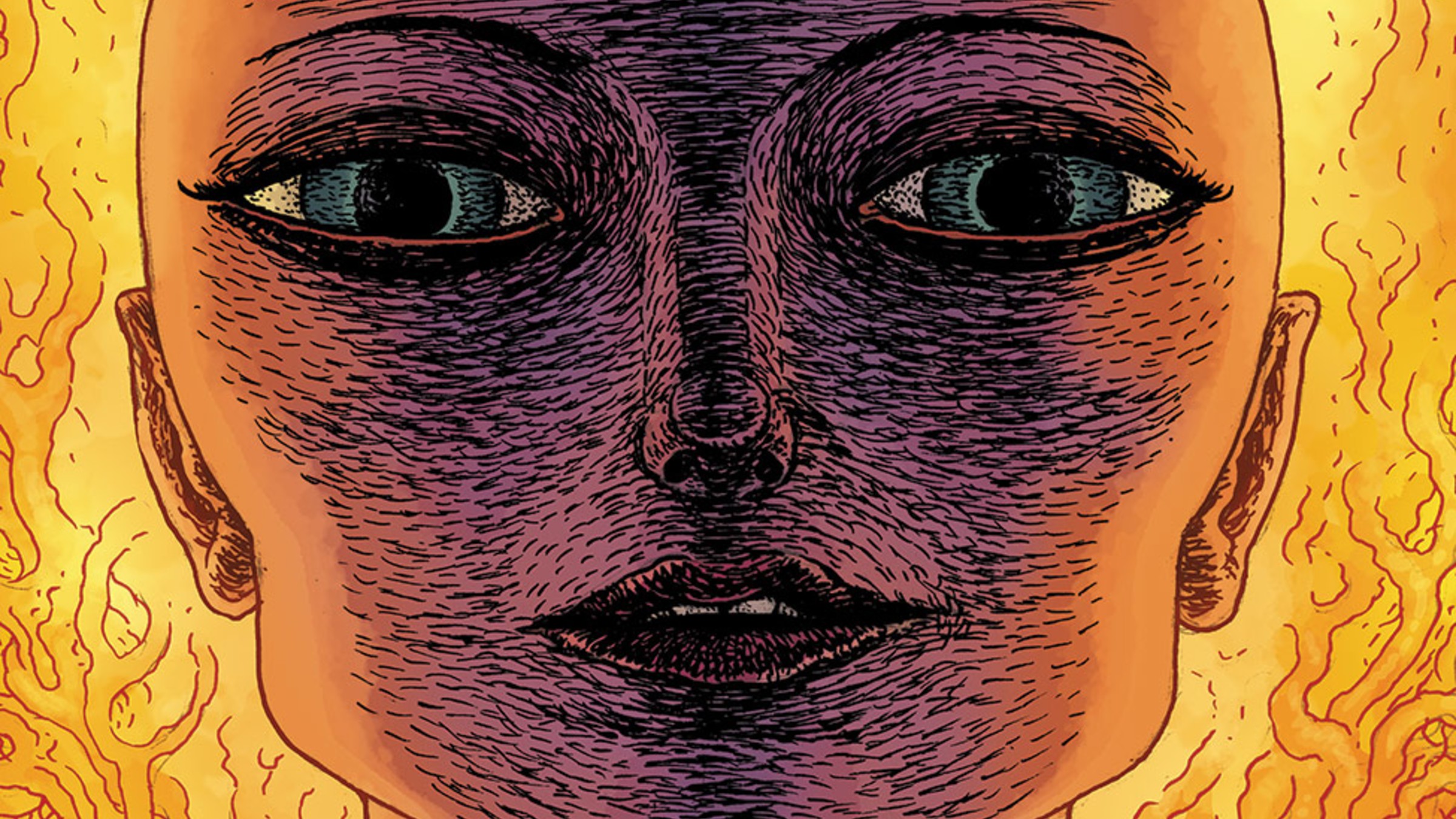
The X-Men experienced significant changes in the 2000s. After reaching peak popularity in the 1980s and 1990s, including several landmark storylines, sales began to decline. Hoping to recapture their previous success, Marvel decided to revitalize the X-Men comics in the new millennium, initially by revisiting familiar themes and approaches in the year 2000.
Marvel brought Chris Claremont, a beloved X-Men writer, back with the expectation that his return would significantly boost sales. Unfortunately, that didn’t happen. While a small group of fans (including myself) enjoyed his 2000 run, Marvel decided to try a new approach in 2001 by bringing in Grant Morrison, who had recently moved from DC Comics. Morrison’s work launched ‘New X-Men,’ and it quickly became a critical success, largely thanks to the incredible three-part story that started it all: “E Is for Extinction.”
“E Is for Extinction” Blew Everyone’s Minds
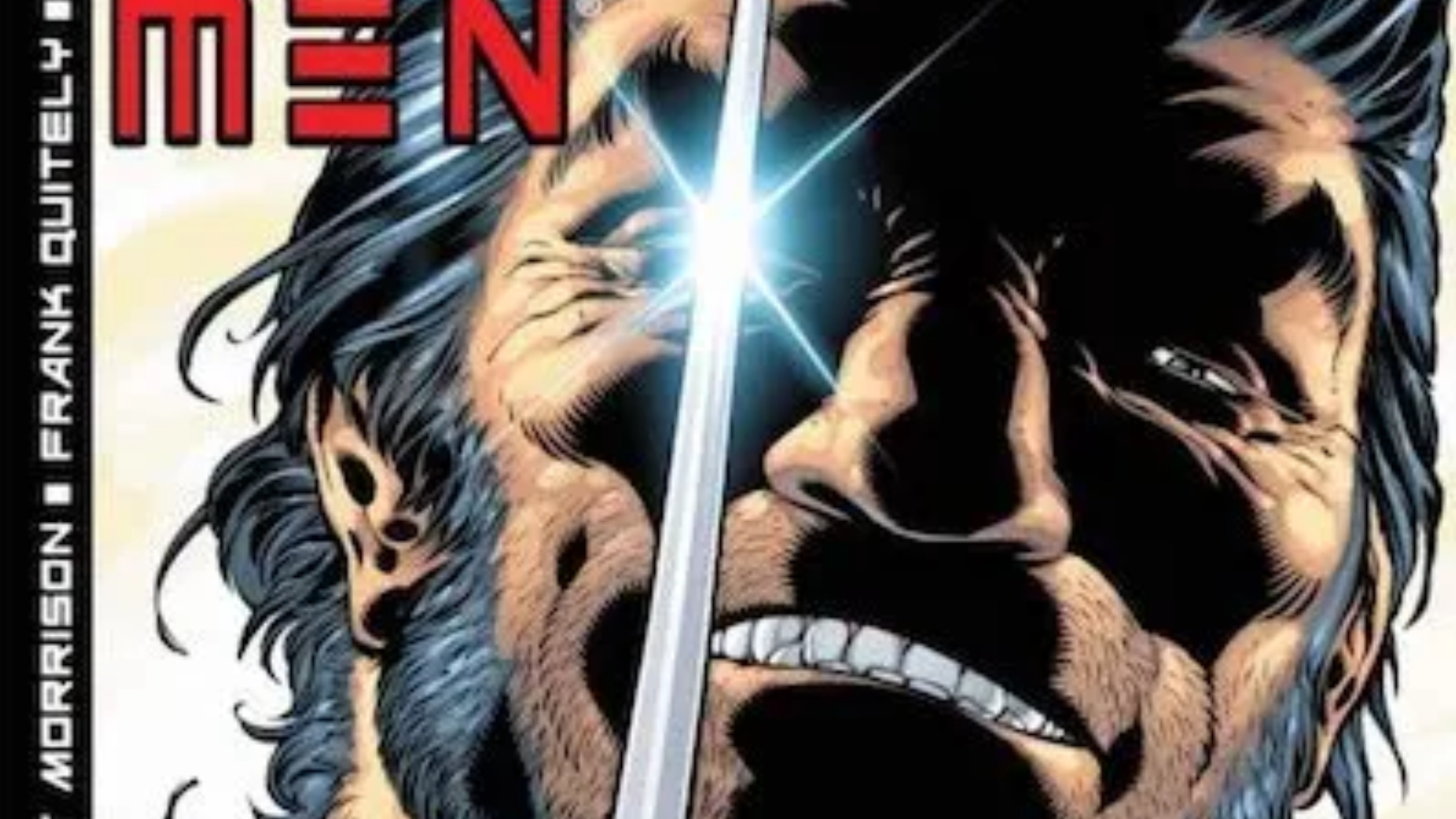
“E Is for Extinction” was a truly surprising and impactful X-Men story, easily ranking among the most shocking ever told. Writer Grant Morrison teamed up with artist Frank Quitely, and together they brought a unique vibrancy to the narrative. From the very first issue, Morrison redefined the X-Men’s purpose, moving them beyond traditional superheroics and establishing them as leaders and helpers within the mutant population. This change was visually represented by a new look—the team traded their bright costumes for sleek black and yellow outfits. This was a significant shift for the X-Men, but it was just the first of many changes to come.
This storyline brought in Cassandra Nova as a powerful new enemy with ties to Professor X, complicated the relationship between Cyclops and Jean Grey, and introduced Emma Frost to the team – a move that would prove very beneficial later on. It also saw the complete destruction of Genosha, the mutant nation. The story was full of unexpected twists and turns, steadily building tension until it reached a dramatic climax. The events concluded in New X-Men #117, perfectly setting the stage for the X-Men’s adventures over the following year.
Grant Morrison’s run on “E Is for Extinction” is exceptionally well done. Morrison seamlessly integrated their vision into the X-Men, making it feel like a natural extension of the team’s history. The introduction of Cassandra Nova, effectively a new version of Magneto, laid a strong foundation for future storylines. The concepts of a rapidly growing mutant population and a gene threatening humanity significantly raised the stakes and promised a compelling future for the series.
Grant Morrison and Frank Quitely revitalized the X-Men in just three issues, subtly transforming the team rather than completely reinventing it. The story felt like a natural progression, cleverly using established characters and concepts to deliver surprisingly fresh results. While the X-Men had many successful runs in the 2000s, “E Is for Extinction” stands out as exceptional. It’s worth revisiting – even after almost thirty years, the story still feels innovative and exciting.
https://comicbook.com/comics/list/the-10-best-x-men-stories-in-marvel-history/embed/#
Read More
- Gold Rate Forecast
- Dune 3 Gets the Huge Update Fans Have Been Waiting For
- Guardians of the Globe Members We Want to See in Invincible Season 4
- What Song Is In The New Supergirl Trailer (& What It Means For The DC Movie)
- Hideo Kojima Says He Was Never Told About The Matrix Creators Wanting Him to Make a Game
- Kelly Osbourne Slams “Disgusting” Comments on Her Appearance
- Eurogamer Gives ARC Raiders 2/5 Over AI Voices, Dropping Metacritic Score from 94 to 84
- ’90s Cartoon Reboot & TMNT Connection!
- One of Hulu’s Best New Shows Lands on Disney+ Ahead of Season 2
- Kristen Bell Details “the Real Stuff” in Family Bond With Dax Shepard
2026-01-04 21:44