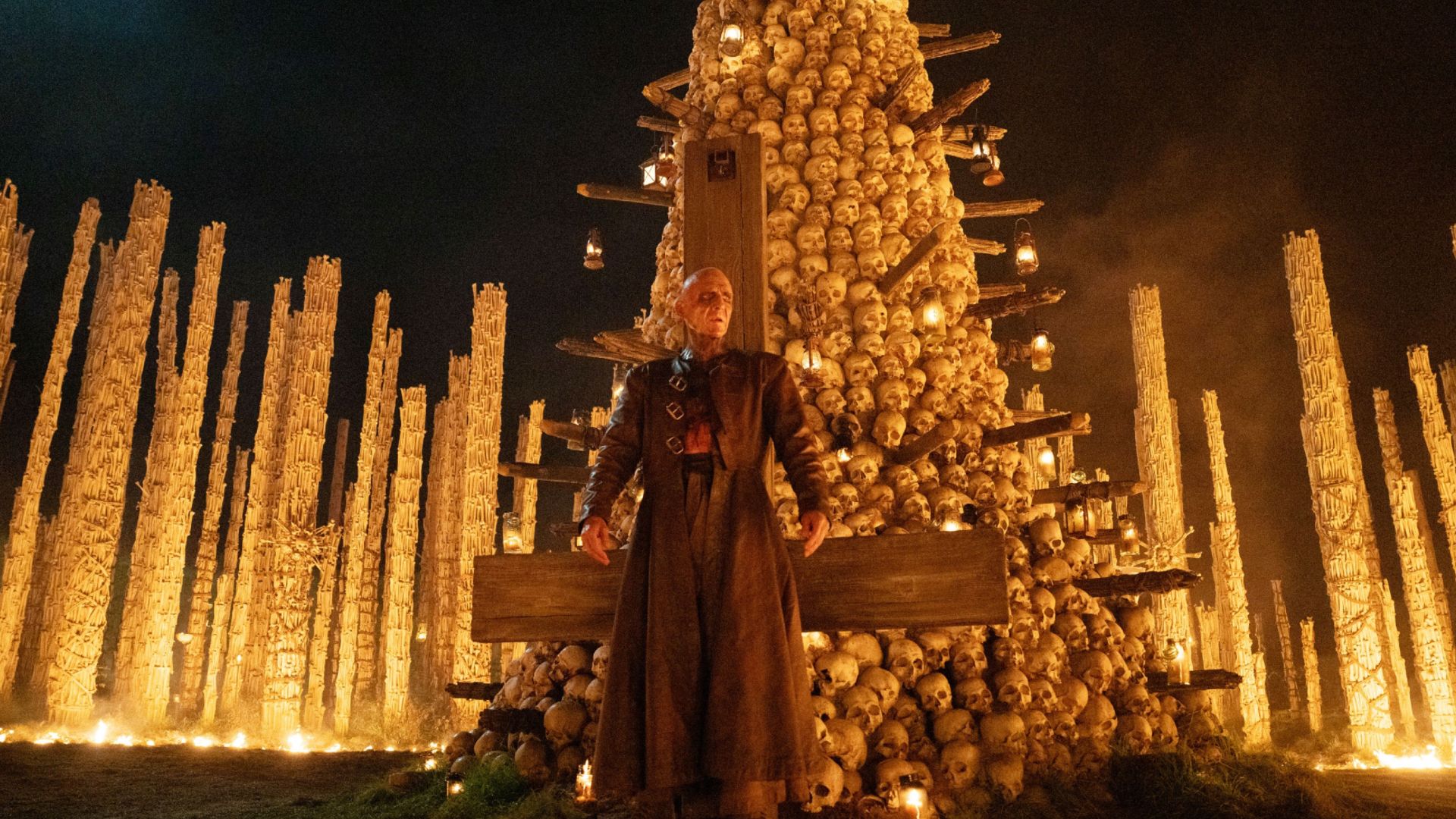
Warning: Includes SPOILERS for 28 Years Later: The Bone Temple!
The fourth film in the 28 Years Later series, The Bone Temple, includes a familiar piece of music that will please many fans. John Murphy’s “In the House – In a Heartbeat,” a memorable film score from the 2000s, hasn’t been used in the series for almost twenty years – since 28 Weeks Later – and its return is a powerful nod to the past.
’28 Years Later: The Bone Temple’ Brings Back the Iconic Score
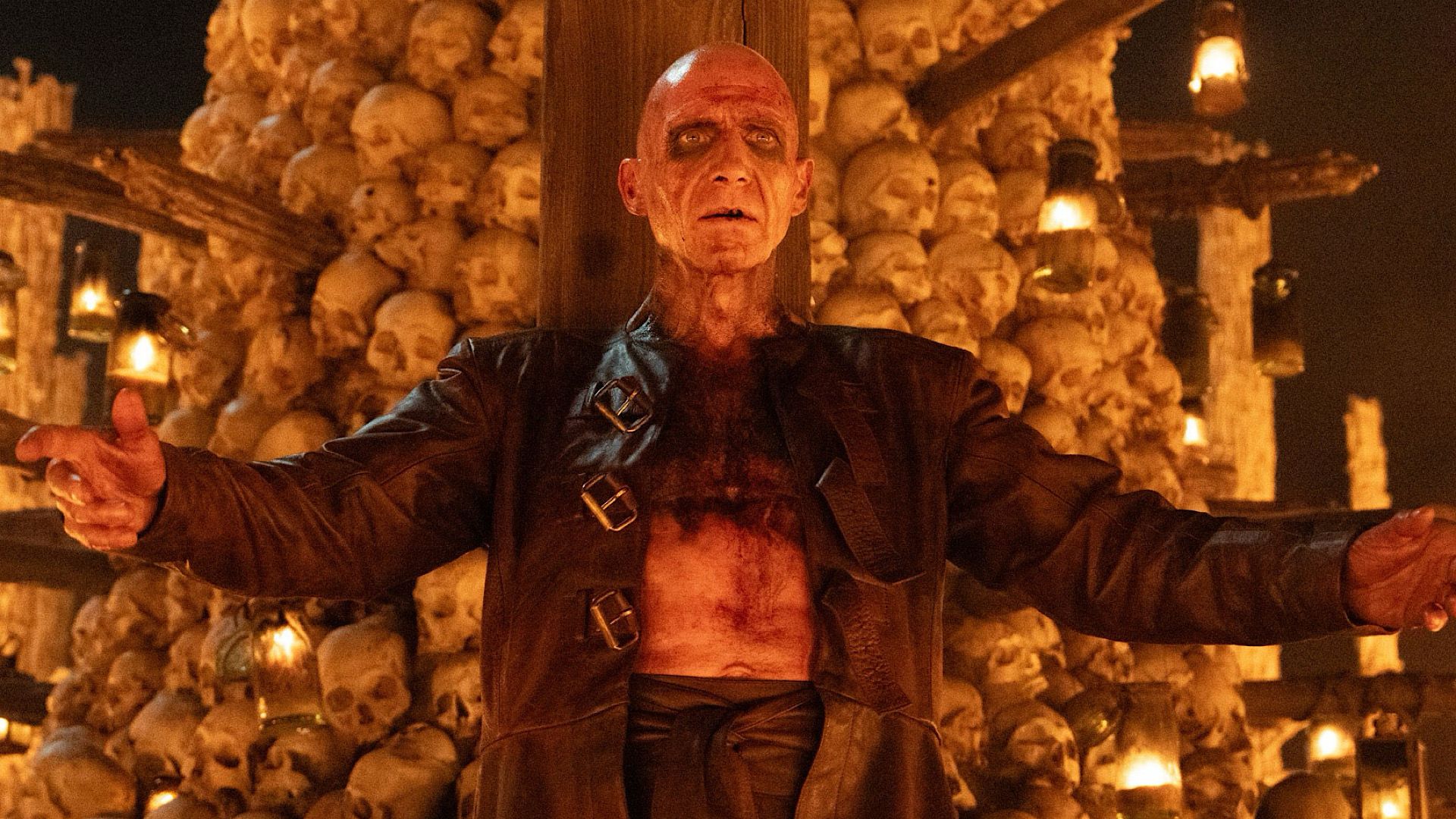
Sony Pictures
It makes sense that The Bone Temple revisits familiar music, both to advance the story of the 28 Years trilogy and because the film deeply explores the power of nostalgia. Set 28 years after Britain fell to the infected and another 28 years since new culture emerged, those who remember the past largely rely on cherished memories. We learn that Ralph Fiennes’s character, Dr. Kelson, collects records, playing music from the 80s and 90s that clearly means a lot to him. Songs by Duran Duran and Radiohead appear in the film, acting as reminders of a lost world within the desolate present.
At its heart, the series has always explored themes of time and memory. While 28 Years Later is celebrated for its groundbreaking fast-moving zombies and use of digital video, the story truly centers on a man who awakens to a world that has been emptied and ruined. The outbreak of the Rage virus marks a critical turning point – a clear division between before and after. What once constituted everyday life and functioning society in 2002 is now simply ‘the past.’ However, the real collapse comes from the loss of normal social connections. Without ways to communicate with each other, everything unravels, and people are driven by more primal, violent impulses.
The film’s bleak setting is powerfully enhanced by a rich, atmospheric electronic score from John Murphy, alongside music from artists like Brian Eno, Granddaddy, and Godspeed You! Black Emperor. This combination creates a soundscape that feels both futuristic and ominous, perfectly capturing the feeling of a world after disaster. The experimental music deliberately contrasts with the upbeat pop music popular at the time. Murphy’s score is instantly gripping and unsettling, yet retains a sense of humanity—it feels alive, a pulse in the darkness. He returned for the 2007 sequel, 28 Weeks Later, largely sticking to the original’s musical style, but amplifying the intensity to match the film’s faster pace. Given that the sequel takes place soon after the first film, the score feels more like a continuation than a significant departure. The sequel did feature the memorable “In the House – In a Heartbeat” theme more prominently, establishing it as the signature sound of the series—making its complete absence in 28 Years Later all the more noticeable.
Danny Boyle and Alex Garland’s upcoming film in the series, set to release in 2025, brings a fresh take to the story with new characters and a reimagined post-apocalyptic world. Boyle pushed boundaries again, filming the entire movie on iPhones. He also took an unusual approach to the music, commissioning the Scottish group Young Fathers to create the score. The result is a diverse soundscape, blending electronic music with powerful choral arrangements. The opening song, “Promised Land,” evokes the emotional intensity of Peter Gabriel’s score for The Last Temptation of Christ while accompanying disturbing scenes of violence. Later in the film, Young Fathers incorporates a recitation of Rudyard Kipling’s poem “Boots” into a track that plays over stunning and unsettling images of the English countryside combined with historical war footage and clips from Laurence Olivier’s Henry V.
The music by Young Fathers is remarkable and sets the stage for a fresh look at culture, particularly as seen in their new trilogy, 28 Years. The story focuses on a secluded island community building a culture based on memories of older Britain, and the score hints at a different path. This energetic music ultimately inspires young Spike to leave the island and seek a better life on the mainland. However, he discovers things are far more complex than he imagined, and the pull of the past proves difficult to escape. Interestingly, the first music we hear isn’t from Young Fathers at all, but from the children’s show Teletubbies, playing as little Jimmy watches with his siblings before tragedy strikes.
It was shocking to see Jimmy again in 28 Years Later – all grown up, but leading a dangerous cult, and that creepy Teletubbies theme song playing! Then, in The Bone Temple, he’s a huge part of the story, right alongside Dr. Kelson. Jack O’Connell really nailed the role, showing how messed up Jimmy’s thinking is. He was just a kid when everything went wrong, so his memories are fragmented and he interprets everything in a really strange, disturbing way. It’s like his connection to the world was never fully formed.
Subscribe to the newsletter for soundtrack and score insights
Explore more by subscribing to the newsletter for thoughtful analysis of film scores, soundtrack callbacks, and how music shapes cinematic memory. The newsletter expands on soundtrack trends, scoring techniques, and the role of nostalgia in film.
Hildur Guðnadóttir composed the music for the new sequel, and her score is quite different from the previous film’s soundtrack, leaning towards a more conventional style. The music effectively builds tension and atmosphere. However, the film really comes alive with its carefully chosen songs. Duran Duran features prominently, with Dr. Kelson playing hits like “Ordinary World,” “Girls on Film,” and “Rio.” This use of older music cleverly connects the past with the present, mirroring the series’ themes of Dr. Kelson’s attempts to understand and potentially heal the infected. By the time Iron Maiden’s “The Number of the Beast” plays during the film’s powerful climax, director Nia DaCosta establishes a key idea throughout these new films: the importance of remembering history.
With everything that’s happened so far, this episode, “In the House – In a Heartbeat,” is particularly meaningful. A well-loved character shares a crucial lesson with their child: understanding history is vital, because those who ignore the past are destined to relive it. The show has embraced change with innovative visuals and music, which is great, but it also reminds us that we shouldn’t abandon what came before. There’s room for both the old and the new – bands like Duran Duran, Radiohead, and Iron Maiden still matter today. Ultimately, the series leaves us to ponder what all of this means and how we should move forward.
Read More
- Surprise Isekai Anime Confirms Season 2 With New Crunchyroll Streaming Release
- The Super Mario Galaxy Movie: 50 Easter Eggs, References & Major Cameos Explained
- Starfield (PS5) Review – A Successful Cross-Console Voyage
- 10 Best Free Games on Steam in 2026, Ranked
- All 7 New Supes In The Boys Season 5 & Their Powers Explained
- Preview: Sword Art Online Returns to PS5 as a Darker Open World Action RPG This Summer
- ‘Project Hail Mary’: The Biggest Differences From the Book, Explained
- Skate 4 – Manny Go Round Goals Guide | All of the Above Sequence
- Frieren: Beyond Journey’s End Gets a New Release After Season 2 Finale
- Sydney Sweeney’s The Housemaid 2 Sets Streaming Release Date
2026-01-21 03:33