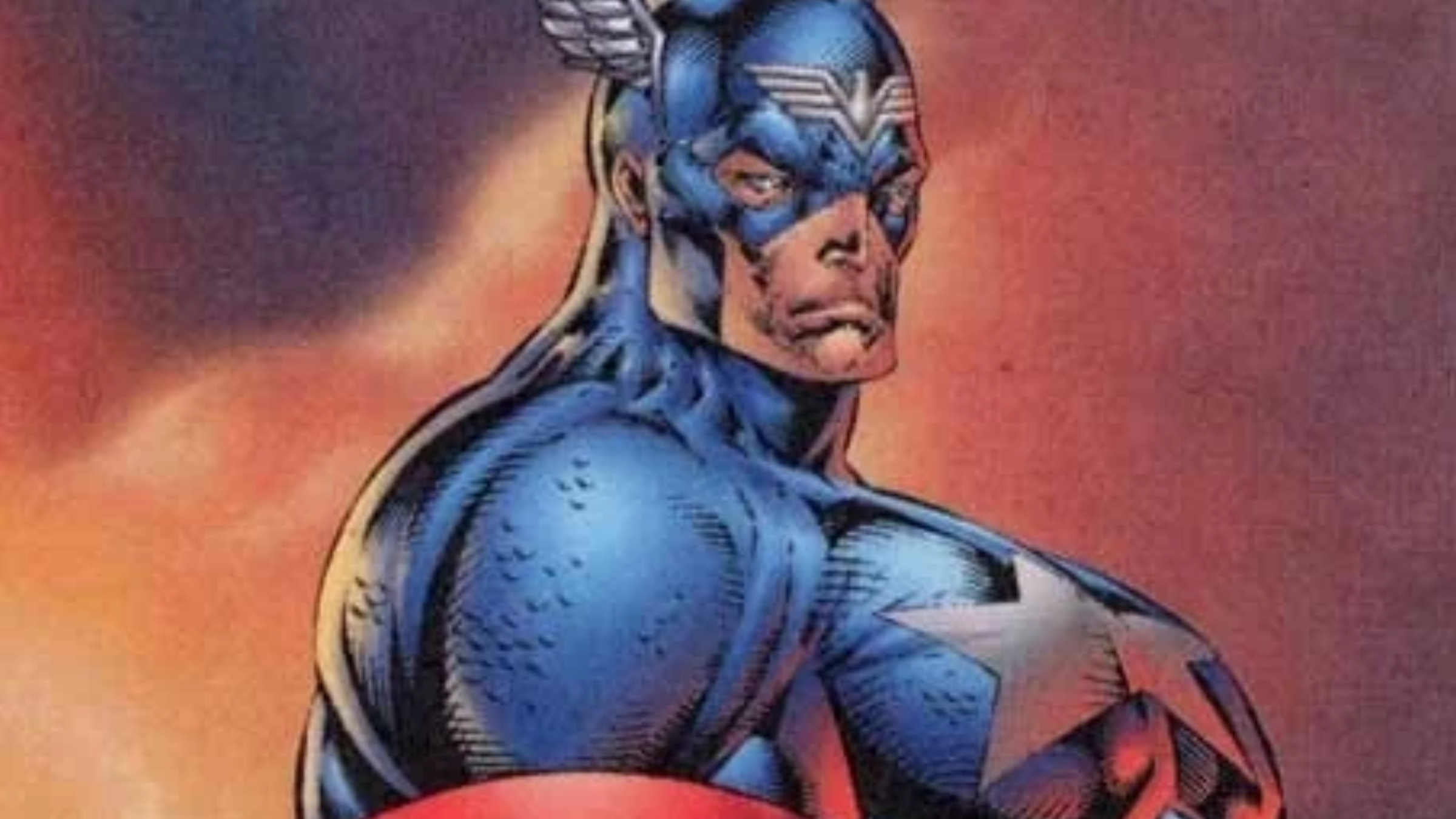
Captain America is now a hugely popular hero, largely thanks to his appearances in the Marvel Cinematic Universe. But his fame goes back much further! He first appeared in 1941, in Captain America Comics #1, created by Joe Simon and Jack Kirby. Captain America was the most popular Marvel hero during the Golden Age of comics, and he returned in 1964’s Avengers #4 during the Silver Age. He eventually became the leading figure among superheroes and even starred in his own comic book series again, featuring stories by renowned creators like Stan Lee, Jim Steranko, and Jack Kirby.
Captain America has been featured in many great comic book stories, crafted by some of the industry’s most skilled writers and artists. While his comics were popular in the 1960s and 70s, and the 80s produced some of his best adventures, the 1990s proved difficult. The X-Men dominated that decade, and other Marvel characters, including Captain America, struggled to find an audience. Attempts to revitalize Cap with different versions – like Cap-Wolf and an armored version – didn’t quite work, though 1995 brought a promising new direction. Unfortunately, Marvel’s plans nearly derailed that progress.
Heroes Reborn Derailed the Best Cap Run in Decades
Sales for titles like Captain America, Avengers, Iron Man, and Fantastic Four were declining. Marvel tried various strategies – largely imitating ideas from the X-Men and Image Comics – but couldn’t regain momentum. Behind the scenes, they started talks with Rob Liefeld and Jim Lee, two incredibly popular artists who had previously left Marvel to found Image Comics, hoping they could revitalize the books. However, before those negotiations became public, Marvel introduced a new creative team – Mark Waid and Ron Garney – to work on Captain America.
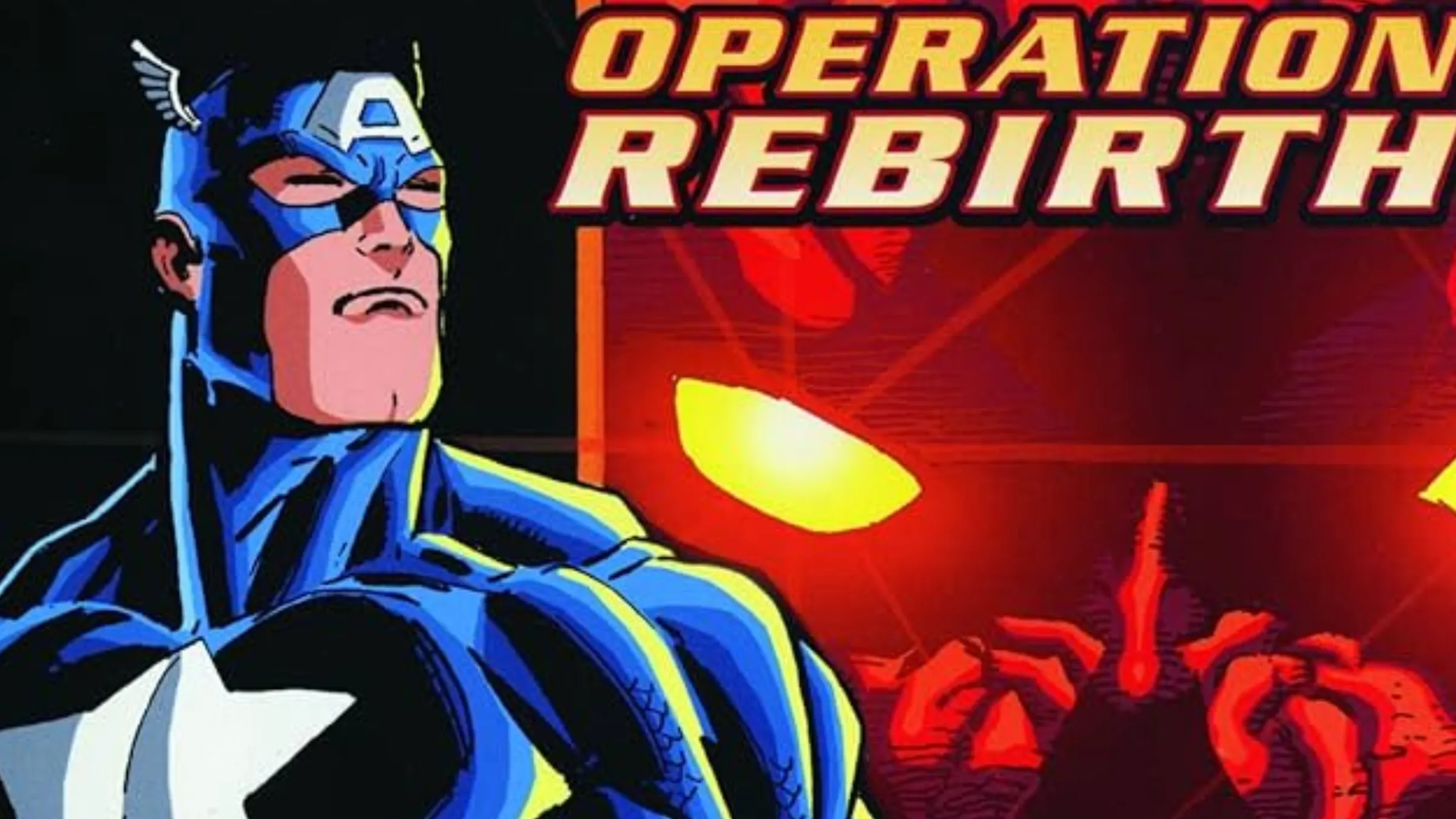
After a period of disappointing stories – including a failed super-soldier serum and a turn to armored heroism – Captain America #444 resolved that storyline and launched a fresh direction with “Operation: Rebirth” in issue #445. This new story returned Captain America to his roots, essentially giving the character a fresh start. The story reintroduced Sharon Carter, placed Cap back in a working relationship with the government, and tasked him with stopping Red Skull. It was a straightforward, well-executed story that delighted fans and earned widespread praise. Consequently, sales began to increase as both critics and readers recognized the book’s newfound quality.
Just as things were gaining momentum, Marvel announced Heroes Reborn, which sparked a lot of anger from fans. They had finally found a Captain America comic they really enjoyed, and were upset to see it end. What really bothered people, though, was how Marvel treated the creative team of Mark Waid and Ron Garney. They were completely blindsided by the news that their run on the book would be cut short, with no warning that they were being replaced. This created lasting resentment among fans, especially since the Heroes Reborn books – including Captain America (Vol. 2) – weren’t well-received.
Marvel has often been criticized for its business practices, but the situation surrounding the creative team of Captain America – specifically the work of Waid and Garney – was particularly problematic. This was one of the first times the comic book media openly reported on Marvel taking advantage of its creators. The Heroes Reborn event was generally unsuccessful, and the second volume of Captain America is often considered its weakest point. Readers disliked the book, not only because of Liefeld’s take on the character, but also due to the anger surrounding Marvel’s handling of the creators involved.
Following the disappointing performance of Heroes Reborn, Marvel brought the creative team back for Captain America (Vol. 3). However, Marvel continued to interfere with writer Mark Waid’s work. One particular story was altered so significantly that his name was removed from it, and he left the series shortly after, before the end of 1999. Many fans believe that Marvel’s eagerness to attract readers from Image Comics led to the undoing of what had been a highly regarded Captain America run, and the damage continued a few years later.
https://comicbook.com/comics/news/10-greatest-marvel-stories-of-the-2020s/embed/#
Read More
- 4 TV Shows To Watch While You Wait for Wednesday Season 3
- Gold Rate Forecast
- 10 Most Memorable Batman Covers
- 40 Inspiring Optimus Prime Quotes
- Best X-Men Movies (September 2025)
- PlayStation Plus Game Catalog and Classics Catalog lineup for July 2025 announced
- 10 Best Buffy the Vampire Slayer Characters Ranked
- Chill with You: Lo-Fi Story launches November 17
- Every Creepy Clown in American Horror Story Ranked
- All 6 Takopi’s Original Sin Episodes, Ranked
2025-12-29 04:10