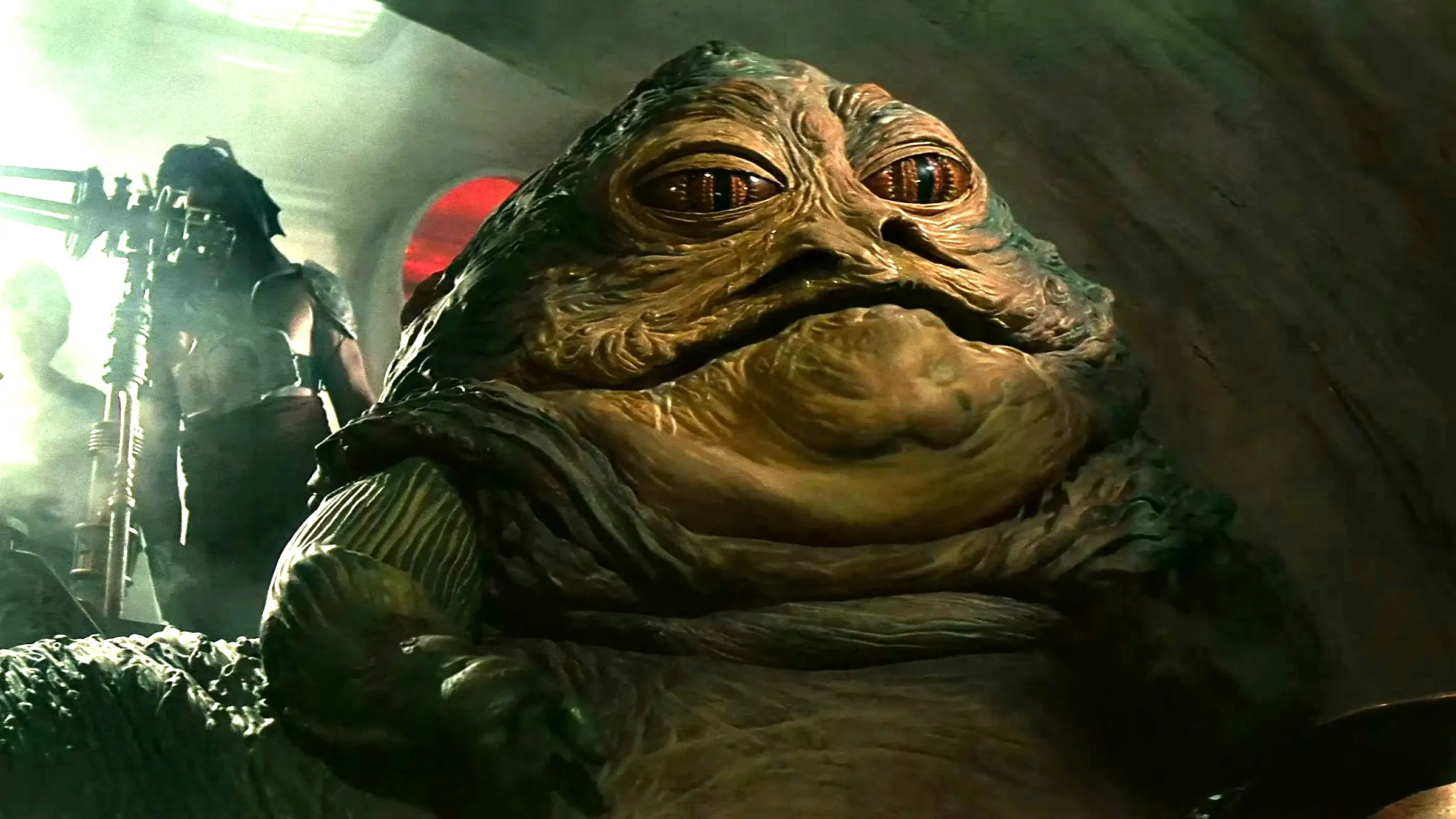
To mark the 20th anniversary of Star Wars: A New Hope, the original three Star Wars movies were shown in theaters again. But this wasn’t just a chance to relive the classics. George Lucas updated all three films with added scenes and improved special effects. While some changes were well-received – like expanding Cloud City in The Empire Strikes Back – many were quite controversial. Perhaps the most frustrating change of all was in Star Wars: Return of the Jedi, though fans still debate whether Greedo shooting first was worse.
The re-release of Return of the Jedi premiered on March 14, 1997, and included a new addition that many fans still question: a musical performance in Jabba the Hutt’s palace featuring Sy Snootles and the Max Rebo Band performing the song “Jedi Rocks.” This change, made by George Lucas for the special editions, remains one of the most puzzling choices in the film.
Why George Lucas Changed Return of the Jedi‘s Musical Scene (and Why It Doesn’t Work)
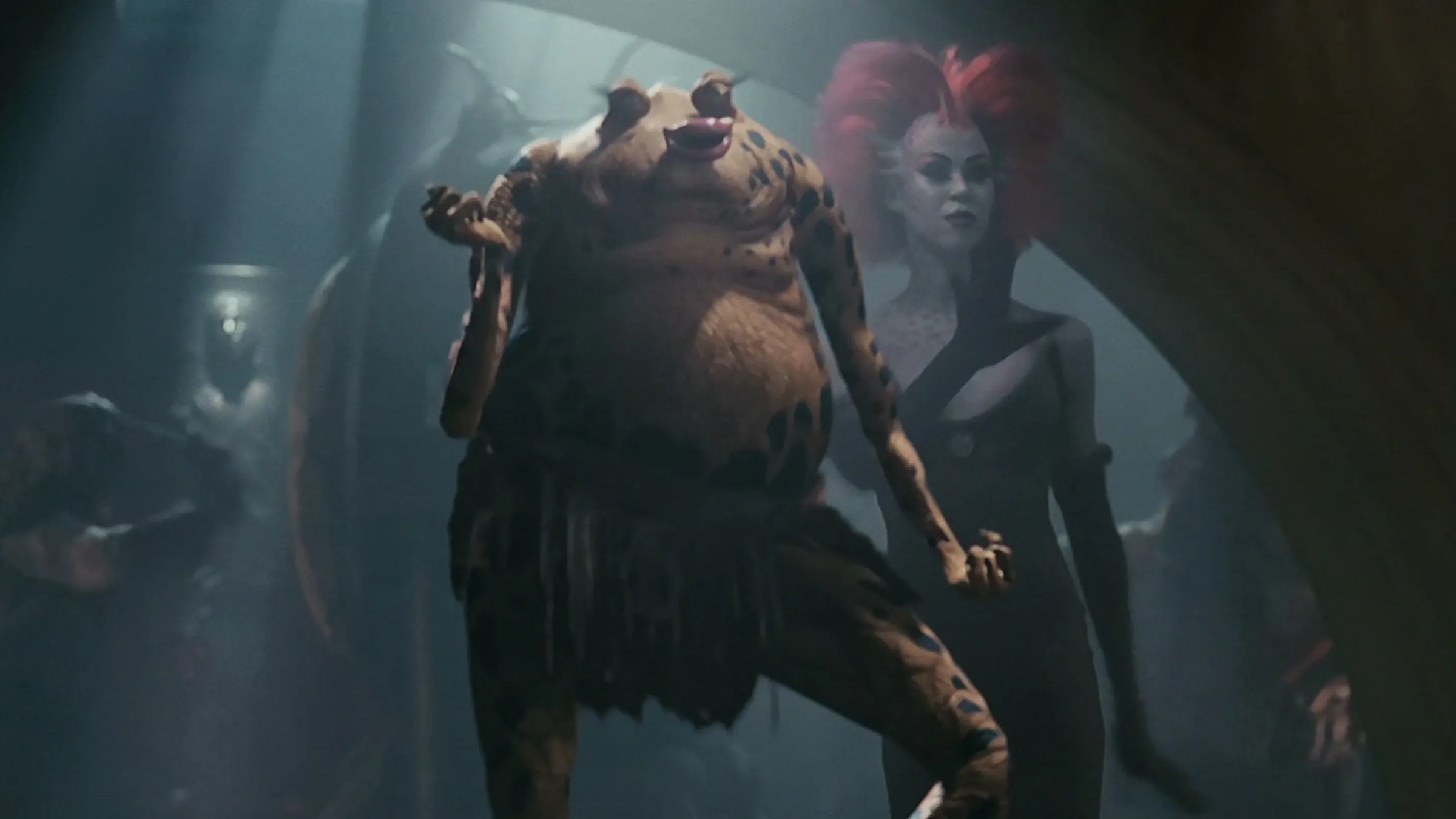
The 1983 version of Return of the Jedi features a brief but memorable performance by the Max Rebo Band, playing the song “Lapti Nek” to showcase the entertainment at Jabba the Hutt’s palace. While the scene works well in the film, George Lucas originally planned a much longer musical number. He revealed in a behind-the-scenes feature on the 1997 special edition VHS that filming fell behind schedule, leaving the crew with time for only a few shots, which led to the scene being shortened.
Back then, the technology wasn’t advanced enough to fully bring George Lucas’s vision to life. As shown in a behind-the-scenes featurette, the puppets and robotic creatures used during the musical performance in Jabba’s palace had limited movement. Producer Rick McCallum specifically pointed out that the puppet Sy Snootles couldn’t move her mouth or eyes convincingly. When the movie was updated for special editions, Lucas used computer-generated imagery (CGI) to completely recreate Sy Snootles as a digital character, allowing for fluid movement and facial expressions. This finally allowed him to achieve his long-held goal of including a large musical number within a Star Wars film.
Many fans consider this one of the least successful changes made to the special editions. A key issue is the choice of “Lapti Nek” over the much more energetic and bombastic “Jedi Rocks,” which some find over-the-top. The addition of Yuzzum Joh Yowza, who sings “Jedi Rocks” with Sy Snootles, is particularly disliked. Critics often describe Yuzzum’s voice as irritating, a sentiment Lucasfilm later playfully acknowledged in the novel Beware the Power of the Dark Side!, revealing that many in the galaxy’s criminal underworld wished to silence him permanently.
While the song “Jedi Rocks” isn’t necessarily bad on its own, it feels out of place in the movie. The biggest problem with the updated musical number is that it slows down the beginning of the film, stopping the action for a lengthy Max Rebo Band performance. The original “Lapti Nek” scene was much more effective because it was brief but still conveyed important details – like Jabba’s harshness and the rancor pit – without being too distracting. That scene felt natural, whereas “Jedi Rocks” feels forced and doesn’t quite fit, both musically and visually.
The Return of the Jedi Special Edition Didn’t Need “Jedi Rocks”
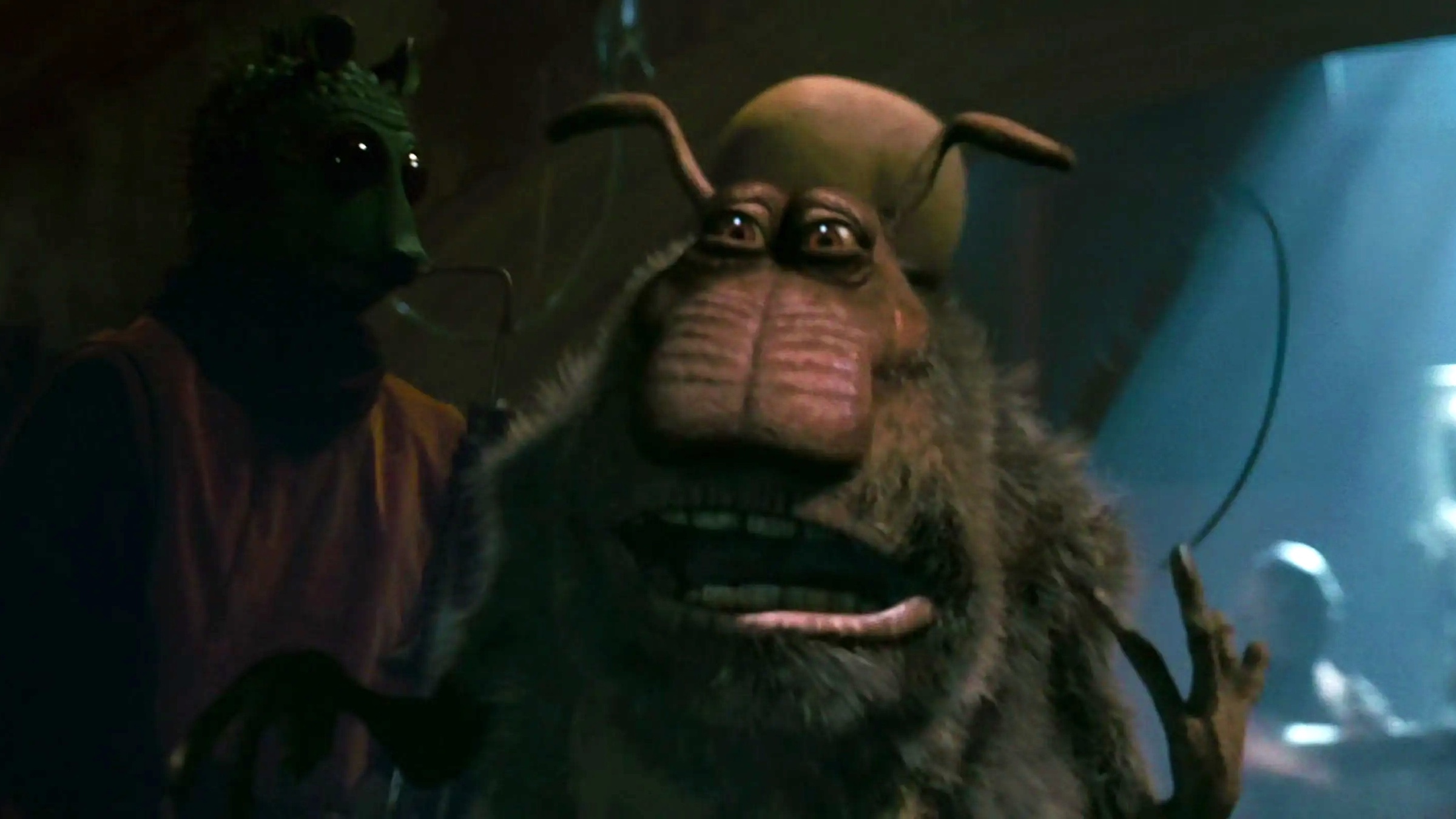
It’s easy to see why Lucas wanted to revisit and alter the music scene in Jabba’s palace. He was a director who loved exploring new technology, and the recent advancements in digital effects offered exciting possibilities he wanted to try out before starting work on the prequels. While the original puppets were great for their time, the argument that Sy Snootles felt a bit lifeless is valid – her limited movement made it hard for the character to truly come across as vibrant, even while she was performing the ‘Lapti Nek’ song.
If Lucas had simply used computer effects to improve Sy Snootles’ performance – like syncing her lips better and making her eyes more realistic – fans probably wouldn’t be as upset with the changes. That would have been a much smoother way to update the film, using modern technology to improve the viewing experience while still respecting the original. However, Lucas went too far, seemingly getting carried away with what CGI could do. He became so fascinated with the possibilities that he didn’t consider whether the extended musical sequence was actually necessary for Return of the Jedi.
The “Jedi Rocks” scene in Return of the Jedi is similar to the reinserted Jabba the Hutt scene in A New Hope. Both feel like demonstrations of new special effects technology and don’t really add anything to the story. Just like Han Solo’s meeting with Jabba repeats information we already learned from the Greedo scene (about Han owing money to a dangerous criminal), “Jedi Rocks” feels unnecessary. The original “Lapti Nek” scene worked perfectly well, so this feels like a change just for the sake of showing off the new visuals.
George Lucas has previously reversed some odd changes he made to his films, like the unintentionally funny scream Luke Skywalker lets out when falling from Cloud City. But the song “Jedi Rocks” has been included in every new release since 1997, suggesting it’s staying that way despite fan complaints. The scene featuring “Lapti Nek” is probably gone for good, although Lucasfilm is showing the original theatrical cut of A New Hope next year for its 50th anniversary. This gives fans hope they might also bring back “Lapti Nek” for a special screening of Return of the Jedi.
What do you think? Leave a comment below and join the conversation now in the ComicBook Forum!
Read More
- The Super Mario Galaxy Movie: 50 Easter Eggs, References & Major Cameos Explained
- All 13 Smash Bros. Characters in the Super Mario Galaxy Movie
- Highly Anticipated Strategy RPG Finally Sets Release Date (And It’s Soon)
- Sydney Sweeney’s The Housemaid 2 Sets Streaming Release Date
- TV legend Carol Kirkwood reveals the reasons why she decided to retire after 28 years with BBC
- Why is Tech Jacket gender-swapped in Invincible season 4 and who voices her?
- Dune 3 Gets the Huge Update Fans Have Been Waiting For
- Welcome to Demon School! Iruma-kun season 4 release schedule: When are new episodes on Crunchyroll?
- After 13 Years, Someone Earned One of the Hardest Achievement Trophies in Gaming
- Supergirl Director Breaks Down Kara Zor-El & Superman’s ‘Older-Sibling Dynamic’
2026-03-15 00:15