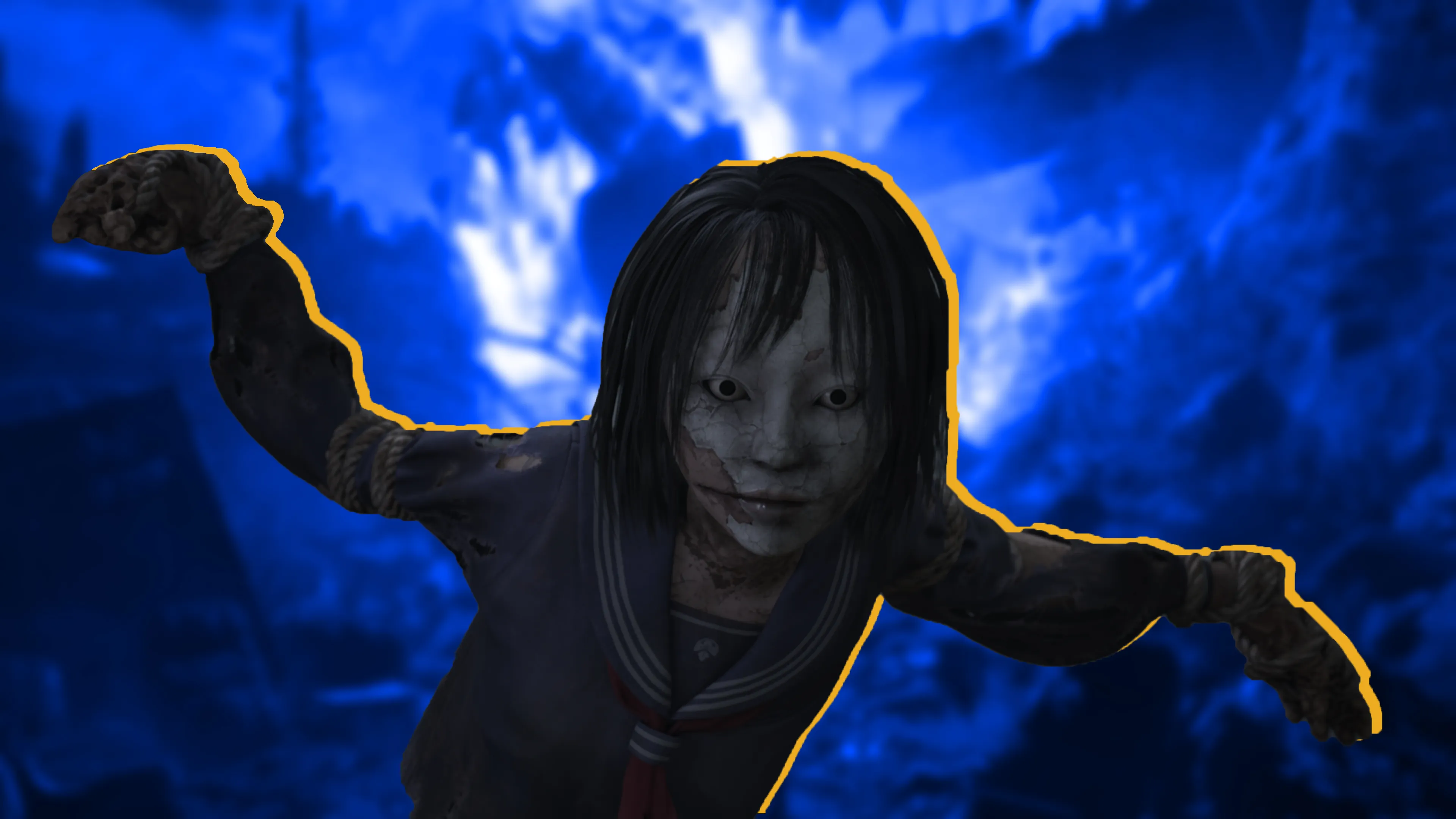
It’s often easy to spot a bad game, even before it’s released. Controversial titles usually live up to the negative hype, and disappointing trailers often reflect a truly lackluster game. But sometimes, things surprise us. Throughout gaming history, there have been titles that defied expectations, overcoming issues like a tired series or difficult development to become truly great. While uncommon, these turnarounds do happen.
As such, here are three games that turned out well despite looking like they’d likely be terrible.
3) Silent Hill f
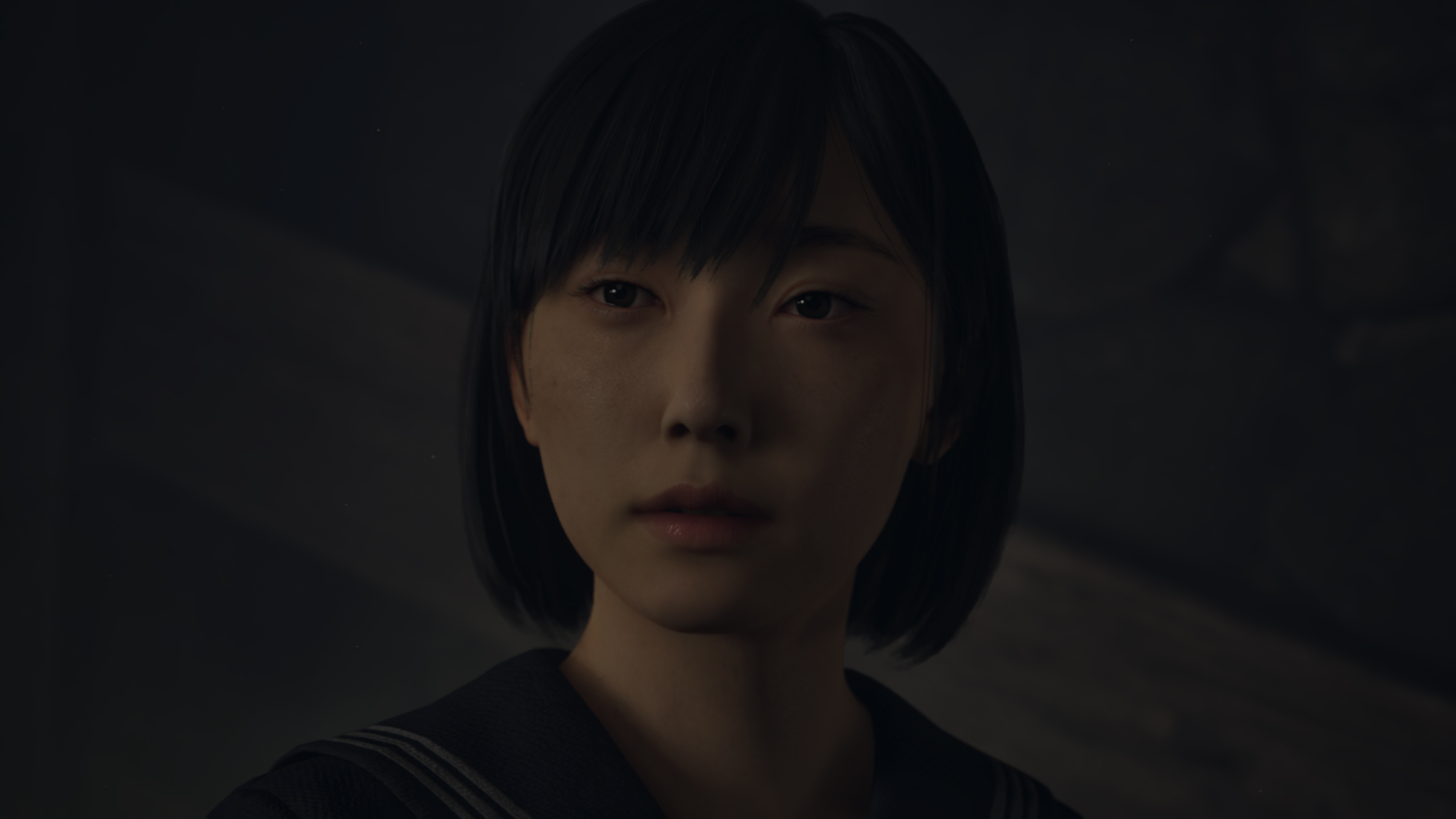
Look, as a Silent Hill fan, it’s been tough. The series just hasn’t been the same for a while now. The first three games set the bar so high, and honestly, everything that came after has mostly fallen short. I’ve played Origins, Homecoming, Downpour, even Book of Memories, and they ranged from just okay to pretty bad. It’s frustrating because even the classics, Silent Hill 2 and 3, got dragged down by that awful HD Collection. Then there was P.T. – a genuinely scary demo that gave us hope – but Konami cancelled Silent Hills and things fell apart with Hideo Kojima, so we lost that too. It’s a real shame.
The series had faced so much negativity that any new installment was bound to receive criticism, as it felt like the bad luck would continue. Konami hoped Silent Hill f would kickstart a revival, but the game’s developer raised concerns. NeoBards Entertainment, known for the poorly received Resident Evil Resistance and Resident Evil Re:Verse, was leading development. It appeared Konami was again choosing a less expensive team over one with a stronger track record for this important series.
Despite being an unexpected success, Silent Hill f stands out as one of the strongest entries in the Silent Hill series. It delivers classic horror with disturbing creature designs and a deeply unsettling atmosphere, but what truly makes it special is its compelling story and thoughtful exploration of difficult themes. The game fearlessly examines gender roles in 1960s Japan, offering a fresh perspective on the subject. Each playthrough reveals more layers to the story, with hidden collectibles adding further context to the overall narrative. This all builds to a surprisingly impactful ending that feels like a natural conclusion to the game’s themes and rewards attentive players.
Honestly, the Silent Hill series really needed a win, so Silent Hill f could have just been okay – a decent horror game with a story that held my attention. But it didn’t just meet expectations, it blew past them! The story is so well-crafted, it’s the kind you really want to pick apart and analyze, and that’s what gives it the staying power to stand with the best Silent Hill games. What’s even more impressive is that it managed to do all this without just copying Silent Hill 2. It felt fresh and original, and that’s why I think it’ll hold up really well over time.
2) Until Dawn
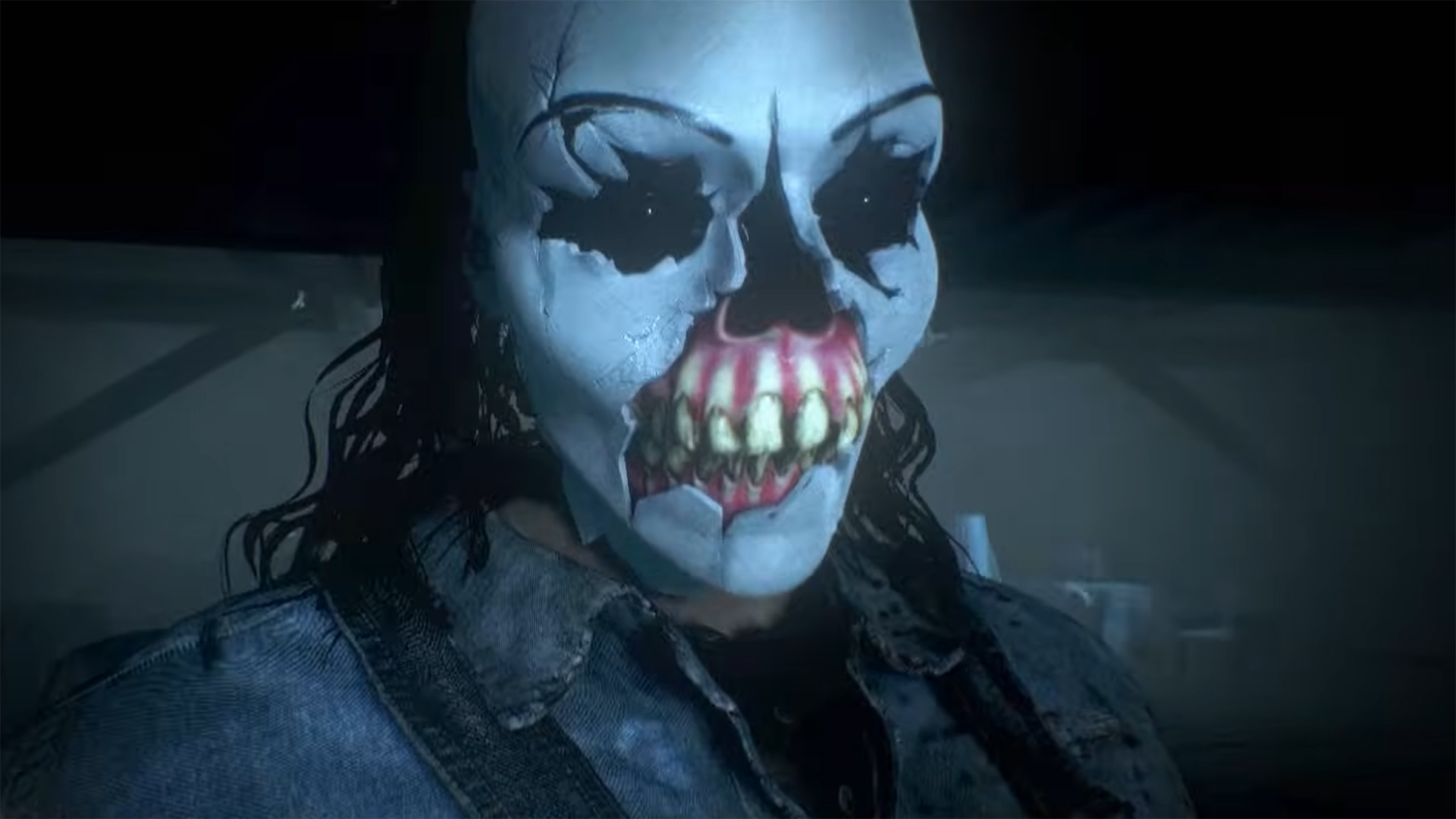
The Until Dawn game released in 2015 looked quite different from its original concept. First announced in 2012, it was initially designed for PlayStation Move, requiring players to use the system’s motion controllers. This was a risky move, as motion control gaming was already losing popularity. The game also started development for the PS3 before being switched to the PS4, suggesting a difficult development process.
It wasn’t a sure thing when Until Dawn started as a motion-controlled game and then went through several changes during development. But those risks paid off – the game proved to be more successful than anyone expected. Shuhei Yoshida, former head of PlayStation Worldwide Studios, said the team was surprised by how well it did. Today, Until Dawn is Supermassive Games’ most popular title, with an average review score of 79 – six points higher than any of their other games.
It’s already noteworthy when a game overcomes a difficult development process and turns out to be excellent. But Until Dawn is truly impressive because it also innovated within its genre. It successfully combined the choice-based storytelling seen in games from Quantic Dream with the thrills of horror, creating a compelling experience. The fact that characters frequently die in horror movies made the game’s branching narrative feel natural and engaging. Until Dawn’s story was made even richer by its ability to both play with and embrace horror tropes. This was particularly impressive at the time, and stands out even more now considering that Supermassive Games hasn’t been able to replicate that success with its subsequent horror adventure games, which haven’t been as well-received.
1) Dead Island 2
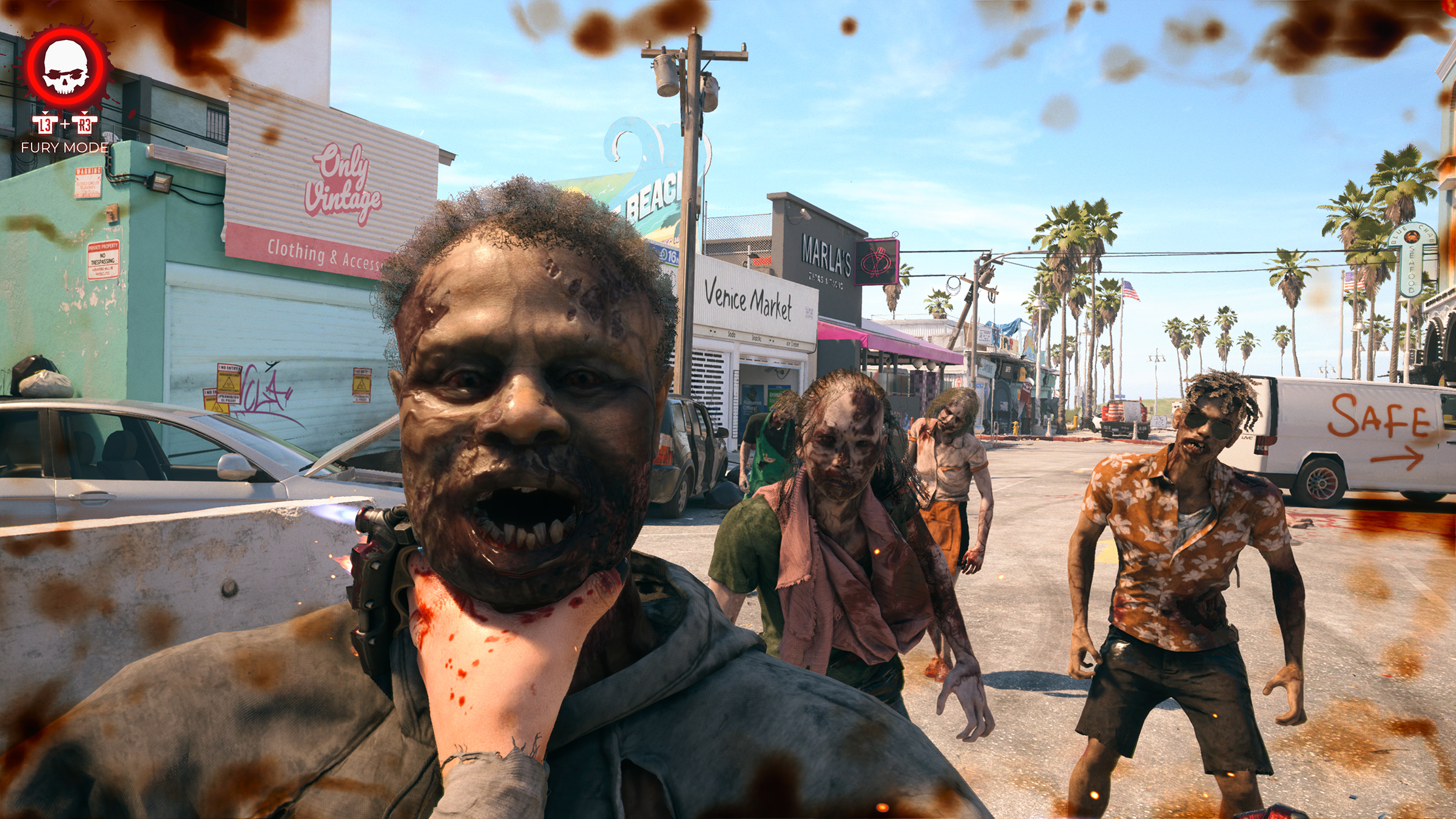
Though the development of Until Dawn had its twists and turns, the road to releasing Dead Island 2 was far more complicated. This sequel cycled through four different development teams: Techland, Yager Development, Sumo Digital, and ultimately, Dambuster Studios. For years leading up to its release, very little information about the game was shared, and the only news that surfaced was often about yet another developer taking the lead. The development process was marked by long periods of silence, repeatedly broken by announcements of changing hands.
When a project faces repeated setbacks over several years without significant improvement, it’s a bad sign. We later learned that Deep Silver gave Yager, the original developer, unrealistic and technically impossible feedback. While details are scarce about Sumo Digital’s attempt, it didn’t meet Deep Silver’s expectations and ultimately just delayed Dead Island 2‘s release even further.
Despite a difficult development process, Dambuster managed to create an excellent zombie game that felt carefully crafted, unlike Duke Nukem Forever, which seemed rushed. The game featured surprisingly witty writing, impressive gore effects, and a detailed world design. Importantly, the developers intentionally focused on creating a high-quality experience rather than adding excessive content.
Dambuster Studios had previously taken over a troubled project, but it didn’t go well. After Deep Silver moved Homefront: The Revolution to Dambuster following issues at Crytek, the game received harsh criticism and a low average score of 48. It appeared history might repeat itself, but surprisingly, Dambuster managed to create a sequel that avoided the problems that plagued the first game for almost ten years. The studio is now working on Dead Island 3, which is expected to be a much smoother development process.
What do you think? Leave a comment below and join the conversation now in the ComicBook Forum!
https://comicbook.com/gaming/feature/silent-hill-f-new-game-plus-played-more-than-once/embed/#
Read More
- The Super Mario Galaxy Movie: 50 Easter Eggs, References & Major Cameos Explained
- All 13 Smash Bros. Characters in the Super Mario Galaxy Movie
- 10 Best Free Games on Steam in 2026, Ranked
- Highly Anticipated Strategy RPG Finally Sets Release Date (And It’s Soon)
- Dune 3 Gets the Huge Update Fans Have Been Waiting For
- Welcome to Demon School! Iruma-kun season 4 release schedule: When are new episodes on Crunchyroll?
- Sydney Sweeney’s The Housemaid 2 Sets Streaming Release Date
- Control Resonant’s Hiss and Mold Are “Way More Complex” Than Before (and More Aggressive)
- Why is Tech Jacket gender-swapped in Invincible season 4 and who voices her?
- TV legend Carol Kirkwood reveals the reasons why she decided to retire after 28 years with BBC
2026-03-17 16:14