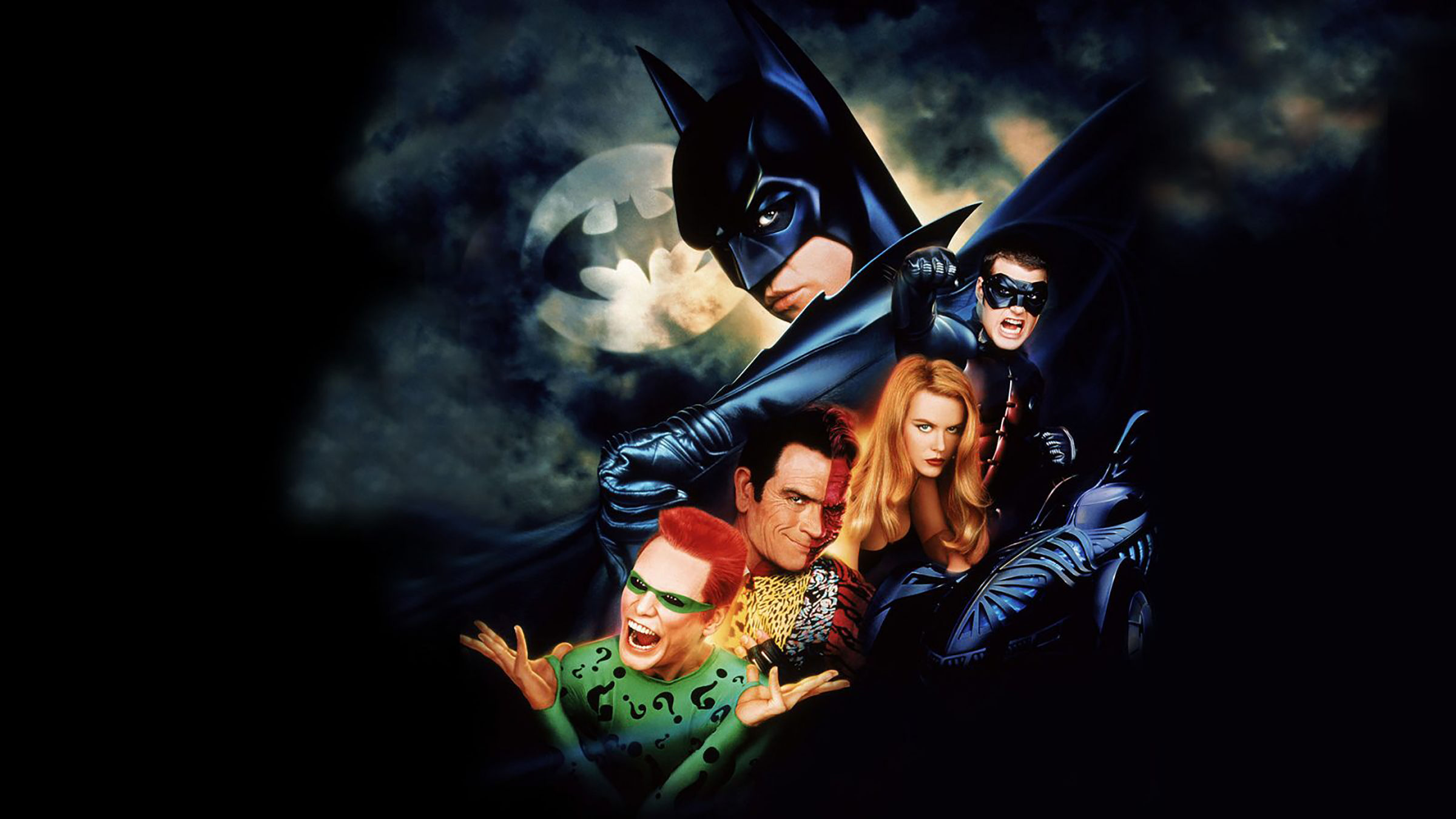
The 1990s saw quite a shift in Batman films. Tim Burton’s initial *Batman* movie was groundbreaking for comic book adaptations and launched a successful series that lasted almost ten years. However, after *Batman Returns* in 1992, Burton departed, and Joel Schumacher took over with *Batman Forever* and *Batman & Robin*. These later films weren’t well-received – in fact, they were heavily criticized. Schumacher’s approach was very different from Burton’s, injecting a more playful and over-the-top style into what had begun as a much darker series. Both audiences and critics reacted negatively to these changes.
Thirty years after its release, many of the original criticisms of Joel Schumacher’s *Batman Forever* and *Batman & Robin* don’t seem as valid anymore. Over time, people have revisited these films and now view them differently. It turns out some movies are better than we initially thought, and here are three common complaints about Schumacher’s Batman films that haven’t stood the test of time.
3) Schumacher’s Batman Movies Are Too Campy (And Not Nearly Dark Enough)
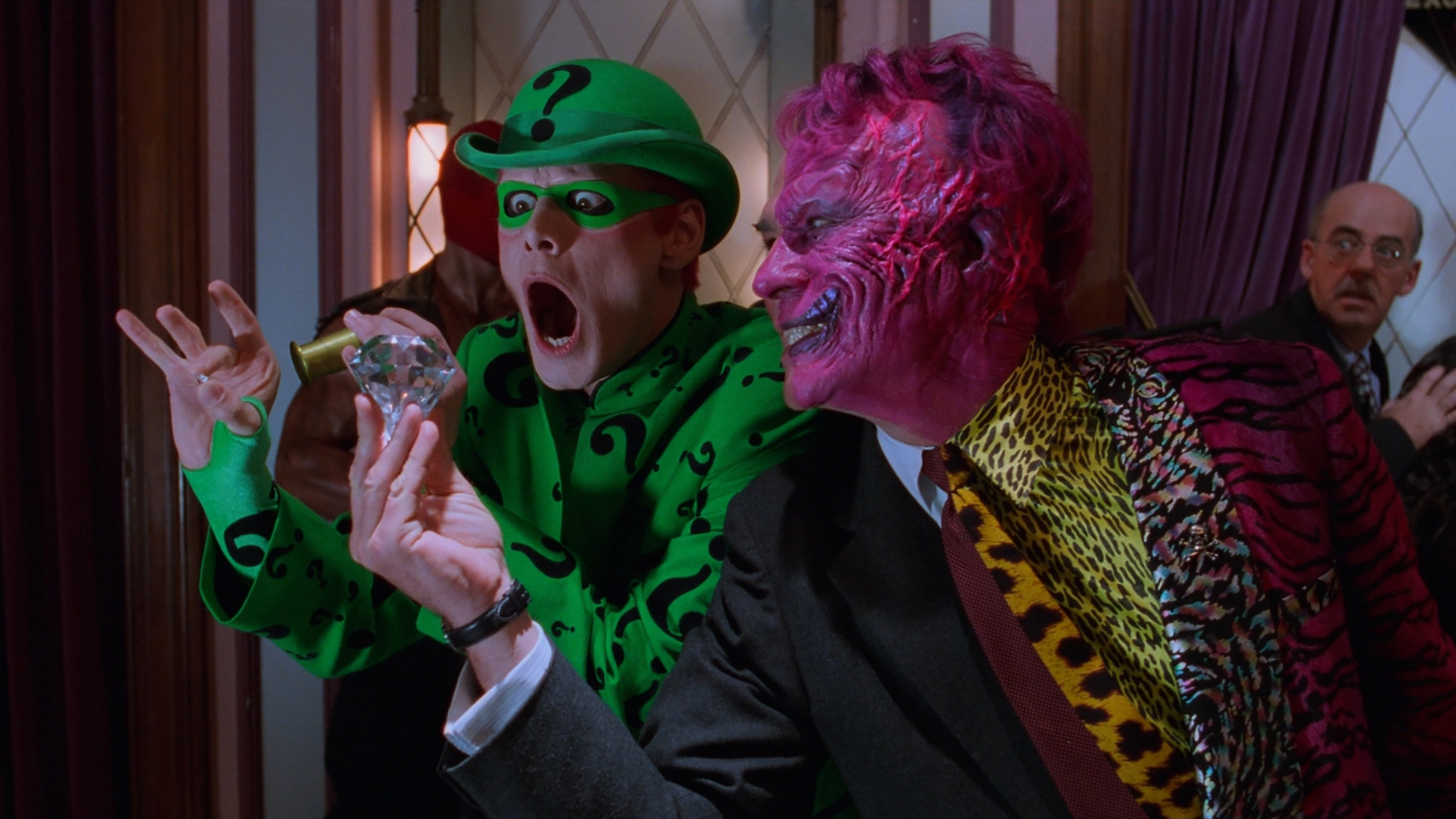
When *Batman Forever* came out, it wasn’t well-received by critics or audiences. While previous *Batman* films directed by Tim Burton were criticized for being too dark, *Batman Forever* was criticized for going too far in the opposite direction. Many found it overly silly and cartoonish, feeling it was too lighthearted, bright, and colorful compared to the earlier movies. Audiences had grown accustomed to a serious portrayal of Batman, and that expectation largely continues with live-action Batman films even today.
Looking back at *Batman Forever* and *Batman & Robin* today, the criticism they originally received doesn’t quite hold up. Joel Schumacher was actually very familiar with Batman comics, and his films drew heavily from the colorful, campy style of the Dick Sprang era comics and the 1960s television show. This made the movies brighter and more playful, which was actually closer to how Batman was portrayed *before* Frank Miller’s darker “The Dark Knight Returns.” Modern viewers now recognize these influences as a deliberate nod to the source material, adding to their enjoyment of the films.
2) Val Kilmer Was a Bad Batman
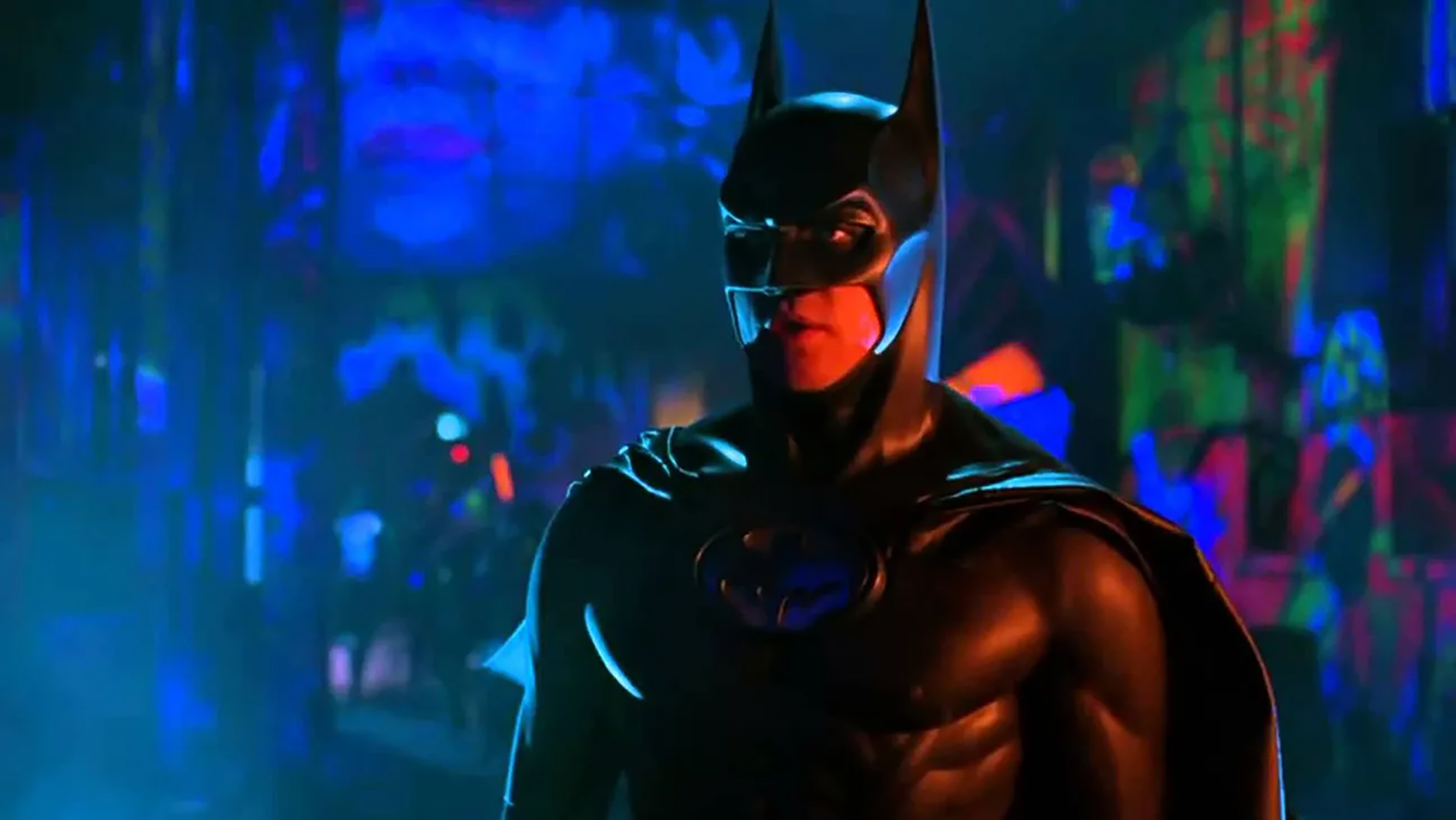
Taking on the role of Batman after Michael Keaton was a tough challenge for any actor, and Val Kilmer faced particularly harsh comparisons. Many viewers didn’t think Kilmer did a good job as Batman, or simply found his performance unremarkable, similar to how a lot of people disliked *Batman Forever* for being overly silly.
Over time, audiences are starting to appreciate Val Kilmer’s performance as Batman, recognizing it as one of the most thoughtful and layered live-action portrayals ever. While *Batman Forever* is known for its over-the-top style, it also delves into the psychological pain that defines Bruce Wayne and his alter ego. The film particularly focuses on Bruce’s struggle to balance a normal life with his duty as Batman, and Kilmer brilliantly captures this internal conflict. He humanized Bruce Wayne in a way that felt fresh then, and still stands out today, making his Batman a truly compelling and complex character. Many now consider Kilmer’s Batman to be among the very best, and we couldn’t agree more.
1) Schumacher Didn’t Understand Batman

Many viewers found Joel Schumacher’s Batman films to be overly silly and criticized Val Kilmer’s performance as Batman. These issues, however, stemmed from a bigger problem: Schumacher seemed to misunderstand the core of Batman and the dark, complex world he lives in. Critics felt the movies had too many villains, who were portrayed as ridiculous and over-the-top. They also felt the films were filled with unnecessary gadgets and costumes. At the time, many believed this was a calculated move to sell merchandise, and further evidence that Schumacher didn’t understand the character or the source material.
You know, at first a lot of us fans didn’t get Joel Schumacher’s take on Batman. But looking back, it’s become clear he *really* understood the comics and the character’s history. He pulled a lot of inspiration from the Golden Age Batman stories, particularly the work of Dick Sprang. Sprang was a huge influence – he even redesigned the Batmobile back in the 50s! That era was all about fun gadgets, wild costumes, and colorful villains like the Riddler, and Schumacher embraced that. It shows he knew Batman wasn’t *always* the dark and brooding figure we often see. When you watch his bright, campy movies alongside Tim Burton’s darker ones, it actually feels more complete – like you’re getting the whole picture of Batman and his world. Honestly, we don’t see that kind of range often enough in live-action adaptations, and that’s why Schumacher’s films are getting so much more appreciation now. He wasn’t afraid to have fun with it, and it really works!
What do you think? Leave a comment below and join the conversation now in the ComicBook Forum!
Read More
- Gold Rate Forecast
- 22 actors who were almost James Bond – and why they missed out on playing 007
- Every Creepy Clown in American Horror Story Ranked
- Hazbin Hotel Secretly Suggests Vox Helped Create One of the Most Infamous Cults in History
- Everything We Know About Gen V Season 3 (& Why It’ll Be a Very Different Show)
- Jason Statham’s Hit Creature Feature Is Heading to Streaming for Free
- Best X-Men Movies (September 2025)
- Blue Protocol Star Resonance: Goblin Lair Dungeon Guide
- As Dougal and friends turn 60, Radio Times explores the magic behind The Magic Roundabout
- Arknights: Endfield – Everything You Need to Know Before You Jump In
2025-10-17 18:11