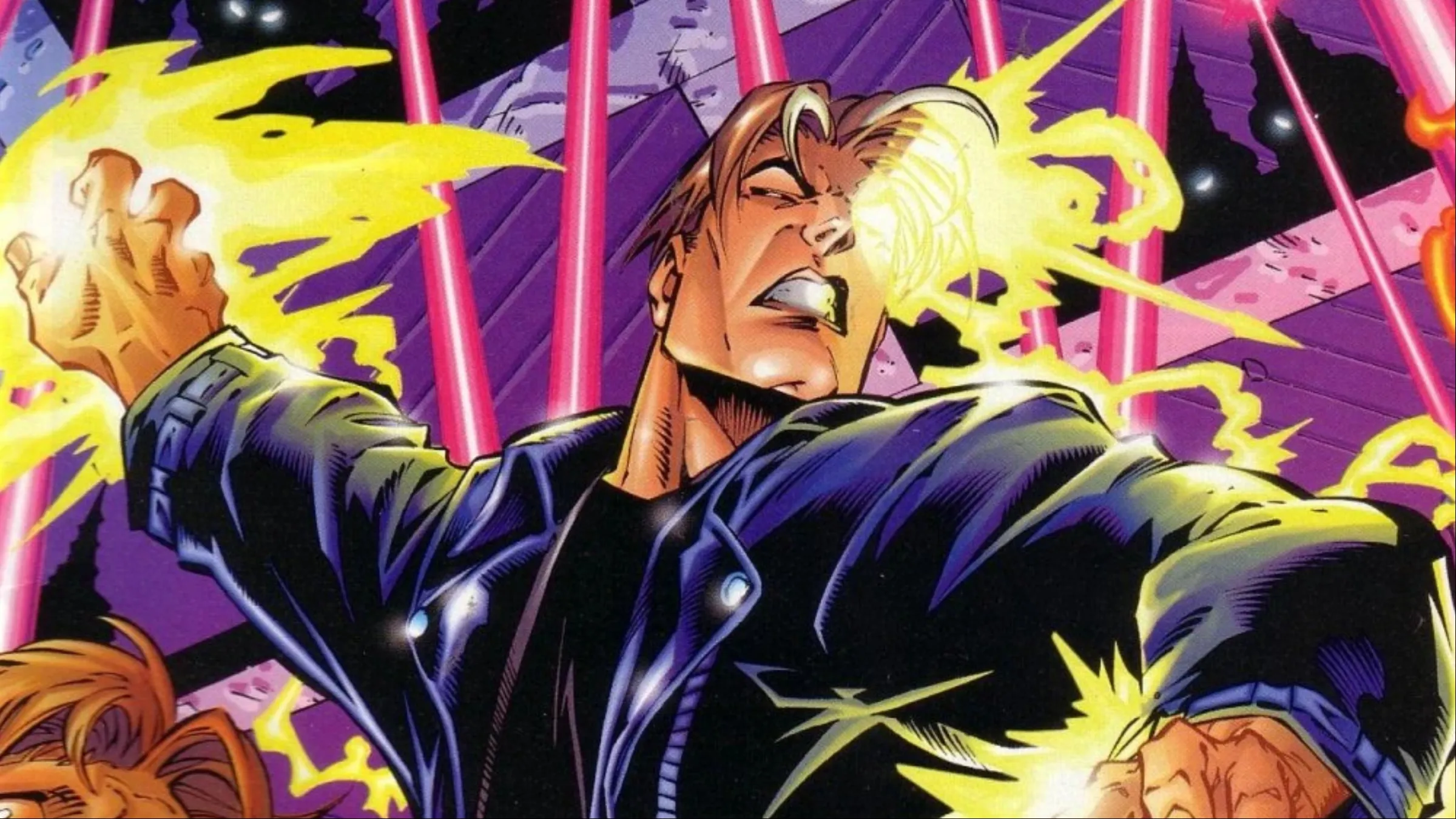
Cable was once a hugely popular mutant character, quickly becoming as well-known as Wolverine after his debut in 1990’s New Mutants #87. He soon starred in his own limited series, Cable: Blood and Metal, in 1992, which was a fast rise to prominence. While Cable wasn’t always a hit, it was frequently enjoyable and sold well. Like other X-Men comics of the early 1990s, it was impacted by the “Age of Apocalypse” event and was eventually replaced by X-Man. This new series featured a different version of Cable – a young clone named Nate Grey, created from the DNA of Cyclops and Jean Grey by Mister Sinister, and designed as a weapon against Apocalypse.
The “Age of Apocalypse” storyline is highly regarded, and the comic X-Man, created by Jeph Loeb and Steve Skroce, uniquely continued after the main event concluded. The first couple of years were particularly strong, and for just over two years, X-Man was the definitive series featuring Cable. A talented team of artists – including John Ostrander, Terry Kavanagh, Luke Ross, Roger Cruz, Val Semeiks, Alan Davis, Pasqual Ferry, Cary Nord, ChrisCross, Ariel Olivetti, Marc Pajarillo, and J.H. Williams III – consistently delivered excellent work across its 48 issues. While Cable was already a popular antihero, X-Man explored fresh perspectives and offered a classic superhero experience that many feel is underappreciated.
X-Man Was Able to Tap into an Early Spider-Man Vibe That Just Worked
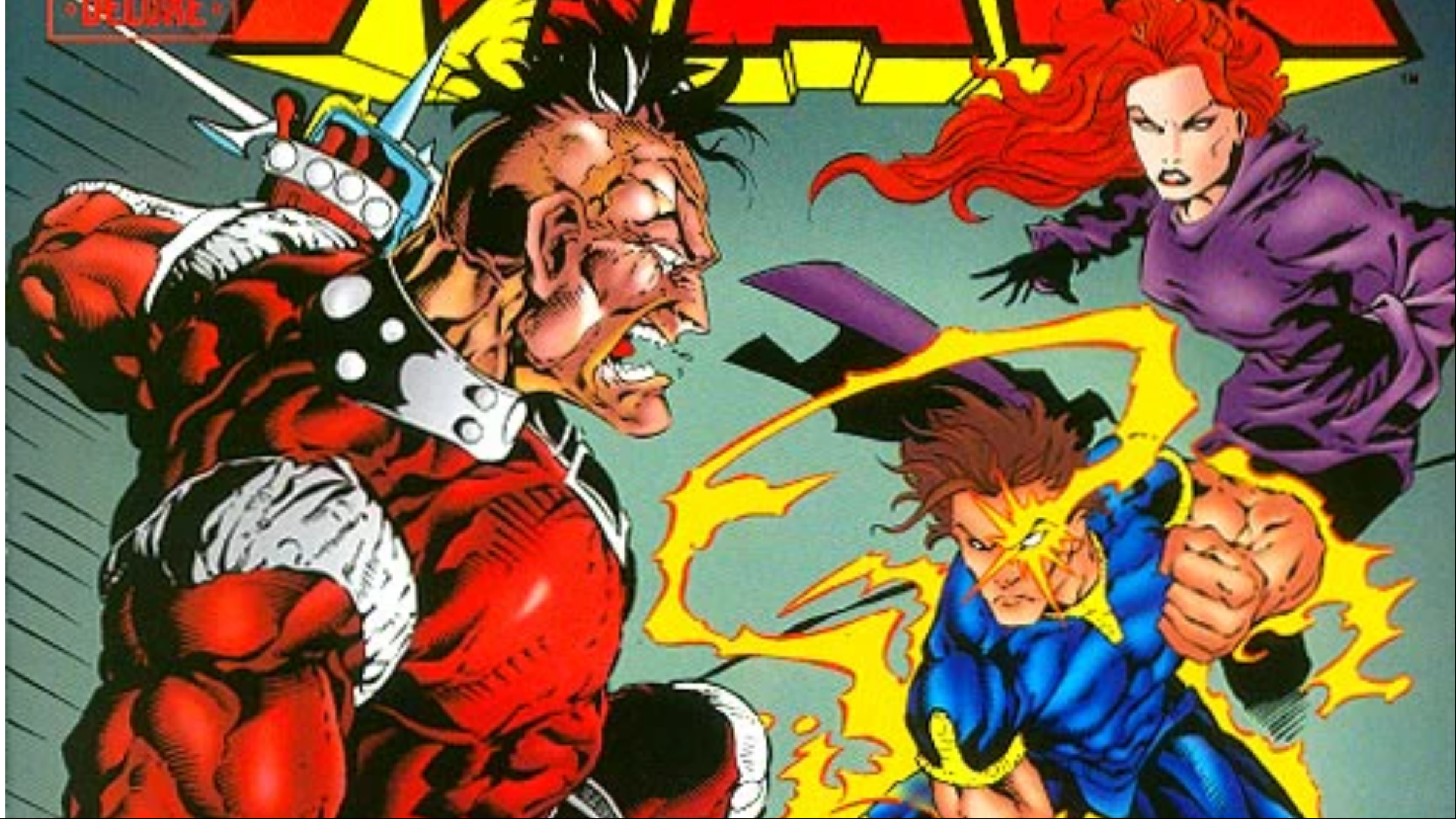
From the very beginning, X-Man offered something fresh compared to Cable, and that’s likely why it became popular. Cable was pretty typical for a comic book in 1994. Loeb was developing Nathan’s backstory, introducing characters like Blaquesmith, and exploring interesting but not groundbreaking ideas. It was a standard 90s antihero comic – decent enough, but not particularly memorable, with the artwork often being stronger than the story. X-Man, on the other hand, was a completely different experience, focusing on a troubled teenager with incredible power who was trying to figure out his place in the world.
After escaping Apocalypse and Sinister, Nate Grey, along with Forge, Toad, Sauron, Mastermind, and Brute, found himself heading towards a confrontation with Apocalypse. In X-Men Omega #1, he was unexpectedly pulled into the main Marvel Universe by the M’Kraan Crystal. Issue #5 showed him struggling to understand what happened and stay alive. The series really gained momentum when writer John Ostrander, known for his work on Suicide Squad, paired Nate with Madelyne Pryor. Together, they caused quite a stir, facing off against powerful enemies like Xavier, Holocaust (his opponent from the Age of Apocalypse), Exodus, and X-Cutioner. Ostrander’s run, lasting from issue 9 to 15 when Terry Kavanagh joined as a co-writer, was excellent and laid the groundwork for the book’s next direction under Kavanagh’s leadership.
I really think the book found its stride when Kavanagh started working with artist Roger Cruz. Having cut his teeth on Spider-Man, Kavanagh smartly shifted the focus to that same kind of young hero finding his way, but with a fresh spin. It was all about Nate, this young guy trying to navigate a new world where everyone was either trying to help him or take advantage of him. After Madelyne left, he got a new sidekick, Threnody, and the two of them basically became the protectors of Washington Square Park. It had just the right mix of teen drama and a little romance, and the New York setting was perfect for throwing all sorts of villains at Nate. It really drew you in! Kavanagh even started building a cool friendship between this hero and Spider-Man, which was a smart move to broaden his appeal beyond just the X-Men universe and really establish him as a major new player.
Spider-Man succeeded because readers connected with him, and Nate, the character in this book, felt similarly relatable thanks to the writer Kavanagh. This connection, combined with the dynamic, anime-influenced artwork by Cruz, was a winning formula. Cruz brilliantly captured Nate’s youth and gave the book a fresh, modern look. While Skroce’s art effectively conveyed the intensity of the larger conflicts, Cruz’s style was a better fit for portraying Nate as a local hero. Furthermore, the variety of artists who contributed over time gave the book a unique visual style, setting it apart from other mutant titles. It was a bit of an oddity – a 90s mutant book aiming for the feel of a classic Marvel teen hero story – but it largely succeeded in that goal.
X-Man Blew Cable Out of the Water
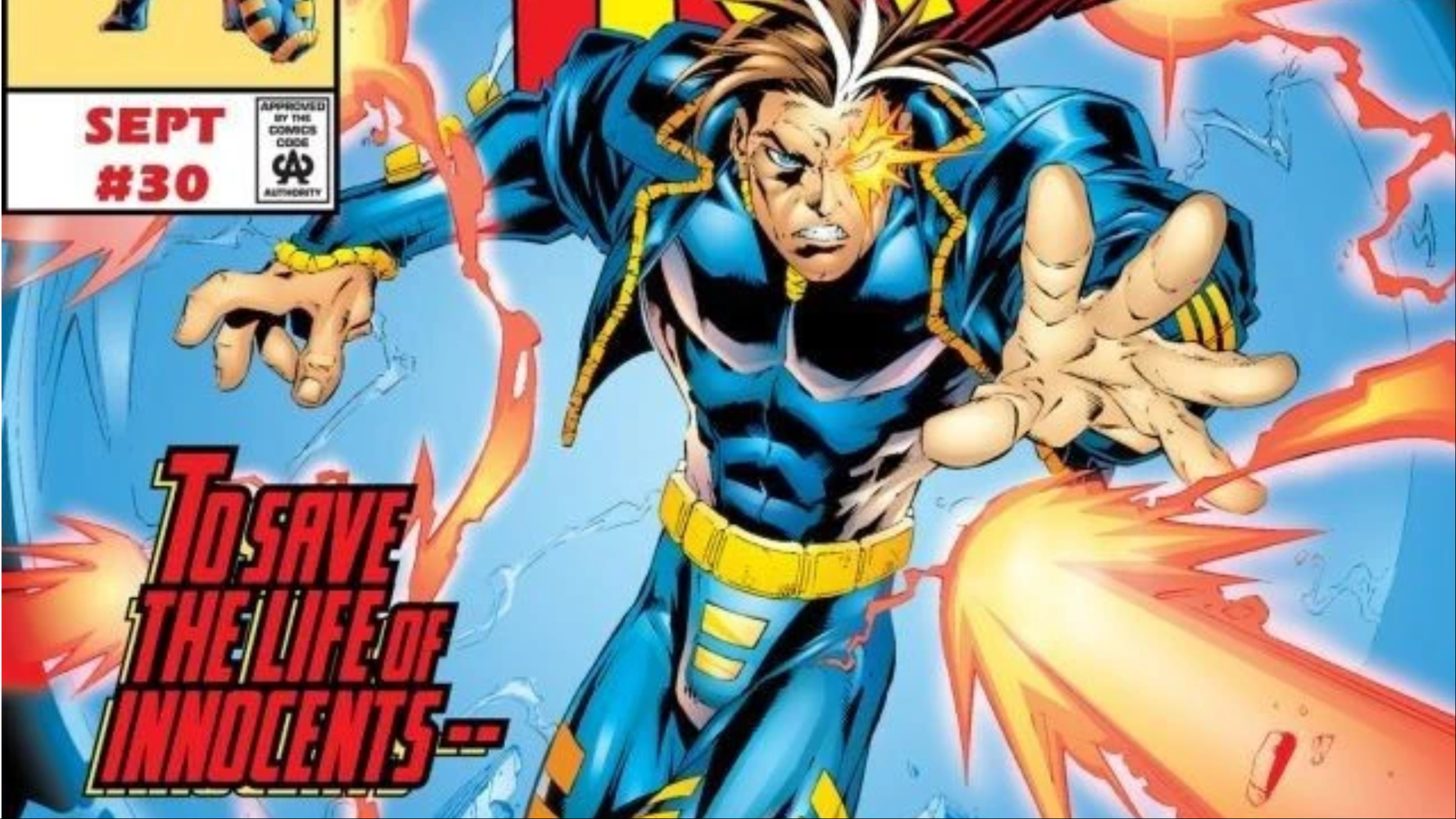
The Cable comic series was mildly engaging, but it largely relied on its existing popularity to continue. However, the X-Man series reimagined the character, taking him in a bold new direction that Cable couldn’t have explored. Nate Grey, as X-Man, was distinct from Nathan Summers, and this allowed writers to keep the series fresh and compelling for four years.
The mid-to-late 1990s run of X-Man took a page from classic Silver Age Marvel comics. It introduced a new hero in New York City and featured a variety of villains, deliberately linking him with Spider-Man. Writer Kavanagh, who penned the series for a longer period than his predecessors, drew inspiration from 1970s Spider-Man comics to create a unique mutant book unlike anything else available at the time. The first 48 issues of X-Man (Vol. 1) are definitely worth reading – it’s considered the best portrayal of Cable and a standout title from late ’90s Marvel.
Read More
- The Super Mario Galaxy Movie: 50 Easter Eggs, References & Major Cameos Explained
- Surprise Isekai Anime Confirms Season 2 With New Crunchyroll Streaming Release
- 10 Best Free Games on Steam in 2026, Ranked
- Preview: Sword Art Online Returns to PS5 as a Darker Open World Action RPG This Summer
- Skate 4 – Manny Go Round Goals Guide | All of the Above Sequence
- The Punisher: One Last Kill Trailer Review: MCU Special Could Be a Game Changer
- The Super Mario Galaxy Movie Is An Amusing Sequel (And an Improvement) [Review]
- Why is Tech Jacket gender-swapped in Invincible season 4 and who voices her?
- All 13 Smash Bros. Characters in the Super Mario Galaxy Movie
- Best coins for today
2025-12-28 02:40