
James Bond rapidly became a cultural icon. Ian Fleming began publishing Bond novels almost yearly starting in the 1950s, and the character’s popularity quickly led to a film series. Sean Connery first played Bond in 1962’s Dr. No, and his success led to five more films over the next decade (plus one film featuring George Lazenby in the role). The series found renewed energy when Roger Moore took over in the 1970s, though some problems with the formula began to emerge around that time.
Roger Moore’s time as James Bond had some great moments, but also periods where the films seemed to be trying too hard to follow trends instead of staying true to the Bond formula. Live and Let Die attempted to capture the style of blaxploitation films, and Moonraker tried to capitalize on the Star Wars phenomenon, though it was a difficult fit for a grounded spy series. By the time Timothy Dalton took over in the 1980s, the series felt creatively drained. Fortunately, a fresh start arrived with Pierce Brosnan and his debut film, GoldenEye, which revitalized the character and appealed to audiences.
31 Years Ago, Filming Began on GoldenEye
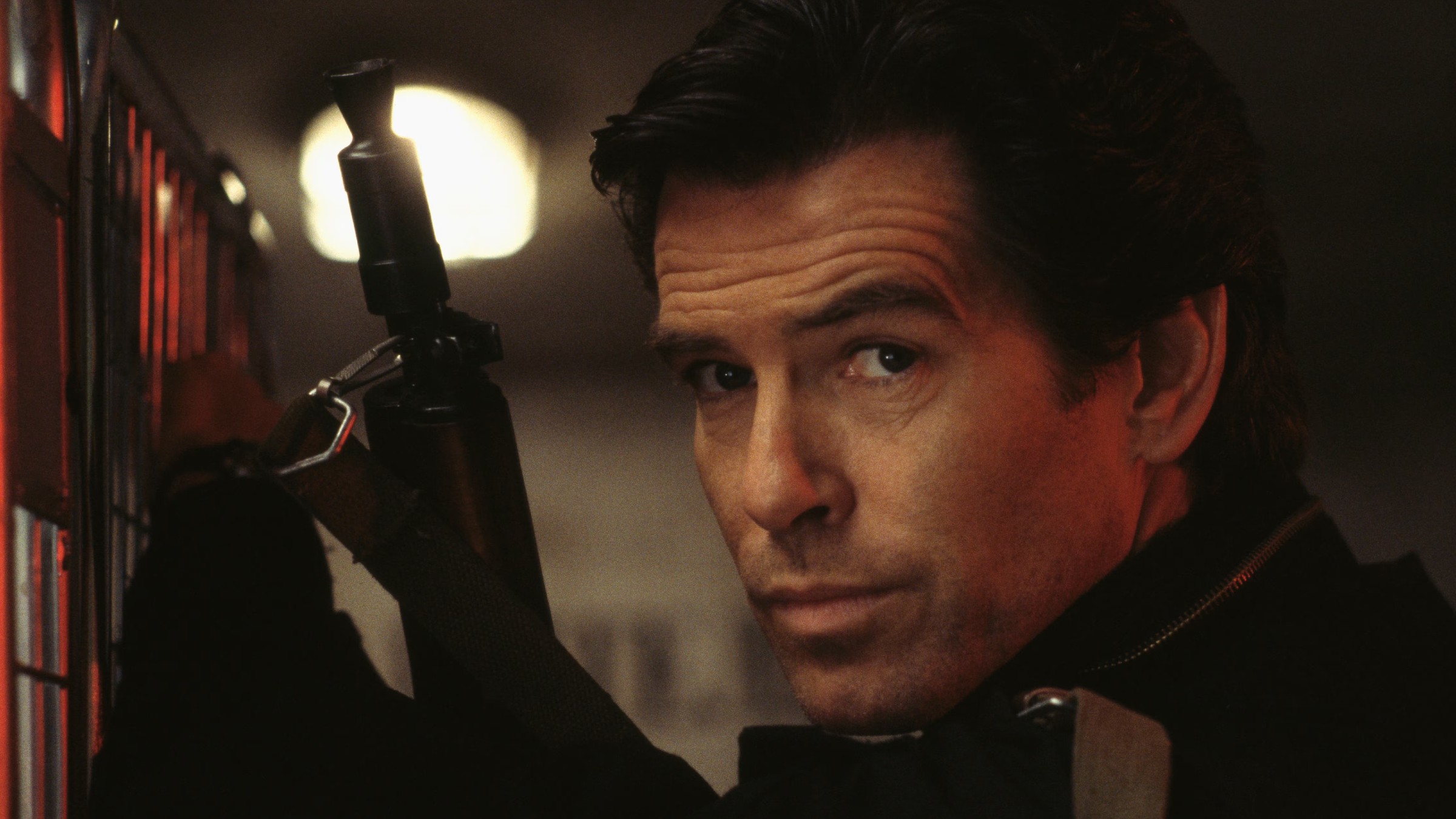
Following Licence to Kill, the last Bond film starring Timothy Dalton, the future of the series looked uncertain. Box office numbers were declining, and a change was needed to keep the films popular and move forward. That’s when Pierce Brosnan stepped in – he’d actually been considered for the role nine years earlier, but couldn’t take it due to his commitment to the TV show Remington Steele. Finally able to take on the part, Brosnan brought a fresh face to the iconic role, complete with a tuxedo, Walther PPK, and a BMW. Filming began on GoldenEye, his first Bond movie, on January 16, 1995 – exactly 31 years ago today.
Beyond what audiences saw on screen, two significant behind-the-scenes changes marked the beginning of a new direction for James Bond with GoldenEye. Veteran producer Albert “Cubby” Broccoli was facing health challenges and took a less active role, with his daughter, Barbara Broccoli, and stepson, Michael G. Wilson, taking over as producers. They continued in those roles through No Time to Die and have since sold the franchise to MGM. This shift in leadership brought a fresh, modern perspective to the series, moving it away from the Cold War themes that had been central to Bond for so long.
One of the biggest shifts with GoldenEye was behind the camera. After directing five previous Bond films, John Glen wasn’t asked to return, and that turned out to be a great thing. They brought in Martin Campbell, and you could immediately feel a fresh energy in the action – he clearly wanted to do something different with the Bond formula. It’s amazing to think that production actually started 31 years ago today, and just ten months later, we were seeing it in theaters on November 13, 1995. They filmed all over – the UK, Switzerland, St. Petersburg, Monte Carlo, and Puerto Rico – wrapping up in just six months. That’s a remarkably quick turnaround for a film of this scale. And audiences clearly loved it! GoldenEye became the highest-grossing Bond film ever at the time, and it really revitalized the franchise.
GoldenEye Made Bond Relevant Again By Making Him Modern
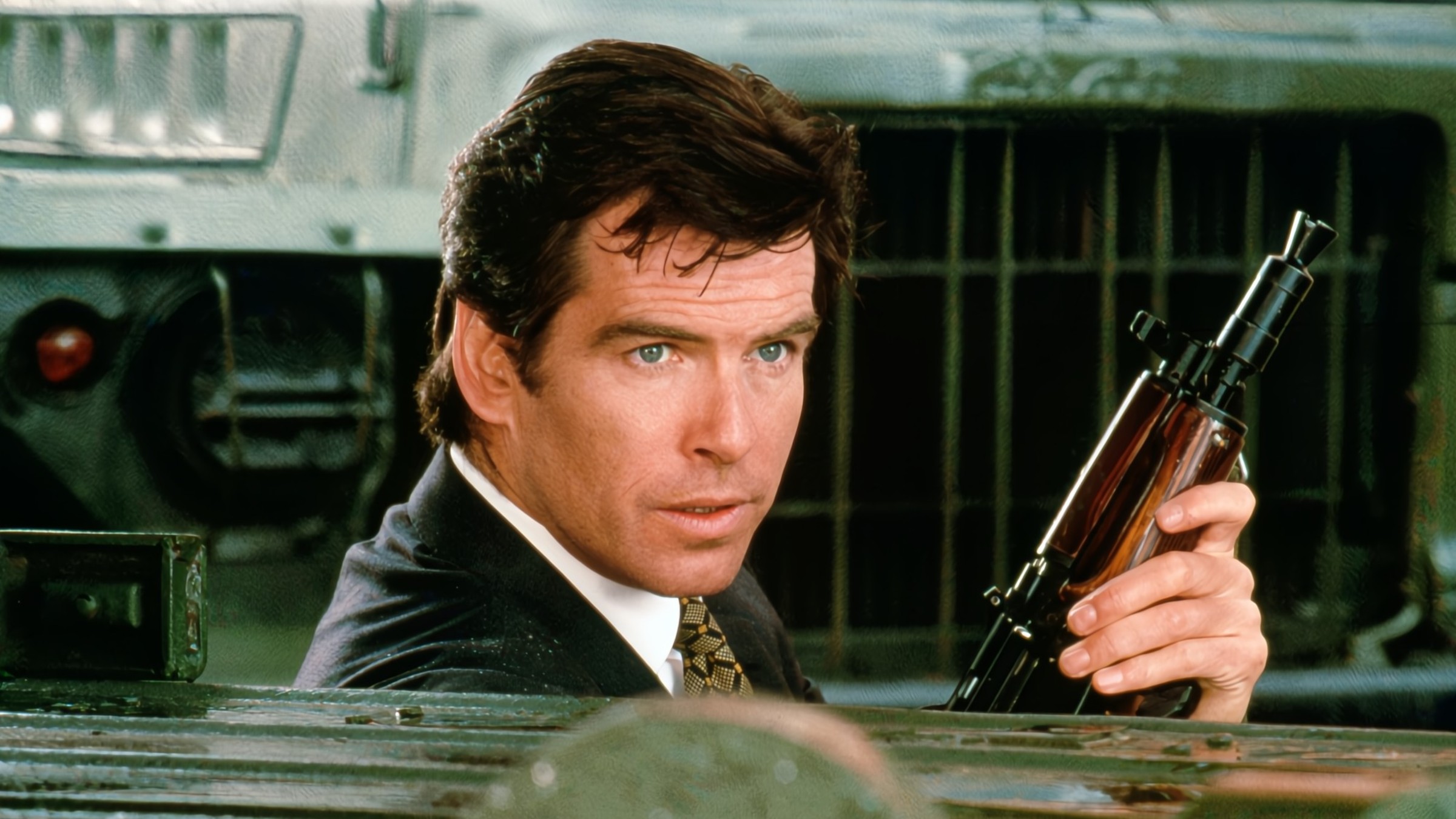
With GoldenEye, Pierce Brosnan didn’t just become the new face of James Bond – he reinvented the character. He moved away from the silliness of Roger Moore’s Bond and the serious, reserved approach of Timothy Dalton, bringing a playful energy while also making Bond more relatable and human. This set the stage for Brosnan’s successful run as the spy and, ultimately, paved the way for Daniel Craig, who took that more complex, human portrayal even further, proving to be a huge success for the Bond franchise both with critics and at the box office.
With the release of GoldenEye, the James Bond franchise signaled a clear break from its past. The film tackled a new storyline set after the fall of the Soviet Union and playfully referenced Bond’s history. A significant casting decision was Dame Judy Dench as M, a role traditionally played by a man, and she continued in the part through Skyfall (2012). The film didn’t just change the gender of M; in her first scene, she directly confronted Bond about his history of mistreating women, even calling him a “sexist, misogynist dinosaur.” While Bond continued his familiar behavior, this moment showed the series was willing to acknowledge its own tropes and modernize the character—a trend that continued throughout Daniel Craig’s tenure as Bond.
The James Bond series is entering a period of reinvention, with a new director, Denis Villeneuve, and a new actor stepping into the iconic role. The filmmakers, producers Amy Pascal and David Heyman, and the new Bond himself could all benefit from studying GoldenEye. The key lesson? Be open to innovation and updating the character for a modern audience, while still preserving the core qualities that define James Bond. Bond has consistently remained popular across different eras, as long as his essential character traits are maintained. As the future of the franchise is uncertain, it’s helpful to remember a time when the series faced similar questions and ultimately achieved even greater success.
https://comicbook.com/movies/news/best-james-bond-007-action-scenes-daniel-craig-skyfall/embed/#
Read More
- The Super Mario Galaxy Movie: 50 Easter Eggs, References & Major Cameos Explained
- 10 Best Free Games on Steam in 2026, Ranked
- Sydney Sweeney’s The Housemaid 2 Sets Streaming Release Date
- Skate 4 – Manny Go Round Goals Guide | All of the Above Sequence
- Welcome to Demon School! Iruma-kun season 4 release schedule: When are new episodes on Crunchyroll?
- Why is Tech Jacket gender-swapped in Invincible season 4 and who voices her?
- Overwatch 2 G.I. Joe Crossover Launches July 1: Join the Battle Between Heroes and Villains
- Best coins for today
- Forza Horizon 6 ‘Prologue’ gameplay
- 10 Best Supporting Actress Oscar Wins That Are Indisputable
2026-01-16 20:40