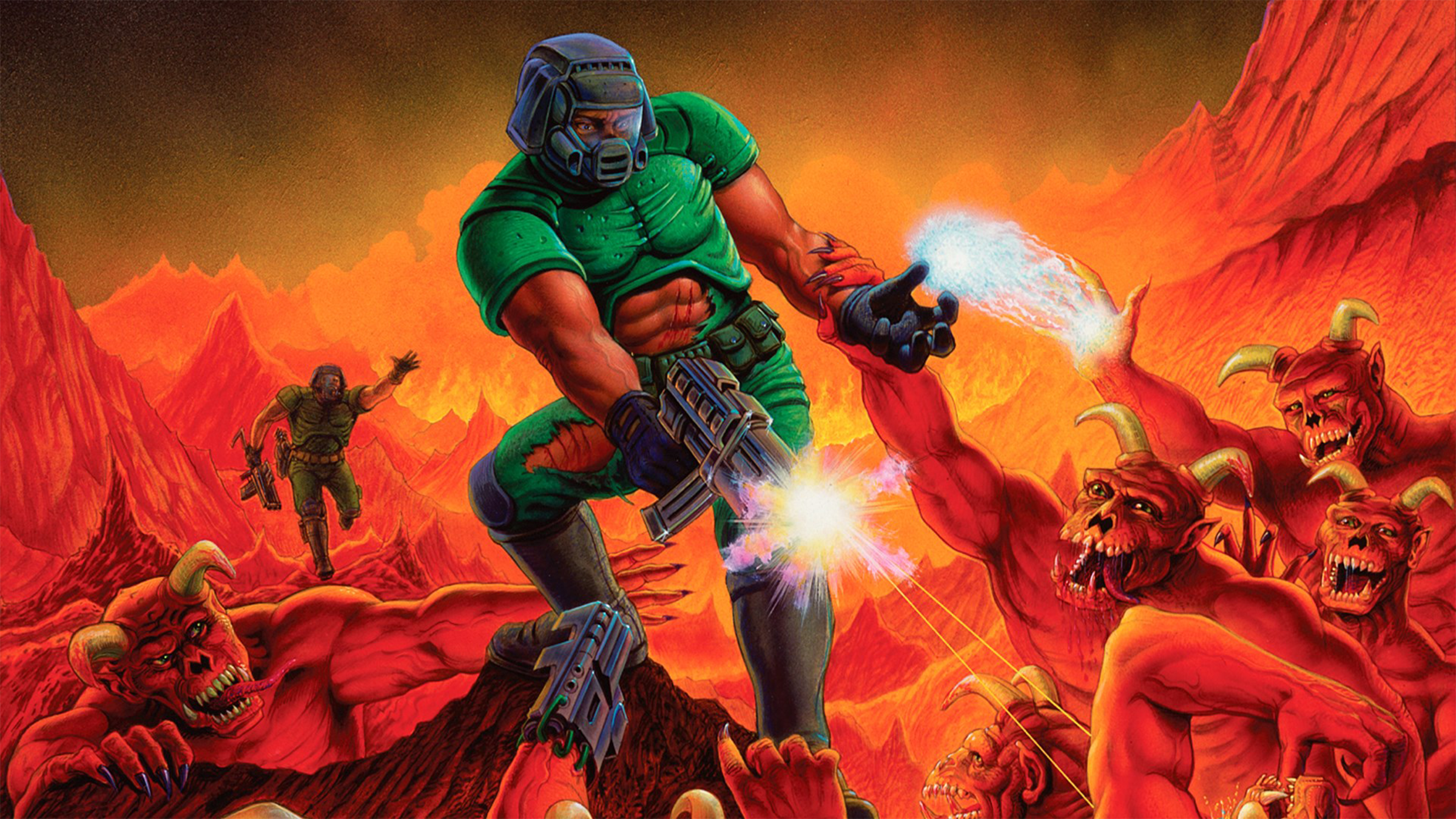
On December 10, 1993, a small team at id Software released a game called Doom for MS-DOS, and it quickly became a cultural phenomenon. While not the very first first-person shooter, Doom revolutionized the genre, setting a new standard for games of its type and inspiring countless others. It launched a long-running franchise, established many of the conventions we still see in first-person shooters today, and has been released on virtually every platform imaginable.
Man, if you were gaming back in ’93 when Doom dropped, you knew it was something special. Seriously, never had I faced so many undead monsters, crazy mutants, and just straight-up demons! It wasn’t like anything else at the time. What really blew my mind was how it looked – it used clever 2D tricks to feel like a real 3D world, which people started calling ‘2.5D’ later on. It wasn’t id Software’s first attempt at this kind of thing, though. They’d already made Wolfenstein 3D, which was a pretty groundbreaking early first-person shooter – everyone called it the ‘grandfather of FPS’ – but Doom just took everything to a whole new level.
Doom Interwove Violent Imagery and Storytelling Into Art
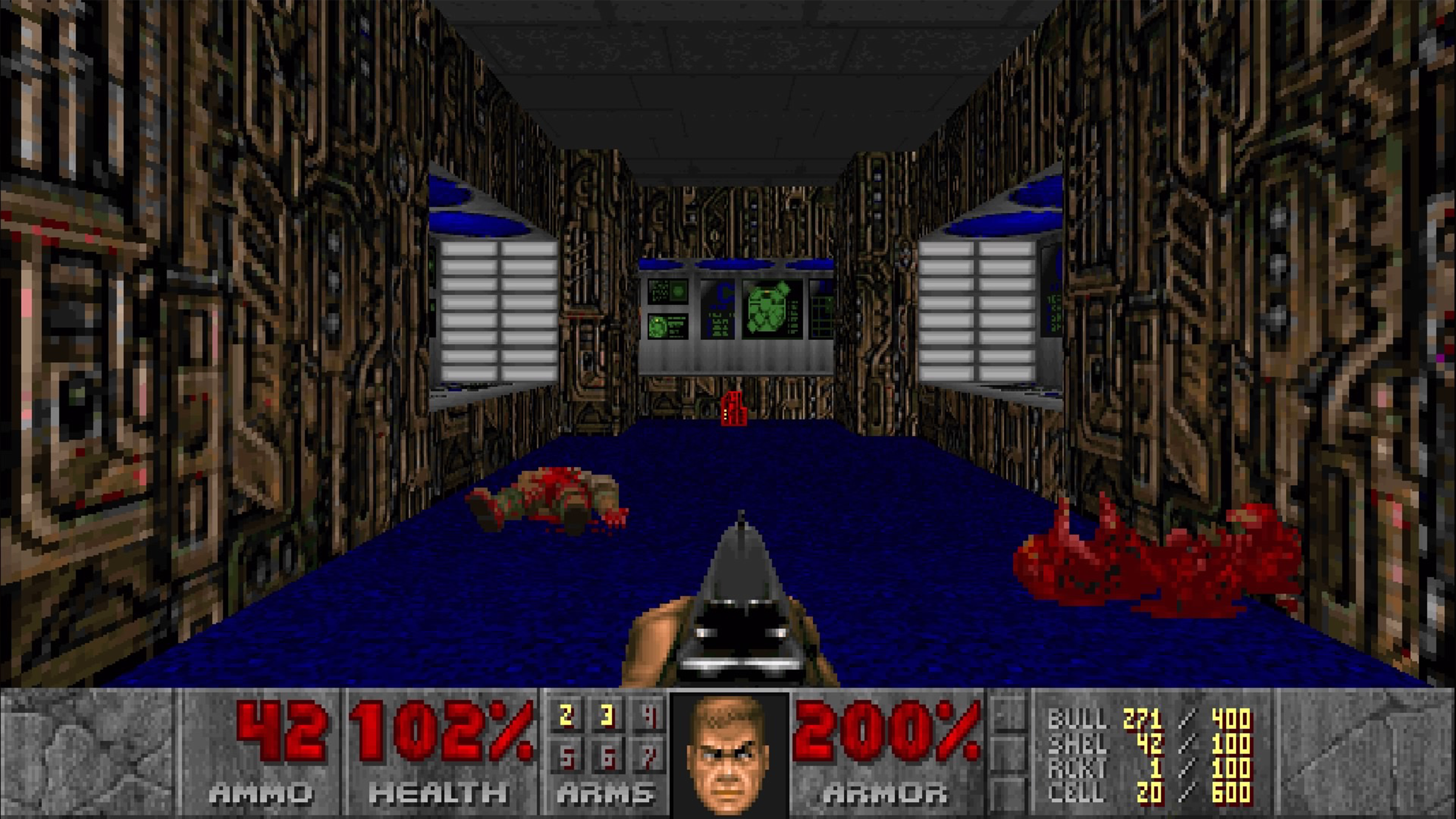
Early first-person shooters like Wolfenstein 3D used simple, blocky environments. However, players quickly discovered they could modify the game’s files, showing it had hidden potential. The developers took note and created the Doom engine, which allowed for much more complex and varied level design with angled floors and walls. It also improved lighting, making distant objects appear darker – a groundbreaking feature at the time. These advancements combined to create a faster-paced and more action-packed experience.
While not shocking by today’s standards, the game’s violence was a major talking point, with players enjoying it and many parents objecting. Doom fully utilized the technology of the time, showing a lot of blood and gore without holding back. This sparked concern from parent groups, who often claimed—incorrectly, as time has shown—that violent video games lead to real-world violence. When Doom was released on the Sega 32X, it was one of the first games to receive a Mature 17+ rating due to its graphic content, and the series continued to push boundaries as it grew.
Following the Columbine High School shooting in 1999, the media focused on the fact that the shooters were fans of the video game Doom, leading to renewed criticism of the game. Ironically, this coverage actually increased public interest, a phenomenon often seen with censorship. Sales soared, and many more people obtained copies through unofficial means, further solidifying Doom’s place in popular culture. Since its 1993 debut, Doom has sold around 3.5 million copies.
Doom Changed Video Games for Good
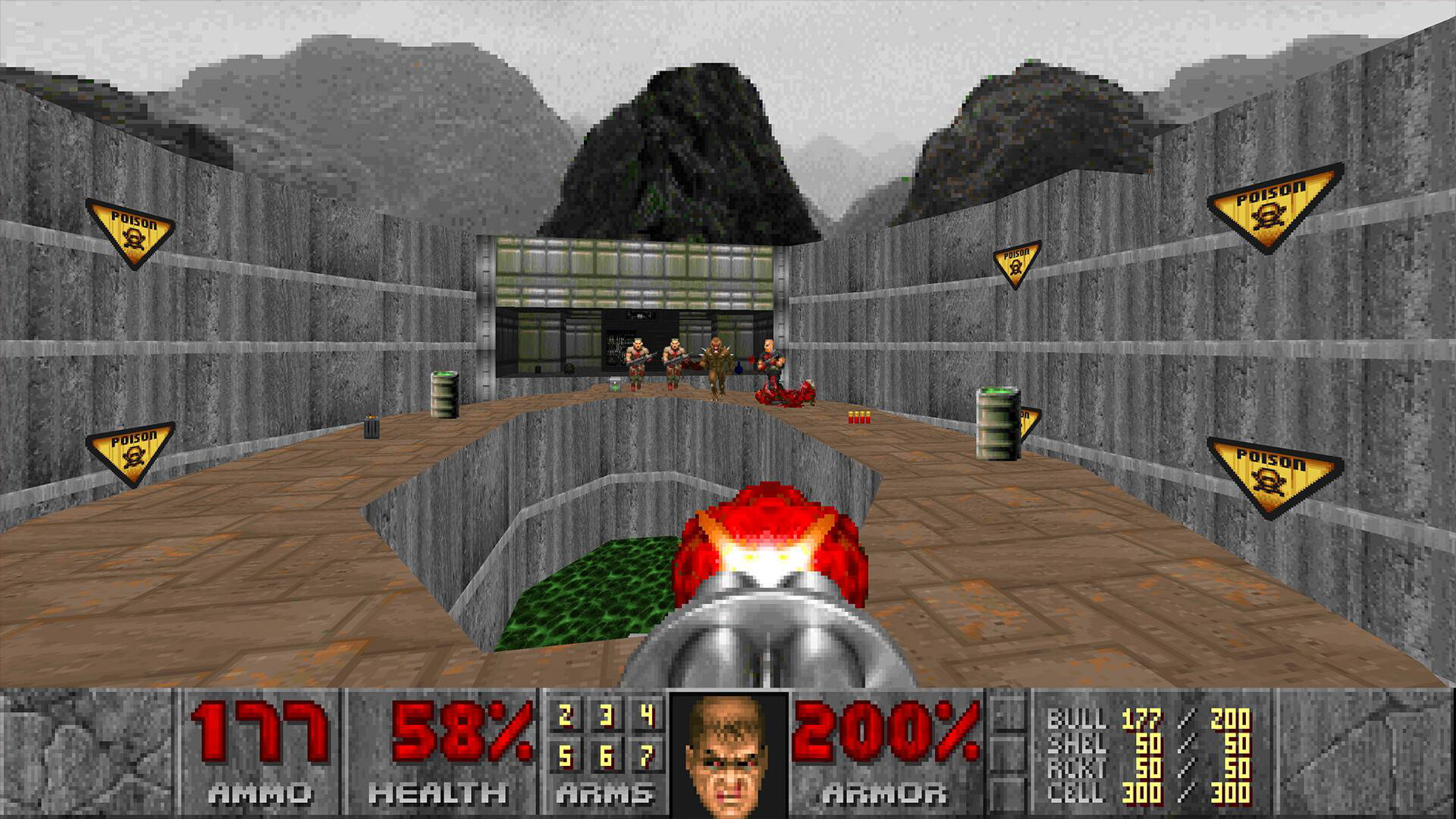
Regardless of your familiarity with Doom, it’s a game almost everyone has heard of. It’s incredibly influential, especially within the first-person shooter (FPS) genre. Every Call of Duty game, and nearly every FPS created since 1993, owes a debt to Doom‘s success. It pioneered many features we now expect, like a variety of weapons and secret areas. Even though it’s an older game, it’s still enjoyable to play and remains a significant piece of video game history. People continue to find creative ways to play it – from baby monitors to ATMs – which speaks to its enduring appeal. Doom’s legacy is secure, placing it among the most iconic games of all time, alongside classics like Pong, Pac-Man, Super Mario Bros., Grand Theft Auto, Final Fantasy VII, and Skyrim.
Have you ever played the classic game Doom? Share your thoughts in the comments below and join the discussion on the ComicBook Forum!
Read More
- 4 TV Shows To Watch While You Wait for Wednesday Season 3
- Gold Rate Forecast
- Best X-Men Movies (September 2025)
- PlayStation Plus Game Catalog and Classics Catalog lineup for July 2025 announced
- 10 Most Memorable Batman Covers
- All 6 Takopi’s Original Sin Episodes, Ranked
- 40 Inspiring Optimus Prime Quotes
- 10 Best Buffy the Vampire Slayer Characters Ranked
- Every Creepy Clown in American Horror Story Ranked
- The 10 Best Episodes Of Star Trek: Enterprise
2025-12-11 02:41