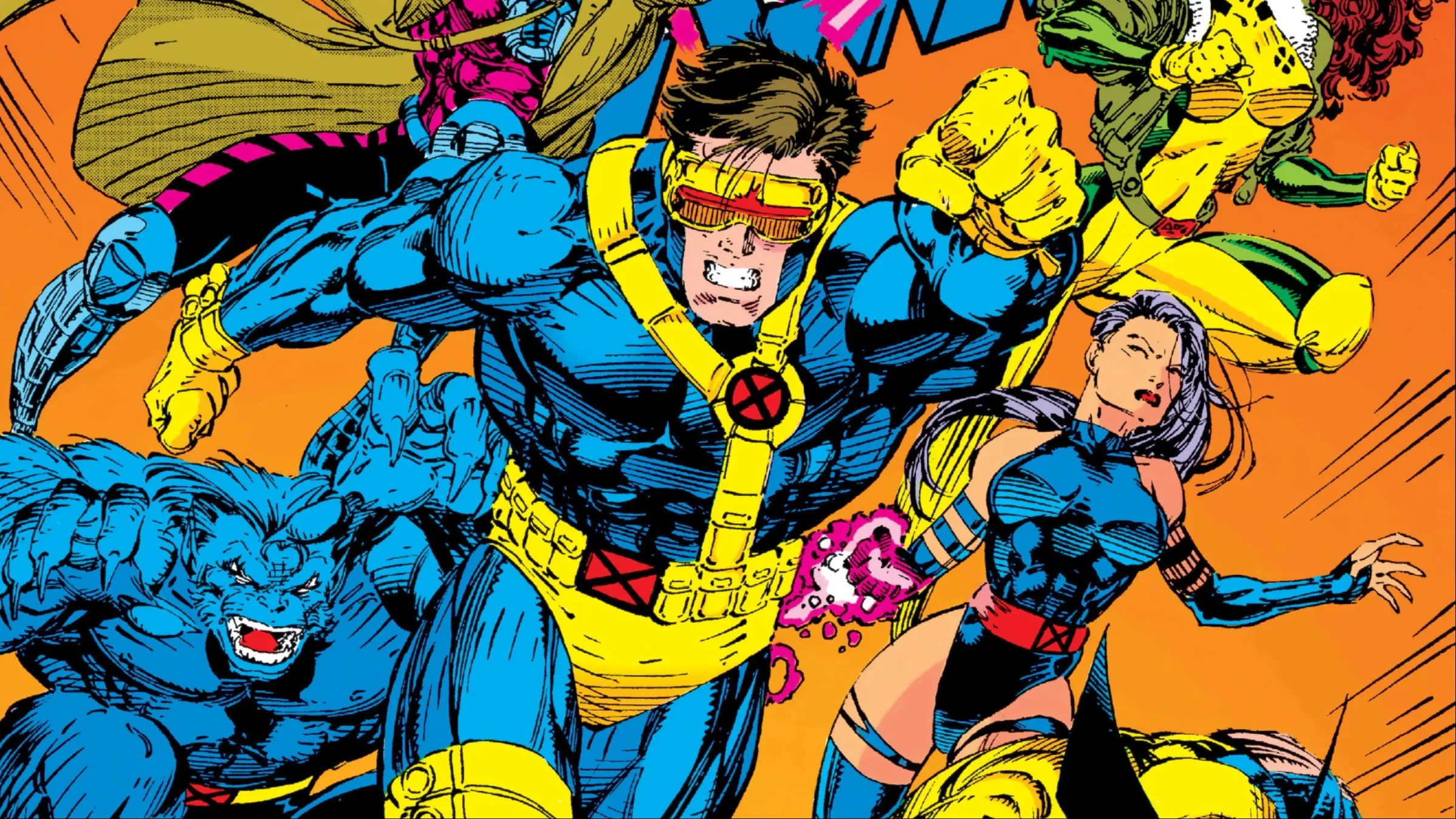
Superhero comics, particularly those from Marvel, are constantly being relaunched with new stories and creative teams. While offering fresh starting points for readers seems logical, these reboots haven’t always worked well. In fact, Marvel’s attempts at this have become less effective over time, and the current X-Men comics are a prime example – the 2024 relaunch hasn’t performed as hoped. This is especially noticeable considering the X-Men had one of the most successful and beloved reboots of all time 35 years ago.
In 1991, Marvel replaced the longtime writers of the Uncanny X-Men and X-Factor/New Mutants – Chris Claremont and Louise Simonson – with a new creative team. The result was a hugely successful relaunch that captivated a whole new generation of fans. Perfectly timed, this reboot propelled the X-Men to the forefront of the comic book world. Though not without its flaws, the first year of this new direction fundamentally changed comic book history.
The ’91 X-Men Reboot Is Everything You Could Want from A Reboot
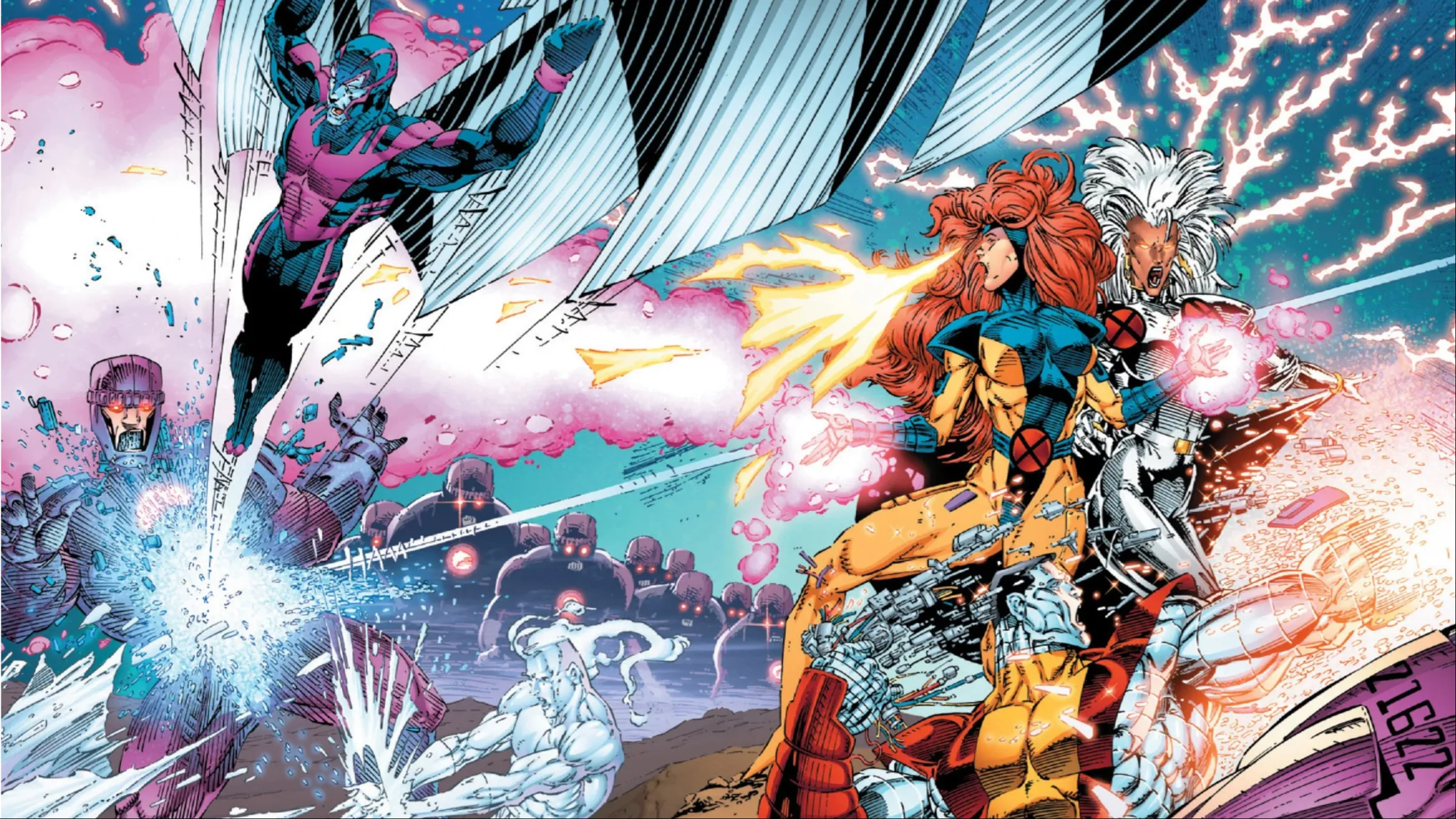
By the late 1980s, the X-Men comics had become incredibly popular, showcasing some of the industry’s most talented artists, including Marc Silvestri, Jim Lee, Whilce Portacio, and Rob Liefeld. Marvel wanted to keep these artists engaged, so they offered them a deal similar to the one Todd McFarlane received in 1990: creative control over their own titles, allowing them to both write and draw. Rob Liefeld, Jim Lee, and Whilce Portacio each launched new titles – X-Force #1, X-Men (Vol. 2) #1, and Uncanny X-Men (Vol. 1) #281, respectively (Silvestri was already successfully working on Wolverine). Editor Bob Harras had been giving these artists increasing creative freedom, making this arrangement a natural progression.
Around the same time, several key Marvel titles saw creative shifts. Peter David and Larry Stroman took over X-Factor with issue #71, while Excalibur was handed to co-creator Alan Davis starting with issue #42. Larry Hama and Silvestri continued to lead Wolverine, though issue #48 launched a storyline connected to the ongoing “Weapon X” saga in Marvel Comics Presents. These changes across six titles felt like a turning point for fans, as each series began exploring new paths for its characters.
The success of this era came down to understanding what readers enjoyed. While most of the X-Men titles simply revisited classic themes, a few stood out: X-Factor introduced a new government-funded team, and X-Force was a more aggressive group than the New Mutants. The X-Men returned to their mansion, Wolverine continued his solo adventures, and Excalibur kept telling its unique British superhero stories. Like the recent 2024 reboot, there wasn’t one overarching storyline connecting all the titles. But the creators knew their audience and delivered exactly what they wanted, which is why it resonated so well.
The second volume of X-Men concluded Claremont’s Magneto storyline and introduced Omega Red. Uncanny X-Men featured a new challenge from the Upstarts—essentially a revamped Hellfire Club—and added a new member to the team. Wolverine unveiled previously unknown secrets, X-Force tackled both a new mission and the Mutant Liberation Front, X-Factor established its new roster, and Excalibur confronted the return of Technet. Each comic boasted dynamic artwork and compelling superhero stories, appealing to longtime fans and newcomers alike. This reboot successfully balanced the needs of the entire fandom by returning to core concepts while still feeling fresh and innovative. It didn’t feel restrictive; instead, it opened up exciting new possibilities, making it one of the most seamless reboots in comic book history. Its success was so significant that several of the artists involved left to found Image Comics in 1992.
The X-Men’s ’91 Reboot Can Never Be Replicated

The 1990s truly belonged to the X-Men. They started the decade strong, but a major revamp of their six core comic book titles in 1991 propelled them to continued success. This wasn’t due to any single reason, but rather a perfect combination of factors. It’s important to remember that comics were widely available everywhere – in grocery stores and pharmacies – and the X-Men’s eye-catching artwork attracted a huge audience, turning them into the pop culture phenomenon they are today.
A relaunch like this wouldn’t be nearly as successful today. Comics have evolved a lot, and the popularity of Marvel, as well as the overall reach of comic books, isn’t what it used to be. But the original run was a huge hit – millions of copies were sold. Even with some overstocking, stores still made money and continued to order large quantities. The striking covers made the X-Men incredibly popular with kids in the ’90s, and many who didn’t read the comics became fans through the animated series. Back then, fans hadn’t grown tired of constant reboots and relaunches. It was a different era, and it will always be fondly remembered by those who experienced it firsthand.
https://comicbook.com/comics/list/the-10-best-x-men-stories-in-marvel-history/embed/#
Read More
- Gold Rate Forecast
- Hideo Kojima Says He Was Never Told About The Matrix Creators Wanting Him to Make a Game
- Guardians of the Globe Members We Want to See in Invincible Season 4
- Kelly Osbourne Slams “Disgusting” Comments on Her Appearance
- Dune 3 Gets the Huge Update Fans Have Been Waiting For
- ’90s Cartoon Reboot & TMNT Connection!
- Crypto Treasures Rise from the Ashes: DATs Flip the Script in 2026
- Recent Update Suggests Another Shonen Jump Manga Could Be Cancelled Soon
- 6 “Bad” Movies You Should Make Your Friends Watch
- Task & Mare Of Easttown’s Crime Thriller Universe: Revolutionizing the Genre
2026-01-29 23:43