
A new TV series that began in the early 1990s seemed like just another crime drama. Shows like Hill Street Blues, Hunter, and later NYPD Blue and Homicide: Life on the Street had already explored similar themes of crime, investigation, and resolution. But this series quickly proved to be different. Instead of a simple whodunit, it expanded into something much larger and more complex, creating a unique world with strange characters, unsettling scenes, and a surprising sense of humor that felt groundbreaking.
The show had an instant impact, and it’s largely responsible for the many current productions that are willing to take risks with their stories and structures – and still be considered excellent. It’s safe to say this series has been hugely influential.
Twin Peaks Is One of the Most Revolutionary TV Shows Ever Made
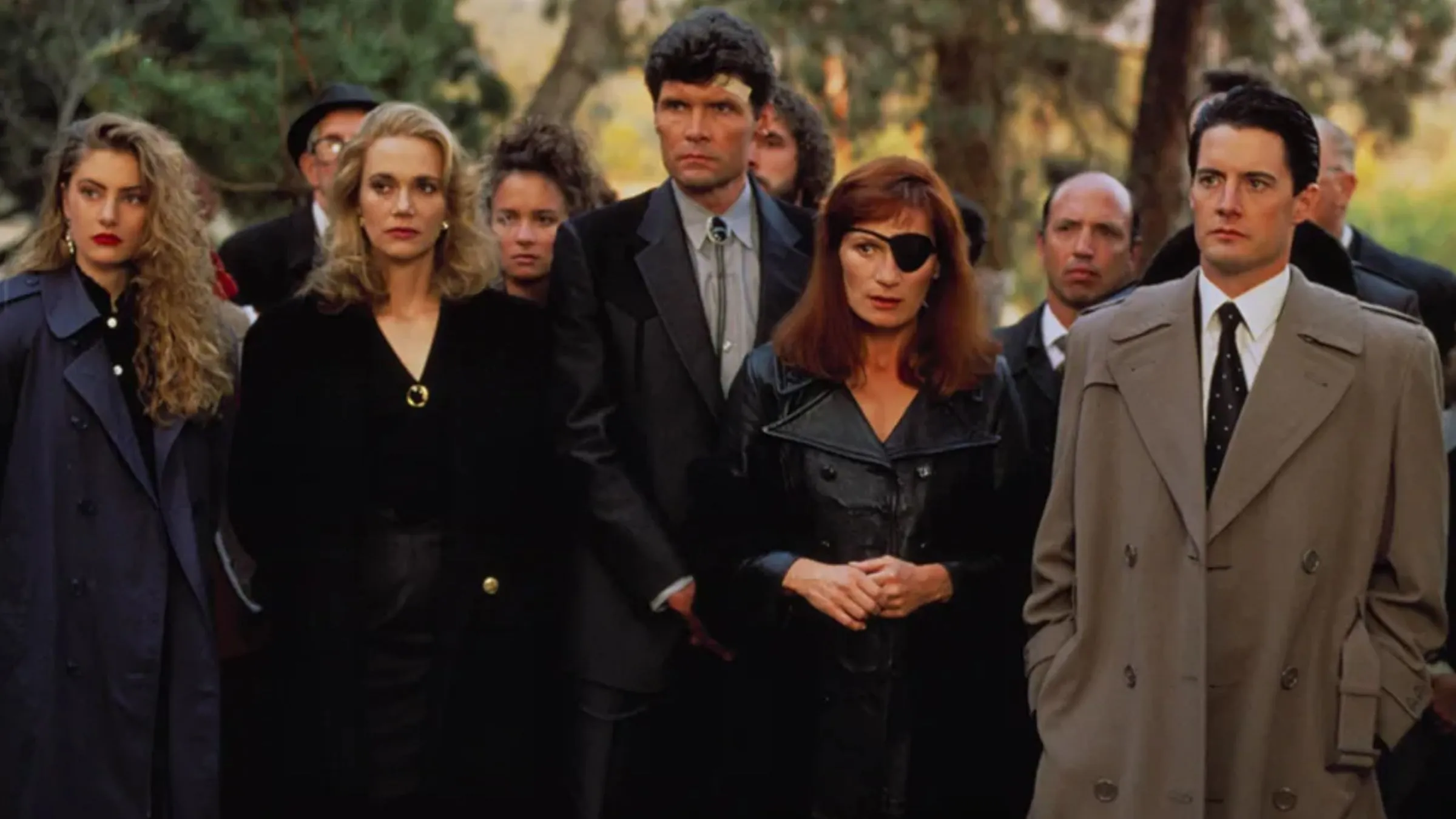
You’ve probably heard of Twin Peaks even if you haven’t seen it. This show, created by David Lynch and Mark Frost and first airing in 1990, initially seemed like a typical crime drama. It begins with FBI agent Dale Cooper (Kyle MacLachlan) arriving in the town of Twin Peaks to investigate the murder of Laura Palmer (Sheryl Lee), a beloved high school student found dead. However, the investigation quickly reveals that almost everyone in town has something to hide, making nearly everyone a suspect. Just when you think it’s a standard murder mystery, the story becomes much more complex, filled with intricate relationships, strange supernatural elements, and a cast of unforgettable characters.
The show’s greatest strength was how it developed its main mystery. Instead of solving a new murder each week, Twin Peaks focused everything on the question of who killed Laura Palmer. Shows like Big Little Lies, Mare of Easttown, and The Killing have since used this same approach, but Twin Peaks pioneered it. This was particularly groundbreaking for the early 1990s, and viewers were captivated, spending each episode trying to solve the puzzle.
Beyond the central mystery, Twin Peaks felt revolutionary because of how it blended different moods and styles – something rarely seen on television at the time. Like much of David Lynch’s work, the show could shift from deeply disturbing explorations of Laura Palmer’s life to surprisingly humorous scenes with the townspeople. Agent Cooper, a truly memorable character, perfectly embodied this combination of seriousness and quirkiness. His love for coffee and pie, alongside his unusual detective work, made him stand out and ensured he’d be a beloved figure for years to come.
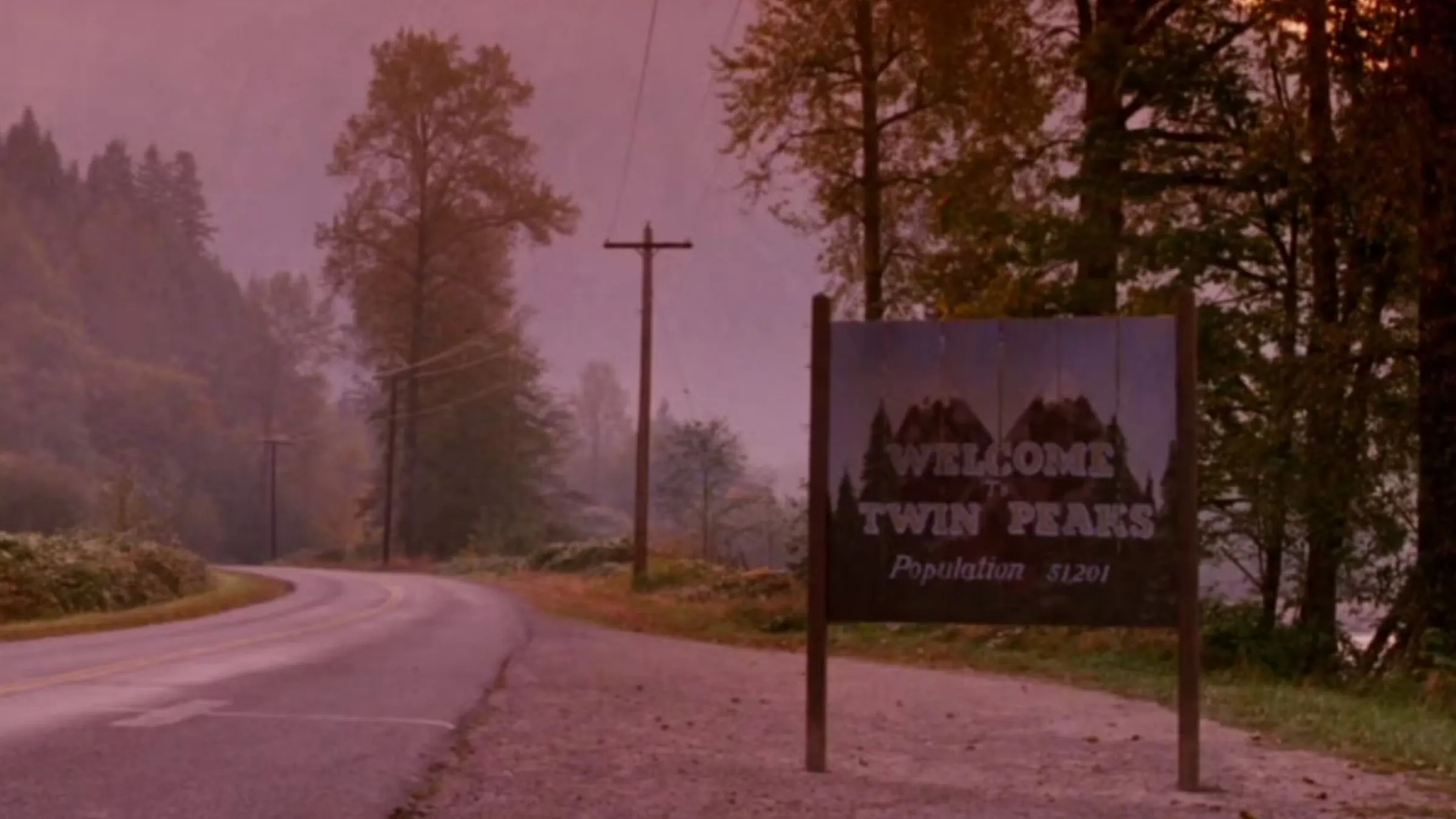
The show’s success hinged on its ability to blend the familiar with the unsettling. Twin Peaks captured the essence of small-town life – the relationships, conflicts, and everyday dramas – while simultaneously suggesting something sinister lurked beneath the surface. It felt like an immersive, bizarre journey, but it remained captivating because of its compelling nature. The narrative consistently left you wanting answers, posing questions that wouldn’t easily fade, making it impossible to look away, even as things grew increasingly strange. Gradually, the show layered in even more unusual elements – visions, puzzling dreams, and supernatural forces – deepening the mystery rather than providing simple solutions.
The show’s surreal quality is what truly set Twin Peaks apart. While the combination of all its elements might seem unusual now, it was incredibly daring for its time. The show didn’t shy away from bizarre, unexplained scenes – instead, it embraced them, encouraging viewers to speculate, debate, and come up with their own interpretations. This naturally captivated audiences. This kind of complexity is almost expected in TV shows today if they want to be memorable. Twin Peaks actively involved its viewers, even when things got strange. Considering this was happening in the early ’90s, it’s easier to see why the show was so groundbreaking and continues to be influential.
How Twin Peaks Inspired Many of Today’s Biggest TV Shows
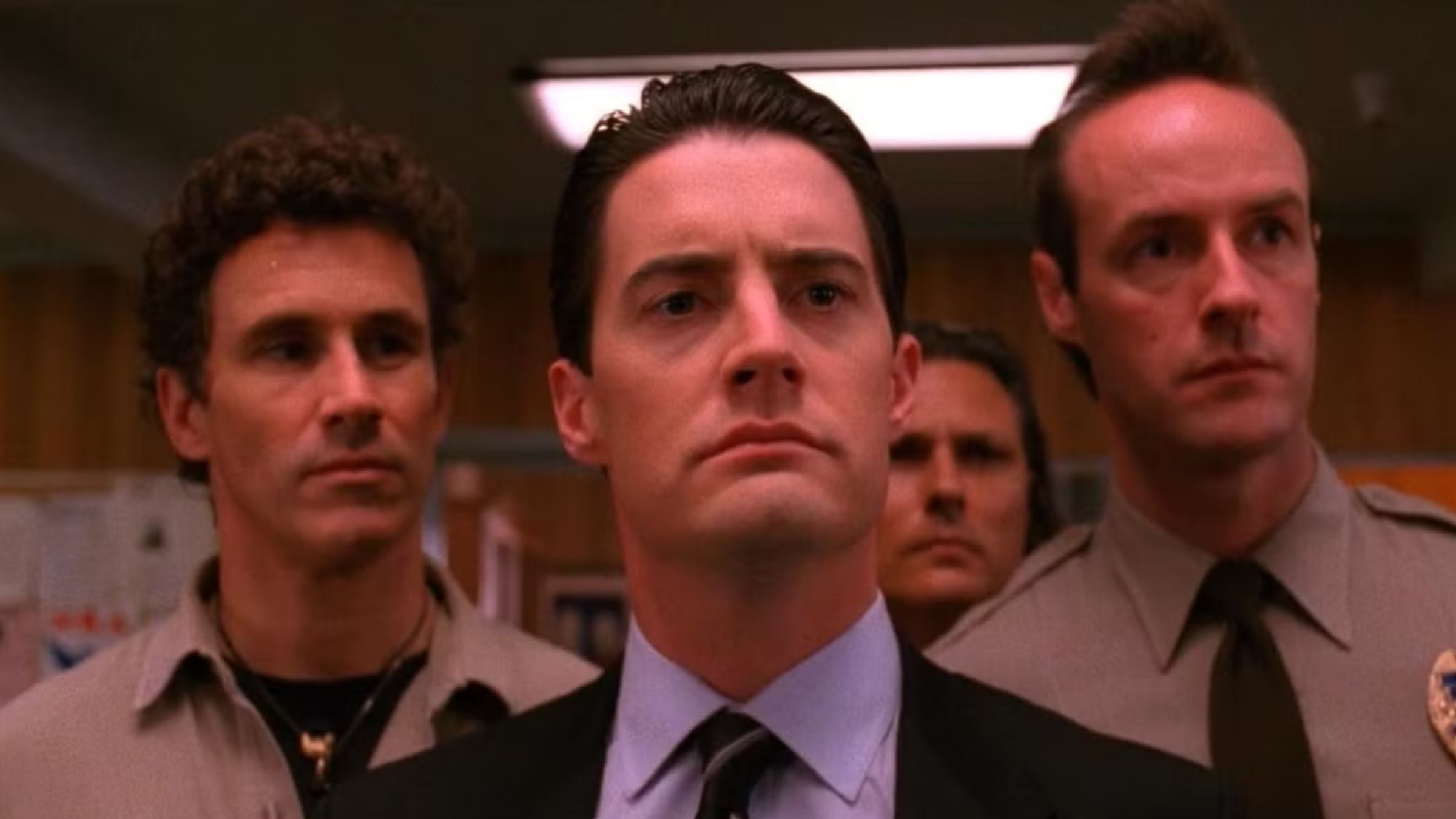
The show felt completely fresh, largely due to its distinctive visual style. It looked more like a movie than a typical TV series, with a focus on atmospheric settings – think forests, lonely roads, and inviting but strangely unsettling homes. This blend of mystery, mood, and unusual elements, combined with its unconventional story, had a huge impact on many shows and films that followed, even those outside its genre. In fact, Twin Peaks defied easy categorization from the start.
As a huge fan of television, I always thought shows like The X-Files clearly built on what Twin Peaks started – that blend of mystery, the supernatural, and a quirky sense of humor. And then The Sopranos came along, and it really felt like it was able to push boundaries because of the groundwork laid by Twin Peaks. It’s amazing to think about how Twin Peaks helped open the door for creators to be more ambitious and really put their own unique stamp on television – it truly felt like the start of something special, a golden age, if you will.
Later shows built on these ideas even more. Lost made a central mystery a key part of its story, while Atlanta used a dreamlike style similar to the creative experimentation of Twin Peaks. And the hit show Stranger Things took the concept of a normal town hiding strange secrets and really ran with it.
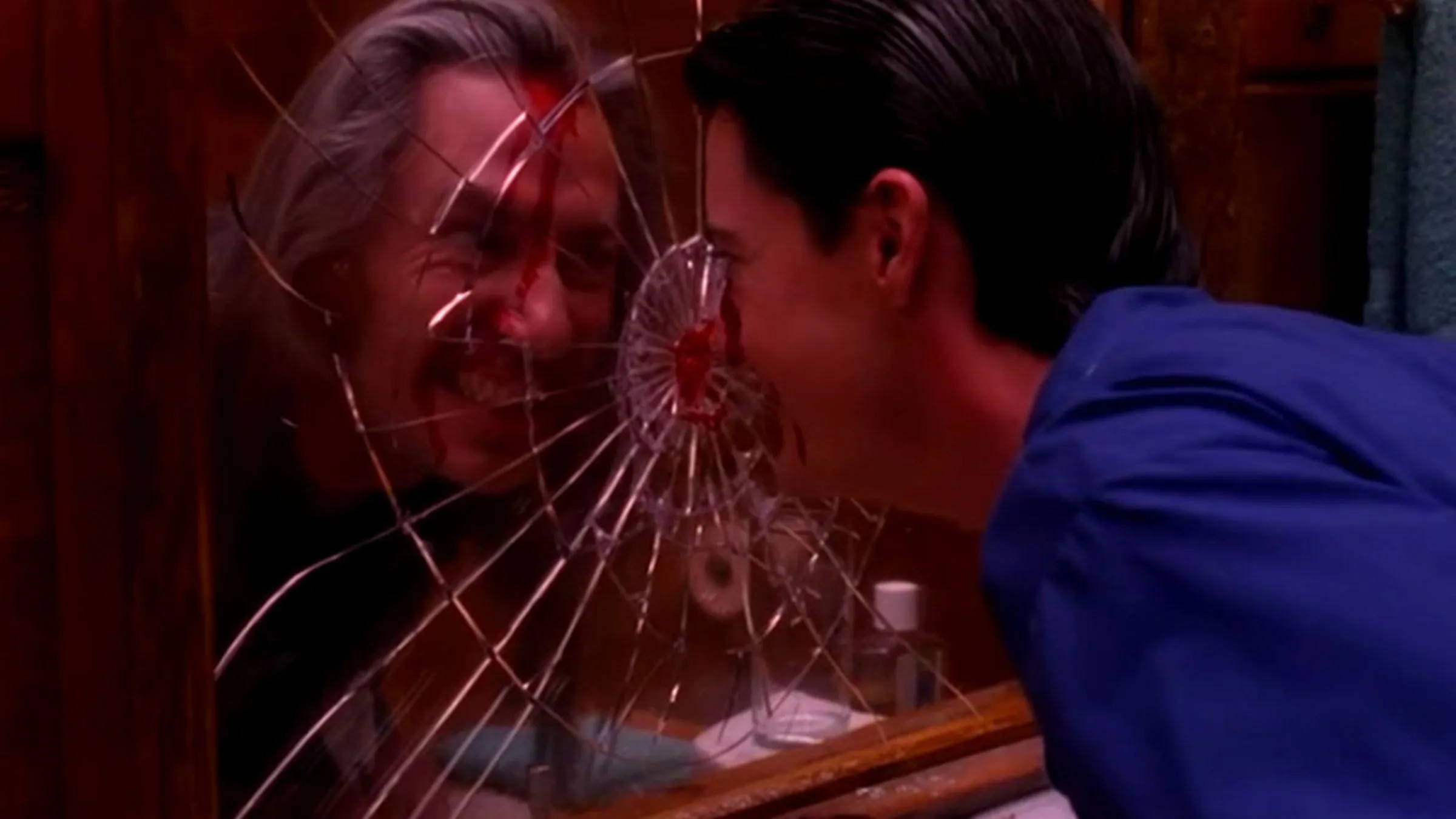
Despite its huge impact on television, the original run of Twin Peaks was surprisingly short. It aired for just two seasons, from 1990 to 1991, and struggled with ratings, especially after the network rushed the creators to reveal who killed Laura Palmer. This early reveal altered the story’s path and caused viewers to lose interest. However, the show’s popularity continued to grow over time, eventually becoming a beloved cult classic that attracted new fans. In 2017, the story returned with Twin Peaks: The Return, a season that further embraced the show’s unique and experimental style, solidifying its reputation as a groundbreaking series.
Many shows today, particularly those aimed at younger audiences, owe a debt to Twin Peaks, even if they don’t realize it. While every series has its own unique feel, the show’s influence is clear whenever you see a complex mystery, a striking visual style, or a story that dares to be different. Twin Peaks was a game-changer for television, proving that creators could be truly innovative and take bold risks.
What are your thoughts on Twin Peaks? Share them in the comments and join the discussion in the ComicBook Forum!
https://comicbook.com/tv-shows/news/7-must-see-shows-if-you-loved-twin-peaks/embed/#
Read More
- What Song Is In The New Supergirl Trailer (& What It Means For The DC Movie)
- Eurogamer Gives ARC Raiders 2/5 Over AI Voices, Dropping Metacritic Score from 94 to 84
- Gold Rate Forecast
- FRONT MISSION 3: Remake coming to PS5, Xbox Series, PS4, Xbox One, and PC on January 30, 2026
- Miss Super Sentai After Cancellation? Watch These 5 Anime to Fill the Void
- Teresa Giudice’s Real Housewives Season One Salary Revealed
- Starfield PS5 Won’t Play Off Physical Disc without a Download
- After 13 Years, Someone Earned One of the Hardest Achievement Trophies in Gaming
- Global Easing Boils Over – So Why Is Bitcoin Still Playing Hard to Get?
- The Simpsons Makes Major Change to Patty and Selma After 36 Years (And Includes a Big Makeover)
2026-03-14 01:14