
The Mission: Impossible series is now a major force in Hollywood action movies, consistently proving successful despite being around for so long. Starting with the first film in 1996, it’s grown from a typical spy thriller into a huge global event known for its incredible, real-life stunts and increasingly high stakes. A lot of this success is thanks to Tom Cruise, who consistently pushes himself to deliver thrilling performances in each new movie. The series has earned over $4 billion worldwide and consistently receives positive reviews, a rare achievement for a long-running film franchise. Though audiences now associate the stories with Ethan Hunt, Mission: Impossible originally began as a groundbreaking television show that focused on the power of teamwork.
The hugely successful Mission: Impossible franchise began with the original television series created by Bruce Geller for CBS in 1966. The show ran for seven seasons, until 1973, and stood out from typical procedural dramas by focusing on the details of the heists themselves, rather than the agents carrying them out. Led by the calm and collected Jim Phelps (played by Peter Graves), the Impossible Missions Force operated like a precision instrument, using disguises, advanced technology, and clever psychological tactics to defeat dictators and criminal organizations. The show’s distinctive Cold War style—complete with Lalo Schifrin’s famous theme music in 5/4 time and self-destructing tapes—helped it become a pop culture icon. While there was a later attempt to revive the series, it wasn’t very successful and has largely been forgotten. This 1988 sequel, which continued the story from the original 1960s show, struggled to capture the same magic and ended after two seasons on February 24, 1990 – 36 years ago.
Is the Mission: Impossible 1988 Reboot Worth Watching?

The 1988 revival of Mission: Impossible was an interesting effort to update the show for modern audiences. Made during a time of change in Hollywood, the production was heavily affected by the 1988 Writers Guild strike. This led the studio to film in Australia and reuse scripts from the original 1960s series. This approach allowed the show to feel both familiar and fresh, with a more updated look. Plus, the return of Peter Graves as the team leader helped connect the new version to the original series.
Even though the 1988 revival had some good qualities, it often felt like a watered-down version of the original series. The first show was known for its dark, mysterious mood, but the reboot embraced the bright, colorful style popular on TV in the late 80s. The new series also relied heavily on futuristic technology – things like digital voice changing and complex computer hacking – which took away from the realistic feel that made the 1966 version so gripping. Plus, the absence of original stars like Martin Landau and Barbara Bain left a noticeable gap that the new actors couldn’t quite fill. While it offered a familiar “case-of-the-week” format for fans, the series ultimately lacked the originality needed to stand out in a crowded television landscape.
The Mission: Impossible Movies Are the Definitive Take on the Brand
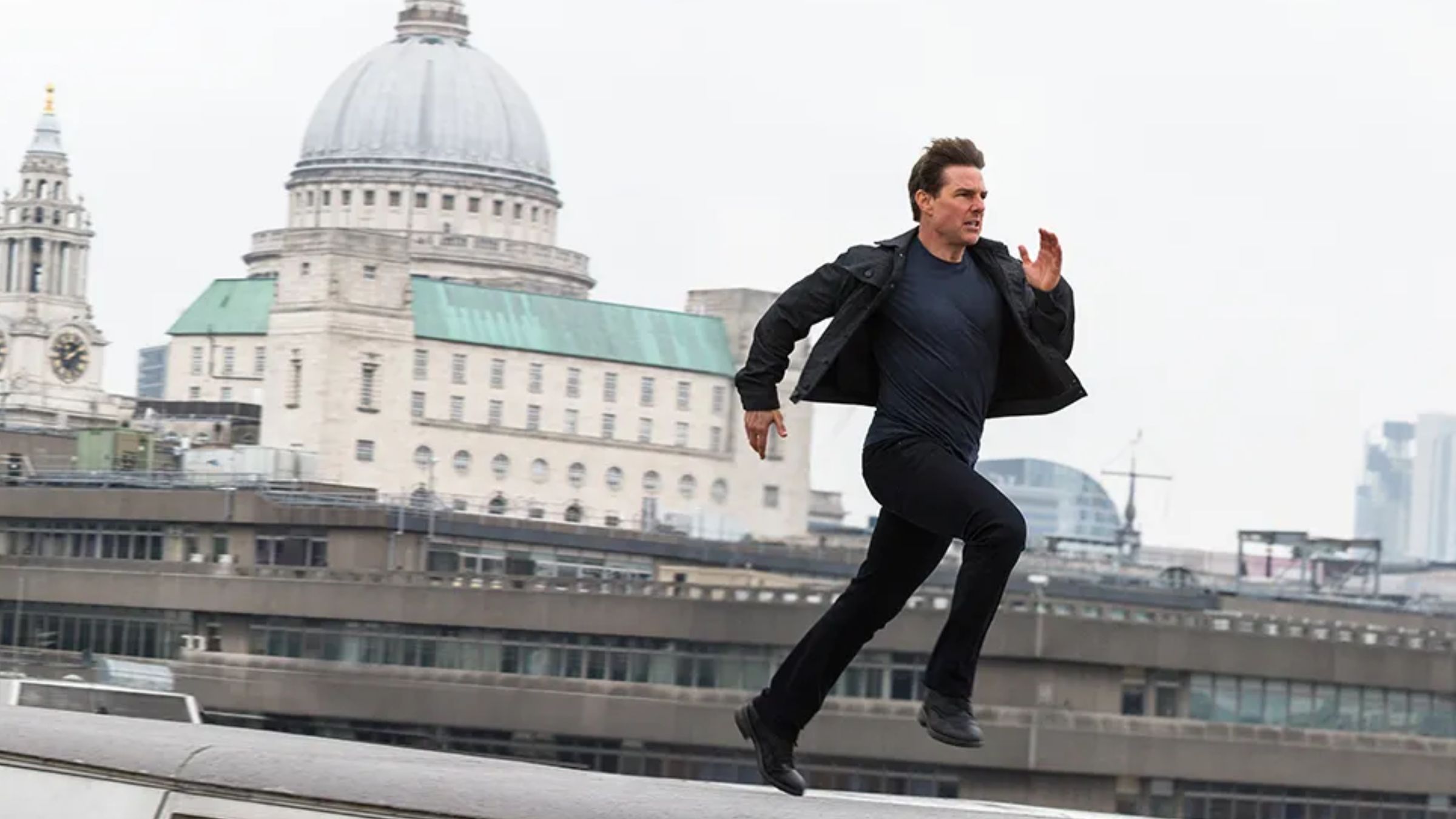
Although the original TV series created the look and feel of Mission: Impossible, the films are where the idea truly came to life. Moving to the big screen allowed the franchise to break free from the week-to-week format of television and embrace a more cinematic style, ultimately helping to redefine action movies. The 1996 film, directed by Brian De Palma, boldly changed the focus from a team-based approach to a story centered on a single hero. This change, especially making the popular Jim Phelps a villain, was initially met with criticism, but it created the emotional depth needed for a longer movie. By making Ethan Hunt a lone agent dealing with unpredictable allegiances, the films added a personal element of risk and vulnerability that the TV show hadn’t fully explored.
What makes the Mission: Impossible movies so consistently good is their ability to change with each director’s style. From John Woo’s action-packed visuals to Christopher McQuarrie’s clever plots, each film has showcased top-tier filmmaking. Unlike the 1988 series, these movies truly embraced the idea of ‘impossible missions,’ using it as a springboard for incredible stunts and elaborate scenes. They focused on the ‘impossible’ part more than the details of the ‘mission’ itself, turning the franchise into a blockbuster that’s known for its quality as much as its entertainment value. This dedication to making great movies has cemented the big-screen versions as the best way to experience Mission: Impossible.
You can now watch all of the Mission: Impossible movies on Paramount+. If you’re interested in the original 1988 television series, it’s available for purchase or rent from various online platforms.
Do you believe the Mission: Impossible films made a good decision by shifting away from the team-based stories of the original television show?
Read More
- What Song Is In The New Supergirl Trailer (& What It Means For The DC Movie)
- Highly Anticipated Strategy RPG Finally Sets Release Date (And It’s Soon)
- TV legend Carol Kirkwood reveals the reasons why she decided to retire after 28 years with BBC
- Dune 3 Gets the Huge Update Fans Have Been Waiting For
- Why is Tech Jacket gender-swapped in Invincible season 4 and who voices her?
- The Super Mario Galaxy Movie: 50 Easter Eggs, References & Major Cameos Explained
- Sydney Sweeney’s The Housemaid 2 Sets Streaming Release Date
- Robert Pattinson’s The Batman 2 Suit ‘Evolution’ Gets an Answer From Designers
- Game of the Month: Crimson Desert (March 2026)
- The Quantum Observer: How Reality Takes Shape
2026-02-24 22:43