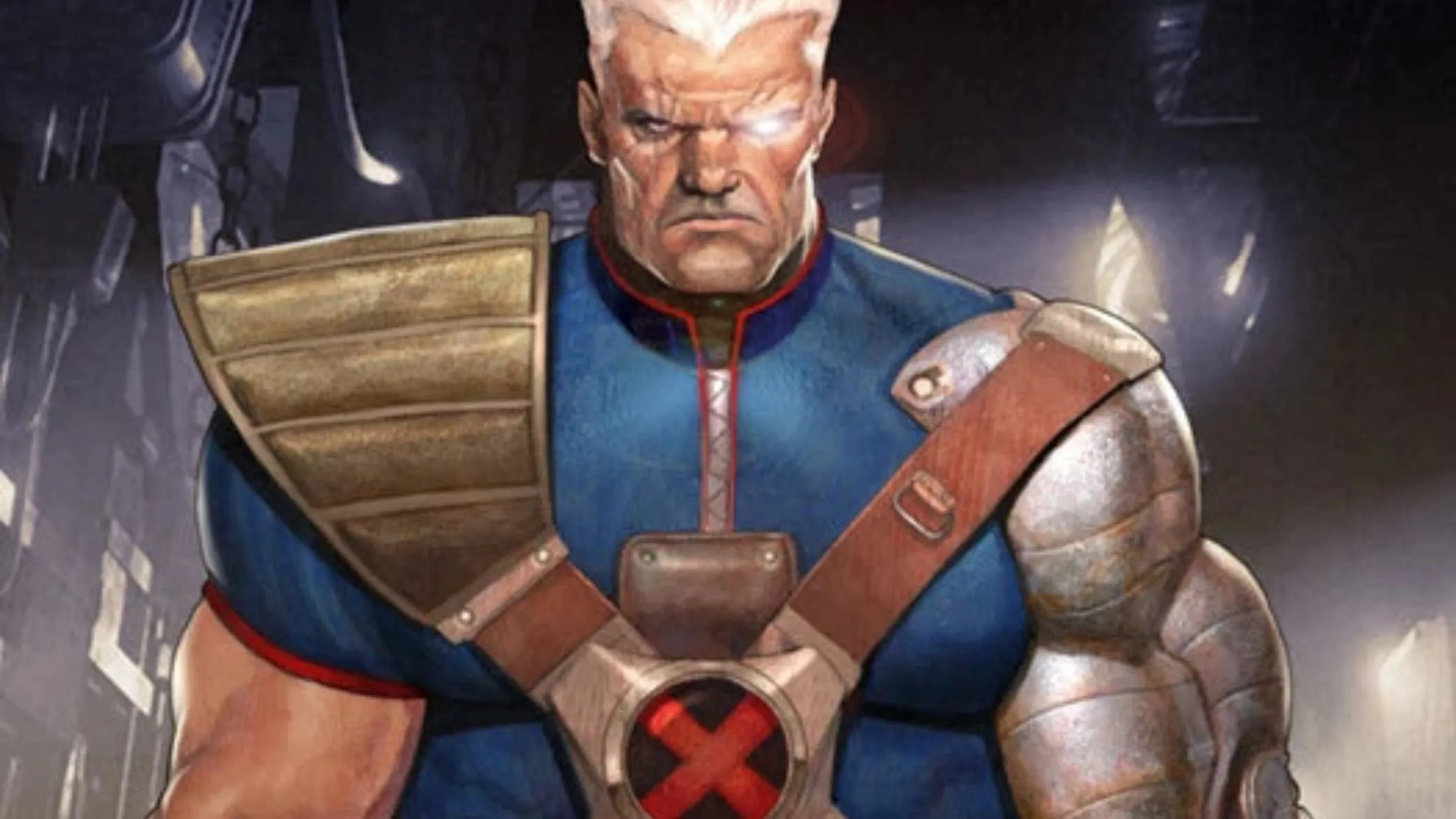
Over the years, many different heroes have been part of the X-Men. But 36 years ago, a new mutant arrived who dramatically changed how mutants saw themselves. The X-Men first appeared in 1963 in X-Men #1, created by Stan Lee and Jack Kirby. The comic was designed to explore themes of racism, prejudice, and hatred directed at people because of their birth. In 1982, Chris Claremont and Bob McLeod introduced a new team, the New Mutants, in Marvel Graphic Novel #4. This team of teenage mutants arrived while the original X-Men were absent, bringing a significant shift to the mutant world.
A new mutant was hinted at in New Mutants #86, and the following issue saw the debut of Cable, created by Louise Simonson and Rob Liefeld. Cable dramatically reshaped the X-Men universe, and its impact is still felt today.
Cable Makes Debut In New Mutants #87 In 1990
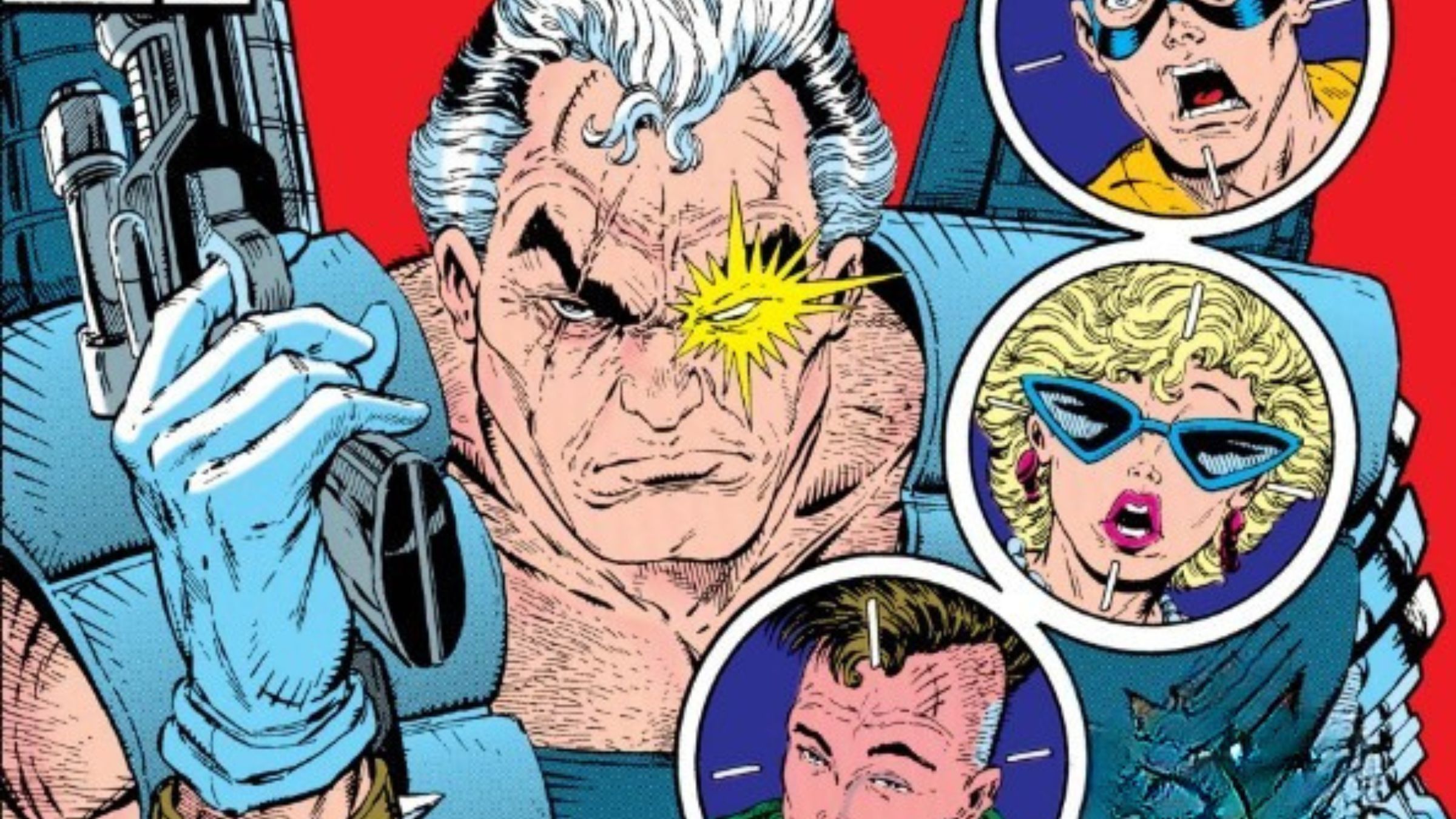
Nathan Summers wasn’t new to Marvel Comics when he became Cable. He first appeared as the infant son of Scott Summers and Madelyne Pryor in Uncanny X-Men #201. When Nathan contracted a dangerous techno-organic virus, Scott sent him to the future, hoping a cure could save him. Returning as Cable, Nathan had no memory of his parents or his past, but he quickly learned about other powerful mutants, including Sam Guthrie, also known as Cannonball.
Cable made his official debut in New Mutants #87, released on January 9, 1990, and immediately made a strong impression. He appeared as a skilled, secretive mutant soldier working with a team called Wild Pack. Interestingly, his future enemy, Stryfe, also appeared in that same issue, though his connection to Cable remained hidden. This set the stage for a conflict between the two, with the New Mutants caught in the middle. Cable quickly gained the trust of the team and became their leader, but the New Mutants comic series ended only 13 issues later.
Marvel cancelled the New Mutants comic and launched X-Force instead. Cable transformed the former teenage students of the Xavier Institute into a disciplined, military-style mutant team focused more on combat than traditional heroism. This change sparked a major conflict with other X-Men teams, like the X-Men and X-Factor, particularly after Stryfe falsely accused Cable of attempted murder – all before it was revealed that Stryfe was actually Cable’s clone.
Before Cable, the X-Men comics hadn’t seen a character quite like him, and his introduction was a positive change. Although some moments were a bit excessive due to Rob Liefeld’s style, Cable improved the New Mutants series, and he propelled X-Force to become more ambitious than ever before. Even after 36 years, Cable is still one of Marvel’s most recognizable mutants, and his story began in this X-Men spin-off.
What do you think? Leave a comment below and join the conversation now in the ComicBook Forum!
https://comicbook.com/comics/list/5-marvel-superhero-teams-everyone-has-forgotten-about/embed/#
Read More
- What Song Is In The New Supergirl Trailer (& What It Means For The DC Movie)
- One of Hulu’s Best New Shows Lands on Disney+ Ahead of Season 2
- Gold Rate Forecast
- Eurogamer Gives ARC Raiders 2/5 Over AI Voices, Dropping Metacritic Score from 94 to 84
- Demon Slayer Star Reacts to Infinity Castle Movie Return for Surprising Role
- One of the Best PS3 Games Released Today 17 Years Ago, but Sony Pulled the Plug
- Beyond Space and Time: Reconciling Relativity with Quantum Interference
- How Whitney Leavitt Made Ticket Sale History in Broadway Debut
- Steve Rogers’ Return Means the MCU Can Finally Solve Avengers: Endgame’s Last Mystery
- Miss Super Sentai After Cancellation? Watch These 5 Anime to Fill the Void
2026-01-09 23:16