The huge success of Star Wars sparked a boom in science fiction movies during the late 1970s and 1980s. Film studios actively searched for new sci-fi projects hoping to repeat that success, leading to the creation of some of Hollywood’s most beloved franchises. 20th Century Fox, already benefiting from Star Wars, approved the production of Alien, which also became a hit and earned a sequel. Building on their success with Star Wars and the Alien films, Fox continued to invest in the genre, ultimately acquiring another major sci-fi property that would later become part of a large, interconnected universe.
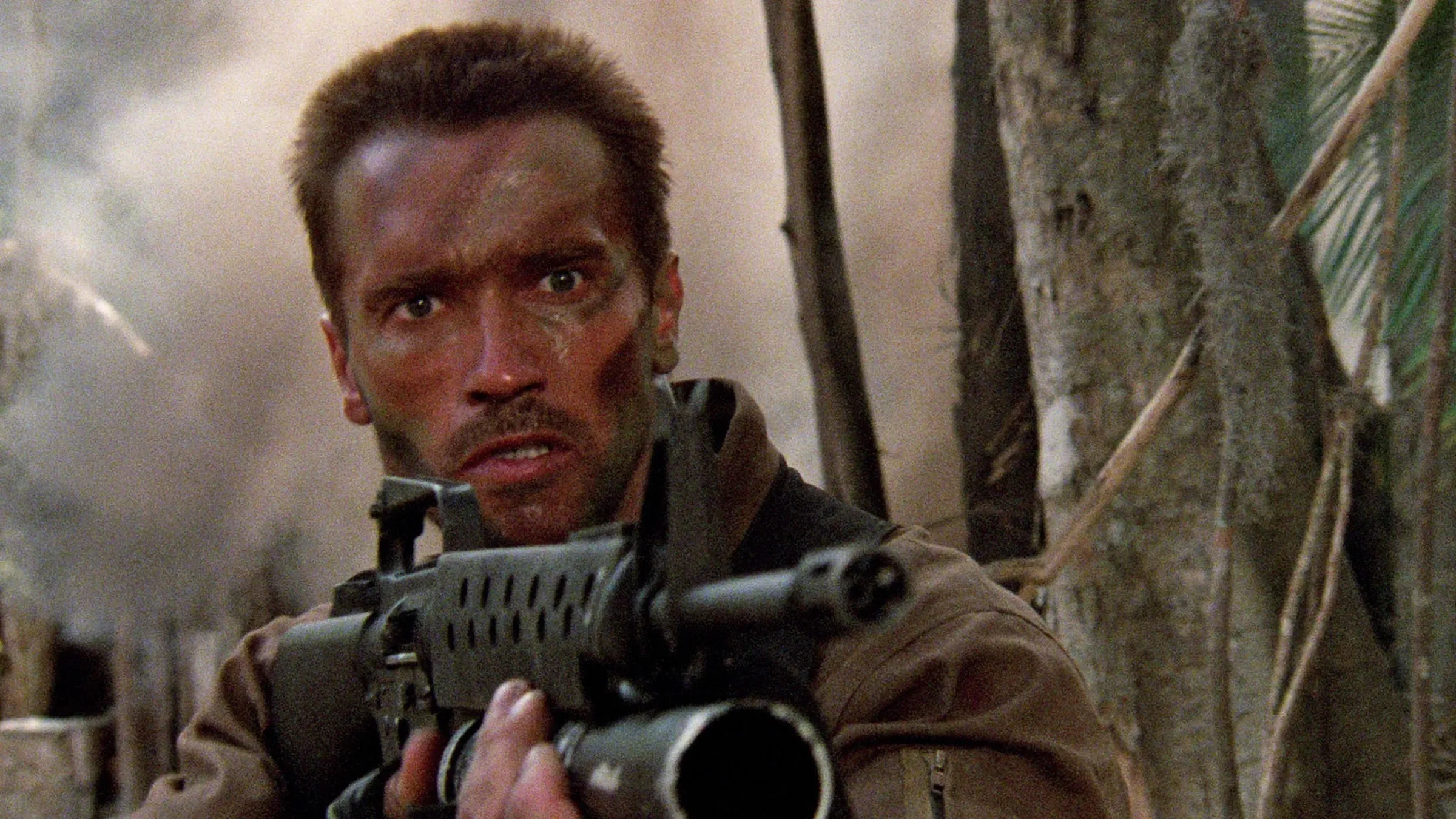
The original Predator movie came out in theaters on June 12, 1987. Directed by John McTiernan, the film quickly grabbed viewers with its exciting premise: Arnold Schwarzenegger and a group of elite soldiers are hunted by a dangerous alien creature who sees them as prey. The film earned $59.7 million in the US (not adjusted for inflation) and became one of the year’s top ten highest-grossing movies, starting a new science fiction series for Fox. It wasn’t long before the studio began considering a crossover with another popular franchise.
Predator Crossed Over With Alien (But It Wasn’t Always Successful)
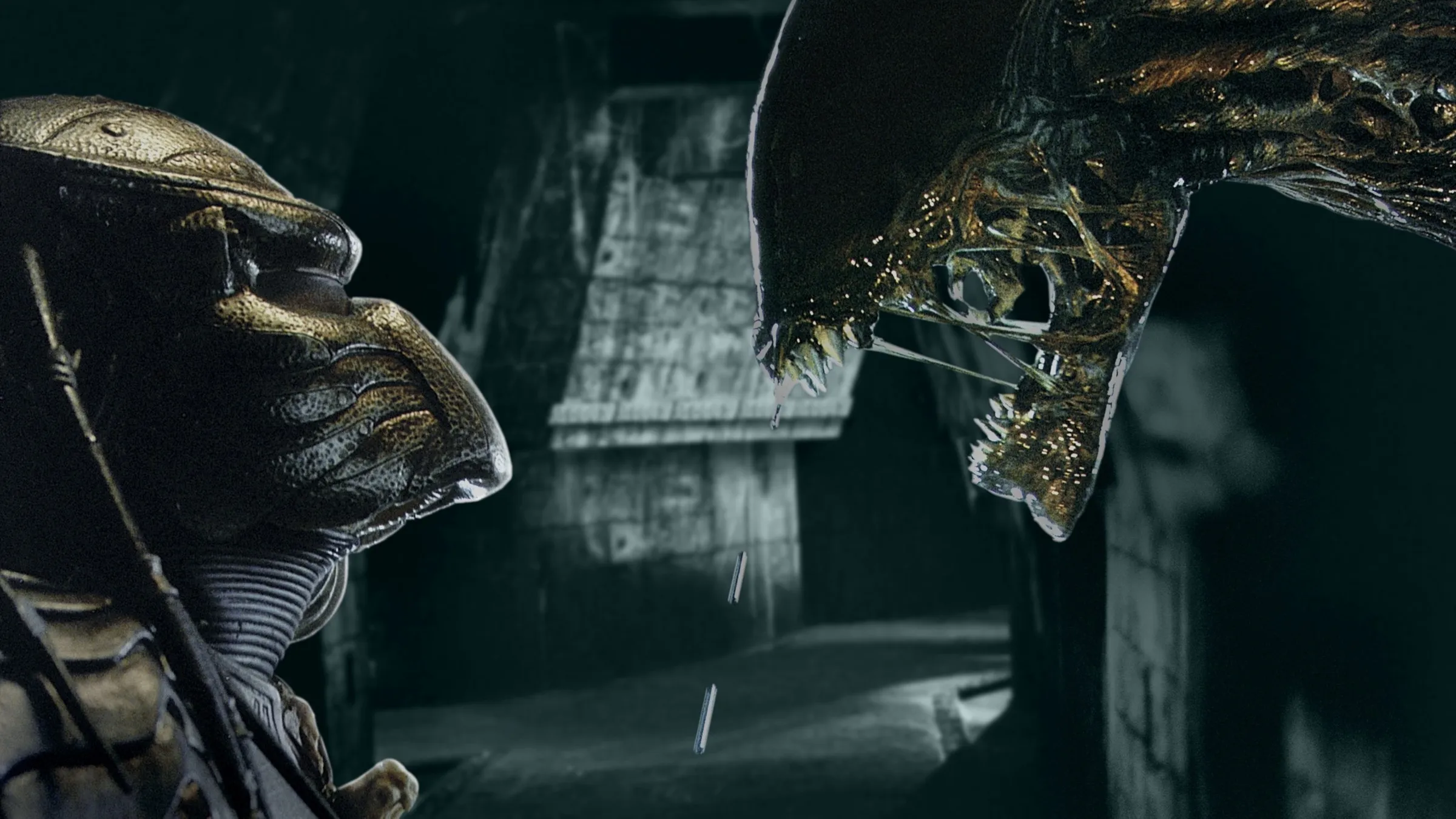
The original Predator was designed as a single, complete story, and it works well that way, largely because the filmmakers weren’t sure it would be popular. However, after the film proved successful, the studio, Fox, decided it couldn’t leave the story as a one-time event. A few years later, Predator 2 was released, and it featured a surprising crossover with another famous sci-fi franchise. A xenomorph skull appeared in a scene, hinting that the Predators had battled the deadly creatures from the Alien films. Initially, this was just a playful nod to fans, but it eventually sparked the idea for a larger connection between the two universes.
It took over ten years, but the long-awaited crossover finally happened with the release of the first Alien vs. Predator movie in 2004. Before the era of big cinematic universes like Marvel, this was a huge deal – bringing together two legendary science fiction monsters. However, the film didn’t live up to expectations. While it made a decent amount of money at the box office ($177.4 million with a $60-70 million budget), critics didn’t like it, giving it a low 21% score on Rotten Tomatoes. The movie failed to fully deliver on its exciting premise, mainly because of a weak story and underdeveloped characters. Considering the Alien and Predator franchises had given us memorable heroes like Ripley and Dutch, fans were disappointed that this crossover couldn’t continue that tradition. While the creatures themselves are always a draw, audiences also need compelling human characters to connect with.
The 2007 film Aliens vs. Predator: Requiem wasn’t much better received than the first one. It also earned largely negative reviews (with only a 12% score on Rotten Tomatoes), with critics pointing to both a weak story and technical issues. While the movie made a decent amount of money at the box office—$130.3 million worldwide on a $40 million budget—it wasn’t enough to justify making another sequel. Plans for future Alien vs. Predator films were considered, but ultimately fell through, leading both franchises to move forward independently.
Throughout the 2010s, new movies were released in both the Alien and Predator franchises with varying degrees of success. Ridley Scott’s Alien prequels, Prometheus and Alien: Covenant, proved quite divisive among audiences, and a third film was ultimately cancelled. While these films have gained more appreciation over time for their bold ideas, they didn’t initially resonate strongly with viewers. The Predator series also faced challenges, as both Predators and The Predator received mostly negative reviews. It seemed like both franchises might be losing steam, but recent activity could potentially pave the way for another Alien vs. Predator movie.
What Is the Future of Alien and Predator Crossovers?
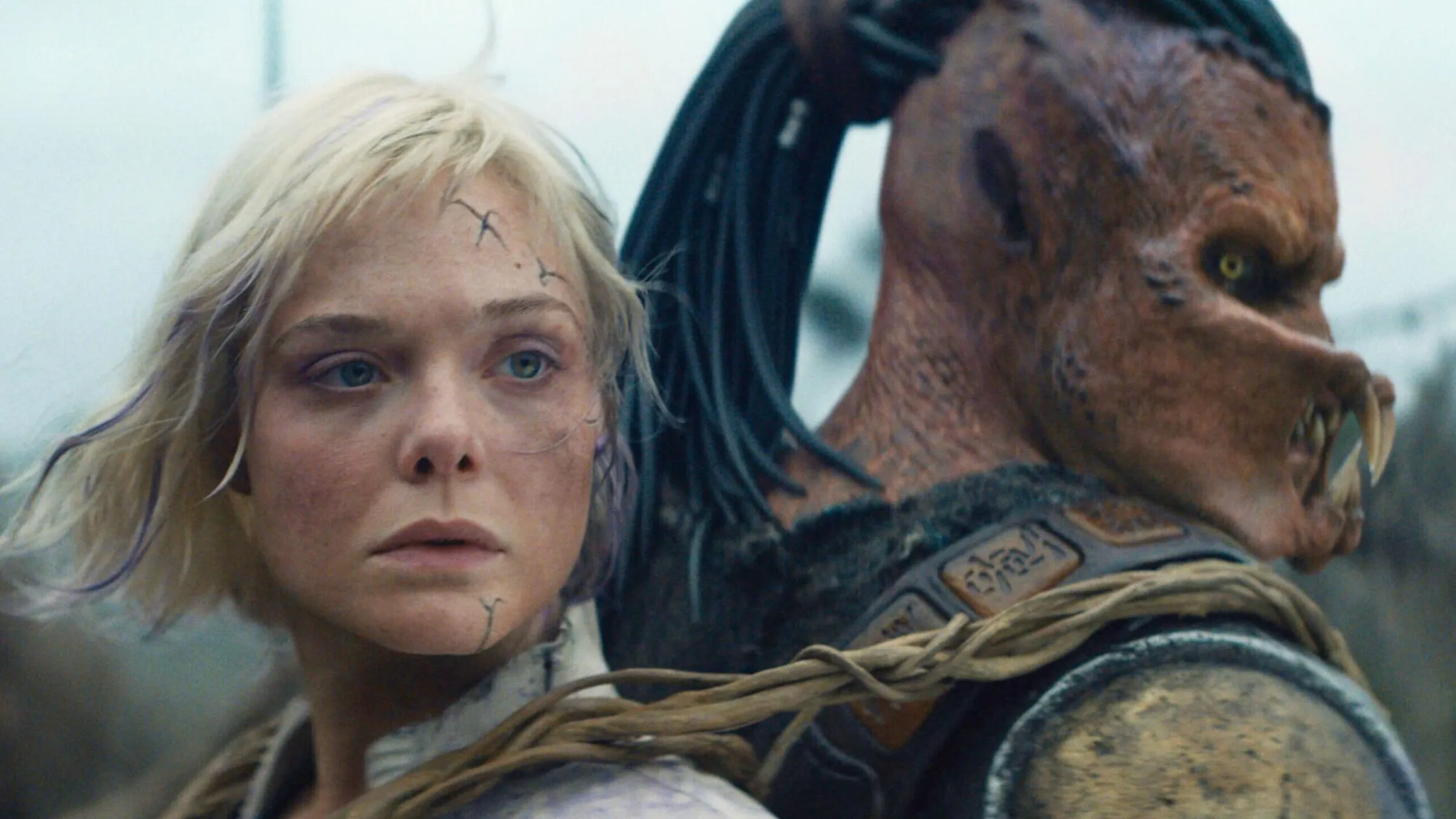
The Predator franchise is enjoying a resurgence lately. It began with the highly praised film Prey, which premiered on Hulu and successfully captured the spirit of the original movies by blending exciting action with compelling characters. This success paved the way for director Dan Trachtenberg’s follow-up, Predator: Badlands, released last fall. Badlands stood out because it was both the first Predator movie in theaters for seven years and included a subtle connection to the Alien universe – Elle Fanning’s characters, Thia and Tessa, are revealed to be synthetic beings created by the Weyland-Yutani corporation.
Director Trachtenberg chose to connect the storylines of Alien and Predator because he wanted to try something ambitious: making a movie with no human characters. This led to the creation of the character Thia, who would star alongside the Predator, Dek. When fans discovered Thia was created by the Weyland-Yutani corporation, many began to speculate that Badlands was setting up another Alien vs. Predator film. Trachtenberg clarified that while he’d enjoy making such a film, his priority was to ensure Badlands stood on its own as a good movie, and any links to the Alien universe had to feel natural to the story. This approach worked well, as Badlands received positive reviews and achieved record-breaking box office success for the franchise.
The box office results for Predator: Badlands are a bit complicated. It earned $184.6 million, making it the most successful Predator film financially, but with a production cost of $105 million, it probably didn’t become profitable solely from ticket sales. That’s because the budget doesn’t include marketing and distribution costs.
While revenue from streaming and on-demand rentals helped, the studio may have expected Badlands to perform even better, particularly with its PG-13 rating. This mixed success could impact whether future films get made. Disney and 20th Century Studios might be carefully considering if another movie is a good investment.
Since streaming—where the Predator franchise recently gained popularity—isn’t currently a major focus for Disney, theatrical releases seem like the best path forward.
It’s understandable if Disney is hesitant to approve another Predator movie, as the film industry is a business. However, there are good reasons to keep the franchise going. Director Shane Trachtenberg has consistently delivered fresh and engaging takes on the Predator story, and if he has another compelling idea, he deserves a chance to bring it to life. To ensure a Badlands sequel is profitable, they could also consider lowering the production budget. While nothing is confirmed yet, Predator fans still have reason to be optimistic. The franchise is heading in a positive direction, as seen with the successful return of Alien with Alien: Romulus, and the talks with Arnold Schwarzenegger likely mean something is in the works.
Read More
- Green Game Jam returns with 70 games teaming up to tackle the climate crisis
- Gold Rate Forecast
- PI PREDICTION. PI cryptocurrency
- EUR CNY PREDICTION
- USD BRL PREDICTION
- Black Clover Confirms Special Chapter After Manga Finale
- Seven Snipers Review: A Sharpshooter Action Movie That Misses More Than It Hits
- USD TRY PREDICTION
- Fairy Tail Creator Teases Natsu & Lucy’s Romantic Future Ahead of Revival
- EUR HKD PREDICTION
2026-06-12 23:46