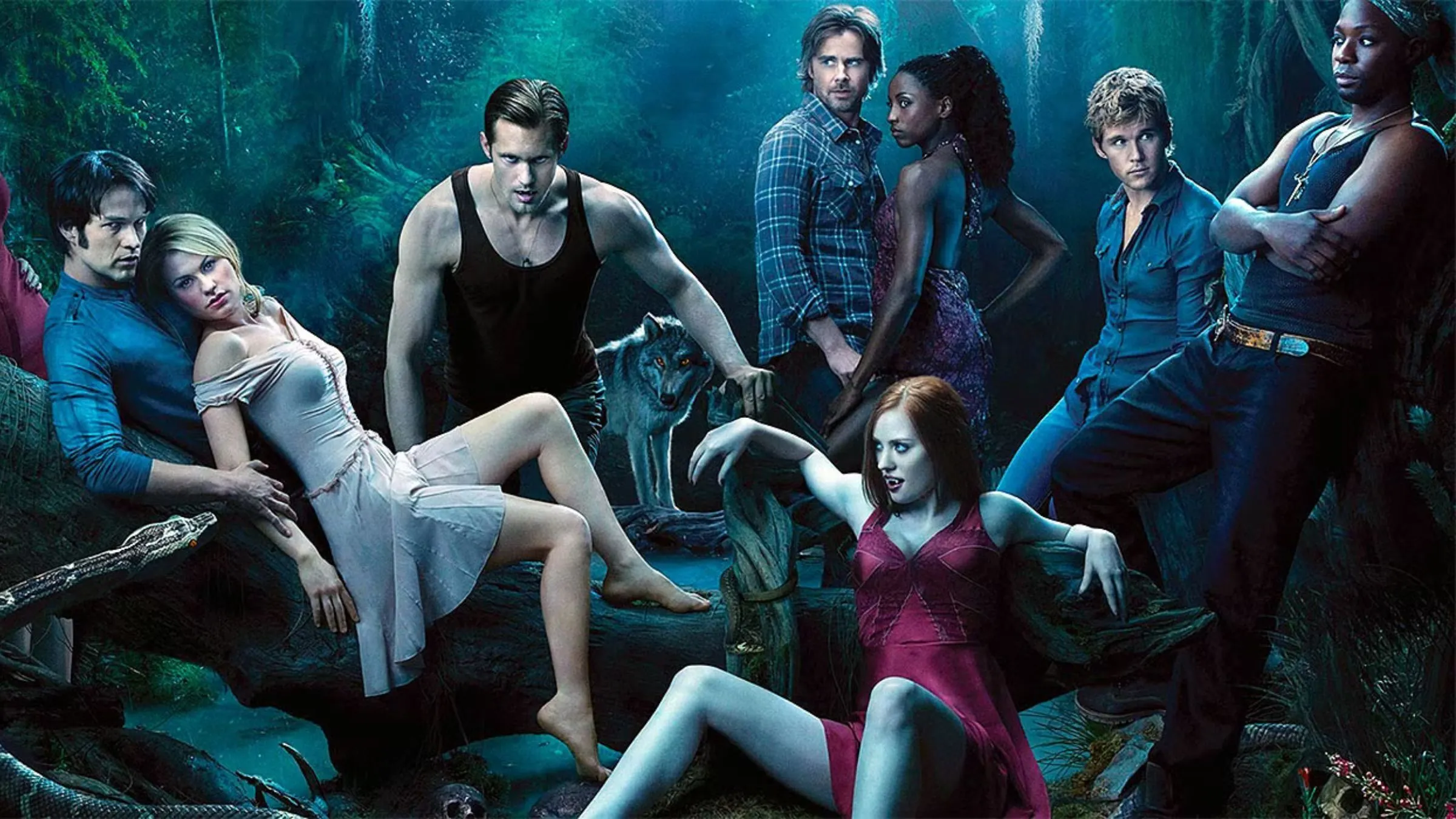
HBO revolutionized television by focusing on well-crafted stories and high-quality production, rather than simply trying to appeal to the widest possible audience. This dedication to exceptional storytelling built a reputation for quality and led to groundbreaking shows like The Sopranos and The Wire, which changed television forever. By giving creators the funding and creative control to tackle complicated issues, HBO set a new standard for excellence, a standard we still see today in popular shows like the medical drama The Pitt, the DC series The Penguin, and the anthology series The White Lotus.
Even successful TV channels like HBO aren’t immune to the challenges of long-running shows. Over time, a show’s original idea can wear thin, especially when its plot becomes overly complicated or the initial creative spark fades due to pressure from the network. When a highly-regarded drama starts to decline, it’s especially disappointing for viewers, as it feels like a letdown after they’ve invested so much time and emotion into it during its best seasons.
4) Oz
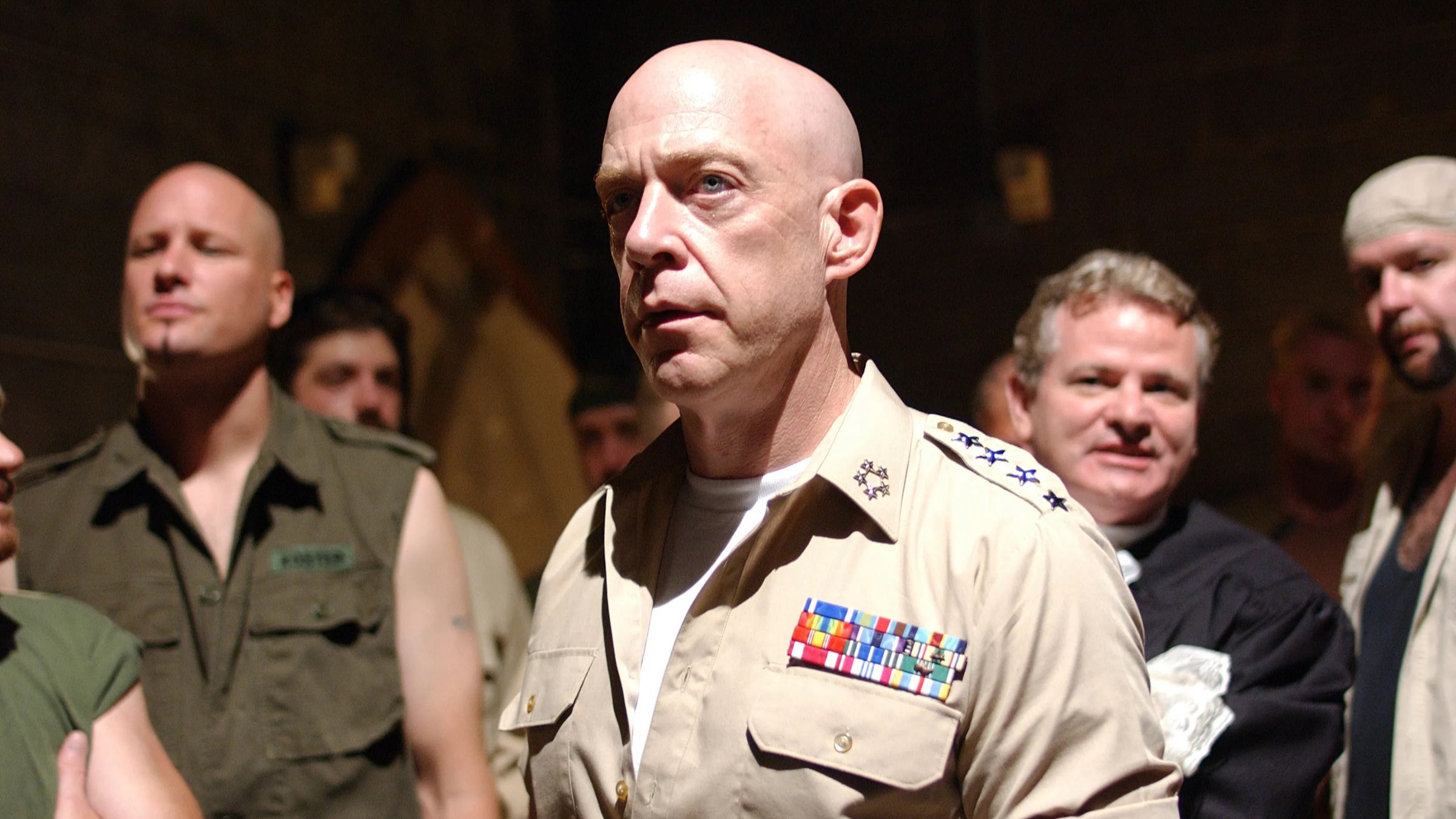
As a huge fan of groundbreaking TV, I remember when Oz first hit HBO. It was unlike anything else at the time – a really raw, unflinching look inside a prison. It wasn’t just about the crimes; it dug into the philosophies and struggles of the inmates themselves, especially within this experimental unit run by Tim McManus. The show really focused on people, using a fantastic rotating cast – Harold Perrineau and Dean Winters were especially memorable – to highlight what felt like a real failure of the American prison system. Honestly, Oz paved the way for so many of the complex, character-driven dramas that HBO became famous for. It really set a new standard.
Eventually, Oz started prioritizing shock value over meaningful storytelling, moving away from its initial focus on social and political issues. Later seasons featured outlandish storylines – like a pill that made people age rapidly and a full musical episode – which marked a clear break from the realistic and suspenseful atmosphere of the show’s beginning. This turn towards typical soap opera elements diminished the serious impact of the prison setting, transforming what was once a thoughtful look at incarceration into a series of sensational, but ultimately shallow, plotlines that lacked the depth of its earlier seasons.
3) True Blood
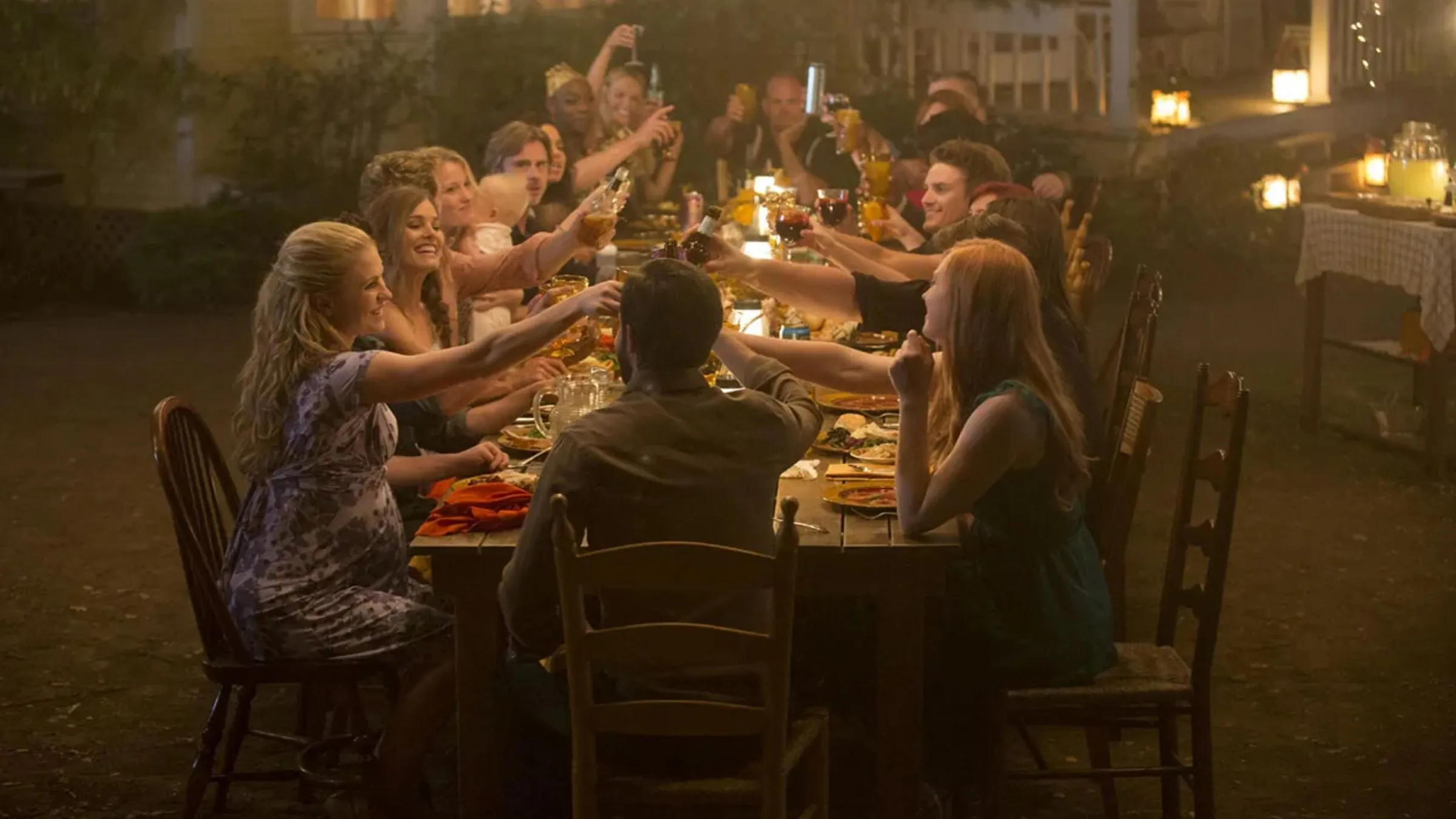
In its first few seasons, True Blood cleverly used vampires and their integration into Southern society as a way to explore themes of civil rights and prejudice. The show followed Sookie Stackhouse, a waitress who can read minds, and her relationship with vampire Bill Compton, which helped viewers understand the complicated social dynamics of the town of Bon Temps. The show’s mix of dark, Southern atmosphere, thrilling romance, and consistent internal rules proved popular with a large audience, successfully combining mature themes with engaging storytelling.
After Alan Ball, the original creative force behind the show, left after season five, True Blood began a noticeable decline in storytelling that it never overcame. The writing suffered from the introduction of too many supernatural creatures – like were-panthers and fairies – which weakened the focus on the core vampire storyline. The show seemed to be trying too hard to expand its universe, and the later seasons became bogged down in complicated side plots instead of focusing on the characters and emotional connections that had initially made it so popular.
2) Westworld

When Westworld first came out, it was a complex and intriguing show that used the idea of a theme park filled with lifelike androids to explore questions about what it means to be conscious and have free will. The first season carefully unfolded the story of Dolores (Evan Rachel Wood) and Maeve (Thandiwe Newton) as they began to understand their own identities across different timelines. The show’s big ideas were backed by impressive visuals and a strong performance from Anthony Hopkins, who brought weight to the philosophical themes.
After its initial seasons, Westworld shifted focus and lost the compelling themes that made it unique. The show traded its intriguing, gradual mysteries for typical action scenes and an overly complicated storyline. It became more concerned with surprising viewers than with developing its characters’ emotional journeys, which ultimately led to declining ratings and its cancellation.
1) Game of Thrones
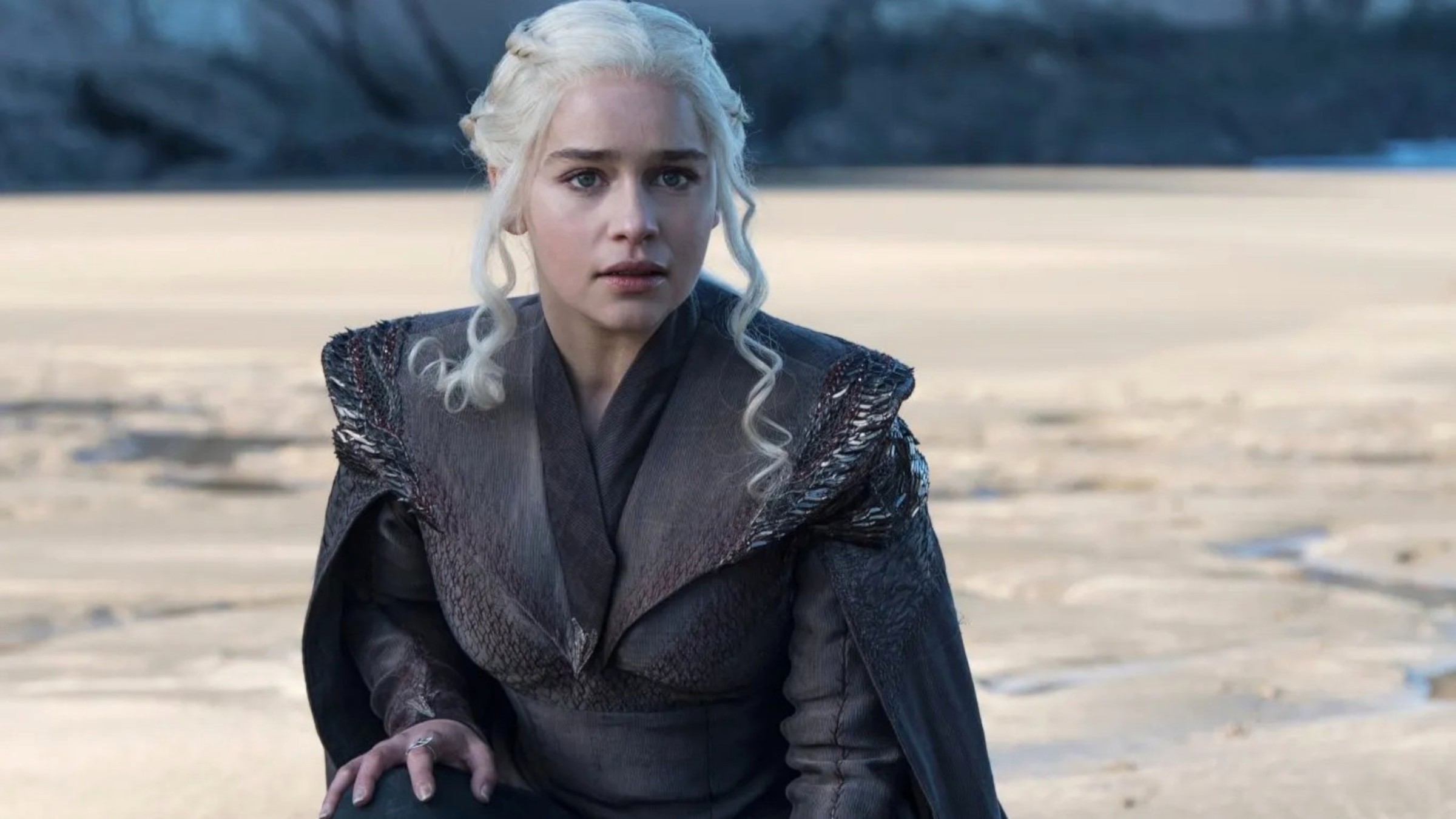
For much of its time on air, Game of Thrones was a huge global phenomenon, raising the bar for fantasy television with its epic scope and intricate storylines. The show, based on George R.R. Martin’s books, stood out by portraying its complex political world with the realism of a historical drama, particularly through the cunning strategies of characters like Cersei and Tyrion Lannister. This focus on believable motivations and realistic consequences was at its strongest in the first four seasons, making the show’s world feel incredibly immersive and impactful.
As a huge fan, it really bummed me out to see Game of Thrones stumble towards the finish line. It felt like the showrunners, Benioff and Weiss, started prioritizing big visuals over a solid story, and it became even worse when they ran out of source material from the books. The final season just felt rushed, and some of the character developments, especially with Daenerys, were totally out of character. It was like they just didn’t stick the landing, and honestly, that disappointing ending has kind of overshadowed everything amazing the show did for so many years. It’s a shame, because the earlier seasons were so carefully built, and the finale just didn’t feel connected to that world anymore.
What HBO show do you think got noticeably worse after its first few seasons? Share your thoughts in the comments and join the discussion on the ComicBook Forum!
Read More
- Pluribus Star Rhea Seehorn Weighs In On That First Kiss
- Gold Rate Forecast
- Kelly Osbourne Slams “Disgusting” Comments on Her Appearance
- Looks Like SEGA Is Reheating PS5, PS4 Fan Favourite Sonic Frontiers in Definitive Edition
- Arknights: Endfield – Everything You Need to Know Before You Jump In
- ’90s Cartoon Reboot & TMNT Connection!
- Goat 2 Release Date Estimate, News & Updates
- ‘Marty Supreme’ Ending, Explained
- Hideo Kojima Says He Was Never Told About The Matrix Creators Wanting Him to Make a Game
- Dune 3 Gets the Huge Update Fans Have Been Waiting For
2026-02-18 23:41