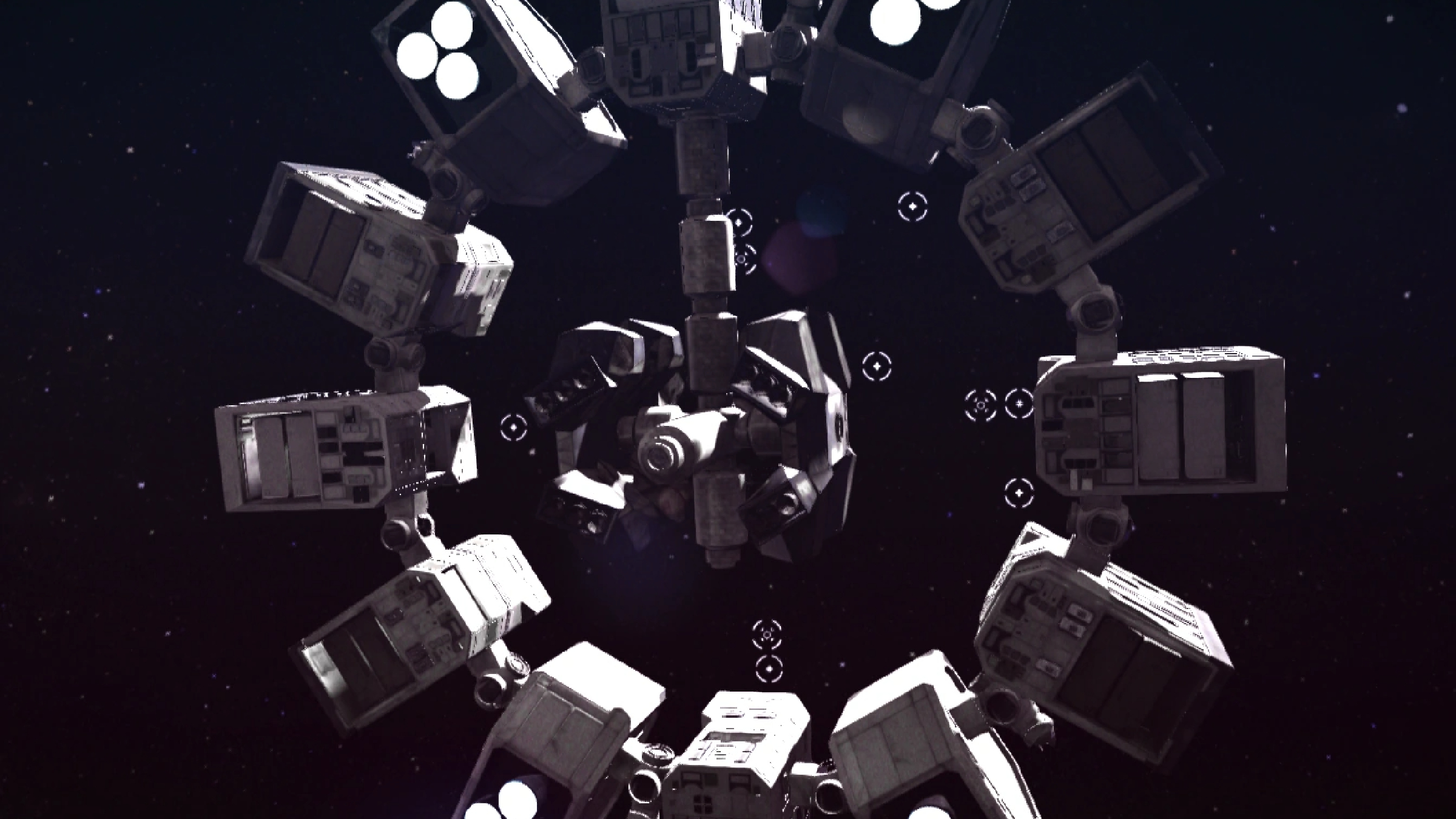
I’ve always loved how science fiction lets us explore where we might be headed as a society. What really grabs me is that it usually builds its big ideas on technology that could actually happen, things that feel like they’re just around the corner. This makes you think about the real-world consequences of these advancements – the ethical questions and how it would change our lives. Whether it’s robots becoming super-intelligent or humans living on other planets, good sci-fi feels believable because it sticks to what we know about science and nature. That connection to reality is what makes the stories so compelling and the struggles of the characters feel so relatable, because they’re based on things we understand about the world around us.
Science fiction strives for accuracy, but the immense scale of space often requires filmmakers to take creative liberties to keep stories moving. Because so much of space remains unknown and our understanding is incomplete, it’s challenging to portray things realistically. This is particularly true when depicting alien life – since we have no real examples, filmmakers must invent entire worlds and creatures. However, some films and shows choose to be more grounded, sticking to technology and concepts that are scientifically plausible.
4) Europa Report
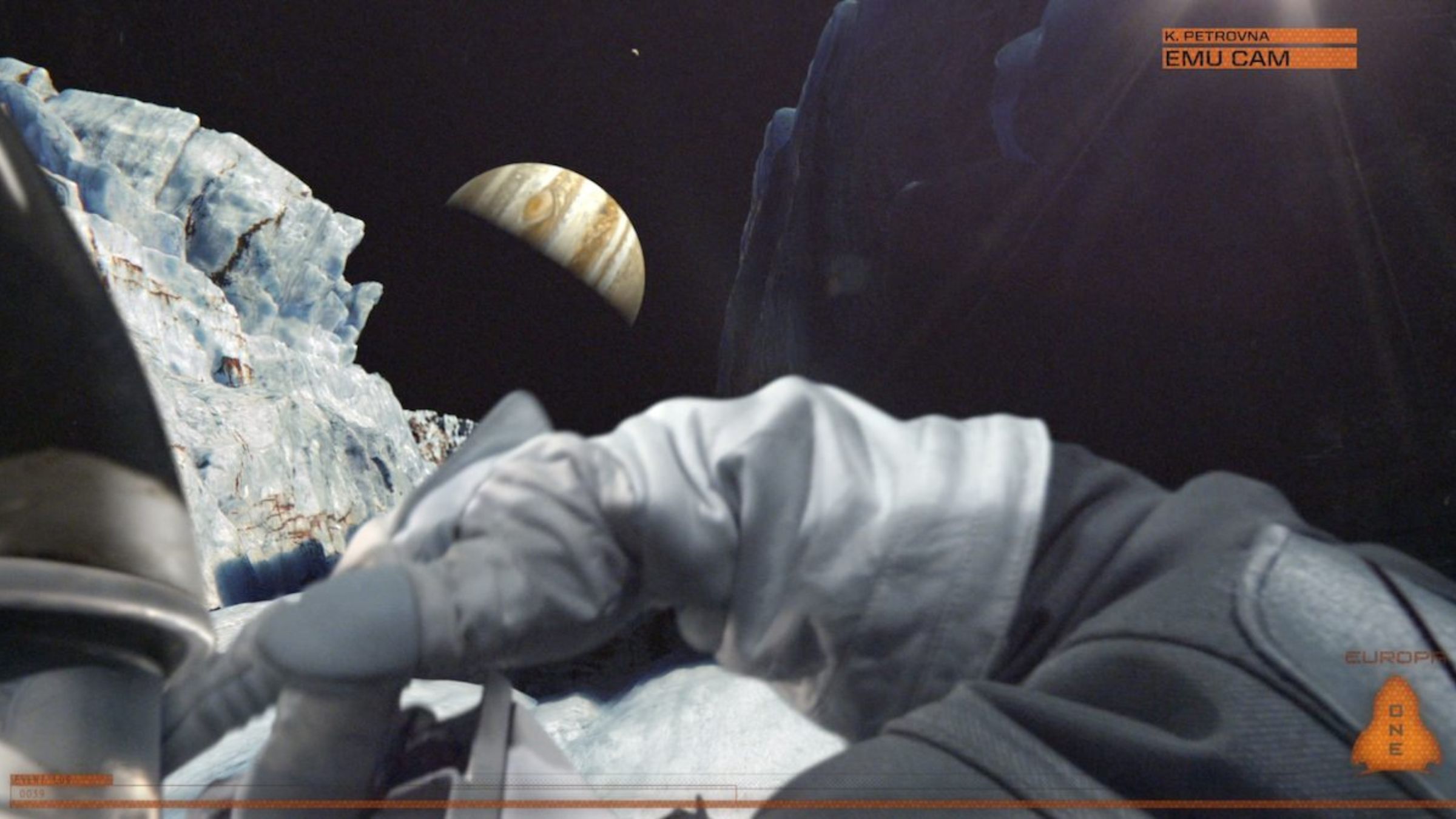
Sebastian Cordero’s film, Europa Report, presents a realistic depiction of the first privately funded mission to Jupiter’s moon Europa, using a ‘found footage’ style. The filmmakers worked closely with experts at the Jet Propulsion Laboratory to ensure the mission, featuring crew members like Rosa Dasque (Anamaria Marinca) and James Corrigan (Sharlto Copley), felt authentic and reflected the real challenges of space travel. Notably, the film accurately portrays a journey to Jupiter taking around 22 months using today’s technology, avoiding the use of faster-than-light travel often seen in science fiction to maintain realism.
As a real cinema fan, I was genuinely impressed by how Europa Report visually represented Europa’s icy surface. They actually used real data from NASA’s Galileo mission, which gave it a level of realistic detail you rarely see in smaller-budget films. While the story does get into some ‘what if’ scenarios about what might be under the ice, the way they showed the ship and the challenges of space travel felt incredibly grounded. What I really appreciated was that they didn’t rely on the usual sci-fi trick of artificial gravity; instead, they showed the real physical strain of weightlessness and the mental toll of being completely cut off from everything – and they did it with a really precise, almost clinical eye.
3) Interstellar
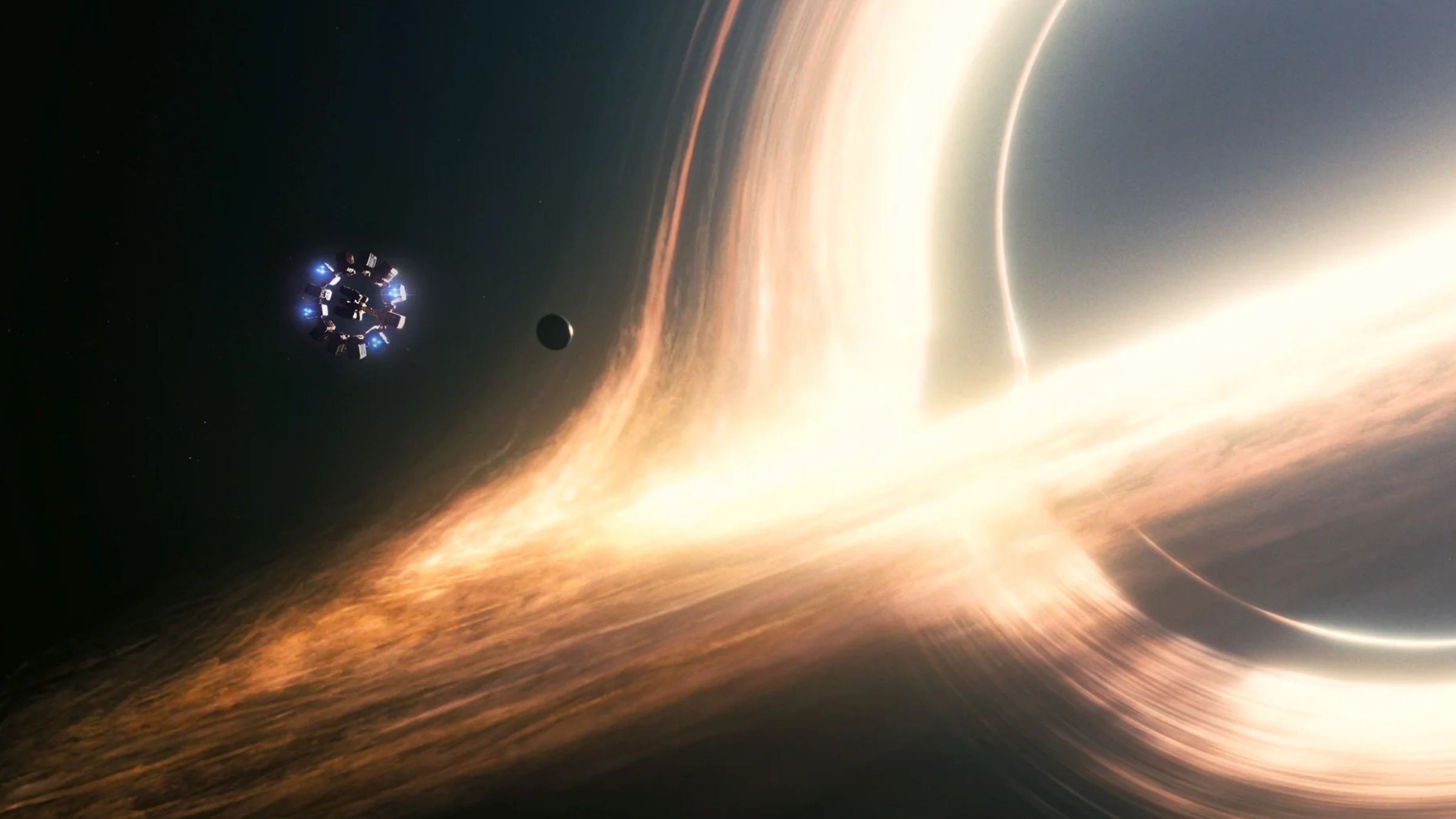
As a film buff, I’m always blown away by how Interstellar tackled the visual of a black hole – specifically, Gargantua. What really sets it apart is that Christopher Nolan didn’t just want it to look cool; he wanted it to be scientifically accurate. So, they brought in Kip Thorne, a Nobel Prize-winning physicist, to help! He provided the actual equations needed to show how light bends around something with that much gravity. The result was the first time a black hole had ever been realistically shown on film, and it happened years before we even saw a real one with telescopes! It’s a genuinely impressive achievement in visual effects and scientific collaboration.
The movie Interstellar centers on Joseph Cooper (Matthew McConaughey) and his journey to Miller’s Planet, where time moves very differently due to its proximity to the black hole, Gargantua. One hour on the planet equals seven years on Earth – a concept directly based on Einstein’s theory of relativity. Director Christopher Nolan intentionally kept the complex physics accurate, which heightens the sense of urgency and dread. Though Nolan made small changes for visual clarity – like reducing the Doppler effect to keep the black hole visually appealing – the film remains a significant accomplishment in science fiction.
2) The Martian
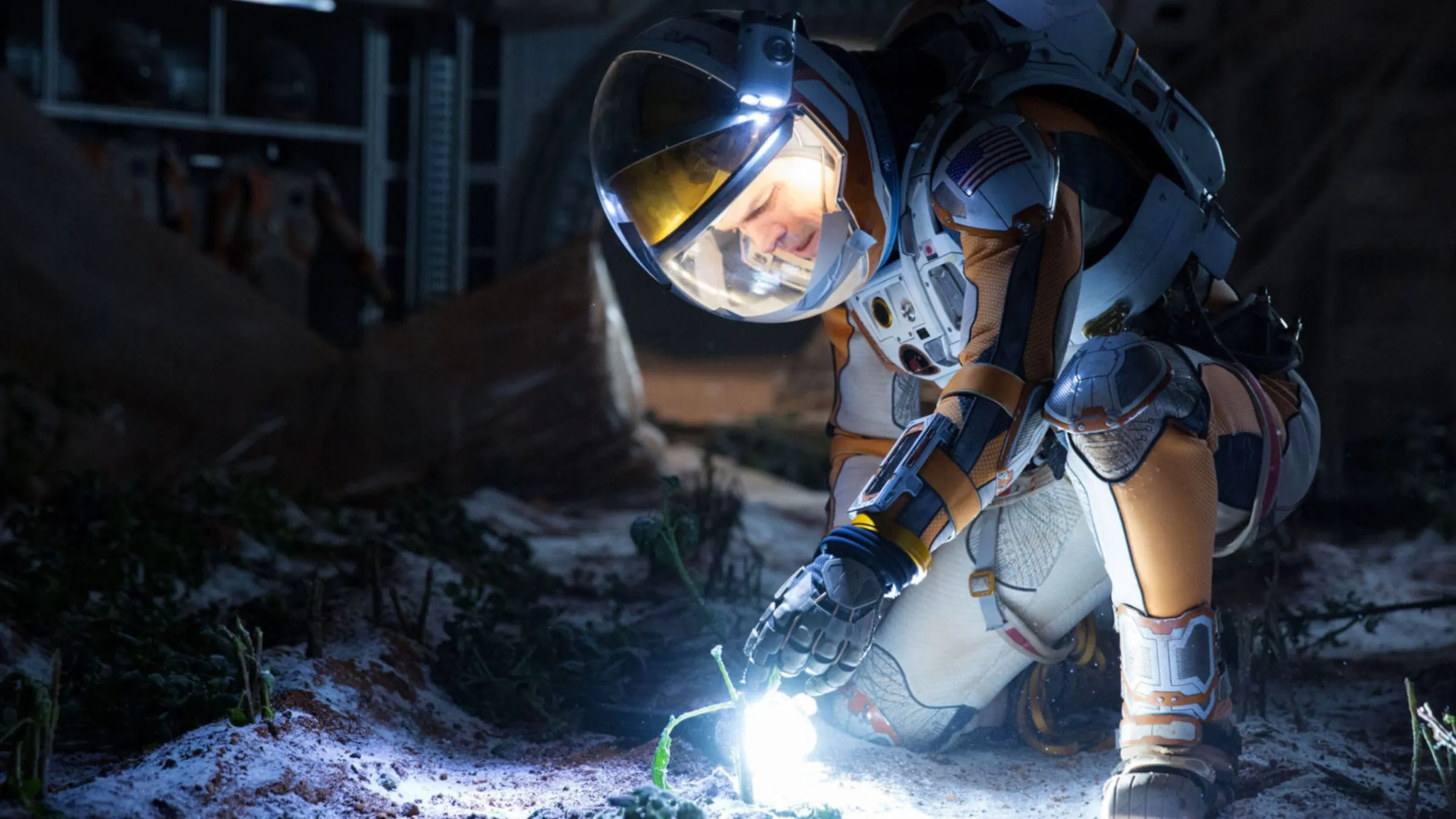
Inspired by Andy Weir’s novel, The Martian is a detailed story about how one man survives using science – specifically chemistry and plant knowledge. When astronaut Mark Watney (Matt Damon) is left alone on Mars, he has to use his skills to create a livable space and stay alive until help arrives. The movie’s portrayal of growing food on Mars is surprisingly realistic; scientists believe that, with careful handling of harmful chemicals, the Martian soil could actually support plant life.
Ridley Scott’s film, The Martian, went to great lengths to be realistic, collaborating with NASA to create believable habitats and rovers that felt like a natural step forward for space technology. However, the movie takes one significant liberty with reality: the enormous dust storm that strands the main character. Mars’ atmosphere is so thin – about one percent of Earth’s – that even incredibly strong winds wouldn’t have the power to knock over the equipment shown in the film. Despite this initial fictional event, the rest of the story accurately portrays the principles of scientific problem-solving.
1) 2001: A Space Odyssey
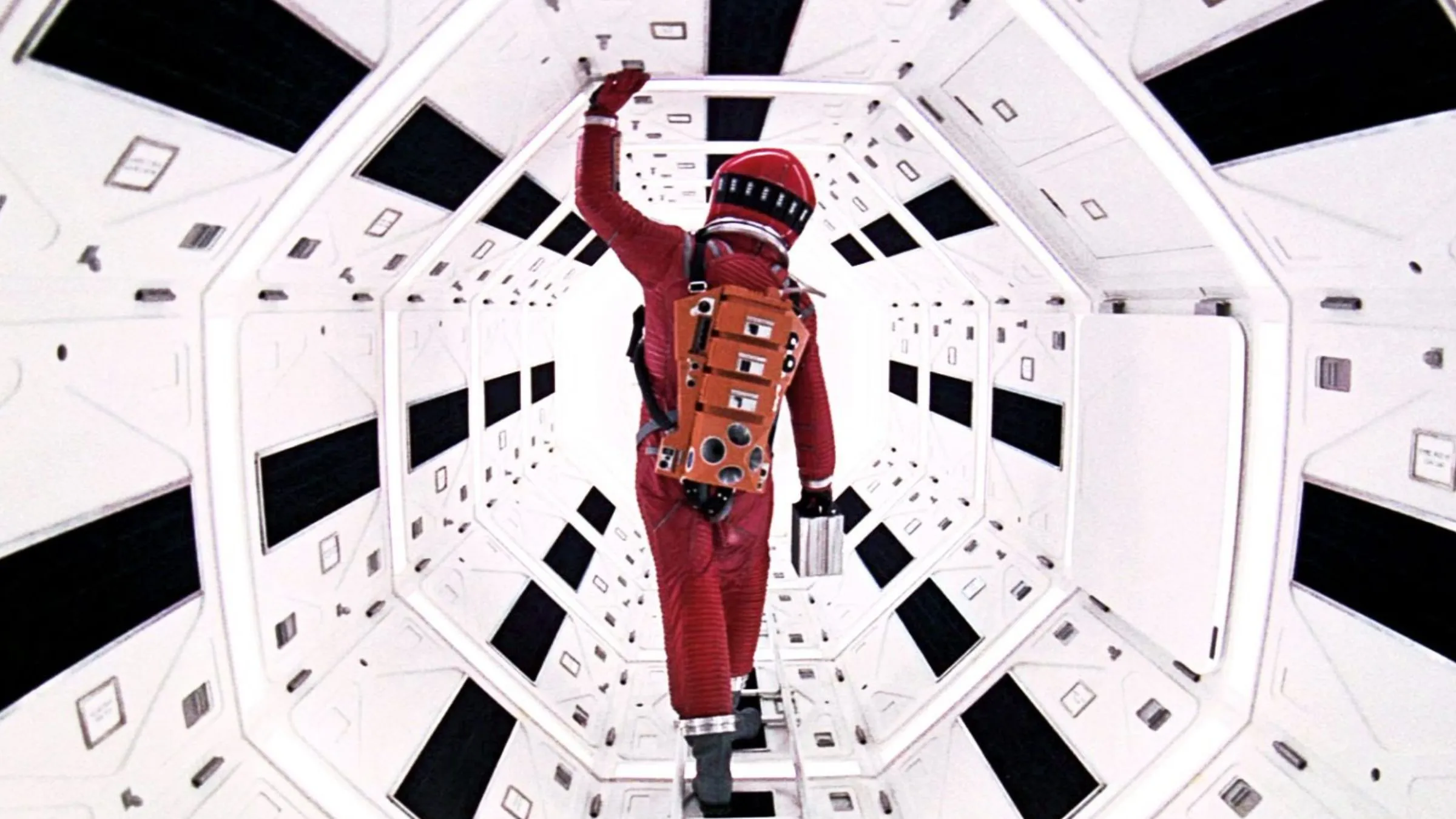
As a huge film buff, I still think 2001: A Space Odyssey is the gold standard for how science fiction should feel realistic. What really struck me, even decades after it came out, is how much Stanley Kubrick and Arthur C. Clarke cared about getting the details right – they really wanted to show a believable future for space travel. It’s especially noticeable with the sound – or lack of it! They smartly showed space as truly silent, relying on the astronauts’ breathing to build tension. And the design of the Discovery One ship is brilliant; the rotating section creating gravity using centrifugal force just feels like the most practical way we’d actually handle long trips in space. It’s details like that which make the film so enduring.
Beyond its realistic portrayal of space travel, the film 2001: A Space Odyssey remarkably predicted future technology. It featured characters using flat-screen tablets and video calls years before these became common. Although the movie later explores more philosophical themes, its initial depiction of space and how people might live among the stars set a standard for accuracy that continues to challenge filmmakers today.
What sci-fi movie gets the science right and gives you the best sense of what the universe is like? Share your thoughts in the comments and join the discussion in the ComicBook Forum!
https://comicbook.com/movies/list/7-great-sci-fi-movies-with-no-villain/embed/#
Read More
- What Song Is In The New Supergirl Trailer (& What It Means For The DC Movie)
- Gold Rate Forecast
- Eurogamer Gives ARC Raiders 2/5 Over AI Voices, Dropping Metacritic Score from 94 to 84
- Marvel Star’s Hit HBO Series Surprise Renewed for New Season (Will It Affect Avengers: Secret Wars?)
- MOUSE: P.I. For Hire Loops in Caravan Palace for A Catchy New Track Ahead of April 16 Release
- Kylo Ren’s Darkest Moment: A Shocking Echo of Anakin’s Infamous Past
- 49 Years Ago Today, Movie History Was Changed by a Film You’ve Never Even Seen
- Ariana Grande and More Celebs React to Golden Globes 2026 Nominations
- Homura Hime coming to Switch 2 in 2026
- Spider-Man 4 Rumor Roundup Reveals Sadie Sink’s Role With Power Change & More
2026-02-21 02:14