
Video game heroes are typically shown as the obvious solution to bad guys, the bright hope that fights against strong evil and fixes a broken world. They represent what everyone should strive for, and have inspired many people for years. For a long time, video games have succeeded because of this simple, yet effective concept: the hero always saves the day, no matter the sacrifice.
Often, stories aren’t simple, and real-life heroes rarely act without a valid reason. Many of gaming’s most famous main characters have actually created more destruction and caused more suffering than the villains they fight, sometimes claiming it’s for the greater good, but also driven by self-interest. In reality, these so-called “heroes” frequently leave the world in a worse state than they found it, making us reconsider what true heroism means. Keeping that in mind, here are four video game heroes who actually did more damage than the villains.
4. Joel Miller (The Last of Us)
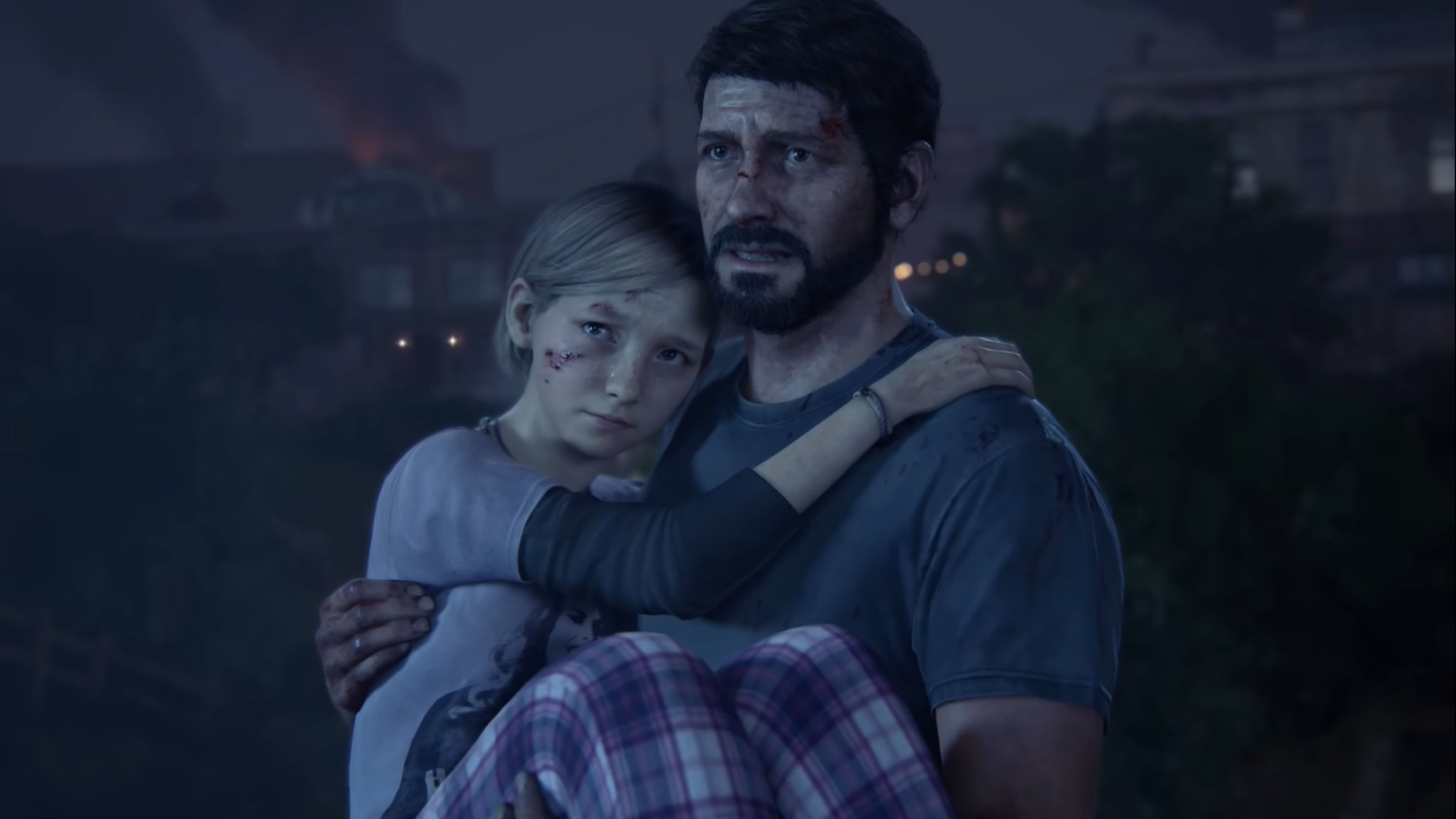
Joel Miller from The Last of Us is one of the most talked-about characters in recent heroic stories when it comes to questions of right and wrong. His life is marked by immense sadness, starting with the heartbreaking loss of his daughter when the outbreak first began. Throughout the first game, his connection with Ellie is widely praised as one of the most genuine and touching relationships ever seen in gaming. It’s simple to become fond of Joel, and a lot of players understand his fierce determination to keep Ellie safe. Although the relationship between Joel and Ellie is filled with tragedy, it remains incredibly heartwarming.
However, at the most intense moment of the first game, Joel makes a choice that clearly positions him as a villain, prioritizing his own feelings over doing what’s right. He kills everyone at the Fireflies and stops Ellie from being sacrificed, even though that sacrifice could have led to a cure for the infection, effectively removing humanity’s only hope. While he believes he’s acting out of love, others see his actions as selfish and cruel. Essentially, one man’s inability to accept loss dooms the world to ongoing hardship. The infected continue to spread, society remains fractured, and many people die because Joel couldn’t face losing Ellie. Years later, Joel’s death at the hands of Abby is a direct consequence of the choices he made.
The antagonists in The Last of Us are usually driven by desperation or a desire for revenge, but Joel’s motivations are far more unique. He prioritizes his bond with Ellie above the potential survival of humankind, essentially dooming humanity’s future. In several ways, groups like the cannibals, raiders, and Firefly radicals seem less damaging than what Joel has done, establishing him as one of the most complicated “heroes” in gaming. If the narrative was presented through another character’s eyes, Joel would undoubtedly be seen as the primary villain within the Last of Us world.
3. Commander Shepard (Mass Effect)

Initially, Commander Shepard from Mass Effect appears to be the perfect hero. Shepard brings together different galactic civilizations, reconciles opposing groups, and fights an ancient race of machines that could destroy all advanced life. Throughout the three games, players make decisions that determine whether Shepard becomes a symbol of peace and diplomacy, or a powerful and uncompromising leader. Ultimately, Shepard is the hero the galaxy relies on when facing total destruction.
However, Shepard’s wins often hide hidden disasters. Based on the player’s choices, Shepard can unintentionally lead to the complete disappearance of entire species. The Rachni, for instance, can be given a second chance or destroyed, but both options have significant consequences that could throw the galaxy into chaos. Then there’s the situation with the Krogan, a once-powerful species weakened by the genophage. Shepard can decide to lift the genophage, potentially allowing the Krogan to become dominant and start a galactic war, or keep it in place, ensuring the species remains controlled. Both choices create widespread and lasting suffering.
Honestly, even the ending they gave us in the trilogy really shows how much damage Shepard does along the way. Destroying the Reapers? That either completely wipes out all synthetic life – and I loved characters like the geth – or it forces everyone into this new, controlled synthesis. It’s like, Shepard’s always trying to save the galaxy, but the cost is always huge. When you compare it to what the Reapers were doing, Shepard’s sacrifices sometimes feel even worse! The Reapers wanted to ‘preserve’ life by destroying everything, but Shepard leaves the galaxy fundamentally broken, with choices that don’t really feel like wins. I’m really curious to see where they take the story with Mass Effect 5 – it’s going to be fascinating from a narrative point of view.
2. Wander (Shadow of the Colossus)
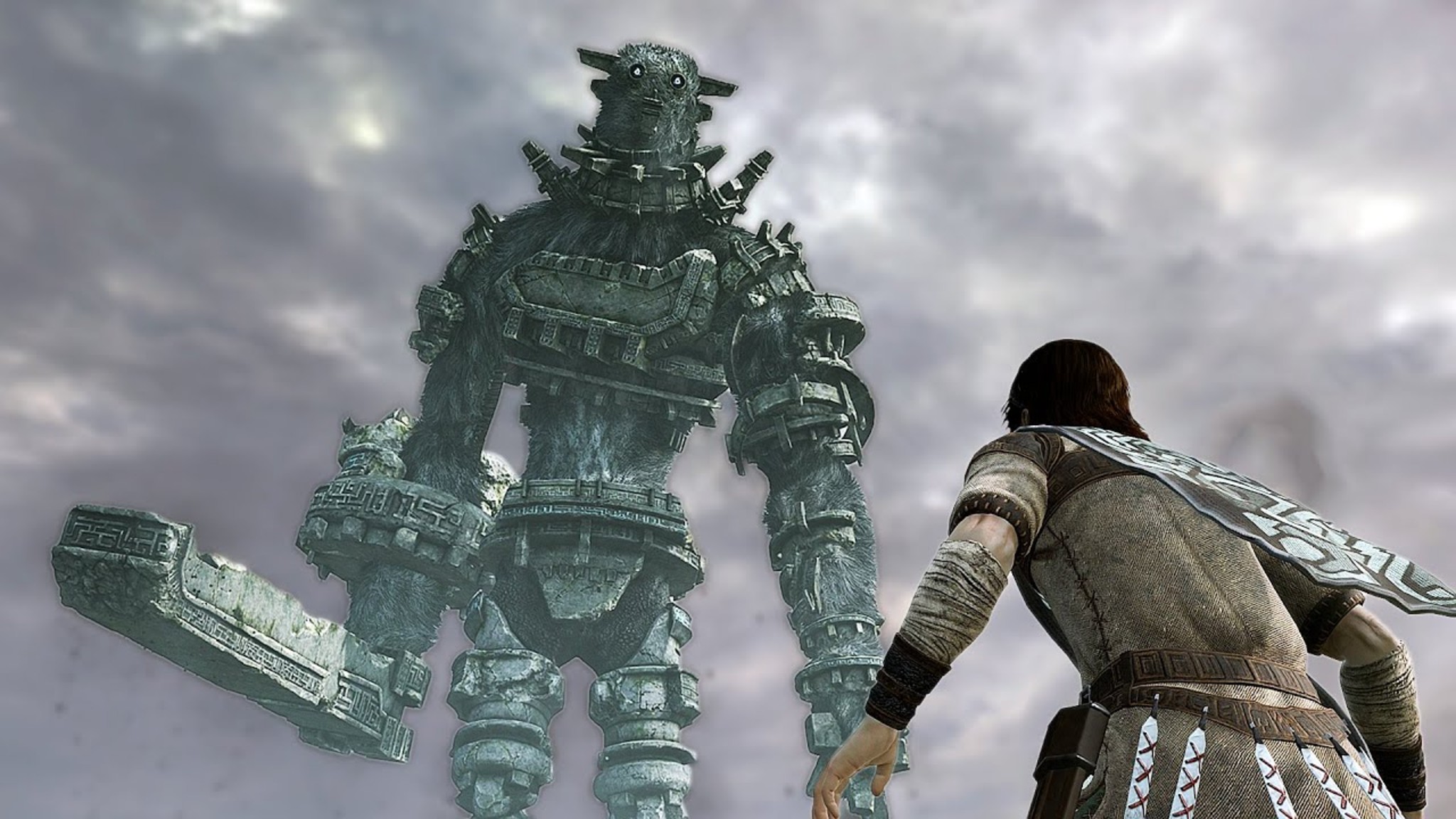
In Shadow of the Colossus, you play as Wander, a young man determined to revive someone he loves. Initially, Wander seems like a noble hero, using his sword and willpower to fight gigantic colossi that protect a sacred land. The game deliberately emphasizes his point of view, making players believe at first that these colossi are dangerous enemies that need to be destroyed. The epic nature of these fights portrays Wander as a brave underdog overcoming incredible obstacles because of his love.
However, there’s a hidden and troubling reality. The massive creatures, known as colossi, aren’t the destructive monsters they initially seem to be. Later in the game, it’s revealed they are actually peaceful, with many remaining calm unless Wander provokes them. Instead of protecting the world, Wander is actually causing its destruction with each colossus he defeats. Every time a colossus falls, it releases pieces of Dormin, a dangerous being that was sealed away. Dormin is using Wander’s strong desire to accomplish his goal: to break free.
As the game concludes, Wander is ultimately overtaken and changed, serving as a means for Dormin to be reborn. His impulsive journey doesn’t just lead to his own demise, but also releases a long-forgotten evil back into the world. The true antagonist isn’t solely Dormin, but rather the heartbreaking innocence of Wander, whose unwavering affection brings ruin to both the balance of nature and himself. Unlike typical heroes, Wander’s story serves as a cautionary tale: not every pursuit of love and life results in success. Sometimes, they lead to destruction when a lack of understanding is in control.
1. Kratos (God of War)
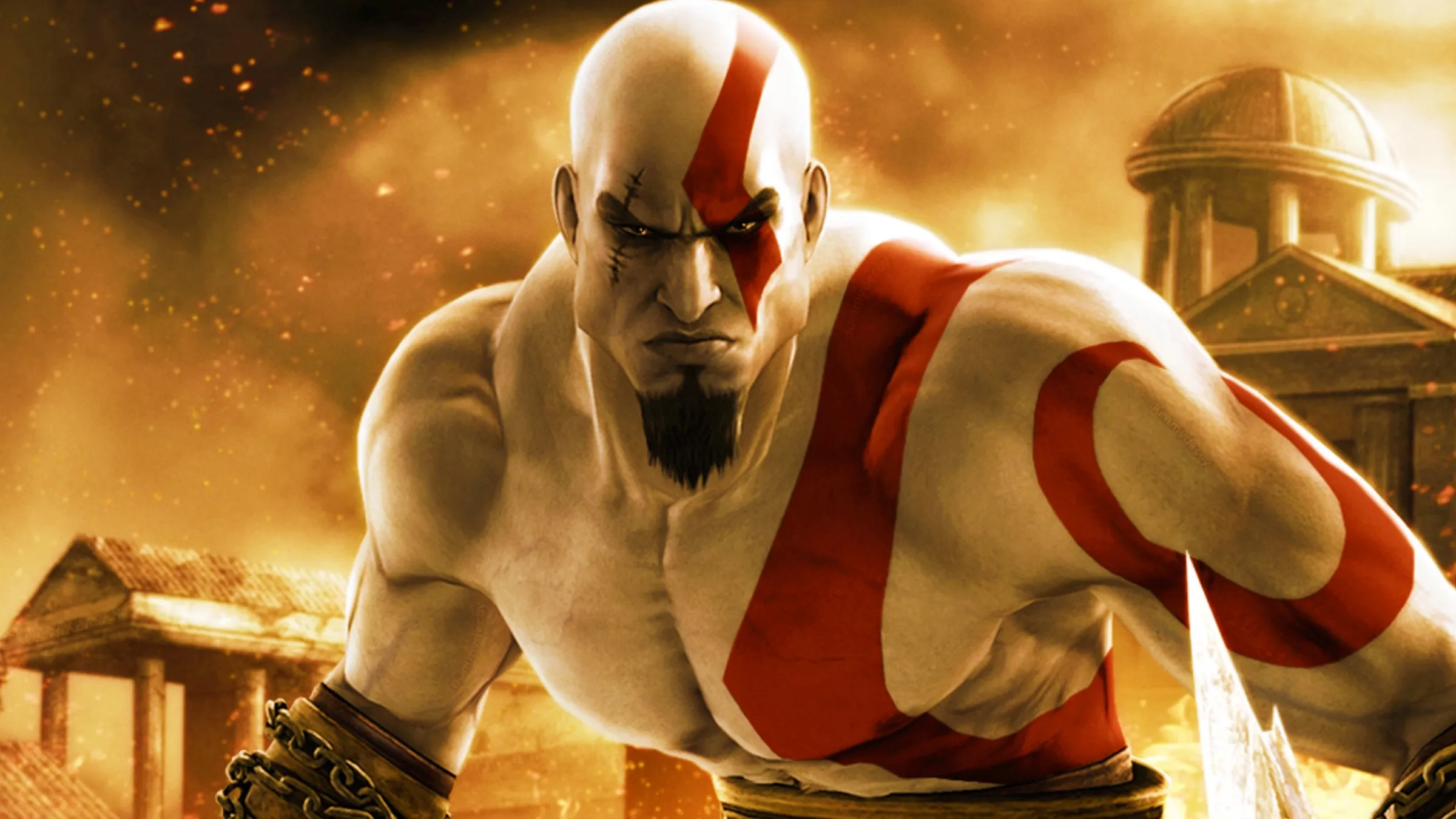
It’s hard to find a video game hero as well-known for their questionable actions as Kratos from God of War. He starts as a Spartan soldier who makes a deal with Ares, but turns against the god after being tricked into killing his own family. This leads Kratos on a brutal quest for revenge against all the Greek gods. No deity was safe, and many players felt he was right to act as he did. Wouldn’t you want payback against gods who lied and ruined your life? Kratos is incredibly determined and filled with rage, managing to succeed against all odds by literally changing the stories of the myths themselves.
However, Kratos’ lasting impact is marked by destruction and devastation. As the story unfolds, his increasingly erratic behavior forces him to confront his own sense of right and wrong. Kratos doesn’t just *defeat* the gods; he brutally massacres them, which throws the entire Greek world into chaos. For instance, when he kills Poseidon, the earth is flooded. Slaying Hades releases the spirits of the dead, and his revenge on Helios throws the world into complete darkness. Every act of anger against Olympus results in disasters that harm humanity even more than the gods’ actions ever did. Ultimately, when Kratos is done, the Greek world is a wasteland, its civilization ruined not by the gods’ oppression, but by his endless fury.
In the newer God of War games, Kratos is a lot calmer and spends more time thinking about what he’s done. Although he finally got his revenge, he realizes he went too far and is trying to make up for his past mistakes – something that keeps coming up throughout the story. However, his earlier life firmly establishes him as a hero who caused far more damage than any of the series’ villains. His story makes you question what justice really means, demonstrating how seeking revenge, even when it’s framed as heroism, can lead to massive destruction.
What do you think? Leave a comment below and join the conversation now in the ComicBook Forum!
Read More
- What Song Is In The New Supergirl Trailer (& What It Means For The DC Movie)
- Why is Tech Jacket gender-swapped in Invincible season 4 and who voices her?
- TV legend Carol Kirkwood reveals the reasons why she decided to retire after 28 years with BBC
- Dune 3 Gets the Huge Update Fans Have Been Waiting For
- Highly Anticipated Strategy RPG Finally Sets Release Date (And It’s Soon)
- How Blake Lively & Ryan Reynolds’ Kids Pranked Her on April Fool’s Day
- Kanye West’s Wife Bianca Censori Details New Marriage Milestone
- 49 Years Ago Today, Movie History Was Changed by a Film You’ve Never Even Seen
- Butcher’s Transformation Into A “Ruthless Killer” In The Boys Season 5 Explained By Karl Urban
- Starfield PS5 Won’t Play Off Physical Disc without a Download
2025-10-03 23:46