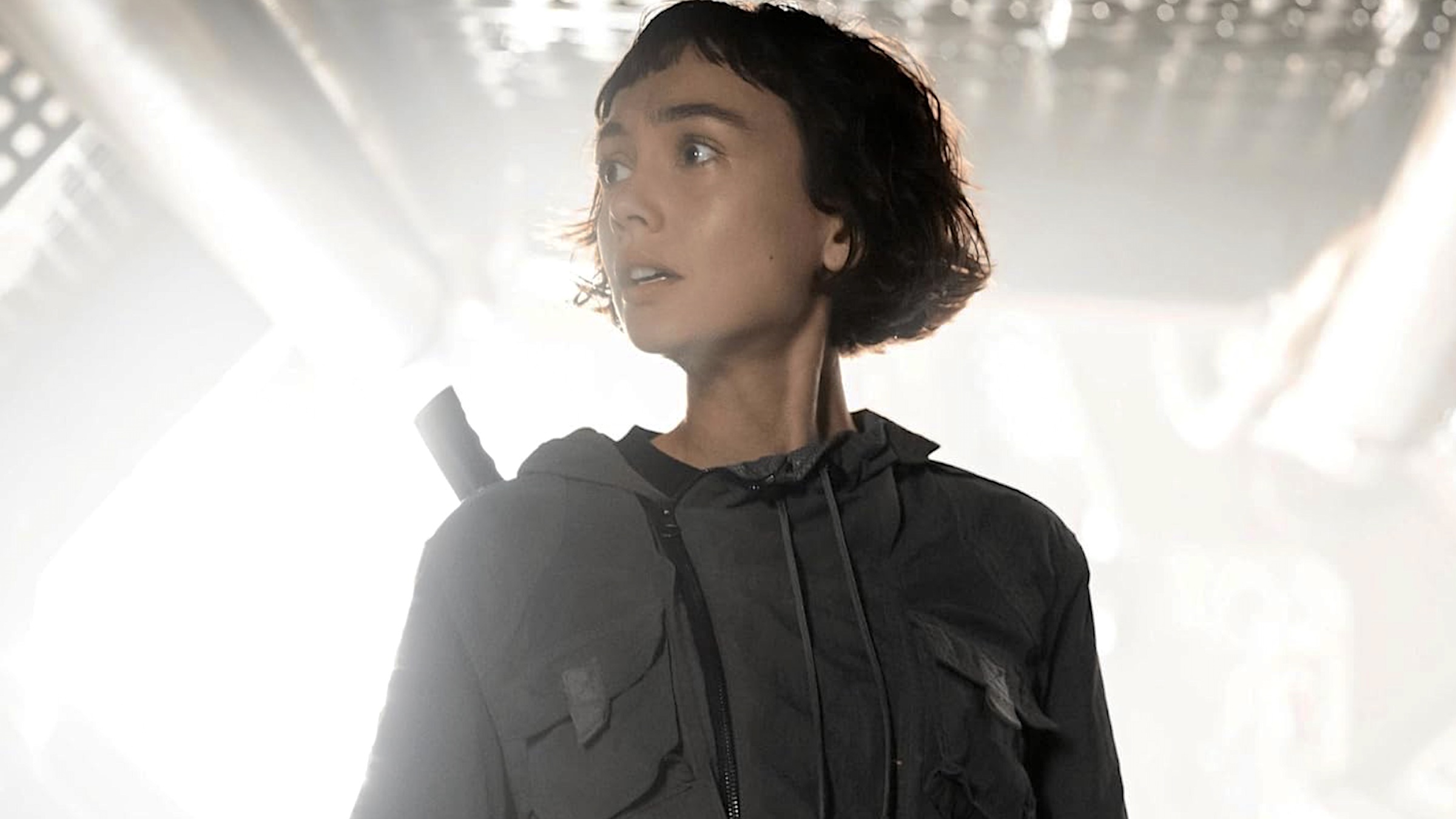
Alien: Earth’s initial season has finished airing, and its effect on the Alien series is a mix of good and bad. As the very first Alien TV show, Alien: Earth tries something new by introducing fresh characters and creatures. The story takes place two years before the events of Ridley Scott’s Alien (1979), and centers around a Weyland-Yutani ship that crashes on Earth, carrying five dangerous alien life forms. These aliens end up in the hands of Boy Kavalier (Samuel Blenkin), the CEO of Prodigy Corporation, who seems strangely enthusiastic about studying their terrifying powers. At the same time, Prodigy is trying to achieve immortality by transferring human minds into artificial bodies, which results in a group of hybrid beings called the Lost Boys. Alien: Earth is full of sinister plots and violent monster battles, making this new addition to the franchise on FX and Hulu well worth watching.
As a huge fan of the Alien franchise, I was really excited about Alien: Earth, and I think it brings a genuinely fresh and dynamic perspective to the established lore. However, even though I enjoyed it, it’s not perfect – there are a few pretty noticeable mistakes that hold it back a little.
7) Improved: Incorporating More Monsters and Machines
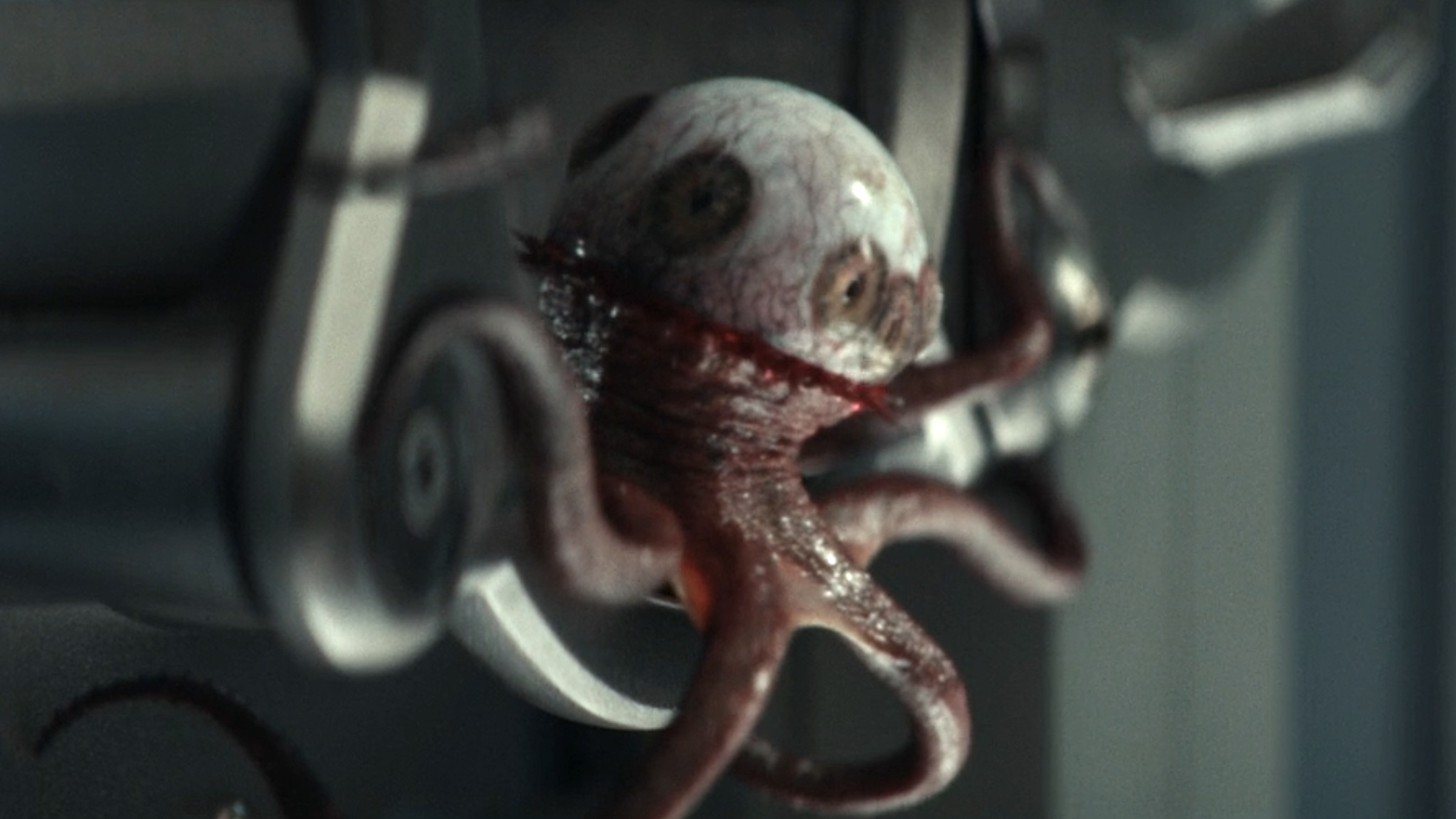
While Xenomorphs are still central to the Alien universe, Alien: Earth expands the bestiary with a variety of new creatures and machines. The show features never-before-seen aliens, including a terrifyingly intelligent being that controls others by replacing their eyes. Viewers will also encounter aggressive fly-like monsters, a dangerous plant organism, and parasitic blood bugs, all of which demonstrate their frightening powers throughout the story of Alien: Earth.
As a fan, I’ve been really impressed with how this series is pushing the boundaries of the Alien franchise. It’s the first time we’re seeing this level of advanced technology. We all know about synthetics from the Alien movies, but Alien: Earth introduces two completely new types of enhanced people. There are cyborgs, like Kumi Morrow (Babou Ceesay), who are humans with robotic parts. And then there are the hybrids – Wendy (Sydney Chandler) and the other Lost Boys were all terminally ill before they were changed. I think the show’s success really comes down to these new, unsettling creatures and the cutting-edge tech. It’s not just sticking to the Alien formula of focusing on the xenomorphs; it’s actually expanding the world and setting up a really strong foundation for what comes next.
6) Improved: Introducing Compelling Characters and Arcs
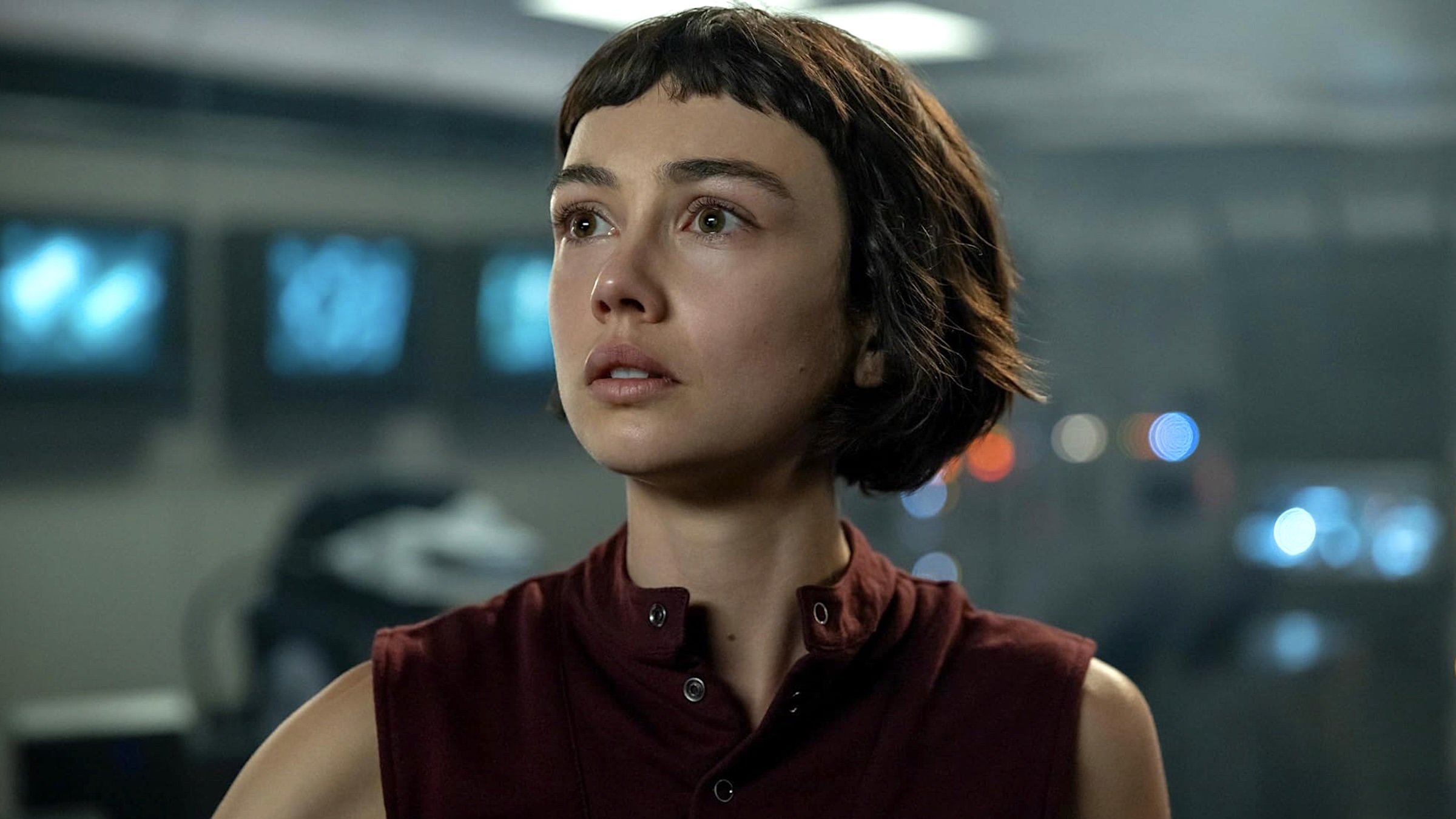
Alien movies aren’t usually known for having well-developed characters, but Alien: Earth changes that by introducing a lot of interesting people and stories that really make the franchise better. Right from the start, Alien: Earth lets viewers get to know a diverse group of characters, including Weyland-Yutani’s head of security, Morrow, and the very first hybrid, Wendy. We also meet compelling figures like Kirsh (Timothy Olyphant), a synthetic scientist from Prodigy, and Boy Kavalier, who is driven by power, and they each have captivating stories. This is the first time an Alien project has focused so much on a large cast of great characters from different groups and with varied backgrounds. Luckily, simple character sketches are a thing of the past, because Alien: Earth gives each person a distinct personality, history, and allows them to grow throughout the eight episodes of the series.
5) Improved: More Thoroughly Exploring Corporations and Oligarchy
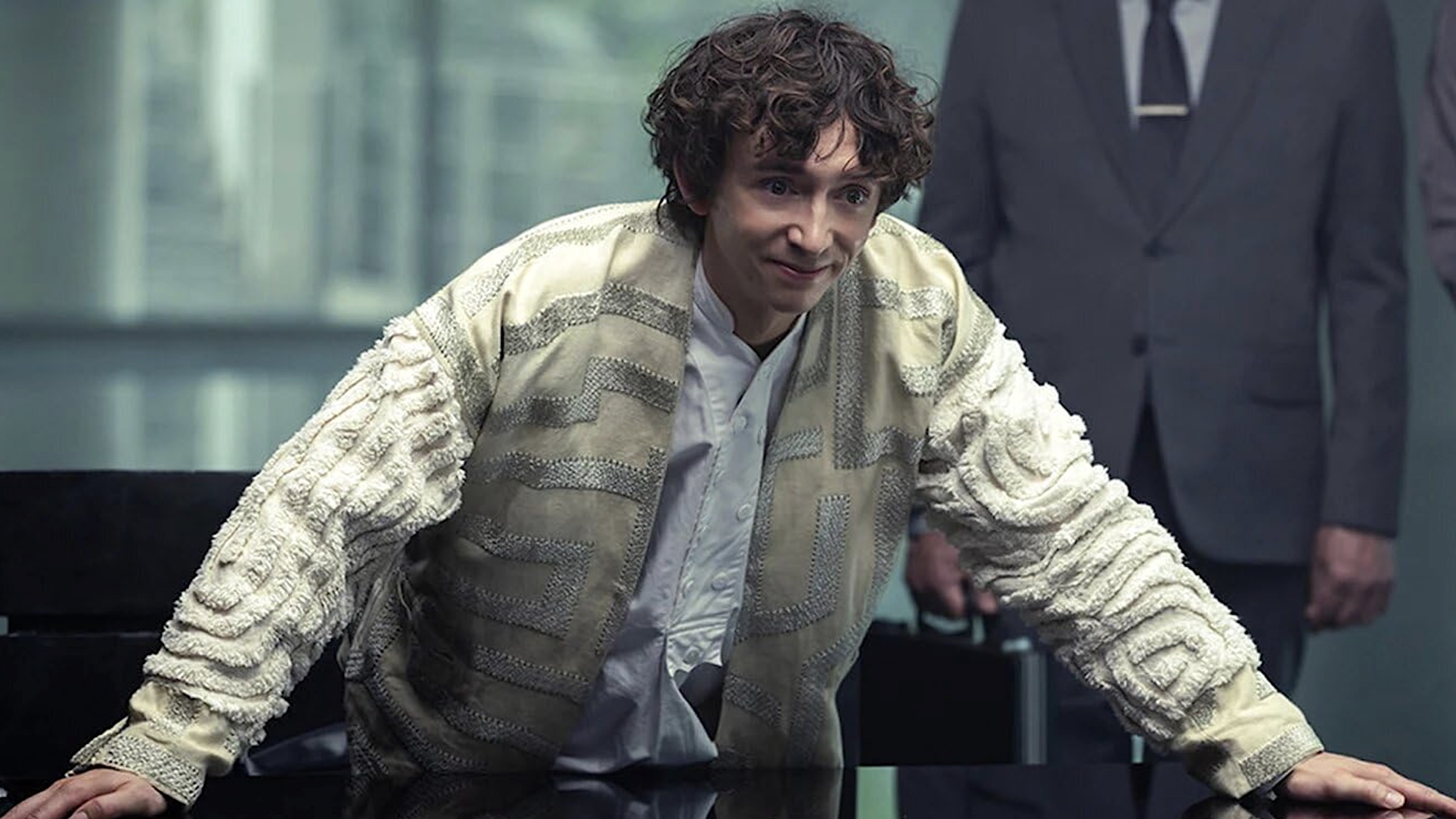
Prior to Alien: Earth, the Weyland-Yutani corporation wasn’t well-defined and was often simply called “the company.” The series remains faithful to Alien‘s critique of capitalism, but it delves much more thoroughly and disturbingly into how large corporations impact society. The story of Alien: Earth is driven by Prodigy, Weyland-Yutani, the people who work for them, and the choices they make. The planet is governed by an extremely rich and powerful elite who completely control the destiny of humankind. Boy Kavalier’s pursuit of wealth leads him to disregard the risks associated with his new organisms and his dependence on artificial intelligence, and Weyland-Yutani demonstrates that the value of what’s being transported is more important than the lives of those on board.
Alien: Earth takes the show’s critique a step further, highlighting the terrible way Prodigy exploits children through the hybrid experiments. Boy Kavalier sees them simply as test subjects and disregards their physical and emotional pain. While criticisms of powerful corporations and ruling elites have always been present in Alien films, Alien: Earth makes this theme even more unsettling by revealing the inner workings of Weyland-Yutani and the key figures at Prodigy. The show clearly displays how capitalist greed operates, which adds depth to the story and makes it feel more connected to real-world issues.
4) Improved: Episode 5 Is Better Than the Alien Movies
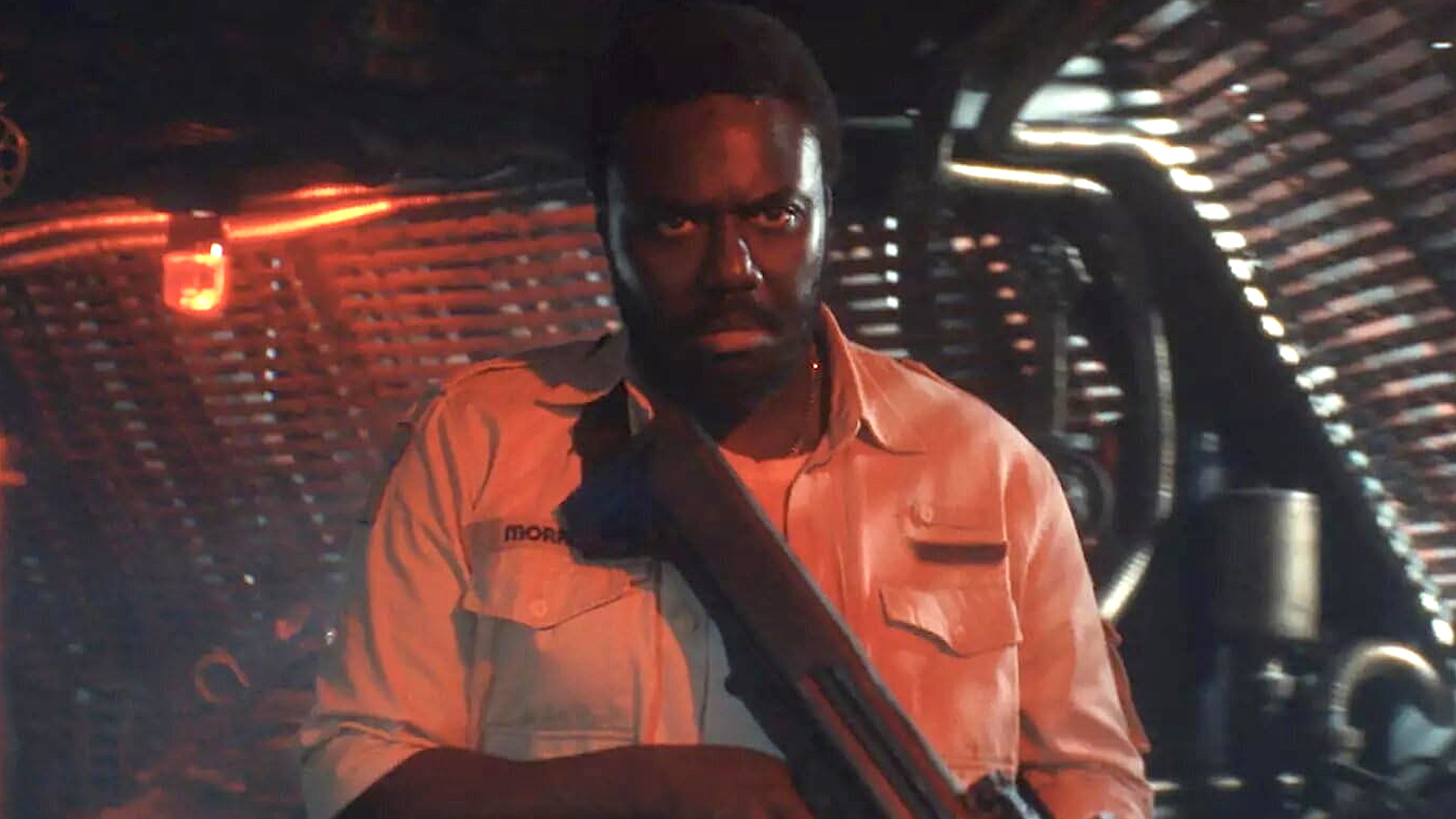
Alien: Earth Episode 5 truly captures the feel of an Alien movie, and it’s fantastic. “In Space, No One…” takes us back to the Weyland-Yutani research ship, the Maginot, before it crashed on Earth. With a facehugger escaping, a fire breaking out, and a hidden saboteur causing trouble, Morrow and the crew face immense challenges as they fight both each other and the dangerous alien creatures to stay alive. Packed with suspense and frightening moments, this episode gets back to what makes the Alien franchise so great, while also introducing some fresh and exciting ideas.
Morrow is the main character in this episode, but his suspicion of others and dedication to protecting the monsters-even above all else-actually make him more similar to the villains we’ve seen in other Alien stories. This switch in roles creates a much grimmer version of the Alien storyline, contrasting with the heroic actions of Ellen Ripley (Sigourney Weaver) in earlier films. In addition, the captivating escape of the eye monster and the gruesome deaths of the Maginot crew-caused by the xenomorph and other creatures-make Episode 5 of Alien: Earth the strongest installment so far, and possibly even a better Alien film than the original Alien movies themselves.
3) Hurt: Depicting Earth in an Extremely Limited Capacity

Unlike other Alien stories, this show is set on Earth, not in space or on another planet. However, Alien: Earth doesn’t really use this to its advantage. We don’t get a detailed look at how society works in the future, and most of the scenes happen inside buildings. There are occasional glimpses of the futuristic city or tropical areas outside of Prodigy, but these moments are rare. The story focuses so much on the corporate bosses, scientists, hybrids, and other characters that it neglects to develop the world around them. The series could improve this in future seasons, but currently, Alien: Earth’s narrow focus on the planet and its society is a major weakness.
2) Hurt: Messing up Alien‘s Continuity and Timeline

The Alien franchise always had some timeline issues, but Alien: Earth makes things even more complicated. The Weyland-Yutani ship filled with creatures suggests the company knew a lot about the xenomorphs before the first Alien film. This doesn’t line up with what we see in the Alien movies, where Weyland-Yutani works hard to get and study the eggs and facehuggers. What’s more, Alien: Earth shows Weyland-Yutani had four other organisms that were just as, or even more, dangerous than a xenomorph. This makes you question why the company is so focused on xenomorphs throughout the entire series.
The presence of cyborgs and synths in Alien: Earth creates inconsistencies with other Alien stories, which only show synths coexisting with humans. It feels illogical that cyborgs and hybrids are so important in Alien: Earth and then disappear later in the series’ timeline. Alien: Earth is a fantastic standalone sci-fi horror story, but its complex connection to the existing Alien universe makes some parts of its plot feel uncertain. The show’s initial season introduces timeline issues that seem avoidable, and it remains to be seen how significant these problems will become.
1) Hurt: Treating Xenomorphs Like an Afterthought

While Alien: Earth boasts an impressive array of new creatures – a real highlight of the show – its decision to downplay the xenomorphs is a significant flaw. The iconic creature from Alien appears only sporadically, briefly bursting from chests and slashing its way through a few scenes after the crash, in a flashback episode, and during the Alien: Earth Season 1 finale. For the most part, the xenomorphs feel like they’re not a central focus. The series emphasizes other monsters, particularly the eye creature, to broaden the range of lifeforms in the universe, but it does little to develop the xenomorph itself. Key questions remain unanswered, such as how Wendy is able to communicate with them, and we learn nothing new about the xenomorph’s origins or its importance to Weyland-Yutani. Sadly, Alien: Earth’s inclusion of these new monsters comes at the expense of reducing the xenomorph to a disappointing, minor role.
What do you think? Leave a comment below and join the conversation now in the ComicBook Forum!
https://comicbook.com/tv-shows/news/3-sci-fi-shows-alien-earth-andor-terminator-alien-nation/embed/#
Read More
- The Super Mario Galaxy Movie: 50 Easter Eggs, References & Major Cameos Explained
- 10 Best Free Games on Steam in 2026, Ranked
- Surprise Isekai Anime Confirms Season 2 With New Crunchyroll Streaming Release
- Skate 4 – Manny Go Round Goals Guide | All of the Above Sequence
- Preview: Sword Art Online Returns to PS5 as a Darker Open World Action RPG This Summer
- Why is Tech Jacket gender-swapped in Invincible season 4 and who voices her?
- Shonen Jump Officially Cancels Yet Another Major Series in 2026 (& Fans Saw It Coming)
- Sydney Sweeney’s The Housemaid 2 Sets Streaming Release Date
- Highly Anticipated Strategy RPG Finally Sets Release Date (And It’s Soon)
- Forza Horizon 6 ‘Prologue’ gameplay
2025-09-30 02:13