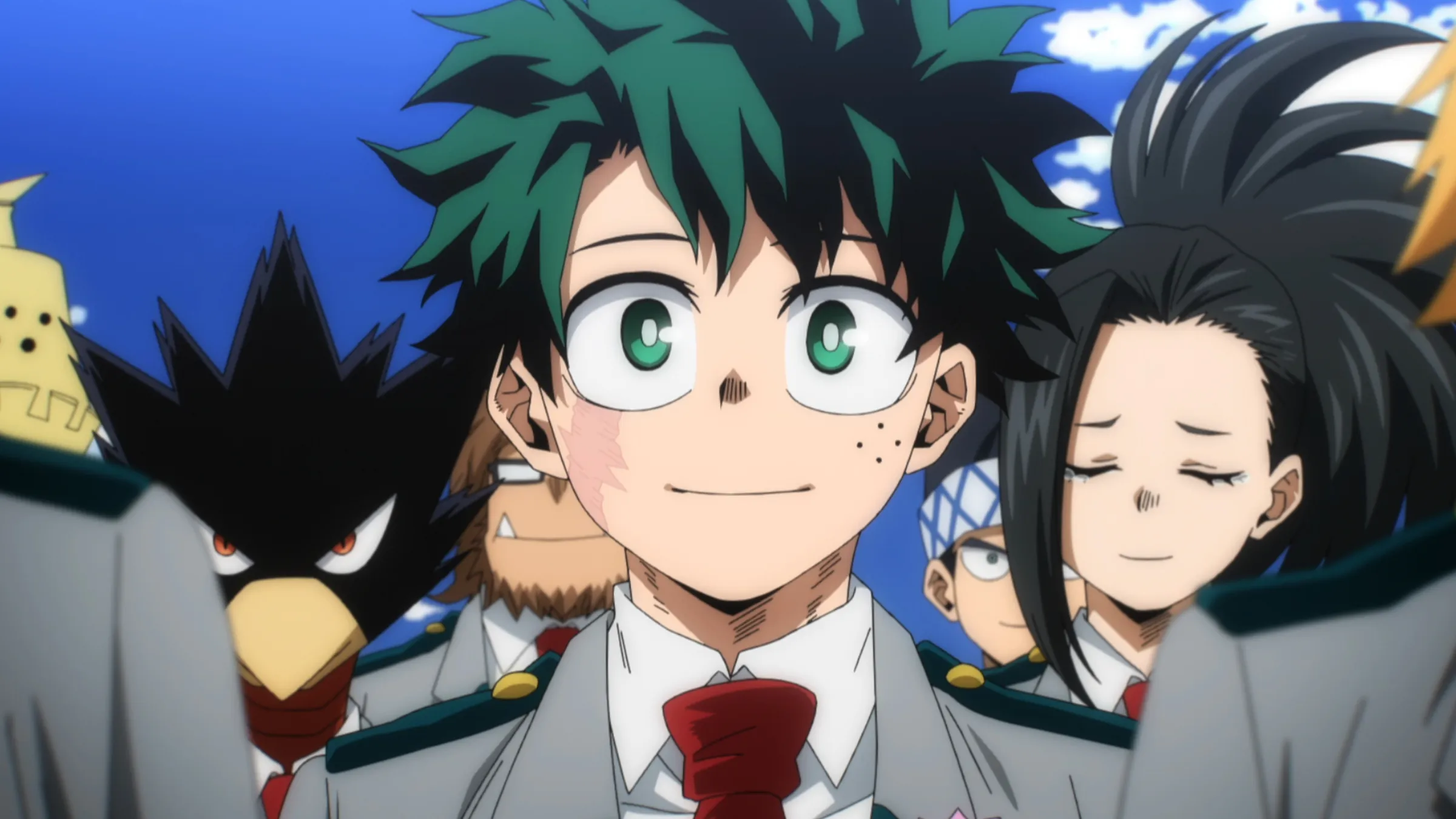
After nine years, the anime adaptation of My Hero Academia has finished, marking the end of a significant chapter for the Shonen genre. The series has been a major force in anime for the last decade, and it’s difficult to picture the current anime world without its yearly seasons and films. From its debut in 2016, Izuku Midoriya’s journey to become the top hero resonated with many fans. Season 8 provided a suitable conclusion, though it wasn’t without some imperfections. Be warned: The following contains spoilers for My Hero Academia Season 8, Episodes 1-11.
The finale of My Hero Academia Season 8 feels like a fitting end to the series, staying true to its core themes in a way that’s both natural and engaging. It respectfully acknowledges the story so far while also looking ahead, and it effectively explores the realistic emotional struggles of its characters. Despite being a strong conclusion, there’s still room for improvement.
7) Perfect: My Hero Academia Brings the Story Full Circle to Answer Its First Question
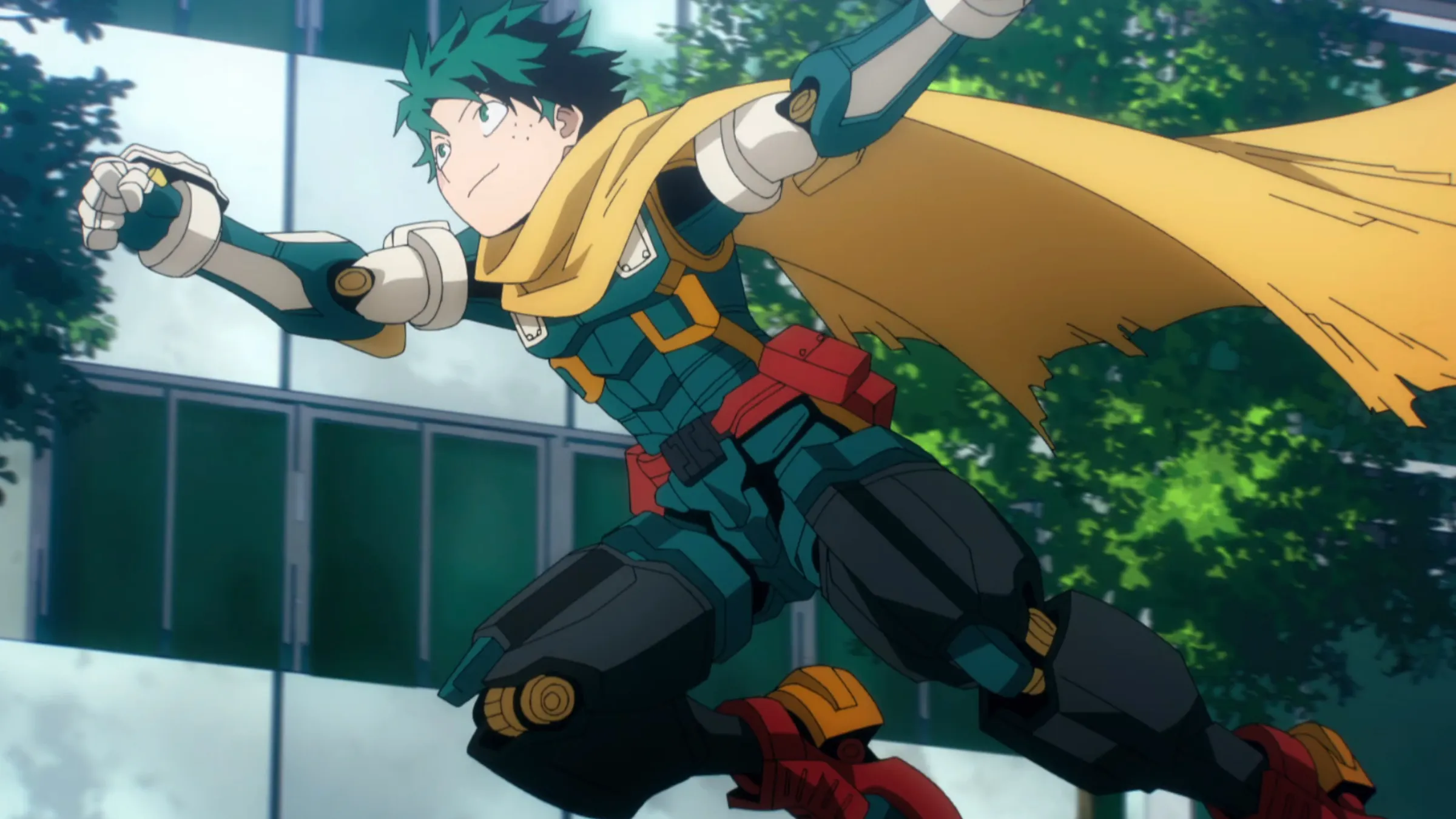
I’m not entirely convinced Midoriya’s storyline perfectly illustrates the show’s core message – that anyone can be a hero, regardless of their abilities. However, the final episodes do a better job of getting that point across. The ending of My Hero Academia beautifully brings the story full circle, echoing earlier events but showing how things can be different in a kinder world. A great example of this is when the woman who once ignored a young Tomura Shigaraki prevents another child from making the same mistakes. She learns from her past and offers help, and it actually changes things for the better.
The anime briefly features a character named Dai, which cleverly echoes Midoriya’s own beginnings. Like Midoriya, Dai wants to be a hero, but his abilities don’t seem suited for the job. When he feels discouraged, he meets Midoriya, who inspires him to find a way to contribute. Moments like this, and Hawks’ decision to highlight ordinary people on the hero rankings, really drive home the show’s message. Ultimately, the series answers Midoriya’s early question to All Might: anyone can be a hero, and that hopeful idea is central to everything.
6) Perfect: The Anime Honors Its Journey (& the Superhero Genre as a Whole)
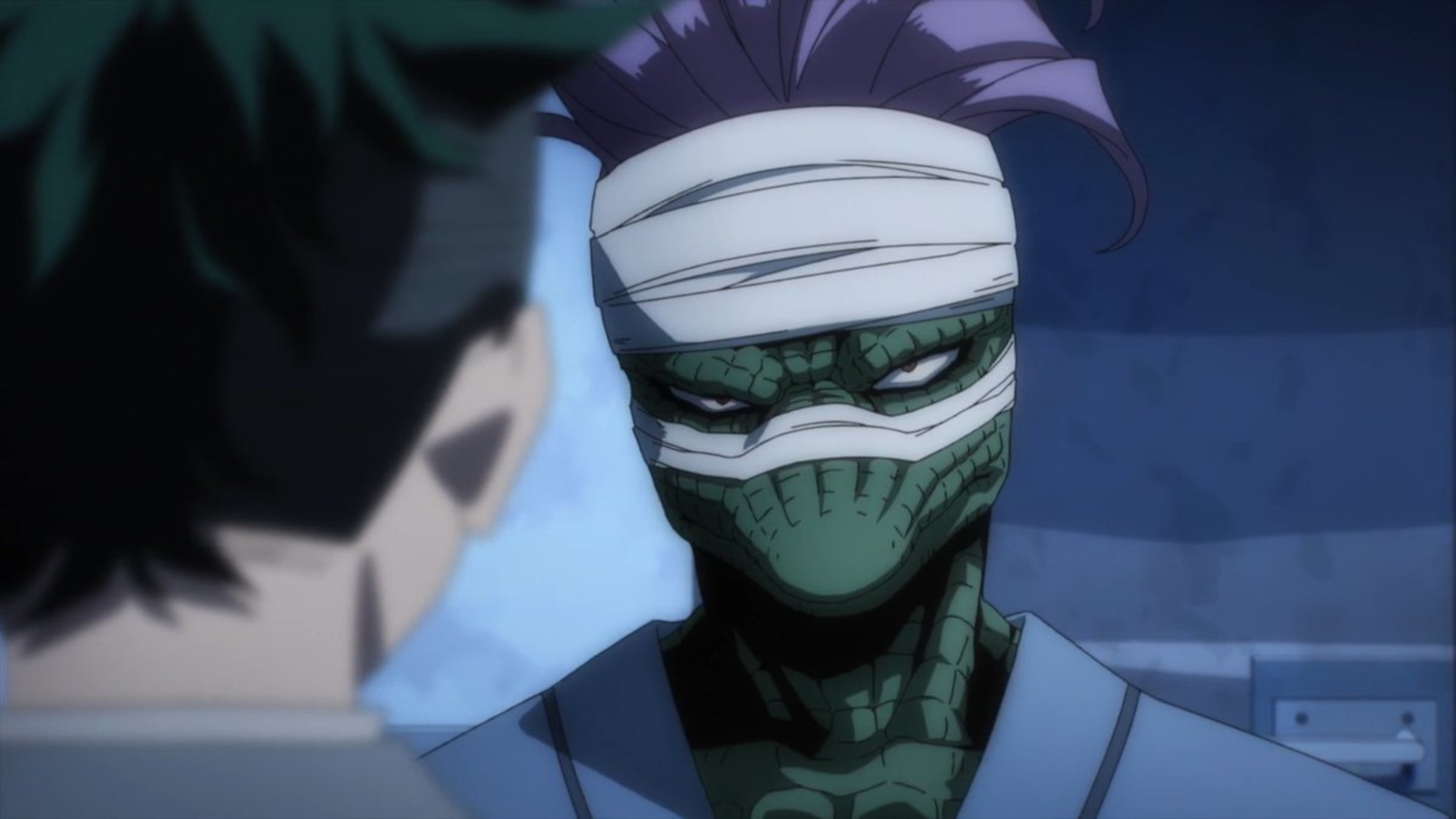
Throughout its nine-year run, My Hero Academia has been great at bringing storylines full circle. But as the series ends, it’s doing more than just revisiting old plots. It’s also making sure to touch on every part of Midoriya’s development, bringing back familiar faces – both allies and villains – and even including cameos from the show’s movies. The finale is filled with nods to past moments, like Todoroki’s fondness for soba noodles and Nighteye’s impactful sacrifice. The final shot of Class 1-A even echoes the ending of Season 1’s opening theme. It all feels like a heartfelt thank you to longtime fans.
The ending of My Hero Academia is a treat for fans and a loving nod to the superhero stories that inspired the series. The final chapters include several references to comic books, most notably a conversation between Midoriya and Spinner. When Spinner decides to document Shigaraki’s life, Midoriya suggests he do it through a comic book. This moment is especially impactful because it shows the series recognizing and appreciating its own roots.
5) Perfect: It Doesn’t Breeze Past the Trauma of the Final War Arc
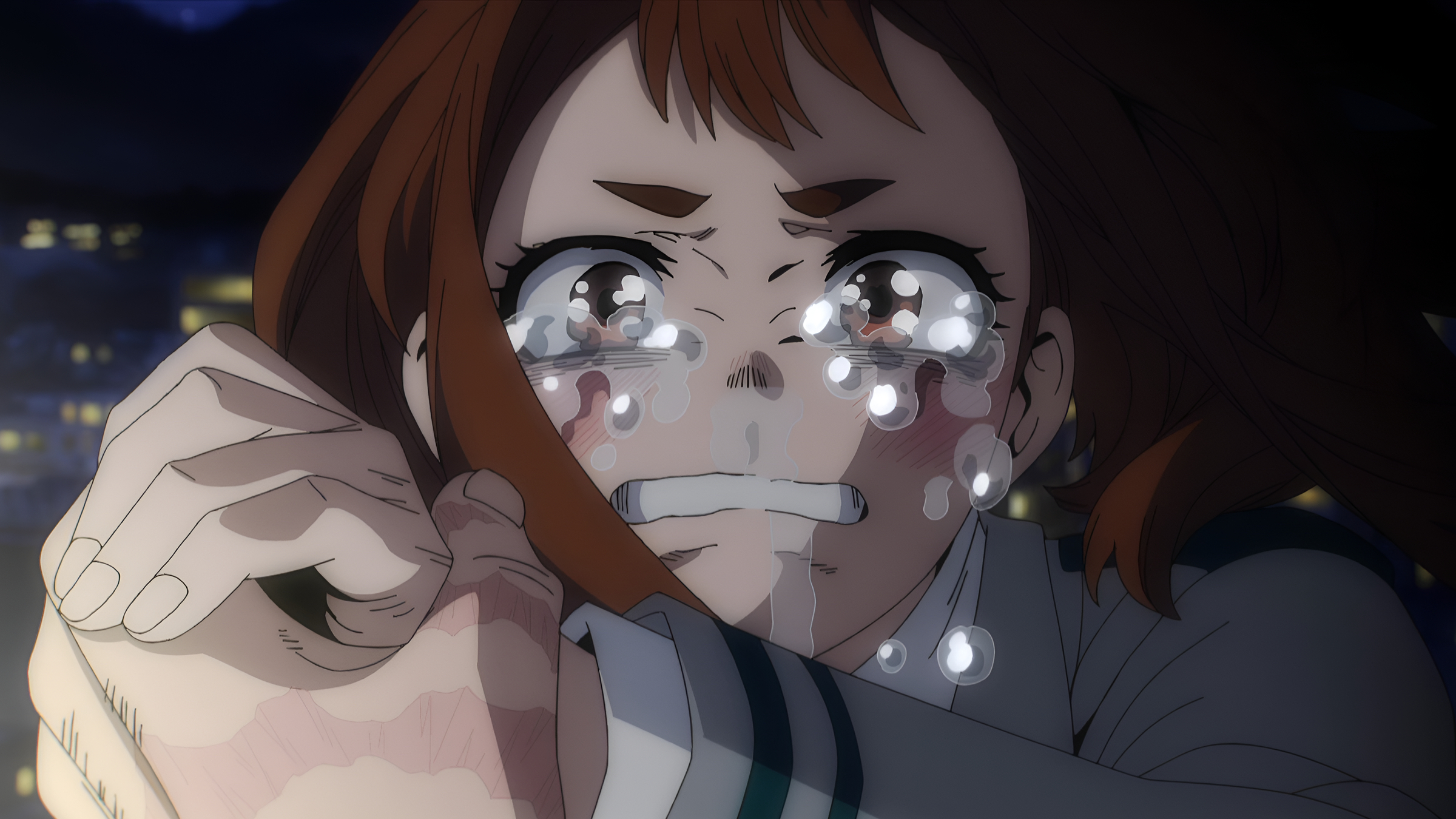
One of the best parts of the final episodes of My Hero Academia is how they honestly show the aftermath of the intense battle against Shigaraki and All for One. The fight leaves both regular people and heroes deeply traumatized, which is realistic and expected. The final three episodes focus on exploring these emotional consequences. A particularly powerful scene shows Ochaco Uraraka overwhelmed with grief because she couldn’t save Himiko Toga. Midoriya is struggling with similar guilt over Shigaraki’s death, and their heartfelt conversation is incredibly moving – it’s a moment that will likely resonate with even longtime anime fans.
This isn’t the only instance of My Hero Academia realistically portraying the fallout from its climactic events. Beyond Midoriya losing his Quirk, characters like Bakugo, Hawks, and Endeavor all suffer lasting injuries that force them to reduce their hero work, or even retire. The Todoroki family’s resolution is also imperfect and doesn’t tie up all loose ends after their conflict with Dabi. The anime also deliberately focuses on the heroes’ recovery and rebuilding process after the war, a realistic touch that’s surprisingly rare in similar stories, but very welcome when it’s included.
4) Perfect: Class 1-A’s Fates Are Perfectly Handled
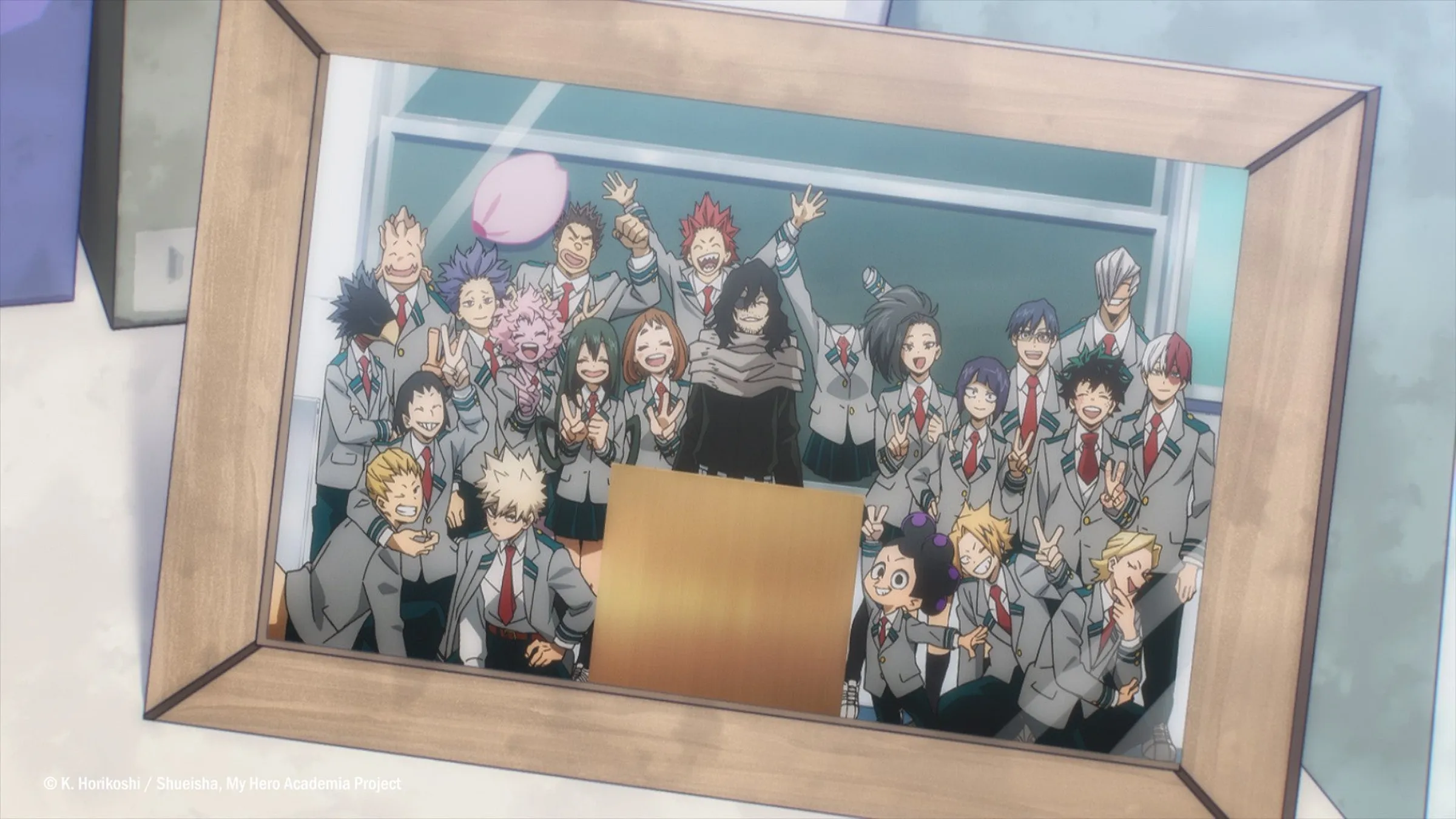
Many anime series, like Naruto, often conclude by focusing on characters settling down with families. However, My Hero Academia wisely avoids this predictable path. Ambiguous endings are often more appealing because they let fans create their own ideas about what happens next for the characters and the world they live in. My Hero Academia finds a sweet spot, giving us enough hints about the future to feel satisfied, but still leaving room for potential future stories with these characters and in this universe. This approach also allows viewers to decide for themselves which characters end up together or achieve greater success as heroes, which helps ensure everyone can be happy with how things turn out.
The series also handles what happens to its characters really well. Bakugo’s continued dedication to being a hero, even knowing he likely won’t reach the top, feels like a fitting conclusion to his growth. Similarly, Uraraka choosing to help others with their Quirks is a beautiful tribute to Toga, and it makes perfect sense that Tenya Ida would take over his brother’s agency – it’s a satisfying outcome for his character.
3) Could Be Better: Deku’s Fate Is Kind of a Bummer
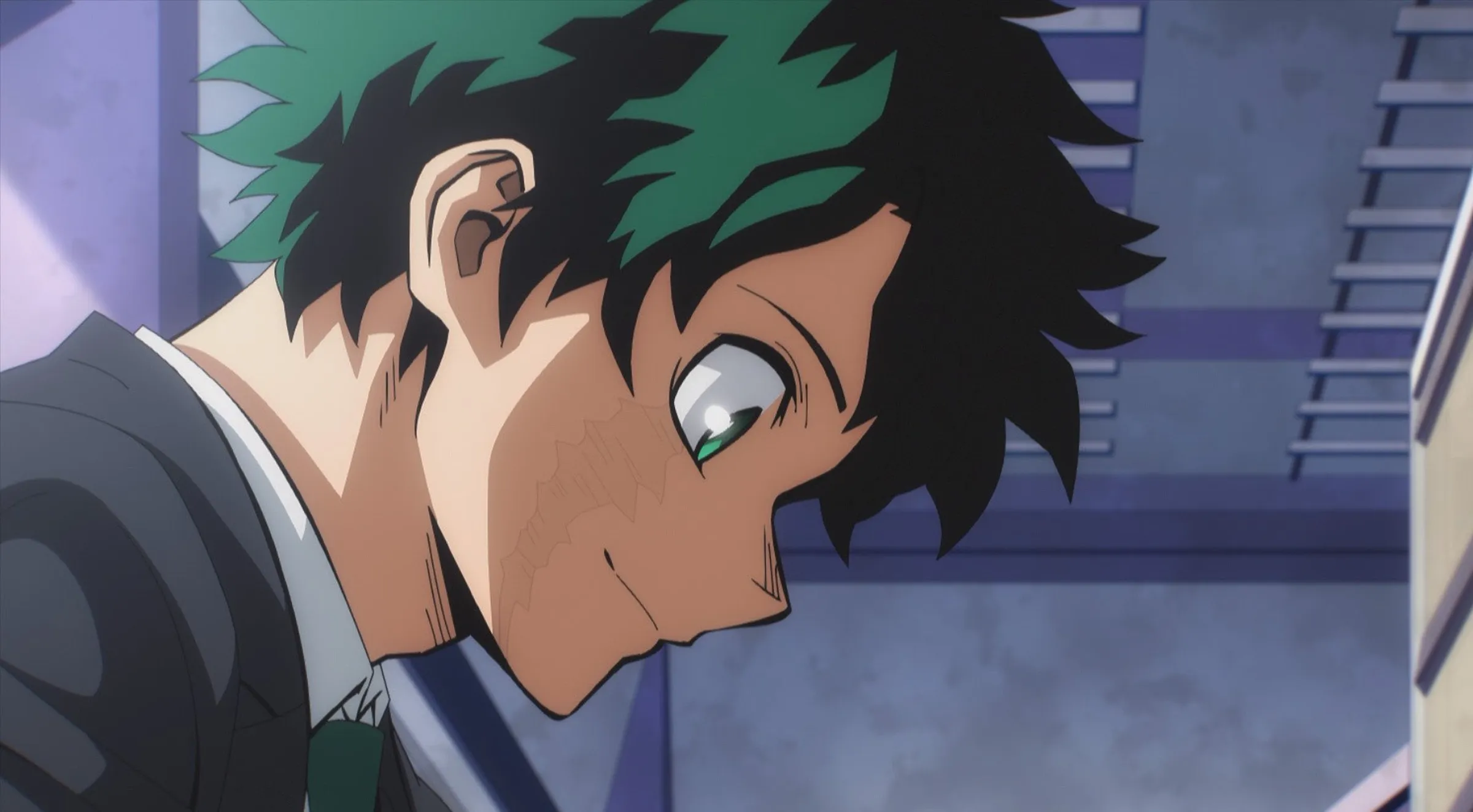
While My Hero Academia tries to inspire viewers by showing anyone can be a hero, even without superpowers, the way the story ends for Midoriya is surprisingly disheartening. This is the main reason fans are upset with the conclusion, and it’s easy to see why. After following Midoriya’s journey to achieve his lifelong dream – a dream he consistently earns – having that dream taken away feels painfully realistic, and frankly, a bit depressing. Seeing Midoriya cry when asked if he misses being a hero was frustrating, even though teaching is a noble path for him. Ultimately, most fans wanted to see him achieve everything he worked for, and he’s arguably the character who deserved it most.
It’s great that My Hero Academia‘s main character gets another chance to fulfill his dream when All Might and his classmates gift him a suit similar to All Might’s from a past battle. This makes the ending a little more hopeful, but it’s still heartbreaking to see him unable to work as a hero for almost ten years. (It’s hard to believe no one could have found a solution sooner, especially after he saved the country!) The series answered its initial question by focusing on regular citizens and All Might’s final fight, so it feels like Midoriya could have retained at least one ability without undermining the story’s core message.
2) Could Be Better: Two Big Questions Are Never Addressed
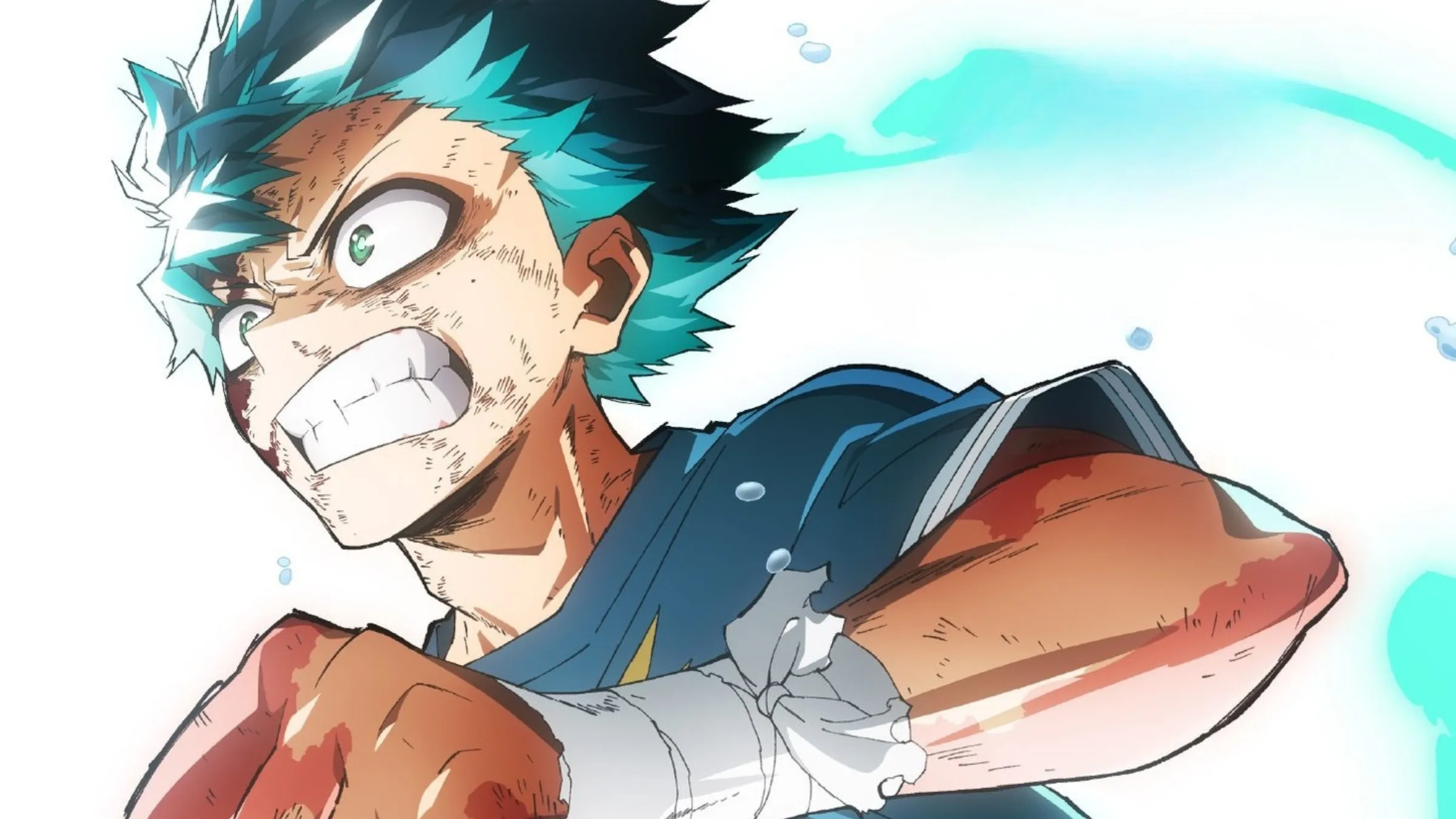
While My Hero Academia wraps up most storylines, a few questions remain unanswered, and one major one makes me wonder if a sequel might address it. A smaller mystery is what happened to Midoriya’s father. Although his absence isn’t central to the plot, it’s never explained, leading fans to speculate about connections to villains like All for One – some even theorized he was the father. The series didn’t need such a dramatic reveal, but could have offered some family background. However, that’s not the most bothersome loose end.
One unresolved idea is the Quirk Singularity Theory, which suggests that Quirks could evolve so rapidly they’d lead to a catastrophic event. This concept was brought up multiple times, and seemed significant when the villains’ Quirks became stronger. Unfortunately, the anime doesn’t fully explore this idea, and it’s unclear if future heroes will face this kind of threat. It’s a shame, because the concept is interesting, and maybe it will be revisited if the My Hero Academia story continues beyond the main series and the Vigilantes prequel.
1) The Path to My Hero Academia’s Ending Felt a Bit Rushed
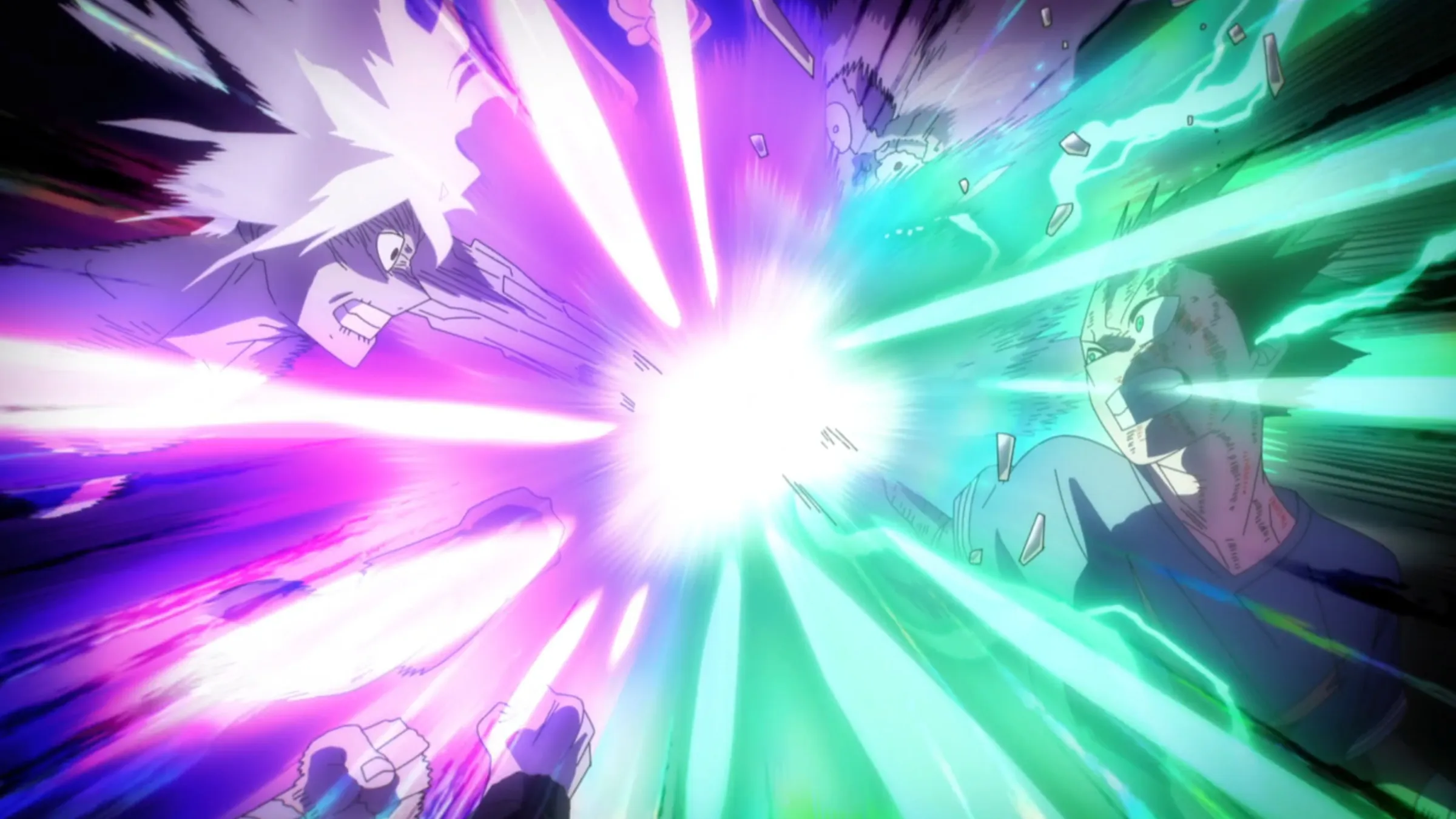
Although the last episodes of My Hero Academia weren’t hurried – in fact, they offered more detail than most series finales – the anime still felt like it rushed to reach the ending. This issue started before Season 8, and it diminishes the emotional weight of the final battle. After the Paranormal Liberation War arc, My Hero Academia moves incredibly quickly, not allowing enough time between important events. Because of this, the series doesn’t fully explore Midoriya’s new abilities or the previous One for All users, making their farewells feel less impactful.
The story’s resolution, particularly how Midoriya used One for All and what happened to All for One, felt a little rushed. While the animation was stunning and the fight stayed true to the series’ core ideas, it would have been more impactful with a bit more build-up. A slightly longer final battle would also have been welcome.
What were your thoughts on the finale of My Hero Academia? Share your opinions in the comments and discuss it with other fans on the ComicBook Forum!
https://comicbook.com/anime/list/all-my-hero-academia-arc-ranked-from-worst-to-best/embed/#
Read More
- Gold Rate Forecast
- Dune 3 Gets the Huge Update Fans Have Been Waiting For
- Guardians of the Globe Members We Want to See in Invincible Season 4
- Kelly Osbourne Slams “Disgusting” Comments on Her Appearance
- Eurogamer Gives ARC Raiders 2/5 Over AI Voices, Dropping Metacritic Score from 94 to 84
- Hideo Kojima Says He Was Never Told About The Matrix Creators Wanting Him to Make a Game
- One of Hulu’s Best New Shows Lands on Disney+ Ahead of Season 2
- ’90s Cartoon Reboot & TMNT Connection!
- What Song Is In The New Supergirl Trailer (& What It Means For The DC Movie)
- Disney Has Only Launched 10 New Franchises in the 21st Century
2025-12-15 04:12