
When The CW launched in 2006, taking over for UPN and The WB, it stood out from other networks by focusing on shows for younger audiences. Building on the success of mid-2000s favorites like 7th Heaven, Gilmore Girls, One Tree Hill, Smallville, and Supernatural (originally on The WB), The CW went on to become a major force in genre television during the 2010s. Shows like The Vampire Diaries, The 100, the various series within the Arrowverse, The Originals, Roswell, New Mexico, Riverdale, and countless others helped define a decade of television. The network embraced the motto “dare to defy,” and its programming lived up to it, delivering original series that broke the mold and captured the public’s imagination.
Everything changed for The CW in 2022 when Nexstar bought the network and dramatically altered its programming. On May 12th, The CW cancelled seven shows all at once—including 4400, Naomi, Dynasty, Charmed, In the Dark, Roswell, New Mexico, and Legacies. Batwoman and DC’s Legends of Tomorrow had already been cancelled shortly before, and even more followed, such as Nancy Drew, Stargirl, The Flash, and Riverdale. Eventually, only four original shows remained, but those were also cancelled. Today, The CW is almost completely different, with just one show from before the Nexstar purchase still airing, All American, which will end its run this July. When it does, it will signal the end of an era, and four years later, television focused on these types of shows hasn’t fully bounced back from that single day in May.
The CW Took Big Risks With Its Original Programming With Original Shows That Felt Truly Unique

One of the most remarkable things about The CW was its willingness to take chances with original programming. Unlike shows on major networks, The CW’s series weren’t afraid to be different, and they approached storytelling with a unique energy. A great example is Crazy Ex-Girlfriend, a romantic comedy-drama that originally started at Showtime. The show, starring Rachel Bloom as Rebecca Bunch, followed a lawyer who uprooted her life in New York City to chase an old summer camp crush in West Covina, California. What set it apart was its use of original musical numbers in every episode, which weren’t just for entertainment—they helped tell a complex and honest story about mental health. Despite not being a massive ratings success, Crazy Ex-Girlfriend found a dedicated audience and earned critical praise, allowing it to thrive on The CW when it likely would have been canceled elsewhere.
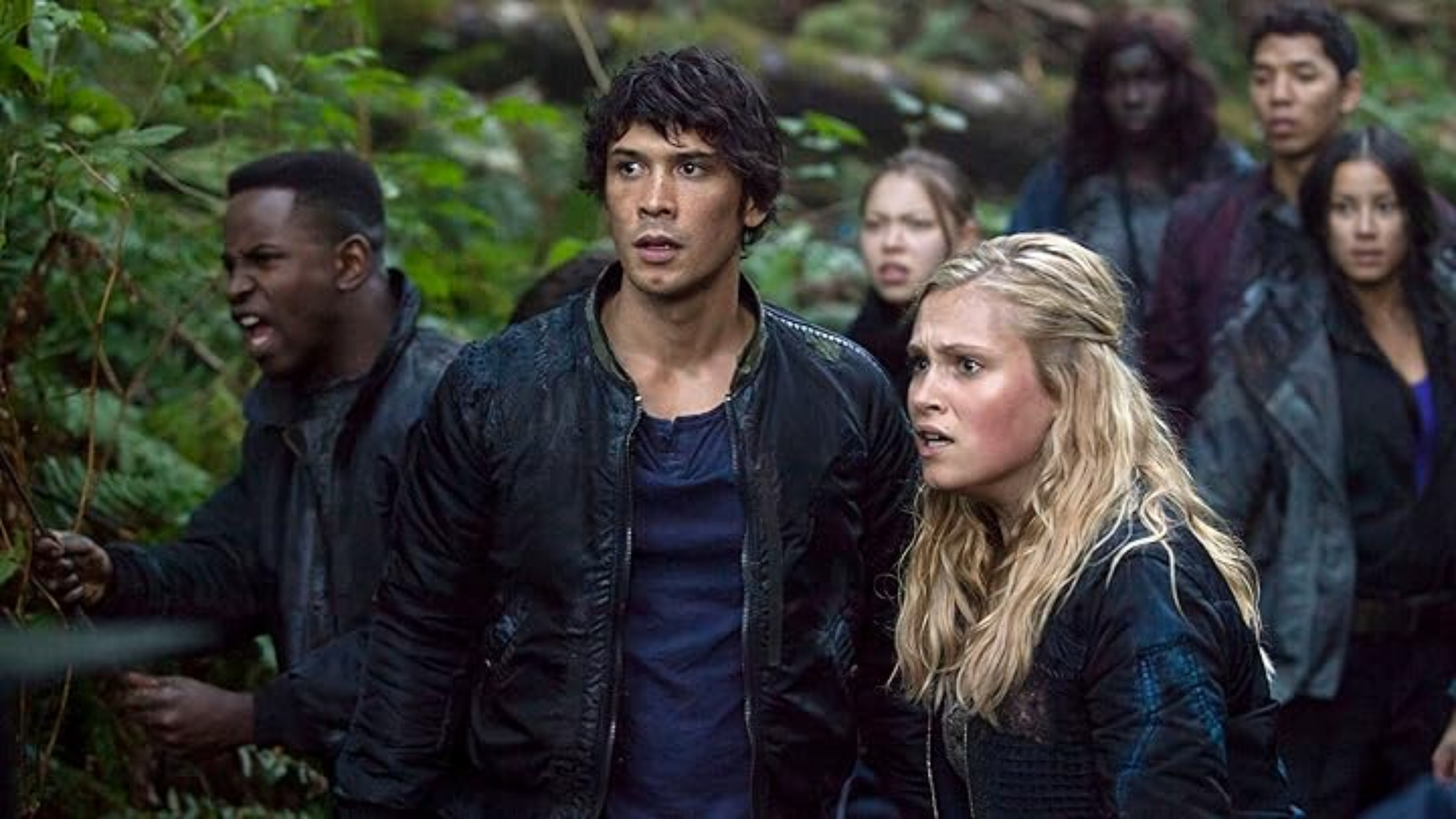
The network wasn’t afraid to experiment with different types of shows. The 100 introduced a sci-fi drama to a younger audience, following a group of teenagers sent to a post-apocalyptic Earth to determine if it could be inhabited again. While the show started off rocky, it evolved into a complex and surprisingly mature survival story where characters weren’t simply good or evil. The “Arrowverse” – including shows like Arrow, The Flash, Supergirl, and Legends of Tomorrow – demonstrated that superhero stories could thrive on television, rivaling even the popular Marvel movies. It even surpassed them by offering large-scale, season-long crossovers that united all the heroes. The Arrowverse successfully created an event as epic as Avengers: Infinity War and Avengers: Endgame with Crisis on Infinite Earths, effectively establishing a single, definitive DC storyline. It was a groundbreaking achievement that’s unlikely to be repeated.
The CW was a uniquely captivating network because its shows were willing to experiment with different genres and formats. One night you might watch a superhero drama, the next a musical or a suspenseful sci-fi thriller. While the production quality wasn’t always perfect—the show’s wigs are a frequent online joke—the series were consistently intriguing and innovative. Despite primarily appealing to younger viewers, The CW’s shows often attracted a broad audience.
There’s Nothing Like What The CW Did On Television Now—And It’s a Real Loss for Entertainment
Once Nexstar took over, The CW stopped taking chances on original, innovative shows. Beginning in 2023, the network shifted its focus to traditional television and sports programming. Instead of creating its own scripted series, The CW started buying shows made elsewhere, such as The Chosen, and co-producing series like Sullivan’s Crossing and Wild Cards. They also increased their focus on reality TV and live sports.
The CW may have changed drastically, but the unique, award-winning, and culturally significant shows it created haven’t been replicated elsewhere. Looking at major networks and even premium cable, nothing quite matches what The CW offered. While you can find sci-fi, horror, and drama on other channels—and some excellent examples of those genres—they often lack the same broad appeal and distinctive style. The CW offered shows the whole family could enjoy, like Arrow, whereas shows like HBO’s The Penguin and Peacemaker are geared towards mature audiences. Similarly, The CW’s popular fantasy franchises—The Vampire Diaries, The Originals, and Legacies—were accessible to everyone, filled with adventure and dramatic storylines. In contrast, AMC’s Interview With the Vampire (soon to be The Vampire Lestat) and Mayfair Witches are much darker, more mature, and aren’t part of a larger, interconnected universe.
The disappearance of The CW has created a gap in television. It used to be a unique middle ground – not quite mainstream network TV, and not high-end prestige drama – a comfortable place for all viewers. Now, four years after its abrupt ending, we’re beginning to realize how much we’ve lost with its absence.
Read More
- 10 Most Powerful Versions of Superman, Ranked
- Gold Rate Forecast
- GBP CNY PREDICTION
- 007 First Light: Release Date, Story, Gameplay, Cast, Editions, and Platforms
- Forza Horizon 6 Car List So Far: Confirmed Highlights, Cover Cars, DLC, and Rewards
- DOGE PREDICTION. DOGE cryptocurrency
- Superman’s 7 Best Power-Ups, Ranked
- EUR CNY PREDICTION
- What happened to Soldier Boy in The Boys?
- Kingdom Come Deliverance Update 1.002 Enables Trophies to Be Transferred
2026-05-12 06:10