
Like any art form, comics have their universally acclaimed works – those that redefined the medium, left a significant cultural mark, or showcased exceptional skill. Often, these works are considered all of the above. Watchmen, a twelve-issue series created by Alan Moore, Dave Gibbons, and John Higgins and published between 1986 and 1987, is frequently cited as a prime example. It’s a satirical take on superheroes that’s been praised as both a hugely influential comic and a significant literary achievement. However, as Watchmen celebrates its 40th anniversary, I’m starting to question whether it truly deserves its reputation as a masterpiece.
Watchmen is widely considered a strong comic book, praised for its skillful writing and innovative use of the comic book medium. It’s technically brilliant, especially with its distinctive nine-panel layout and recurring visual motifs. However, it’s also a complex and sometimes difficult read, containing problematic aspects and perhaps functioning best as a product of its time. Its reputation has grown over the years, but may now be exaggerated and misunderstood.
Watchmen Is a Portrait of It’s Time — And We Refuse to Look Beyond That
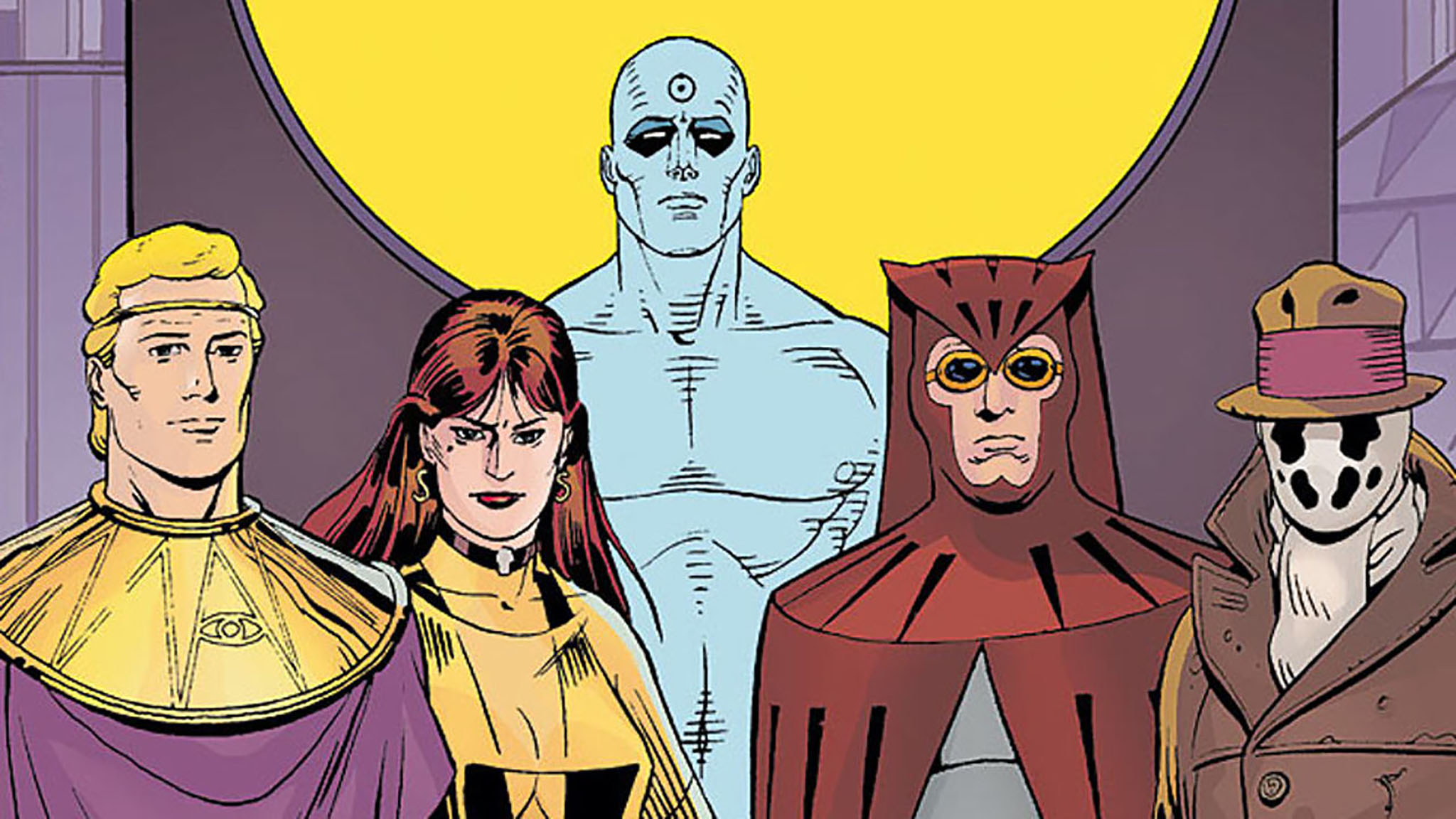
Okay, let’s talk about Watchmen. I think a big reason why it doesn’t quite hold up for some people today is that it’s so rooted in the 1980s. It wasn’t just about superheroes; it was a direct reflection of the anxieties of the era. We’re talking about the height of the Cold War, genuine fear of nuclear war, and a growing distrust of the government fueled by political scandals and corruption. Plus, the ’80s were a time of shifting morals and a kind of ‘win at any cost’ mentality – the ‘Decade of Greed,’ as it was often called. Think about the Iran-Contra affair – suddenly, the people we thought were the ‘good guys’ weren’t so clear-cut. Watchmen tapped into all of that, and while it was brilliant then, that specific context is a big part of what made it resonate, and it’s faded a bit over time.
As a film buff, what really struck me about Watchmen is how it takes the darkness of the real world – things like Watergate and the Vietnam War – and filters it through a superhero story. Moore didn’t just copy reality, he twisted it, amplifying all the flaws to create a world that feels unsettlingly familiar. The constant threat of World War III, the sidelined heroes, and the overwhelming cynicism? It all felt incredibly relevant to the time, and honestly, still does. It’s a bleak but brilliant reflection of the era.
As a huge comics fan, I always thought Watchmen was brilliant because it really captured the feeling of its time. And it still holds up if you look at it that way. But honestly, I think we treat it like the ultimate superhero story, like it said everything that could be said, without realizing how much the world has changed since the late 80s. Watchmen feels relentlessly dark, but society has gone through so many shifts since then – the 90s were a huge turning point, and things are changing rapidly even now. The way we explore anxieties, culture, and even what makes a hero is totally different these days. Books like The Power Fantasy are doing similar things – offering a critical look at the genre, but in a way that feels relevant now. Instead of giving those newer books the same respect, we keep putting Watchmen on this pedestal. It’s like insisting the old landline phone is still the best way to communicate when we all carry video phones in our pockets!
We Continue to Take the Wrong Lessons From Watchmen

The main problem with Watchmen isn’t the story itself, but how it impacted comics afterward. Essentially, we misinterpreted its success. Because Watchmen was so unique and popular, it encouraged a wave of similar stories. Comics started focusing on darker, grittier themes, and many creators simply tried to copy Watchmen‘s style. This led to an overabundance of flawed or morally questionable heroes, often just to follow a profitable trend.
There’s nothing inherently wrong with exploring the flaws of heroes. It’s important to remember they’re often just people – complex and imperfect. Looking at those imperfections helps us tell richer stories and understand why these stories matter to us. However, a lot of comics that followed Watchmen didn’t seem interested in genuine exploration. They seemed more focused on copying its dark tone to be shocking and sell copies, and that’s a different approach entirely.
Beyond that, we’ve realized something from Watchmen that wasn’t directly part of the story itself: no work can truly live up to the incredibly high standard it set. Even if Watchmen were perfect and timeless, other comics have explored similar themes just as effectively and continue to innovate. We’ve already noted The Power Fantasy as a contemporary example, but titles like Free Planet, Truth: Red, White, and Black, Astro City, and Green Arrow: The Longbow Hunters also offer critical perspectives on superheroes, with varying degrees of darkness and unique approaches to deconstructing comic book concepts. They all excel in their own way, and it’s unfair to overlook them simply because we tend to view Watchmen as flawless. In fact, if we continue to put Watchmen on such a high pedestal, it suggests we haven’t learned the very lesson the comic was trying to teach about the dangers of idolizing heroes. Watchmen may be a masterpiece, but it isn’t the only one, and we should appreciate it as such.
What do you think? Leave a comment below and join the conversation now in the ComicBook Forum!
https://comicbook.com/comics/list/7-most-powerful-dc-marvel-amalgam-heroes/embed/#
Read More
- Gold Rate Forecast
- Guardians of the Globe Members We Want to See in Invincible Season 4
- Hideo Kojima Says He Was Never Told About The Matrix Creators Wanting Him to Make a Game
- Kelly Osbourne Slams “Disgusting” Comments on Her Appearance
- Dune 3 Gets the Huge Update Fans Have Been Waiting For
- ’90s Cartoon Reboot & TMNT Connection!
- Christian Siriano Teases Iconic Looks for Emmys 2025
- Ubisoft’s Best Game From the Last 5 Years Is Surprising
- This One Stranger Things Theory Explains a 9-Year-Old Season 1 Mystery, Sets Up the Finale, & is the Key to Future Spinoffs
- The Best Joestars Ranked in JoJo’s Bizarre Adventure
2026-01-04 20:13