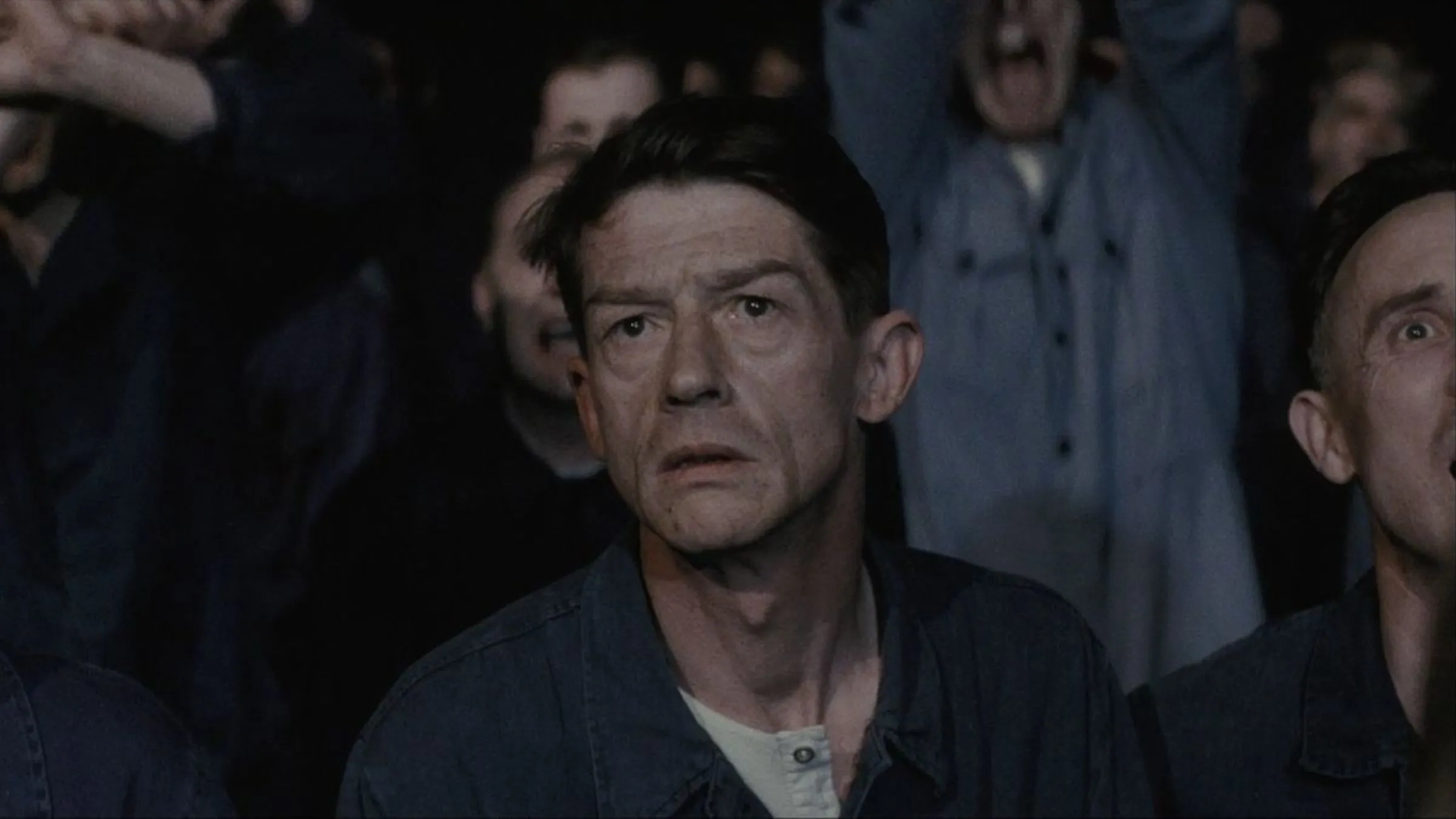
Each year, a few movies generate huge buzz long before they hit theaters. Looking ahead to 2026, people are already talking about upcoming films like DC’s Supergirl, the next Spider-Man: Brand New Day installment, and Christopher Nolan’s take on The Odyssey. Sci-fi fans are also excited about the adaptation of Project Hail Mary. This anticipation is what fuels the movie industry, but often, the most hyped films end up being the biggest disappointments. Back on December 14, 1984, sci-fi fans experienced this firsthand with two of the year’s most awaited releases.
1984 was a significant year for film adaptations, with both Dune and Nineteen Eighty-Four hitting theaters. These movies were based on influential books that had a huge impact on how people envisioned the future. Authors Frank Herbert and George Orwell inspired countless writers and helped establish the science fiction genre. Translating these complex novels to the big screen was a challenge, and directors David Lynch and Michael Radford were chosen to bring these stories to life visually. Despite high expectations and years of anticipation from fans, both films ultimately disappointed audiences.
What Went Wrong With Nineteen Eighty-Four and Dune?
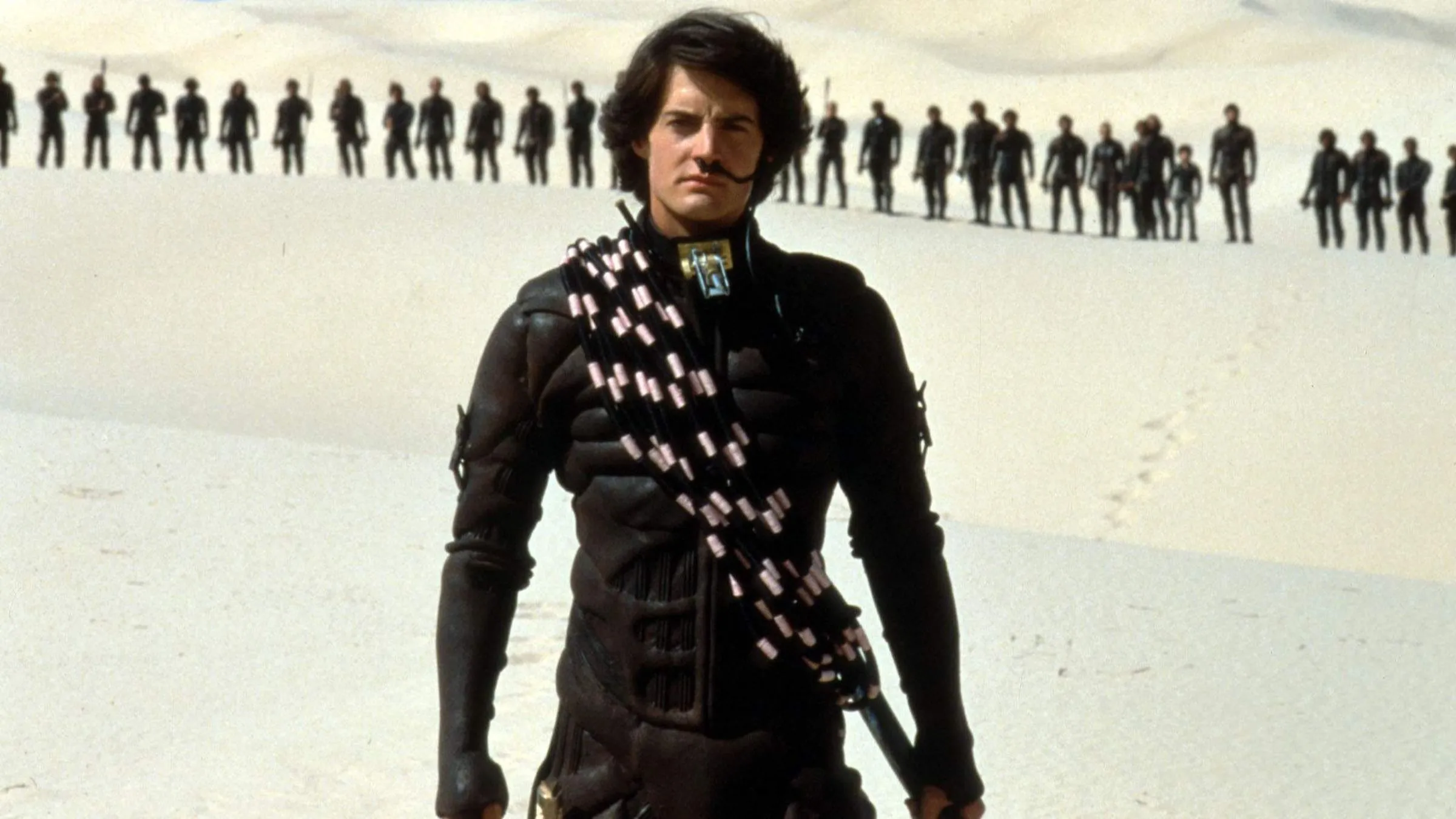
David Lynch’s film adaptation of Dune is famous in Hollywood as a warning about what happens when a studio interferes too much with a director’s vision. Producer Dino De Laurentiis wanted to create a blockbuster franchise like Star Wars, but he chose Lynch, a director known for strange and artistic films like Eraserhead. This created a conflict from the start. Lynch made a dark, visually intense version of the story that didn’t connect with most viewers. Then, Universal Pictures made significant cuts after filming, turning a four-hour movie into a confusing two-hour version. To try and make sense of it, they added awkward voice-overs and a confusing opening scene, but it still didn’t fully work.
The movie Dune received harsh criticism from reviewers and disappointed many fans of the original novel. A major point of contention was the film’s departure from the book’s established story, especially the introduction of ‘Weirding Modules’ – replacing the Bene Gesserit’s fighting style with futuristic sonic weapons. Despite a strong lead performance by Kyle MacLachlan as Paul Atreides, the film’s elaborate sets and rushed plot hindered character development. Dune was a major box office failure, earning back only a small portion of its $40 million production cost. Director David Lynch was so unhappy with the lack of creative freedom that he publicly disowned the film and avoided discussing it for many years.
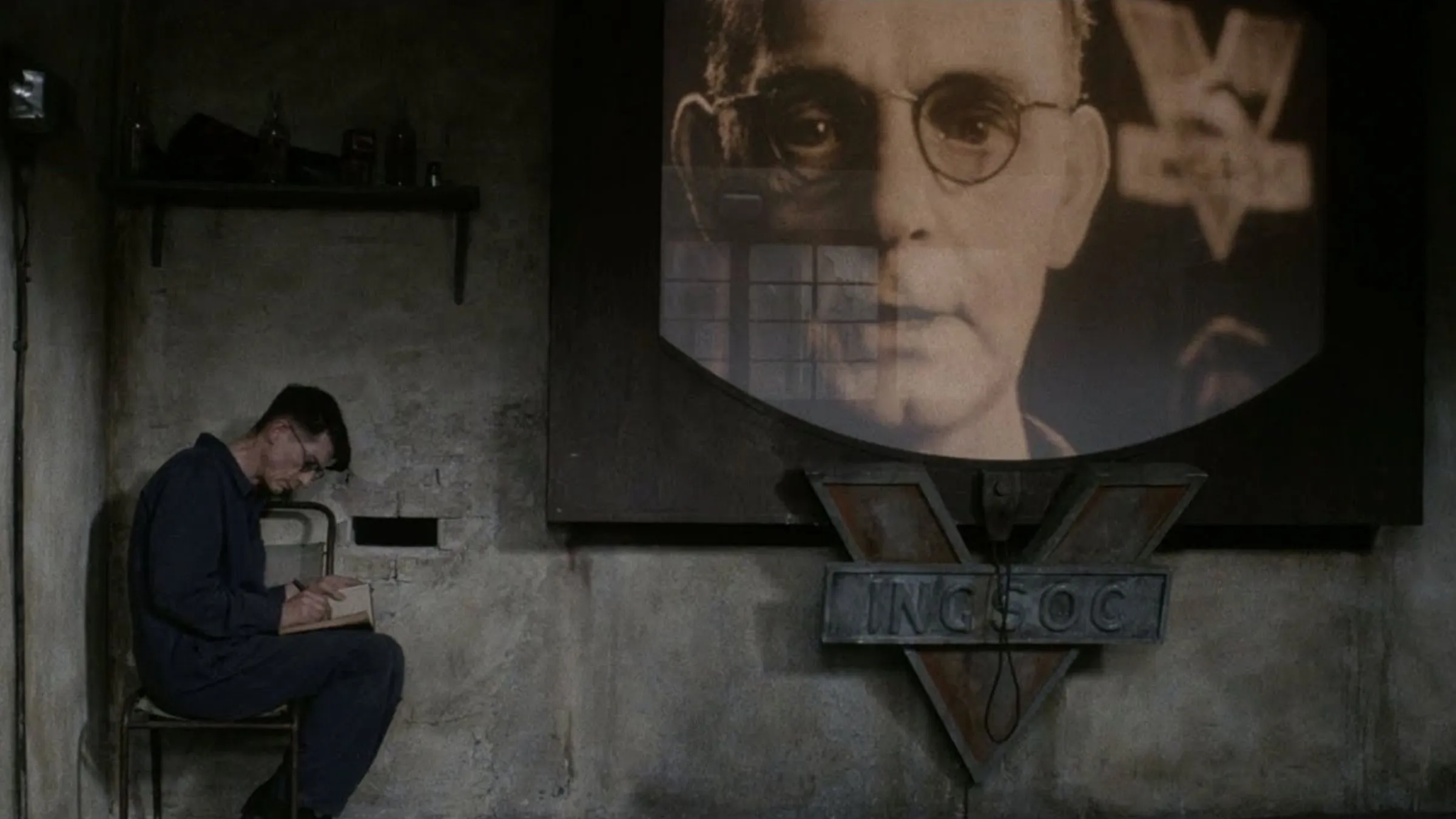
Both Dune and Nineteen Eighty-Four faced problems during production, but for different reasons. Dune experienced unwanted studio meddling, while Nineteen Eighty-Four struggled with conflicting visions for how it should look and feel. Director Michael Radford aimed for a true-to-the-book adaptation, even filming during the same months and in the same places described in Orwell’s novel. The result was a stark, visually muted film with strong performances from John Hurt and Richard Burton (in his final role). However, the film’s backers, Virgin Films, thought it needed wider appeal. Despite Radford’s objections, they replaced the original orchestral score with a synth-pop soundtrack by the band Eurythmics.
The movie adaptation of Nineteen Eighty-Four was strangely unsettling. Its dark, dystopian world was mixed with upbeat, modern pop songs, which ruined the serious mood. This confusing combination left viewers unsure if they were watching a thought-provoking drama or a music video. Making matters worse, releasing such a depressing film during the cheerful holiday season was a mistake. People seeking lighthearted entertainment chose the action-comedy Beverly Hills Cop instead. As a result, Nineteen Eighty-Four quickly disappeared from theaters, lost in its own confusing marketing and the overall bleakness of the story.
Both Dune and Nineteen Eighty-Four demonstrate how difficult it is to bring classic science fiction to the screen. Filmmakers must strike a balance between creative expression and what will appeal to a wide audience. Back in 1984, both movies missed the mark: Dune aimed for huge box office success but lost its artistic core, and Nineteen Eighty-Four tried to become a mainstream hit and ended up feeling disrespectful to the source material. It wasn’t until decades later that Denis Villeneuve successfully adapted Dune into a critically and commercially successful film. Unfortunately, we’re still hoping for a version of Nineteen Eighty-Four that truly captures the spirit of Orwell’s novel.
What are your thoughts on the movies Dune (from 1984) and Nineteen Eighty-Four? Share your opinions in the comments and join the discussion in the ComicBook Forum!
https://comicbook.com/movies/list/7-1980s-sci-fi-movies-you-forgot-were-awesome/embed/#
Read More
- What Song Is In The New Supergirl Trailer (& What It Means For The DC Movie)
- Welcome to Demon School! Iruma-kun season 4 release schedule: When are new episodes on Crunchyroll?
- Why is Tech Jacket gender-swapped in Invincible season 4 and who voices her?
- Sydney Sweeney’s The Housemaid 2 Sets Streaming Release Date
- TV legend Carol Kirkwood reveals the reasons why she decided to retire after 28 years with BBC
- The Super Mario Galaxy Movie: 50 Easter Eggs, References & Major Cameos Explained
- Dune 3 Gets the Huge Update Fans Have Been Waiting For
- Highly Anticipated Strategy RPG Finally Sets Release Date (And It’s Soon)
- Crimson Desert – 15 Things I Wish I Knew Before Diving In
- New Pokemon Go Event Gives Players A Shot At 11 Rare Shiny Pokemon (With Boosted Odds)
2025-12-14 17:17