The X-Men experienced a major shift in 1974 with the release of Giant-Size X-Men #1. This issue delivered the kind of book fans wanted from the struggling team, and it paved the way for writer Chris Claremont to take over the X-Men title (later renamed Uncanny X-Men). No one really anticipated it, but Claremont made the X-Men popular again. Though it wasn’t an instant bestseller, the comic steadily gained momentum throughout the late 1970s. The 1980s began with what is now considered the greatest X-Men story ever told: “The Dark Phoenix Saga.” However, 1980 didn’t end there – Uncanny X-Men continued to deliver fantastic stories to readers.
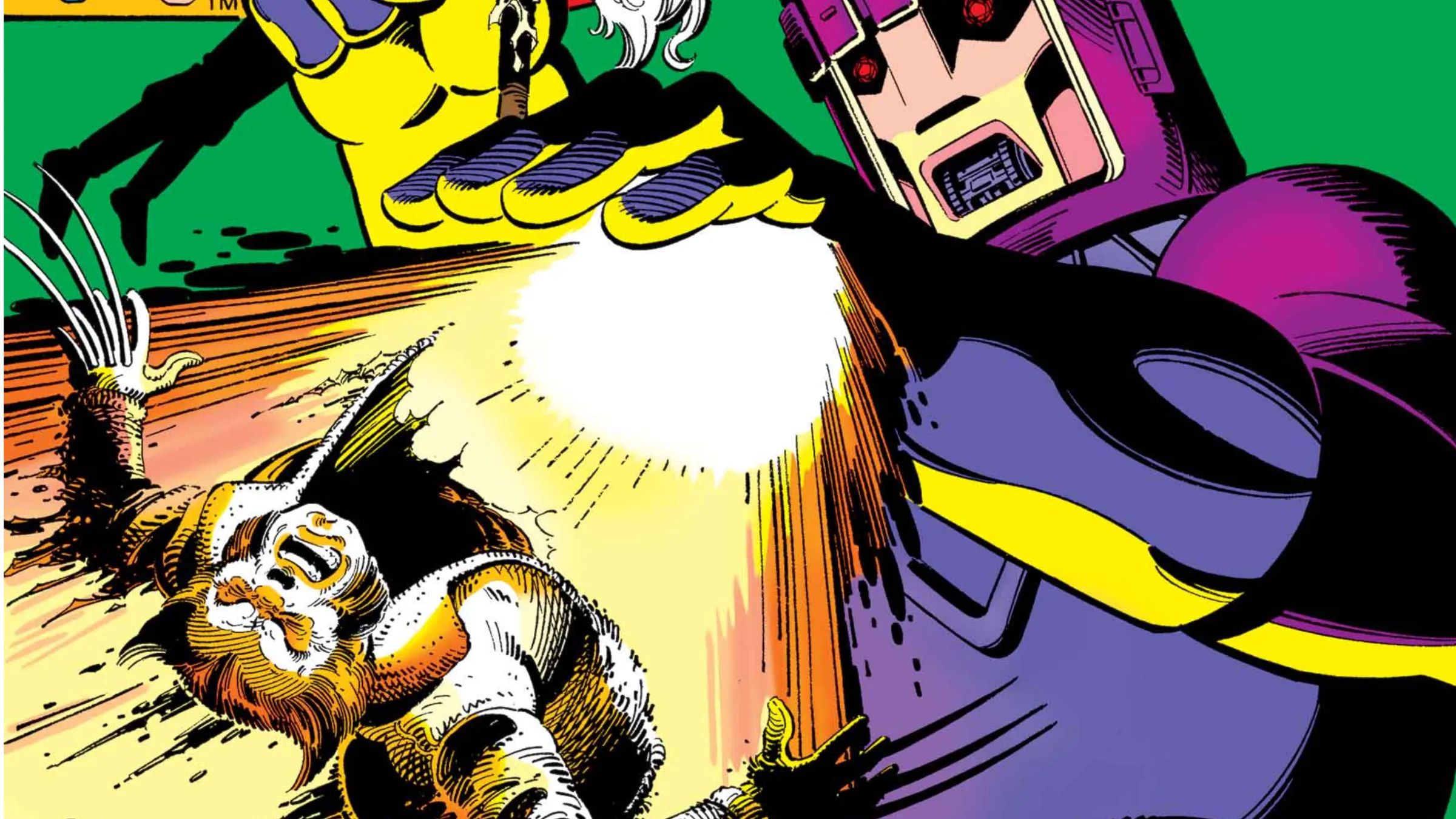
As a huge comic fan, I still remember when “Days of Future Past” first appeared in Uncanny X-Men #141-142 – it genuinely shook things up. Chris Claremont and John Byrne created this incredibly bleak future where the Sentinels had all but wiped out mutants. The X-Men’s desperate plan to prevent this, involving time travel to alter the past, was just brilliant. Claremont was a true innovator, and his partnership with Byrne was magic. They crafted an all-time classic that really changed the landscape of comics. It’s a shame to say, though, that Marvel hasn’t exactly done the story justice in the decades since.
“Days of Future Past” Was an Exciting Change to Superhero Stories That Has Been Played Out

“Days of Future Past” is a truly impactful story. While time travel and dystopian futures weren’t new to fiction, this comic presented them in a groundbreaking way. It vividly depicted a bleak future where the X-Men had been defeated, showcasing the devastation with unflinching detail – even showing Wolverine’s death to emphasize the severity of the situation. John Byrne’s exceptional artwork perfectly realized Chris Claremont’s writing, and the story continues to be considered one of the greatest X-Men comics ever published.
This comic marked the beginning of a trend in superhero stories. While it wasn’t the first to depict a dark, dystopian future, it certainly wasn’t the last. Most major superhero teams now have stories exploring such futures – the X-Men, for example, have several, including the one introduced here, which later revealed the timeline continued for a few years. Both Marvel and DC have presented bleak, robot-dominated alternate futures for their entire universes. In fact, it’s possible James Cameron was influenced by this story when creating the 1984 film, Terminator.
The constant recycling of ideas is actually part of the issue. Superhero comics often take popular concepts and revisit them repeatedly. “Days of Future Past” was a particularly successful story, so Chris Claremont expanded on it with new characters like Rachel Summers and further tales like “Days of Future Present,” introducing the villain Ahab, and even the recent X-Men: Days of Future Past — Doomsday comic. However, when an idea is used too much, it becomes a cliché, and that’s what’s happening with the “Days of Future Past” style of storylines.
We’ve seen some fantastic alternate future storylines, like those Jonathan Hickman created during the Krakoa Era, and exciting twists on those ideas, such as in “Sins of Sinister” and Omega Sentinel’s arc in Inferno. But we’ve also revisited the same “Days of Future Present” concept repeatedly, to the point where it feels predictable. This has become a problem because constantly recycling the same idea diminishes its impact. What starts as a groundbreaking story quickly loses its freshness, and even the best parts become stale and uninspired.
“Days of Future Past” Was a Double-Edged Sword
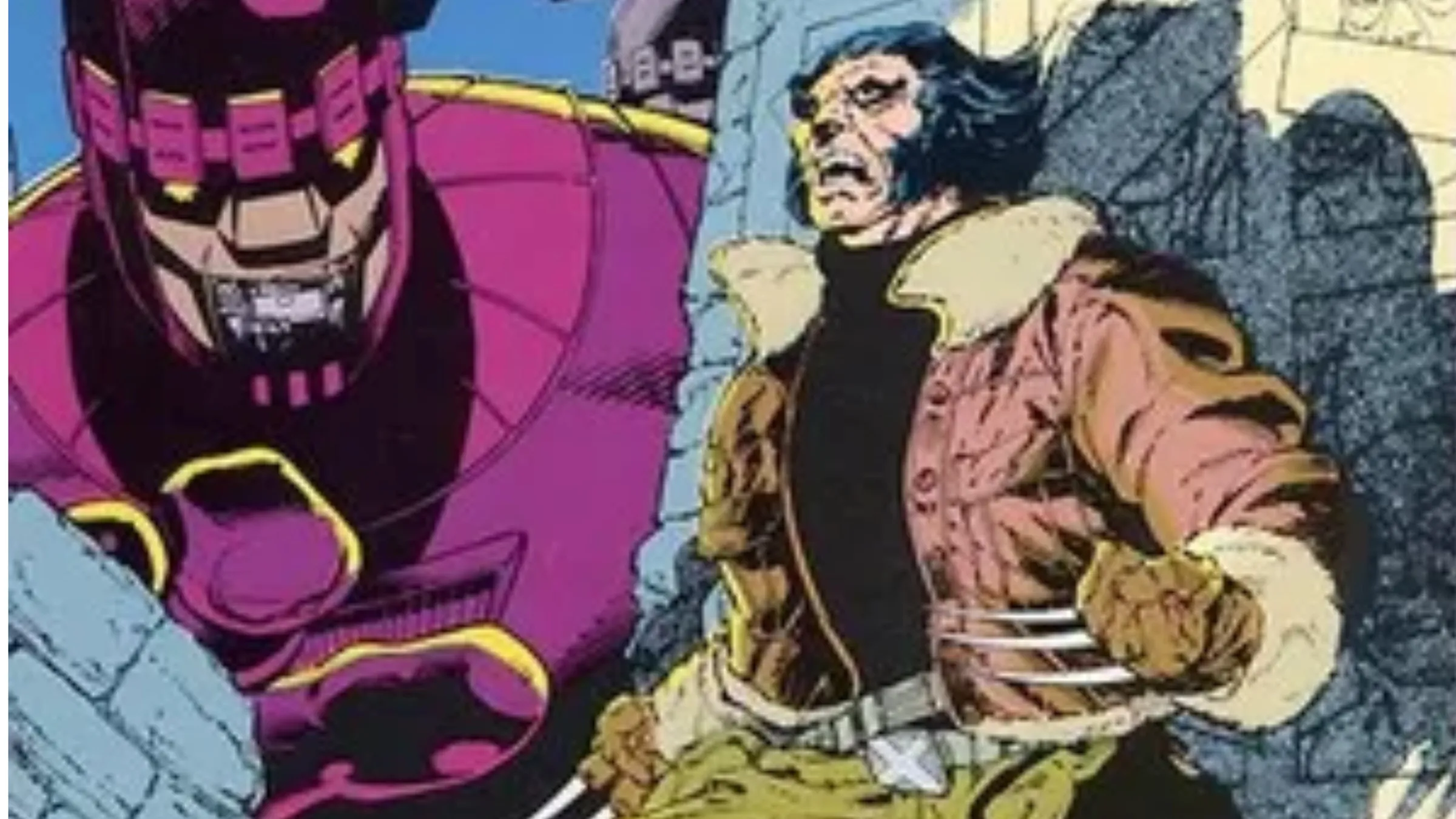
“Days of Future Past” was a truly groundbreaking story when it first came out 45 years ago. Imagine being a kid and seeing the cover of Uncanny X-Men #141 or #142 at the grocery store, then flipping through the pages and discovering its wild plot. That moment was unique in comic book history and helped push the entire industry in a new direction.
Like any groundbreaking story, “Days of Future Past” eventually lost its initial impact. What started as a revolutionary concept became widely imitated, with many creators putting their own spin on it. However, this doesn’t diminish how fantastic the story is – it’s truly one of the best from the acclaimed Claremont and Byrne era. It was simply so successful that it eventually became a familiar trope within the X-Men comics.
https://comicbook.com/comics/news/10-best-x-men-stories-20s-marvel-comics/embed/#
Read More
- What Song Is In The New Supergirl Trailer (& What It Means For The DC Movie)
- Highly Anticipated Strategy RPG Finally Sets Release Date (And It’s Soon)
- Why is Tech Jacket gender-swapped in Invincible season 4 and who voices her?
- TV legend Carol Kirkwood reveals the reasons why she decided to retire after 28 years with BBC
- The Quantum Observer: How Reality Takes Shape
- After 13 Years, Someone Earned One of the Hardest Achievement Trophies in Gaming
- The OG Resident Evil 1, 2 and 3 Are Now Available on Steam With a Heavy Discount (and DRM)
- Demon Slayer Star Reacts to Infinity Castle Movie Return for Surprising Role
- The Monsterverse’s Shocking New Time Travel Story – Monarch: Legacy Of Monsters Season 2, Episode 6 Explained
- Tainted Grail: The Fall of Avalon – Merlin’s Tomb DLC Adds a New End-Game Dungeon for Free
2025-12-01 18:11