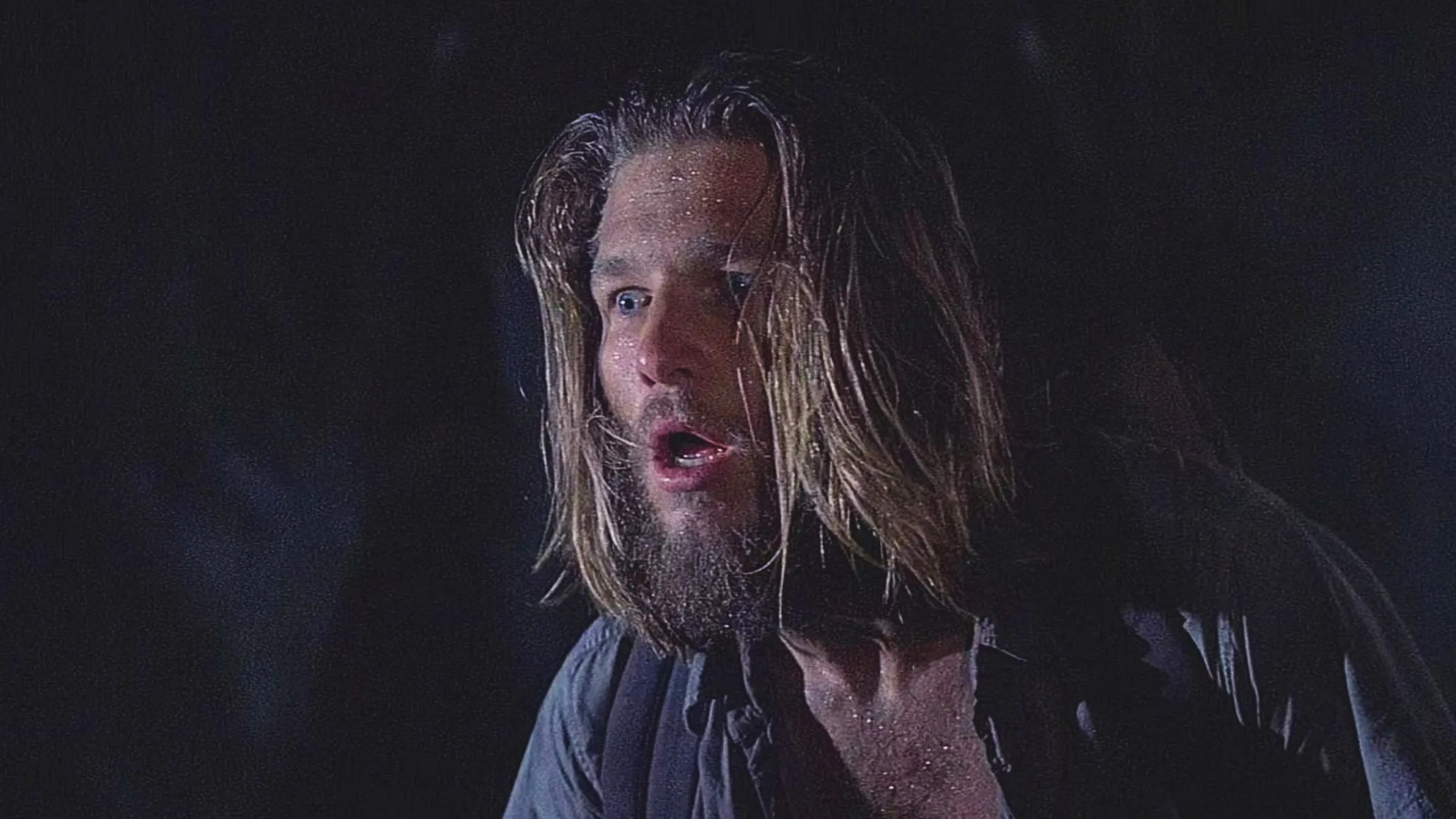
Hollywood has always revisited classic stories – think of how many versions of Dracula and Frankenstein there are. It’s not just about a lack of original ideas; filmmakers often bring new perspectives to these stories, creating something fresh and appealing. Ultimately, though, remakes are popular because people enjoy watching them. This week marks the 49th anniversary of the release of one of the biggest remakes ever: the 1976 version of King Kong.
Dino De Laurentiis was determined to bring King Kong back to the big screen in 1976, nearly 40 years after the original 1933 film by Merian C. Cooper and its quick follow-up. King Kong had become a legendary movie character in the intervening years, and the remake benefited from significant improvements in movie-making technology. However, the film ultimately faded from memory, and it also sparked a legal battle that continues to influence creative rights in Hollywood today.
The 1976 King Kong Remake Caused Multiple Lawsuits
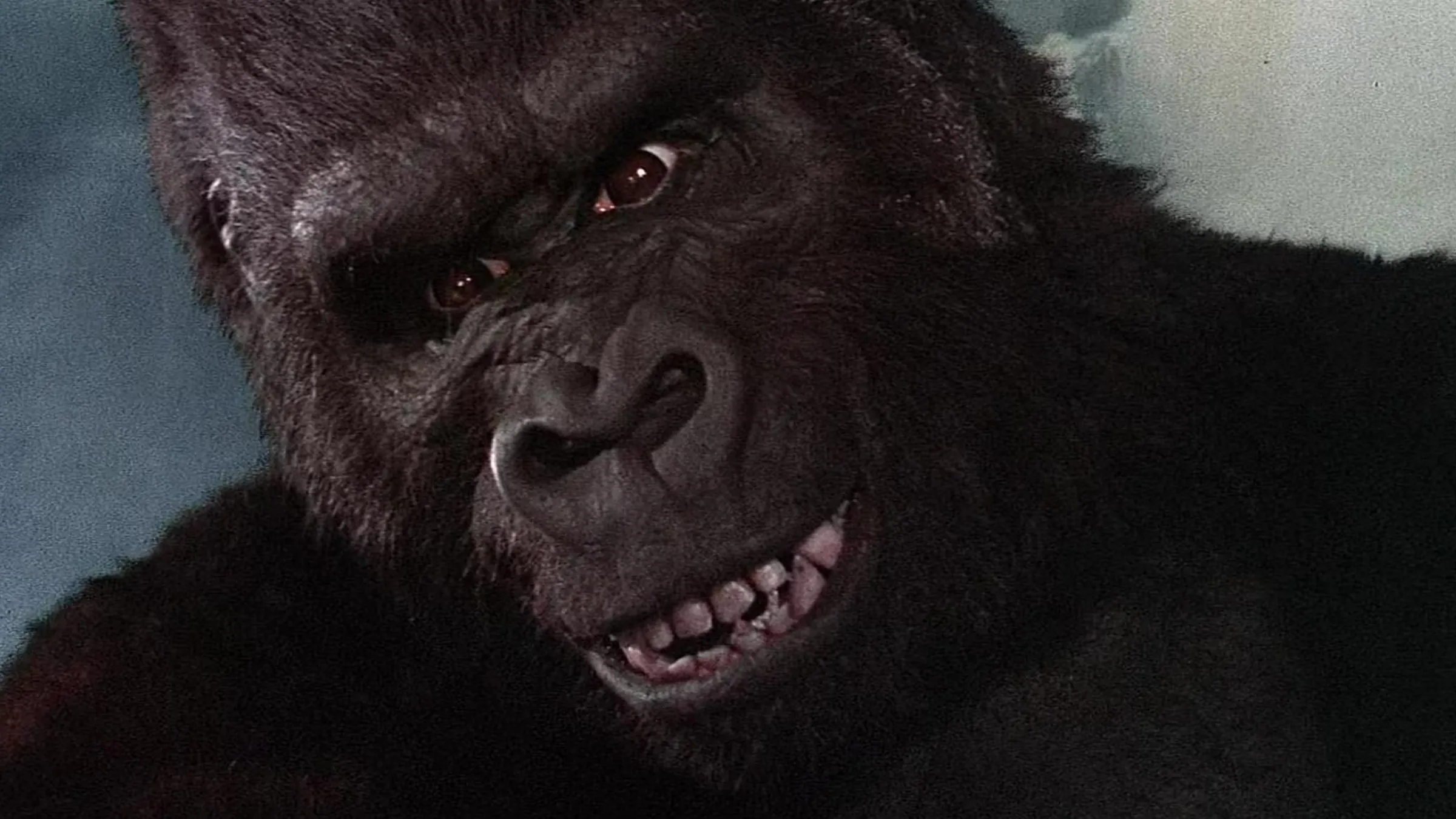
There’s some debate about who first tried to remake King Kong, but Dino De Laurentiis ultimately succeeded. He obtained the rights from RKO General, the company that owned RKO Pictures. He acted fast, bringing on director John Guillermin and actors Jeff Bridges, Charles Grodin, and Jessica Lange. He also hired special effects experts Carlo Rambaldi and Rick Baker to create the film’s iconic ape. However, there were two complications: Universal Pictures was simultaneously developing their own King Kong remake, and RKO General didn’t actually have the rights to the original film anymore.
Before King Kong came out, Universal sued RKO, claiming they had broken their agreement by giving the rights to Dino De Laurentiis instead of them. However, during the legal process, Universal discovered the book version of King Kong was no longer protected by copyright and was freely available for anyone to use. Because of this, Universal decided to make their own remake, using the public domain book as its basis instead of the original film. RKO then countersued, accusing Universal of copyright infringement. De Laurentiis also joined the legal battle, arguing that all the lawsuits would damage his film’s success.
Things got complicated when Richard Cooper, son of the original filmmaker, claimed the initial agreement between his father and RKO Pictures had been fulfilled with the release of King Kong and its sequel, meaning RKO didn’t legally own the rights. This led to a court case that ultimately decided RKO had no right to license King Kong at all, and that the novel based on the film was free for anyone to use. With this settled, Cooper sold his remaining rights to the original King Kong story back to Universal, but that wasn’t the end of the story.
Fifty Years Later, Hollywood Is Still Working Around The Kong Court Cases
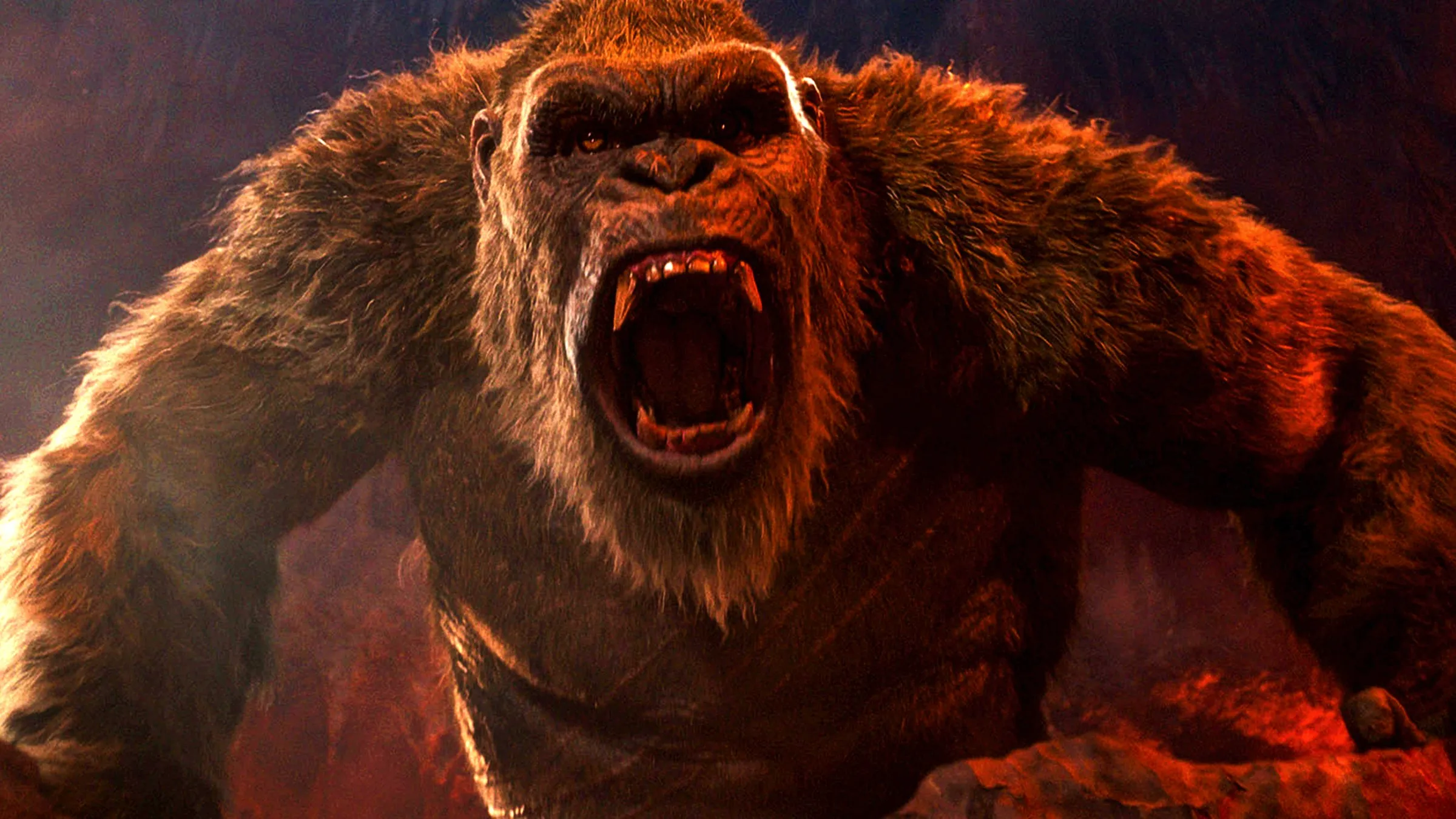
Generally, the fact that the King Kong novel is now in the public domain would clearly define what filmmakers and writers can use. However, unlike stories like Frankenstein and Dracula, the original 1933 King Kong movie is still protected by copyright. While the novel and the film are very similar, a few key differences exist and could be important.
- In the novel, the ship they travel on to Skull Island is the Wanderer, but in the film it’s the Venture
- The novel also includes a notable deleted scene from the movie, dubbed the “spider pit scene,” with monstrous giant arachnids.
- Carl Denham, the filmmaker at the center of the story, is never referred to by his first name in the novel
- Most importantly, Kong’s death at the Empire State Building is vastly different. In the film, he simply falls, whereas in the novel, he tumbles after trying to grab one of the planes.
While these distinctions might appear small, they require filmmakers to adhere to certain established elements of the King Kong story. Even Legendary Pictures, known for their popular MonsterVerse films, must stay within the guidelines set by the original Kong novel. Fortunately, most studios creating new Kong content are happy to start with the basic idea of a giant gorilla named Kong and then build their own unique stories. This approach generally satisfies the requirements of the story being in the public domain, though navigating the rights involved can still be complex.
Because the original 1933 King Kong movie novel is now in the public domain – and past legal battles over remakes – anyone can technically create their own King Kong story. However, it’s important to avoid copying elements from other existing versions. Despite the challenges posed by Kong’s continued popularity, filmmakers are still drawn to the idea. For example, Disney announced a King Kong TV series for Disney+ in 2022, but the project hasn’t progressed since then.
https://comicbook.com/movies/list/7-great-sci-fi-remakes-that-surpassed-the-originals/embed/#
Read More
- The Super Mario Galaxy Movie: 50 Easter Eggs, References & Major Cameos Explained
- All 13 Smash Bros. Characters in the Super Mario Galaxy Movie
- 10 Best Free Games on Steam in 2026, Ranked
- TV legend Carol Kirkwood reveals the reasons why she decided to retire after 28 years with BBC
- Highly Anticipated Strategy RPG Finally Sets Release Date (And It’s Soon)
- Welcome to Demon School! Iruma-kun season 4 release schedule: When are new episodes on Crunchyroll?
- Sydney Sweeney’s The Housemaid 2 Sets Streaming Release Date
- Dune 3 Gets the Huge Update Fans Have Been Waiting For
- Control Resonant’s Hiss and Mold Are “Way More Complex” Than Before (and More Aggressive)
- Why is Tech Jacket gender-swapped in Invincible season 4 and who voices her?
2025-12-18 18:16