When people think of channels that show anime, Nickelodeon isn’t usually the first one that comes to mind. The channel was more famous for its live-action shows and popular cartoons like SpongeBob SquarePants. Major anime series typically appeared on other channels, such as Sci-Fi, Toon Disney, and Cartoon Network – Nickelodeon’s biggest rival.
Even though it’s not widely known, Nickelodeon has shown quite a few anime shows over the years. Popular series like Dragon Ball Kai have been broadcast on the network. However, there are some anime that many fans don’t even realize aired on Nickelodeon, either because they were shown way back in the 1980s or they didn’t stay on the air for very long and have since been forgotten.
The Mysterious Cities of Gold Was Perfect For Nickelodeon’s Global Audiences
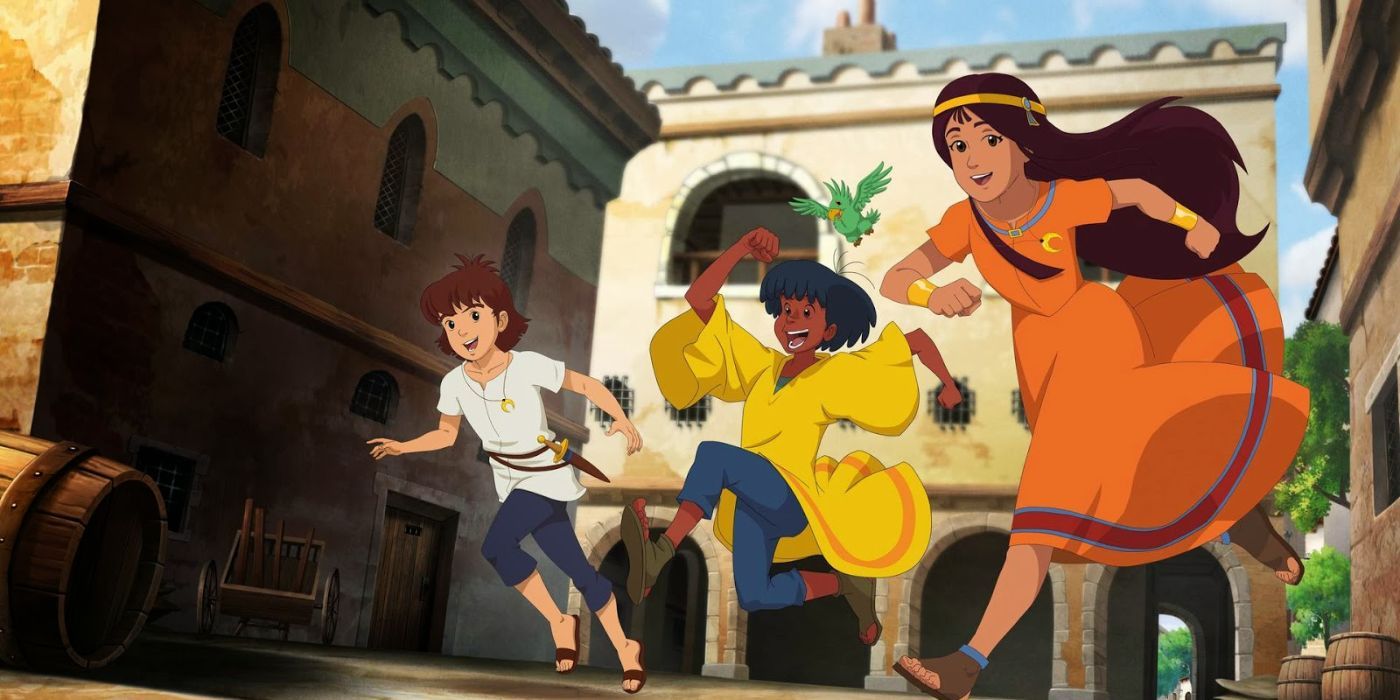
Originally released in 1982, The Mysterious Cities of Gold was a collaboration between French and Japanese animators. It was created by DIC Audiovisuel – a predecessor to DIC Entertainment – and the renowned Studio Pierrot. In 1986, the series gained popularity in the United States when Nickelodeon began airing it.
Set in the 16th century, The Mysterious Cities of Gold follows a young boy named Esteban. He sails on the Esperanza, hoping to find out what happened to his parents and ultimately discover the legendary Cities of Gold in the New World. During his adventure, Esteban joins forces with two other children, Zia and Tao, who are also searching for their families in the New World.
Like a lot of anime that came to the US in the 1980s, The Mysterious Cities of Gold went through significant changes for American audiences. Even though the show was originally made for kids, the US version was altered quite a bit to better suit the tastes of the time. These changes included adding new storylines and even removing exciting cliffhangers, all to create a version that fit a specific vision.
It’s understandable why many people have forgotten The Mysterious Cities of Gold. It originally aired before anime became widely popular in the West. However, the show had a really interesting story that was better than most cartoons from the 1980s, which makes it a shame it wasn’t around to gain traction as anime’s popularity grew.
The Adventures of the Little Prince Made Major Changes to the Original Anime
Originally produced in the late 1970s by Knack Productions – a studio known for its popular shows at the time – The Adventures of the Little Prince was a 39-episode animated series based on Antoine de Saint-Exupéry’s classic French novel, The Little Prince. This refers to the initial run of the series.
When the show aired in the United States, only 26 episodes of the complete series were shown. The Little Prince tells the story of a boy who lives on a tiny asteroid and travels to Earth after becoming bored. Like many shows brought to America, this version didn’t include the entire original story.
When the series came to America, some changes were made, including having the main character travel to planets beyond Earth. Unlike the original story, which followed the Little Prince continuing his journey on Earth, the American version had him return to his asteroid at the end of each episode. The show, titled The Adventures of the Little Prince, initially aired on ABC in syndication before moving to Nickelodeon in 1985.
Although the show had a shorter run in the United States, it aired for four years before ending in 1989. With so many Japanese cartoons available at the time, it’s understandable that The Little Prince wasn’t widely recognized as anime. What’s more surprising is that the series never appeared on other channels, even when cable networks were actively seeking out licensed programs to attract viewers.
Released in 1987 by Nippon Animation, Grimm’s Fairy Tale Classics adapted well-known stories from the Brothers Grimm. While the series made some stories more appropriate for children, it still featured favorites like Hansel and Gretel, Little Red Riding Hood, and Puss in Boots. It was a hit with audiences and even returned for a second season called New Grimm’s Fairy Tale Classics.
In 1989, Saban Entertainment brought the series to America and broadcast it in English on Nickelodeon’s Nick Jr., aimed at younger viewers. While most episodes remained unchanged, a few weren’t shown on TV, including those based on the stories of Bluebeard and The Crystal Ball.
It’s understandable why many viewers didn’t realize this was an anime. The art style is quite different from typical anime, resembling Western cartoons, and it was specifically designed that way. This series was produced as part of Nippon Animation’s World Masterpiece Theater, which often featured stories with a more Western aesthetic and targeted a younger audience.
The World Masterpiece Theater was a long-running series of animated adaptations of classic stories, many of which became popular in countries like the United States and Europe. It featured a wide range of literature, from The Adventures of Tom Sawyer by Mark Twain to Les Misérables by Victor Hugo. This series was central to Nippon Animation’s work for over two decades, from 1975 to 1997, and its influence continues today, with a new version of Anne of Green Gables planned for release in 2025.
Digimon Fusion Is the Digimon Anime No One Remembers
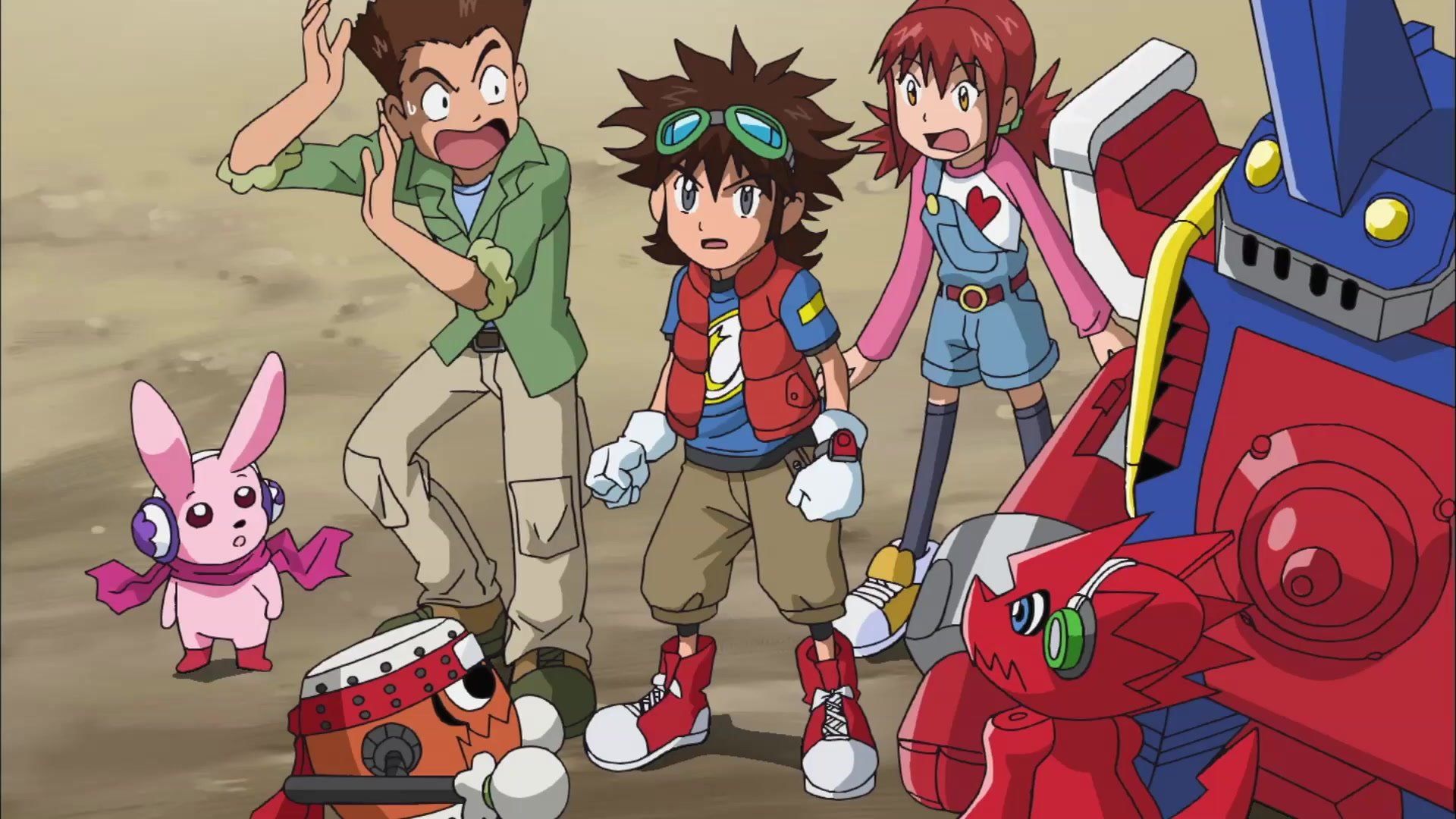
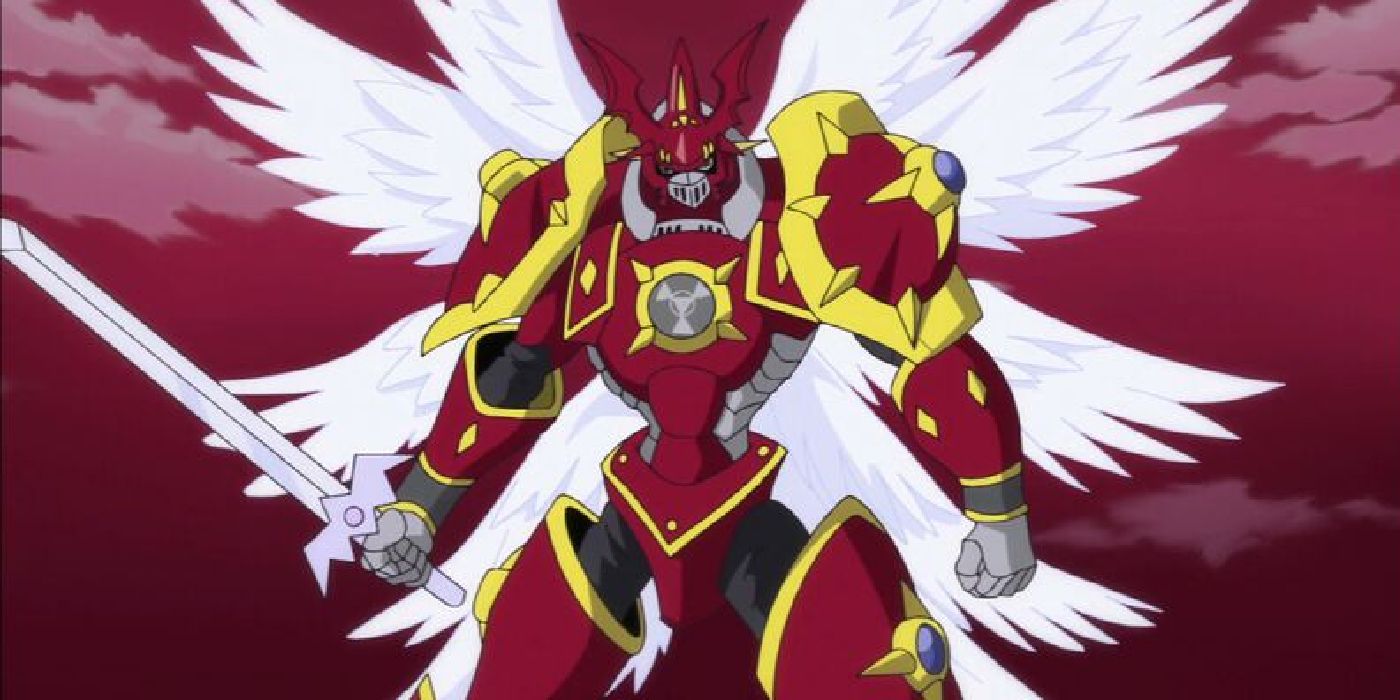
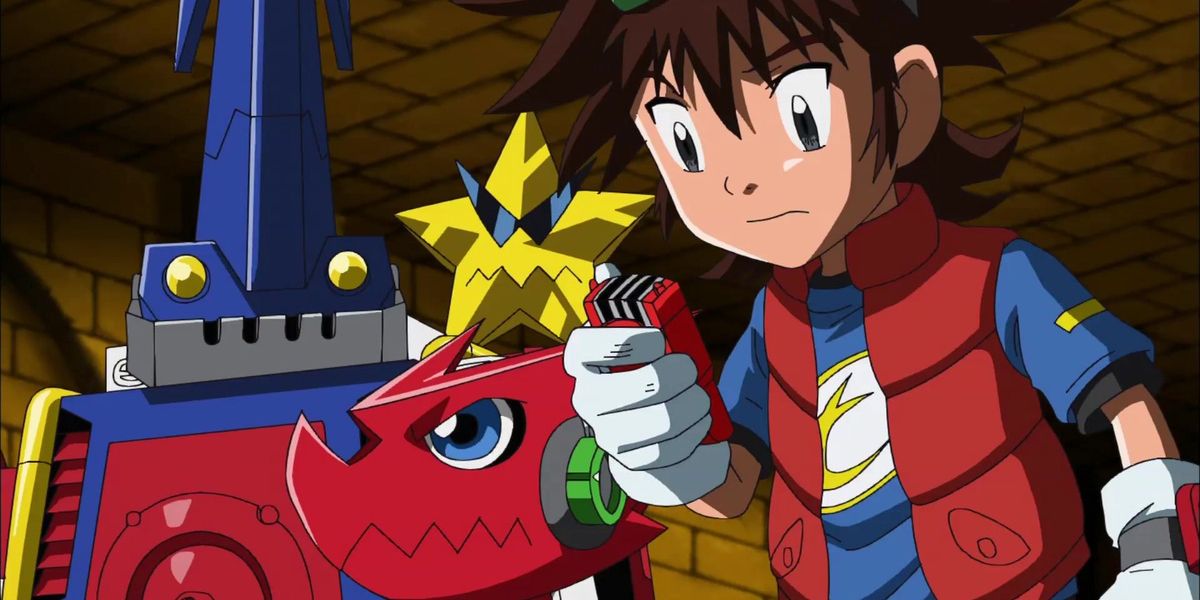
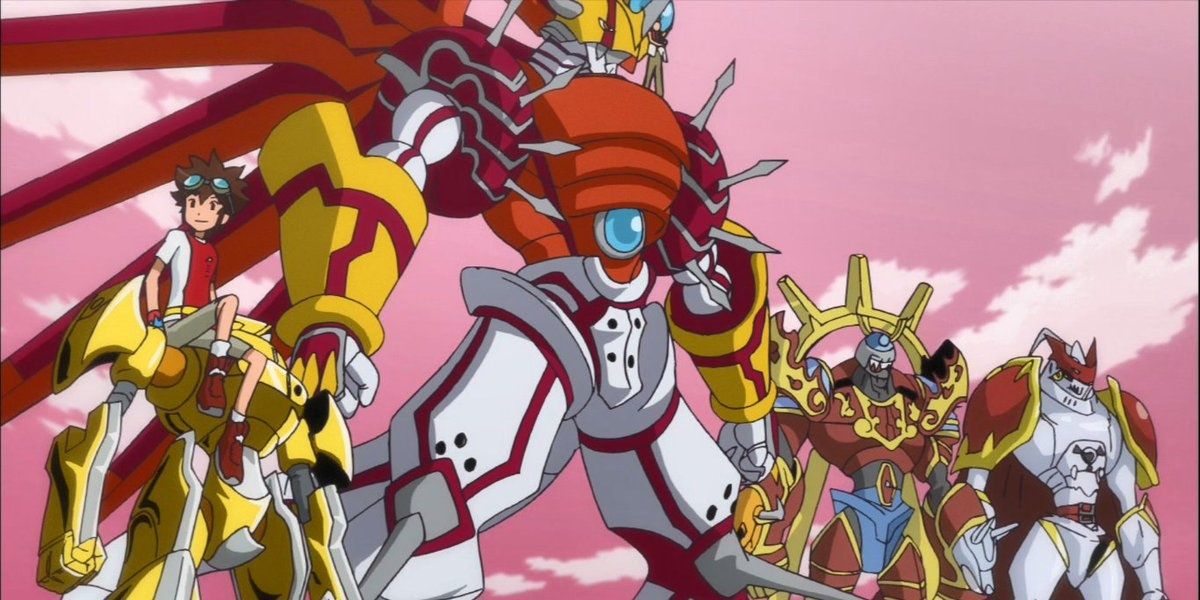
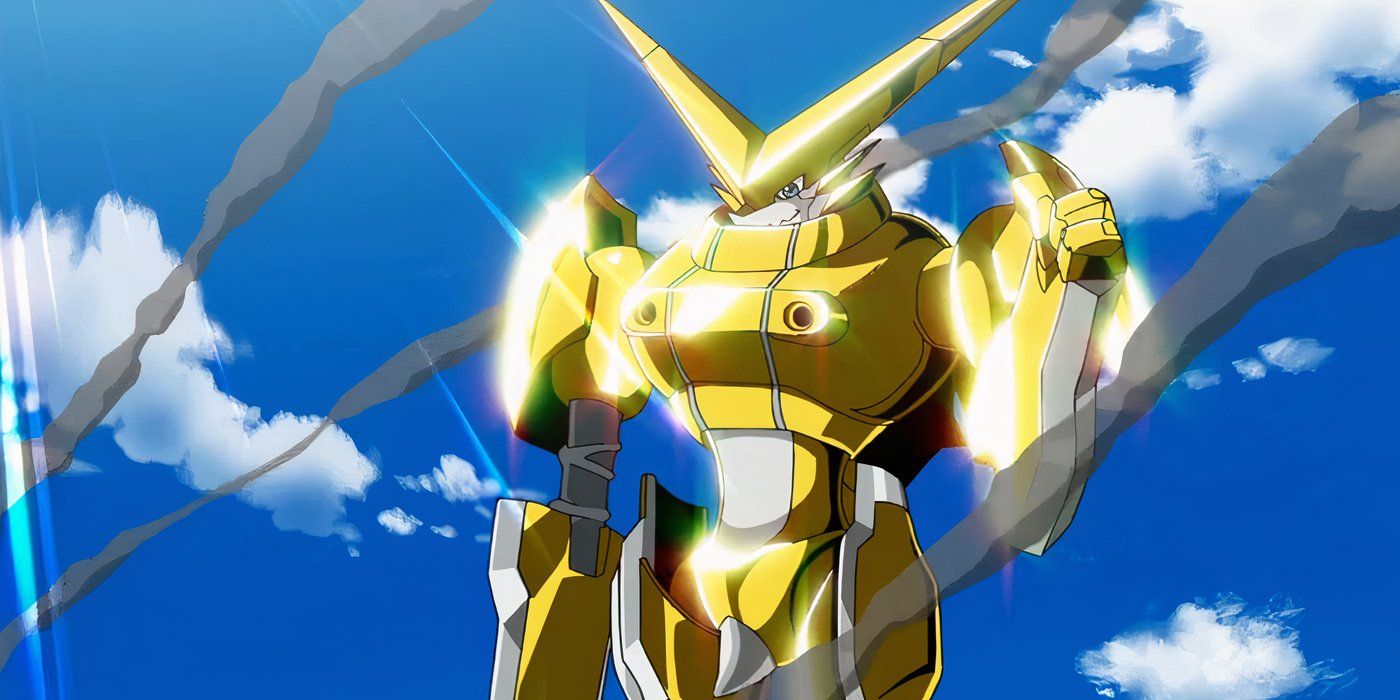
Despite being the longest-running Digimon anime with 79 episodes across multiple seasons, Digimon Fusion (known as Digimon Xros Wars in Japan) has surprisingly faded from the memories of many anime fans.
Digimon Fusion follows Taiki Kudo, a middle school student who, along with his friends Akari and Zenjirou, is suddenly transported to the Digital World. Before they arrive, they discover Shoutmon, who is hurt and needs assistance. Now stuck in this strange new world, Taiki must team up with Shoutmon and gather a group of allies called Xros Heart to defeat the powerful Bagra and ultimately find a way back home.
Digimon Fusion feels like it comes from a different time in anime history. Though it originally aired in 2010, it didn’t reach American audiences on Nickelodeon until 2013. By then, many anime fans were already used to watching shows on streaming platforms like Crunchyroll or Netflix, making traditional cable TV feel outdated – especially for a younger audience.
On top of everything else, Saban Brands’ dub of the series included several awkward changes made for local audiences. For example, the character Taiki Kudo was renamed Mikey Kudo, and Xros Heart became Fusion Fighters. To make things even worse, the dub didn’t complete the entire series, leaving the final story arc untranslated. It’s no surprise fans were disappointed when the franchise returned with the remake of Digimon Adventure.
Nickelodeon’s Speed Racer X Was a Remake of a Beloved Franchise
Most people who remember Speed Racer think of the original show from the late 1960s, originally called Mach GoGoGo. It quickly became popular in the United States, airing on various networks throughout the 1970s, 80s, and even the 90s. The original Speed Racer was a huge hit, finding success on channels like MTV and Cartoon Network.
This probably explains why Nickelodeon created their own take on the classic, called Speed Racer X. It was a complete reimagining of the original series by Tatsunoko Productions and premiered in Japan in 1997. Unfortunately, it wasn’t nearly as popular as the first Speed Racer and was canceled after only 32 episodes.
Even though it wasn’t a long-term success, Nickelodeon showed Speed Racer X five years later as part of its action-packed “SLAM!” block. Unfortunately, “SLAM!” didn’t last very long, and Speed Racer X was also eventually taken off the air. DIC Entertainment produced the English version of the show, but Speed Racer Enterprises owned the rights to the franchise. A disagreement between the two companies over these rights led to the series being cancelled after only 13 of its 32 episodes had aired.
From the start, Speed Racer X struggled to find an audience. It wasn’t a hit in Japan, and when it came to the West, legal problems limited its reach. To make matters worse, the TV block it aired on, SLAM!, was quickly canceled, and the show largely disappeared, becoming another forgotten part of Nickelodeon’s history.
Found an error? Send it so it can be corrected.
Read More
- What Song Is In The New Supergirl Trailer (& What It Means For The DC Movie)
- Grab These Resident Evil PSN Avatars for Free This Month
- Gold’s March Madness: Plumbing, Panic, and Polish Central Banks
- Whales, Channels, and the Inevitable Dance of Folly
- The War Film Harrison Ford Completely Disowned Finally Returns to Streaming – “A Terrible Experience”
- Steam Giving Away Two PC Games for Free for Next 72 Hours
- Darwin’s Paradox! drops Switch version for Switch 2, delayed to 2026
- Robinhood’s Tokenized Stock Fiasco: A Tale of Tokens and Tussles
- Demon Slayer Star Reacts to Infinity Castle Movie Return for Surprising Role
- Starfield PS5 Won’t Play Off Physical Disc without a Download
2026-02-22 20:42