Firaxis Games was founded in 1996 when Sid Meier, Jeff Briggs, and Brian Reynolds left MicroProse. Initially, they couldn’t take the famous Civilization series with them, but Take-Two Interactive later acquired the rights from Infogrames, allowing Firaxis to regain control. This was a turning point, and the studio’s popularity soared with each new Civ release. However, Firaxis isn’t just known for Civilization; they’ve also created a number of other highly-regarded games.
Here are the five best Firaxis Games that aren’t Civilization.
5) Sid Meier’s SimGolf

SimGolf might seem like an unusual title from a studio famous for strategy games, but it’s much more than just a golf game. While you do create and guide a professional golfer through a global championship circuit, the real highlight is the ability to design and build your own golf courses.
The more tournaments you win, the more money you’ll make to improve your golf course. Eventually, you can build a complete 18-hole course that runs itself. You can also download courses created by other players online, giving SimGolf almost endless replay value. It’s not a game for everyone, but dedicated golf fans really appreciated how detailed and complex it was.
4) Sid Meier’s Pirates
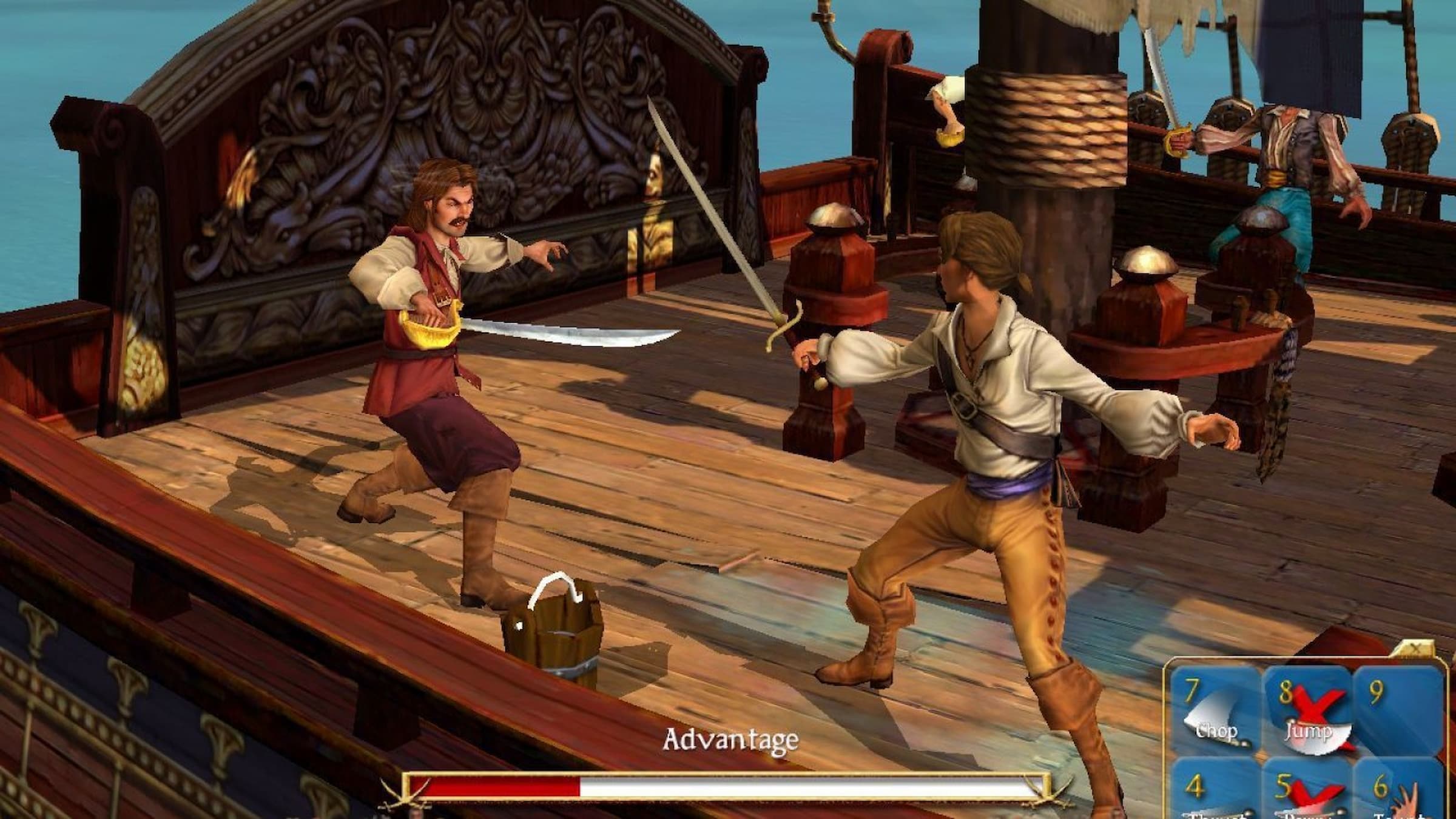
Sid Meier’s original Pirates game came out in 1987, followed by an updated version called Pirates Gold in 1993. This 2004 release is actually the second remake of the original, but many consider it the best one yet, due to its engaging variety of minigames.
The main appeal of Pirates is that you’re constantly doing different things as you explore the Caribbean – things like sailing ships, fighting naval battles, and even dancing with the governor’s daughter! To become a successful pirate and get a high score, you’ll need to be good at all of it. While it can get a little repetitive after playing for a while, it’s still a well-made update to a classic game by Sid Meier.
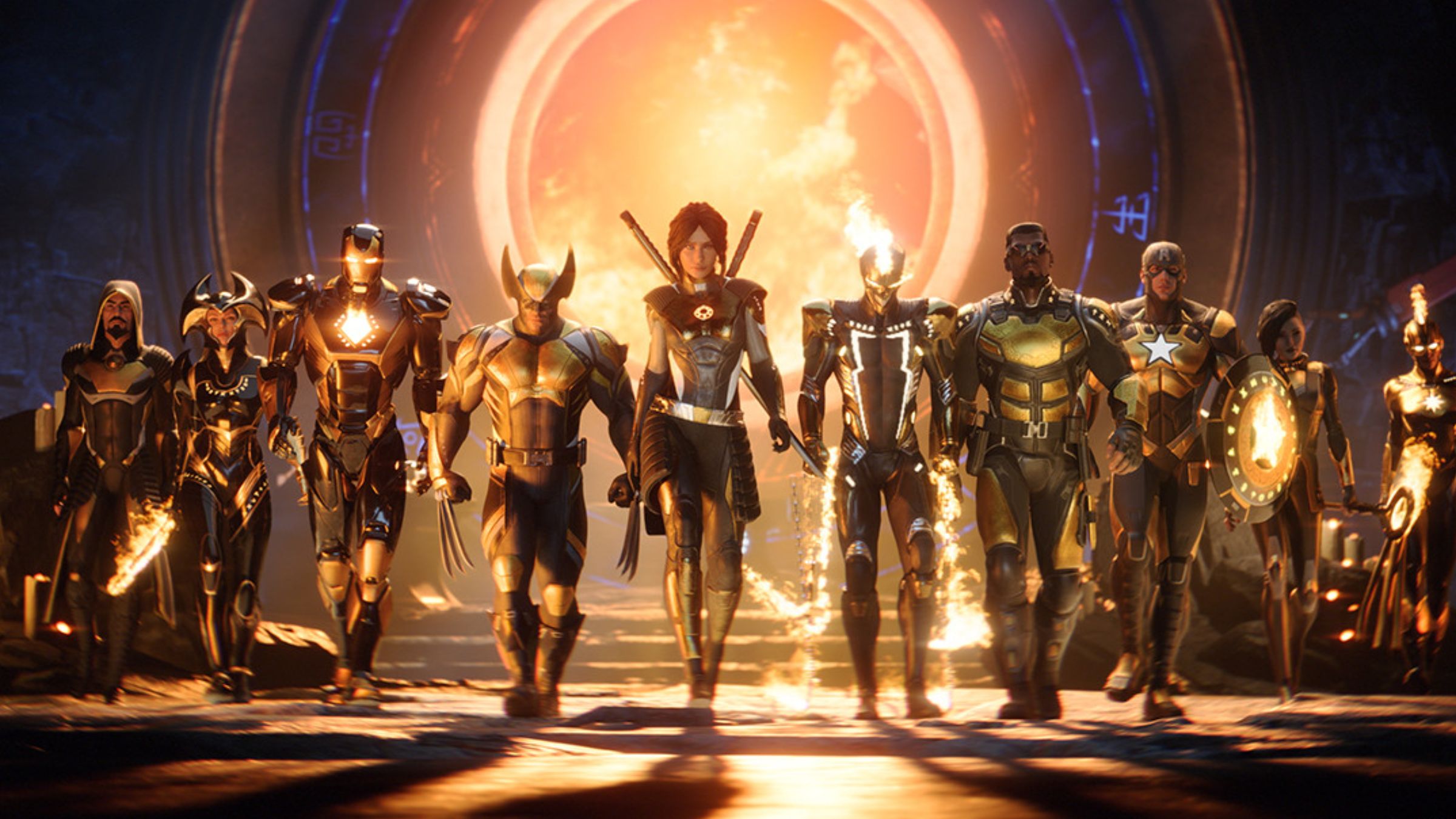
3) Marvel’s Midnight Suns

Marvel’s Midnight Suns was a fantastic game that didn’t get the recognition it deserved. The developers, Firaxis, cleverly combined the popular Marvel characters with the strategic gameplay of XCOM. But they went further, adding a deck-building element that requires players to adapt and overcome challenges. This kept the fast-paced action going while adding a unique twist to traditional turn-based combat. In a lot of ways, Midnight Suns felt like the natural next step for the XCOM series.
This game boasts a captivating story, memorable characters, and a large, explorable world, making it one of the year’s highlights. It’s a disappointment that it didn’t find a large audience, especially considering it’s based on the popular Marvel universe. The challenging, turn-based combat likely deterred many players. Sadly, this probably means we won’t see a sequel that could have refined the experience, and the game’s disappointing sales also led to layoffs within the development team.
2) Sid Meier’s Alpha Centauri
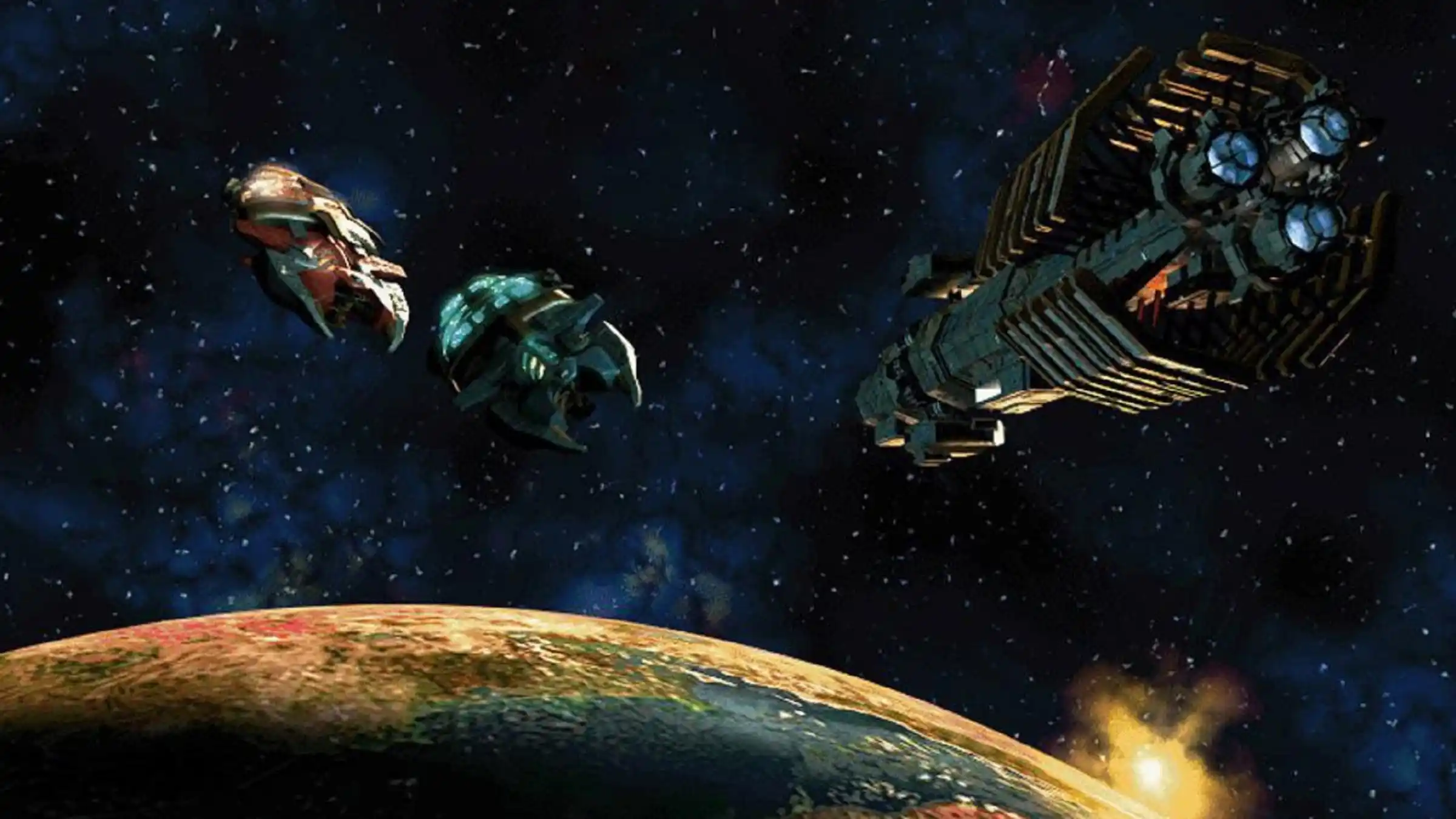
Alpha Centauri was essentially a space-based version of the Civilization game, though it wasn’t officially called Civilization. The name ‘Civilization’ wasn’t reclaimed by its creators, Firaxis, for several years. Because of this, while it was Firaxis’s first attempt to recreate the feeling of the original, it doesn’t officially count as part of the Civilization series. However, it shares many core elements with the gameplay, leading many to consider it the spiritual successor to Civilization II.
Alpha Centauri is a fantastic game. Its single-player campaign tells a compelling science fiction story and is an excellent way to experience Firaxis’ style of strategy gaming. The gameplay was top-notch when it was released and remains enjoyable today. The addition of space travel was a great move, and it earned numerous Game of the Year awards. It’s a shame we never got a true sequel, and while Civilization: Beyond Earth exists, I don’t consider it a worthy successor.
1) XCOM: Enemy Unknown
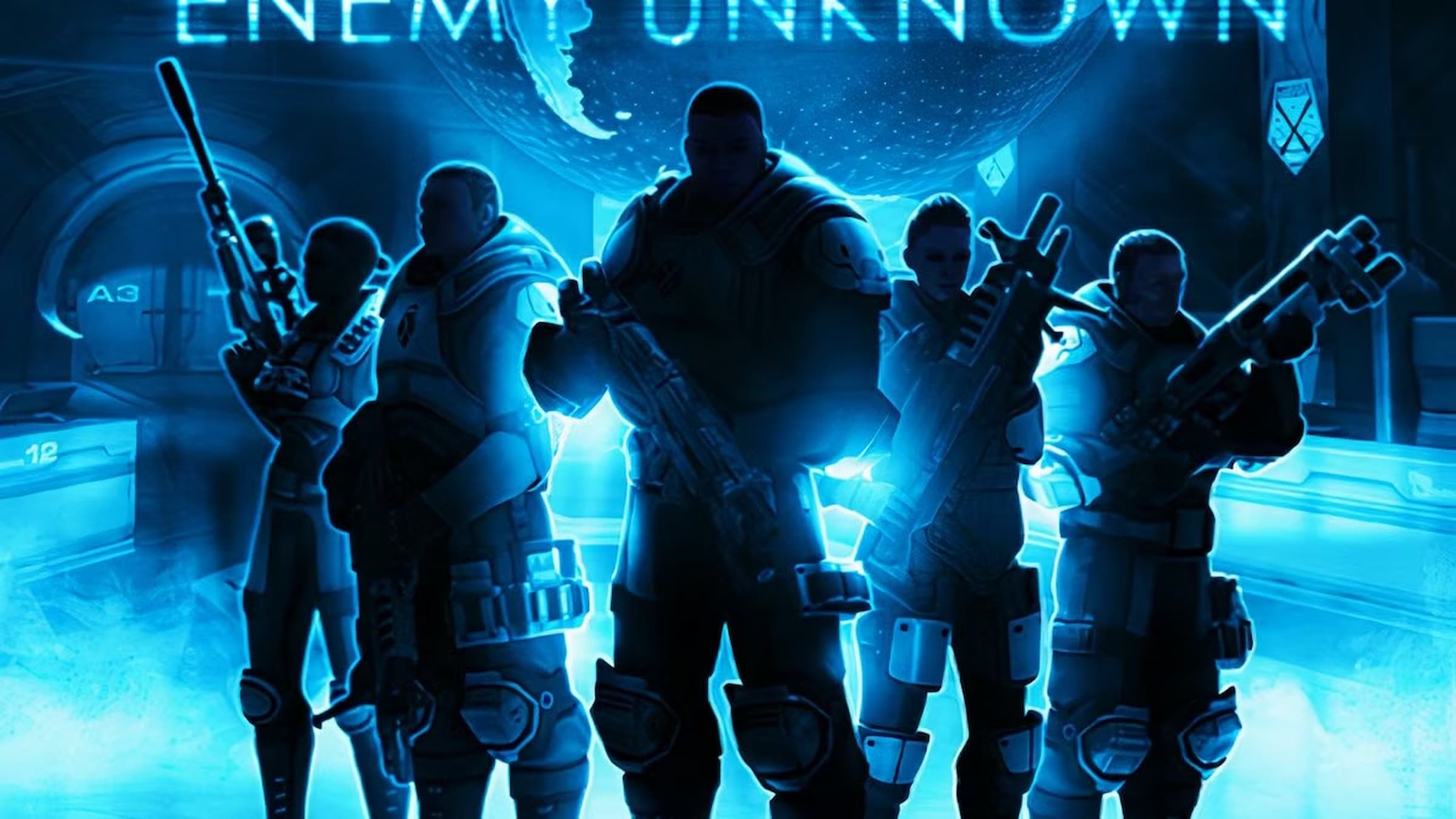
The original X-COM games from the 1990s were very popular and led to three sequels. However, by the fourth game, X-COM: Interceptor, the series had lost its appeal and went on a long hiatus. That’s not entirely accurate, though. Jake Solomon began suggesting a new X-COM game to Firaxis shortly after joining the company in the late 1990s.
Solomon received approval to begin developing a prototype in 2003, but it took nine years for XCOM: Enemy Unknown to actually release in 2012. Thankfully, Solomon persevered, and Enemy Unknown proved to be a groundbreaking tactics game when it arrived. It revitalized the genre and gave Firaxis Games a second major franchise alongside Civilization. While XCOM 2 might be a stronger game overall, Enemy Unknown was far more crucial to Firaxis’s success.
What do you think? Leave a comment below and join the conversation now in the ComicBook Forum!
https://comicbook.com/gaming/list/5-turn-based-strategy-games-you-forgot-were-awesome/embed/#
Read More
- What Song Is In The New Supergirl Trailer (& What It Means For The DC Movie)
- Gold Rate Forecast
- Eurogamer Gives ARC Raiders 2/5 Over AI Voices, Dropping Metacritic Score from 94 to 84
- Why High on Life 2 added skateboarding, explained by the developer
- MOUSE: P.I. For Hire Loops in Caravan Palace for A Catchy New Track Ahead of April 16 Release
- Dune 3 Gets the Huge Update Fans Have Been Waiting For
- The Quantum Observer: How Reality Takes Shape
- How Whitney Leavitt Made Ticket Sale History in Broadway Debut
- The Most Surreal Moments From the O.J. Simpson Murder Trial
- Harry Potter Season 2 Gets a Positive Update as Delayed Release Confirmed
2026-01-11 01:12