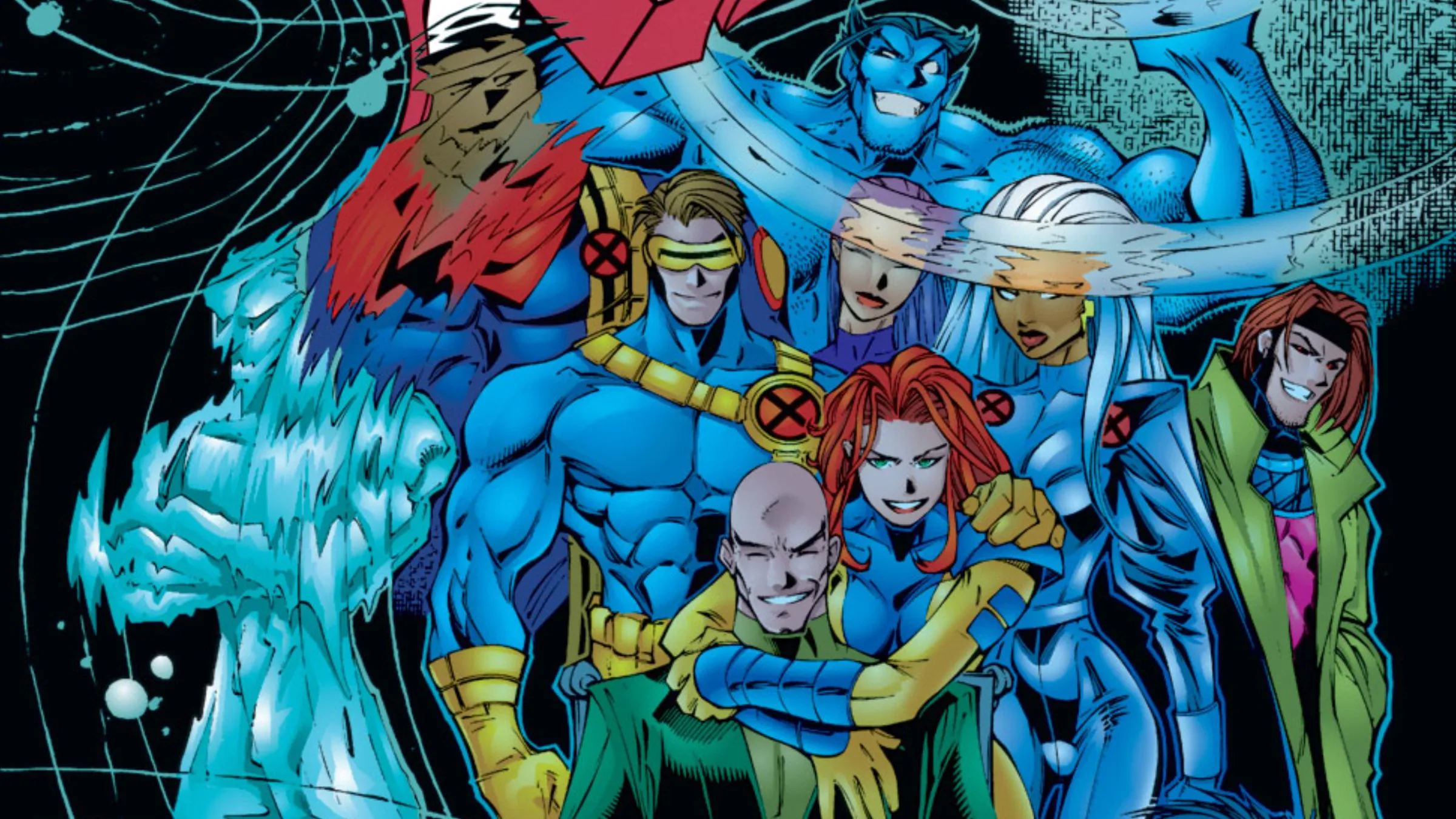
The X-Men were a major force in comics, first becoming the top-selling title in the 1980s, but truly exploding in popularity during the 1990s. Marvel had spent years developing the team, its history, and its villains, and also brought on board some of the most talented artists from the 80s. This investment paid off big time in the 90s. Even when writers Chris Claremont and Louise Simonson moved on, sales didn’t suffer – in fact, they continued to climb. Issues like X-Force (Vol. 1) #1 and X-Men (Vol. 2) #1 are among the best-selling comics of all time, and the X-Men remained at the top of the charts throughout the entire decade.
The X-Men had a fantastic run in the 1990s, becoming more popular thanks to the hit cartoon, X-Men: The Animated Series. Several things contributed to the franchise’s success during this decade, fundamentally changing the team. Here are five of the most important elements that kept the X-Men at the forefront of the comic book world in the 1990s.
5) Villainous Magneto

Magneto’s character evolved significantly in the 1980s. Initially portrayed as a villain similar to Doctor Doom, writer Chris Claremont developed him into a more complex and even sympathetic figure who eventually led the X-Men. When Claremont left the series, the franchise underwent a major reset, and Magneto was reverted to his villainous roots as part of a return to the character’s original concept. The 1990s saw a series of impactful stories – X-Men (Vol. 2) #1-3, “Fatal Attractions,” and “The Magneto War” – that showcased him as a formidable antagonist. These stories are considered excellent, and many fans agree that Magneto truly excelled as a villain. While he’s often remembered as a complex, even sympathetic figure, his role as a powerful adversary was crucial to the X-Men’s success in the 1990s.
4) The Gambit/Rogue Relationship
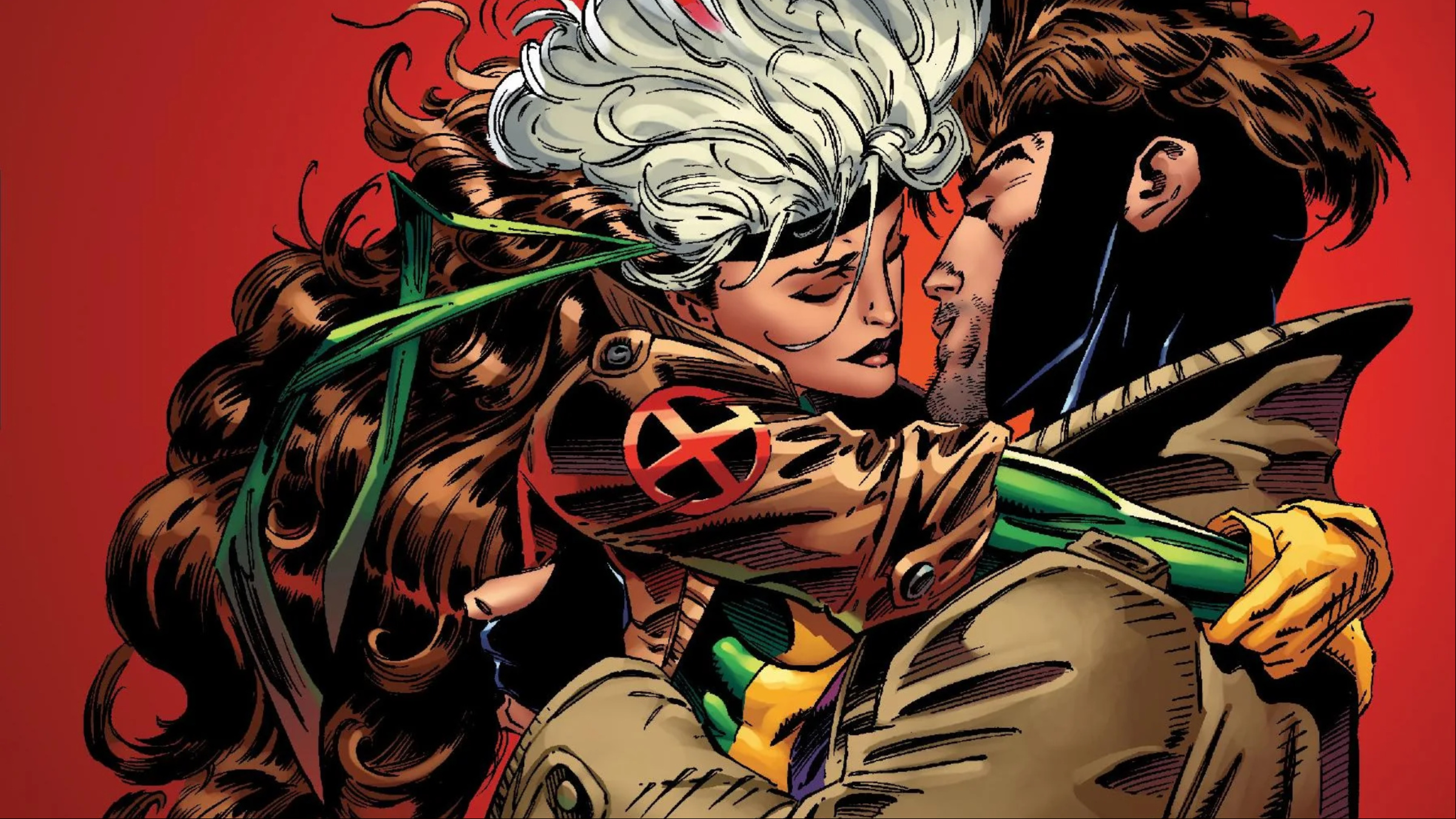
As a huge X-Men fan, I always remember Gambit bursting onto the scene in 1990 and quickly becoming almost as popular as Wolverine! What really grabbed everyone, though, was his romance with Rogue. From the start, their connection was a big part of what made the X-Men so exciting in the ’90s. The writers had so much fun exploring their relationship – was it genuine, and could they overcome the challenges it presented? Before that decade, Cyclops and Jean Grey were the X-Men couple, but Rogue and Gambit totally took over that spot. Their on-again, off-again love story was just captivating, and it’s a relationship that still resonates with fans like me today. It really gave the comics a powerful, emotional core.
3) Wolverine (Vol. 2)
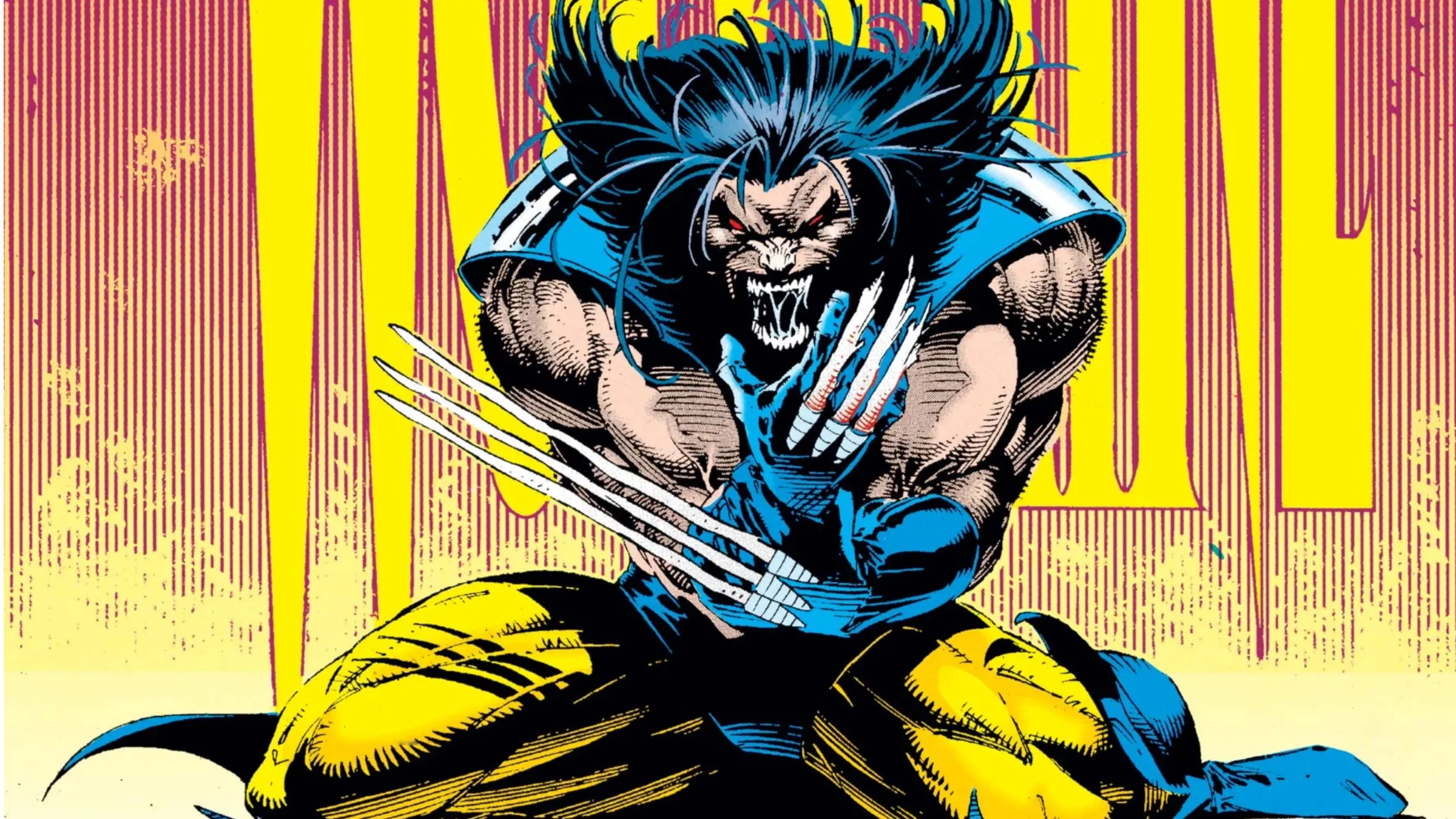
As a huge comic book fan, let me tell you, Wolverine absolutely defined the ’90s for Marvel. He was a sales juggernaut, plain and simple. He got his own ongoing series in 1989, and it quickly became one of the best-selling solo titles of the decade, and honestly, it kept the whole X-Men line afloat. Larry Hama wrote the book for most of the ’90s, and in my opinion, it was the best X-Men book of that era, hands down. He really dug into Logan’s backstory, from the fallout of Weapon X to those early days with bone claws – it was fantastic stuff. After Hama moved on in ’97, we got some incredible runs from Chris Claremont, Warren Ellis, and Erik Larsen. And the art? Forget about it! Guys like Adam Kubert and Leinil Yu really became stars drawing Logan’s solo adventures, alongside amazing work from Marc Silvestri, Mark Texeira, Darick Robertson, and Jeff Matsuda. Seriously, issues #31 through #147 of Wolverine (Vol. 2) are a must-read and represent some of the very best the X-Men had to offer in the ’90s.
2) The Artists
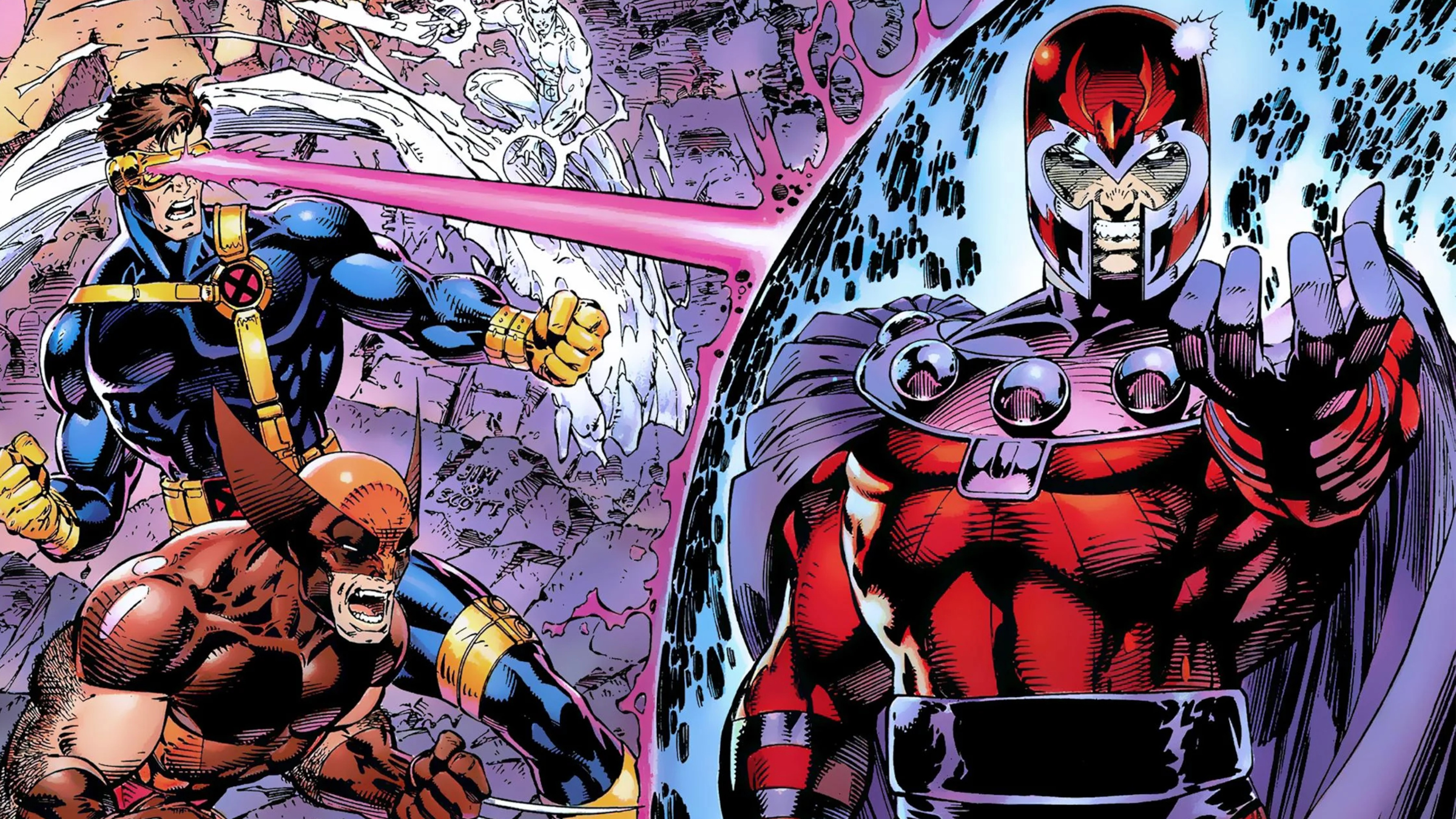
The X-Men comics were renowned for having some of Marvel’s most talented artists, particularly during the 1990s. Titles like Uncanny X-Men, X-Factor, New Mutants, and Wolverine (Vol. 2) began the decade with incredible artwork from Jim Lee, Marc Silvestri, Whilce Portacio, and Rob Liefeld, which greatly boosted sales and captivated readers. When these four artists left to create Image Comics, a new wave of exceptional artists – including Andy Kubert, Brandon Peterson, John Romita Jr., Joe Madureira, Steve Skroce, Ian Churchill, Chris Bachalo, Leinil Yu, Adam Kubert, Tom Grummet, Jeff Matsuda, Alan Davis, Steve Epting, and Tony S. Daniel – continued to deliver stunning visuals. From the core X-Men books to spin-offs like Generation X and X-Force, and numerous limited series, the art was consistently striking and drove sales to extraordinary heights.
1) Variety
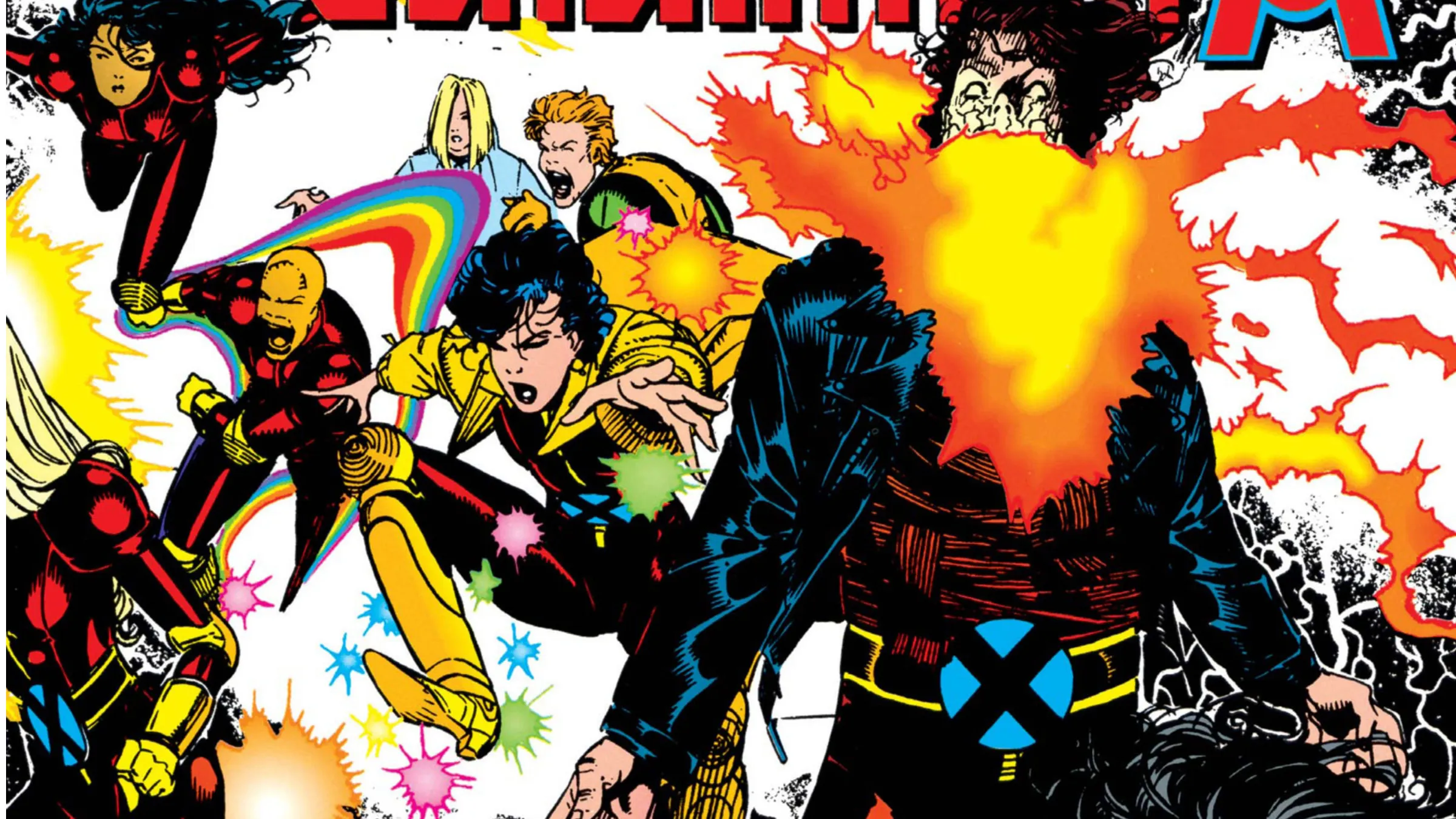
During the 1980s and 90s, the X-Men universe exploded with new comic series. Beyond the main Uncanny X-Men title, many ongoing series and limited runs were launched. New Mutants evolved into X-Force, Uncanny X-Men spawned X-Men, and titles like Generation X, Cable, X-Man, and Gambit joined existing books like X-Factor, Excalibur, and Wolverine (Vol. 2). The sheer variety of X-Men comics was a key factor in their success. Fans could easily fill their month with only X-Men titles and find all the superhero stories they wanted. There were books geared towards teens, gritty stories about black ops teams, books focusing on government-sponsored heroes, unusual superhero adventures, several solo character series, and the classic superhero action of Uncanny X-Men and X-Men. The X-Men line offered something for everyone, and these comics consistently outsold many other Marvel titles.
https://comicbook.com/comics/list/the-10-best-x-men-stories-in-marvel-history/embed/#
Read More
- The Super Mario Galaxy Movie: 50 Easter Eggs, References & Major Cameos Explained
- 10 Best Free Games on Steam in 2026, Ranked
- All 13 Smash Bros. Characters in the Super Mario Galaxy Movie
- Sydney Sweeney’s The Housemaid 2 Sets Streaming Release Date
- Welcome to Demon School! Iruma-kun season 4 release schedule: When are new episodes on Crunchyroll?
- Why is Tech Jacket gender-swapped in Invincible season 4 and who voices her?
- Control Resonant’s Hiss and Mold Are “Way More Complex” Than Before (and More Aggressive)
- Dune 3 Gets the Huge Update Fans Have Been Waiting For
- TV legend Carol Kirkwood reveals the reasons why she decided to retire after 28 years with BBC
- Highly Anticipated Strategy RPG Finally Sets Release Date (And It’s Soon)
2025-12-25 22:11