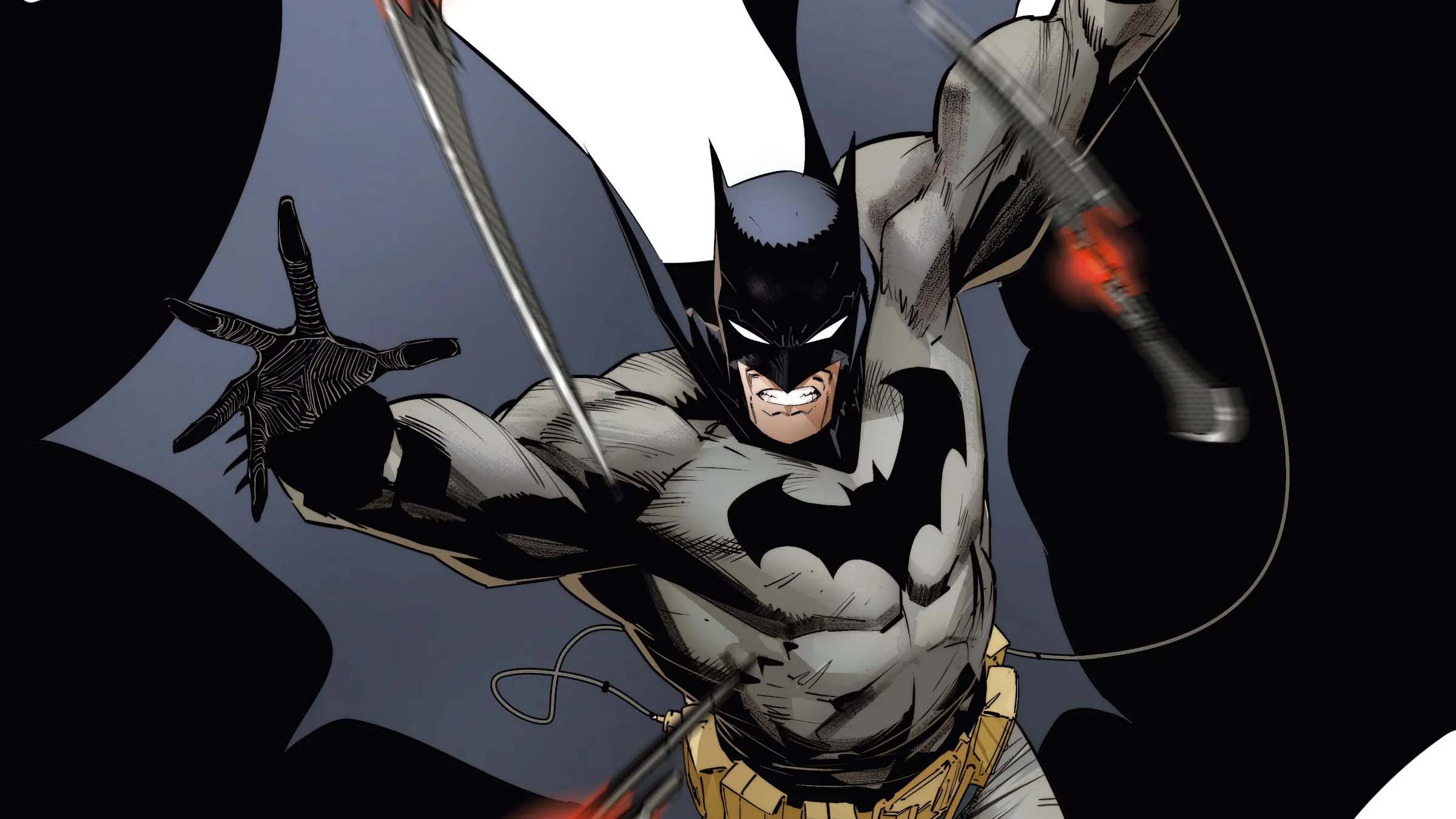
Batman is the driving force behind DC Comics, consistently being their most popular character. While some criticize his prominence, arguing he overshadows others, his success actually funds the publication of lesser-known titles that fans enjoy. Without Batman, those books likely wouldn’t exist. His enduring popularity, built over 86 years, stems from consistently compelling stories, solidifying his status as a true legend.
Batman has a rich history filled with incredible stories, and over the years, many creators have shaped the legend of Gotham’s hero. Each era has added something unique to the character, and the most successful ones have helped create the popular hero we know today – the one we all love (even if we sometimes complain about him, we still buy his comics!). Here are five of the best eras of Batman, each one expanding the possibilities of what the character could be.
5) Tom King Era
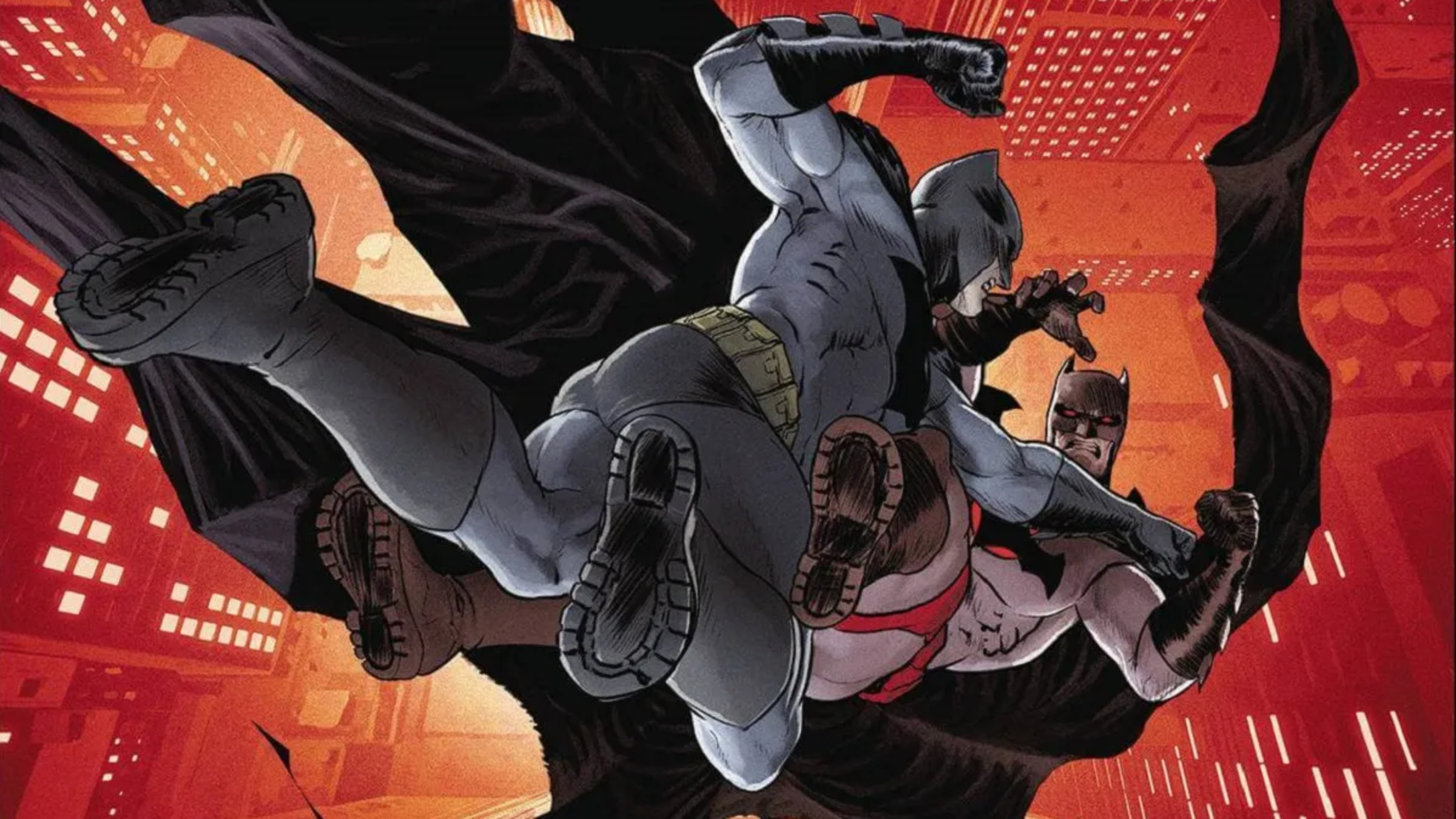
Many Batman fans dislike Tom King’s run on the comic, but I believe they’re mistaken. Over 85 issues, King delved deep into Batman’s mind, offering a fresh and compelling portrayal of the hero. He significantly developed the relationship between Batman and Catwoman – though DC’s reluctance to let them marry frustrated many readers. King also presented Bane as a truly formidable villain, on par with the Joker, and crafted excellent stories that explored the motivations and complexities of various characters. What made King’s run stand out was his ability to capture Batman’s inner turmoil – the depression, anxiety, and constant pressure – making the character more engaging than it had been in years.
4) Miller/Post-Crisis Era
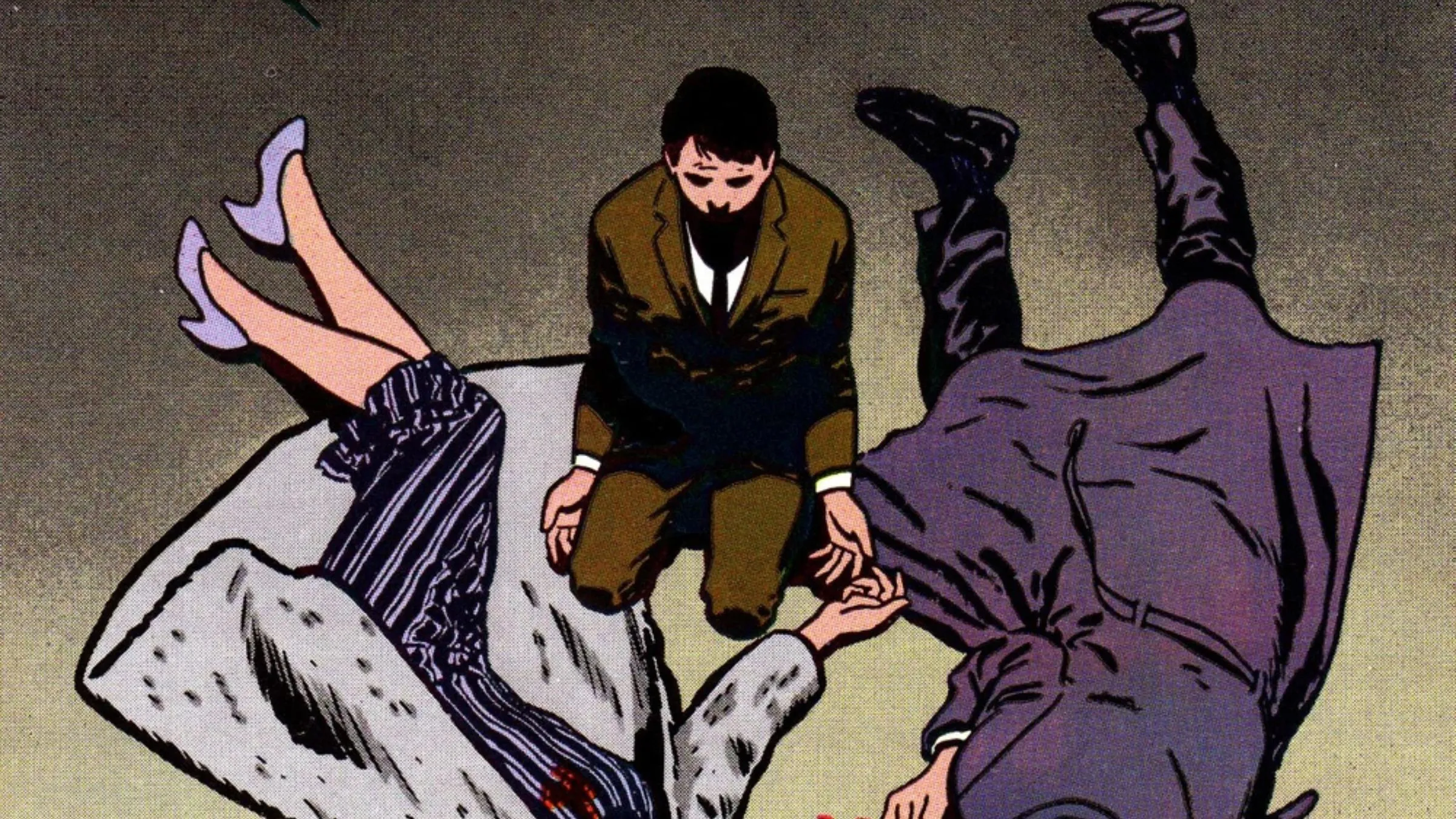
The comic book event Crisis on Infinite Earths dramatically reshaped the DC Universe, simplifying it by eliminating alternate realities and essentially starting over. This led to a fresh take on Batman, beginning with Frank Miller and David Mazzuchelli’s Batman: Year One, which followed up on the themes introduced in Miller’s The Dark Knight Returns. Year One became a core part of Batman’s official history, establishing a grittier, more realistic portrayal of the character. This new direction fueled several years of excellent Batman comics, from 1986 to around 1992, with contributions from a wealth of talented creators including Jim Starlin, Jim Aparo, Marv Wolfman, Alan Davis, Todd McFarlane, Grant Morrison, Dave McKean, Klaus Janson, Alan Moore, and Brian Bolland. This period produced iconic stories like Batman: The Killing Joke, Arkham Asylum: A Serious House on Serious Earth, and continuations like Year Two and Year Three, along with storylines like Death in the Family and Gothic. This era, though sometimes overlooked, was incredibly influential and laid the groundwork for future Batman narratives.
3) New 52 Era
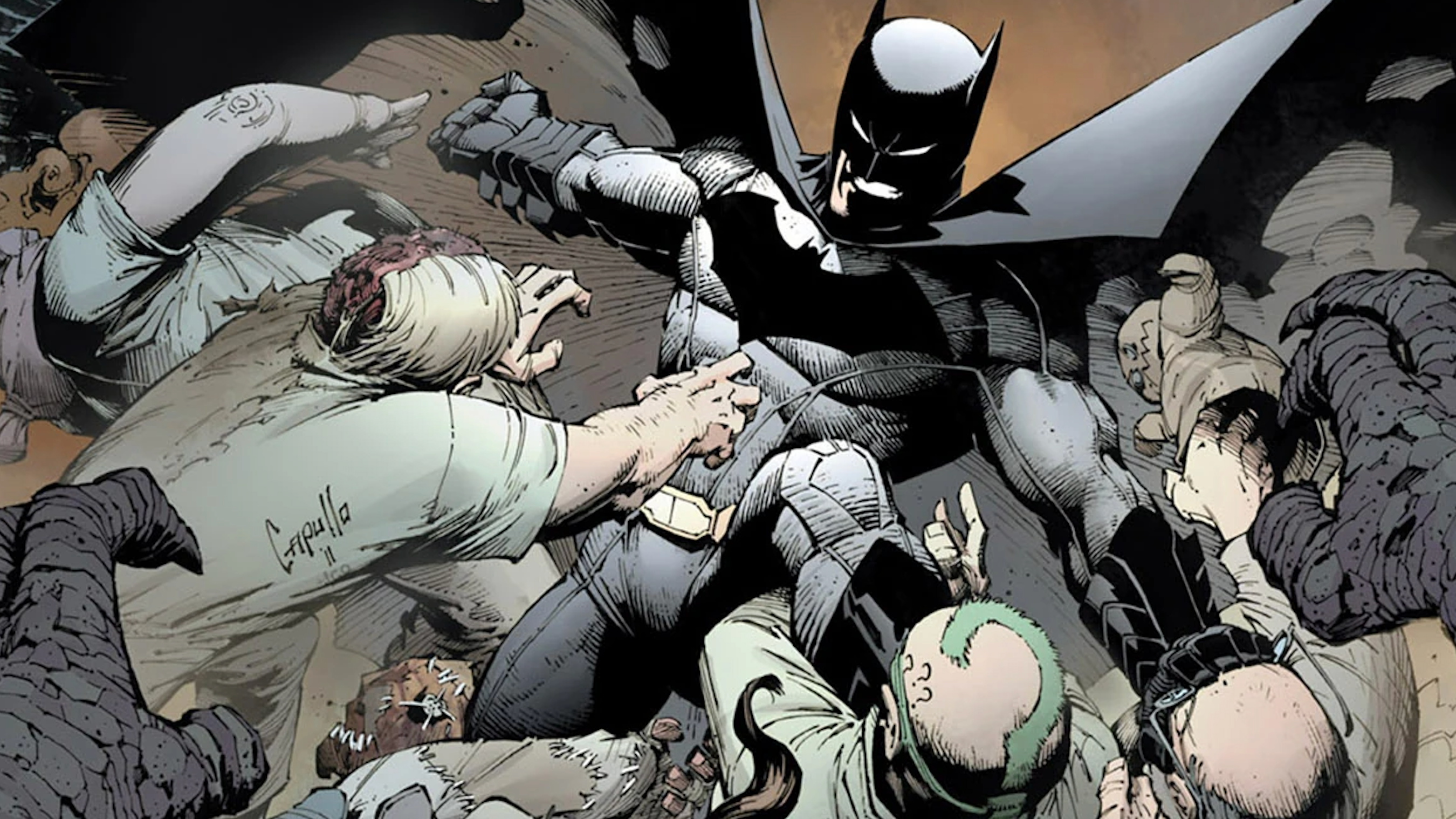
The New 52 DC relaunch is often remembered for losing steam, with many of its titles being unremarkable. However, the Batman books from that era were exceptional. Runs by Scott Snyder and Greg Capullo on Batman, Pete Tomasi and Patrick Gleason on Batman and Robin, and the conclusion of Grant Morrison’s run, among others, made it a truly fantastic period for the character. While not flawless, the sheer number of excellent Batman stories published during the New 52 has made it a favorite among fans.
2) The Morrison Era
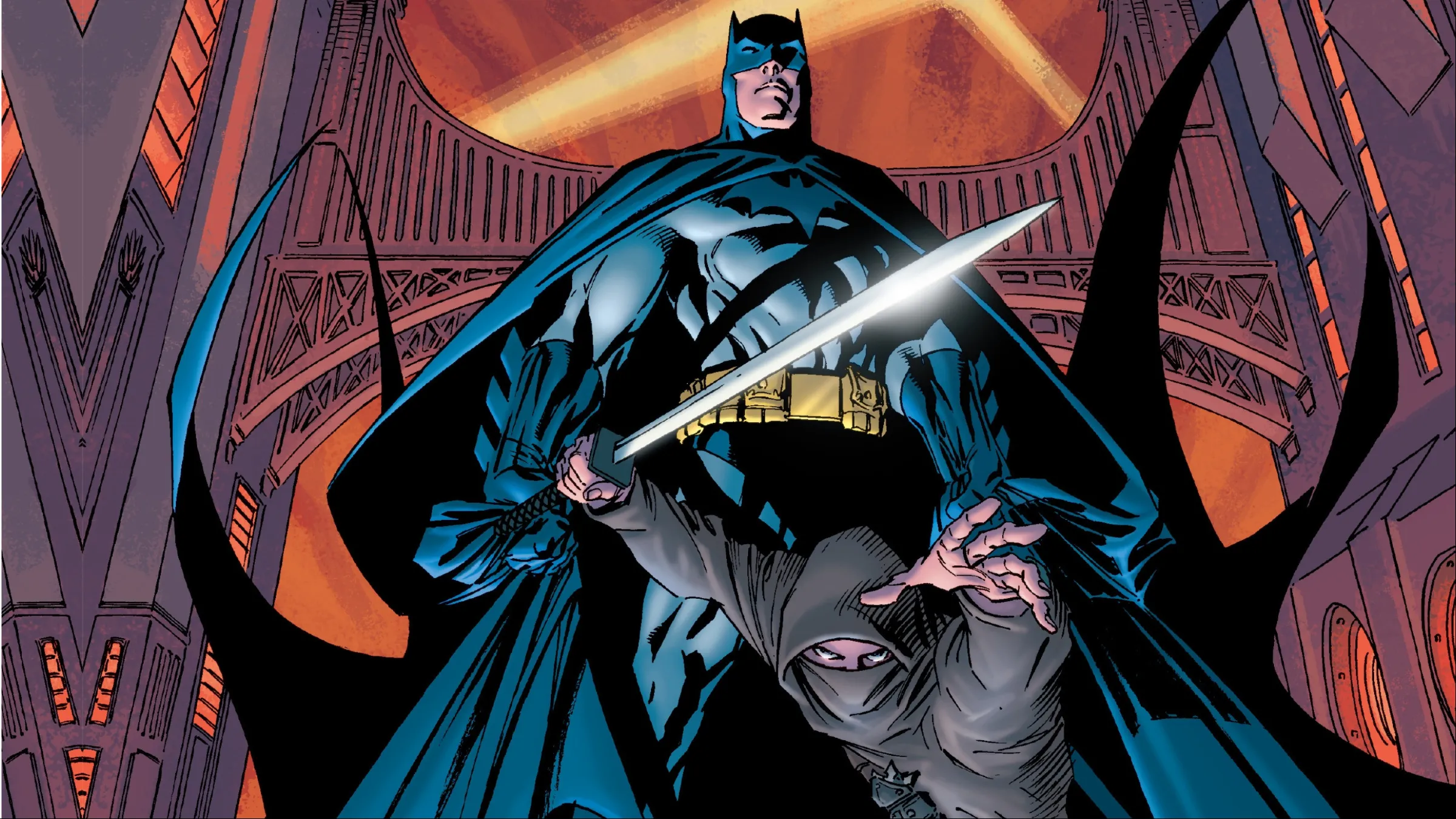
Grant Morrison is a legendary writer for DC Comics with a strong connection to Batman. They previously penned iconic stories like Arkham Asylum: A Serious House on Serious Earth and “Gothic,” and contributed to many other Batman titles. In 2007, Morrison became the main writer for Batman, launching a grand, three-part story arc. The first part (issues #655-683) focused on Batman unraveling secrets from his past while facing a powerful new villain, culminating in a battle with Darkseid. The second part, spanning Batman and Robin (issues #1-16) and Batman: The Resurrection of Bruce Wayne, followed Dick Grayson and Damian Wayne as the new Batman and Robin, and Bruce Wayne’s eventual return. The final act, covering the first two volumes of Batman Incorporated, expanded Batman’s reach globally and introduced Leviathan, a new threat led by a familiar enemy. Morrison’s run elevated Batman by creating a cohesive history for the character, solidifying its place in comic book lore. It’s considered a golden age for the hero, and fans also enjoyed Paul Dini’s excellent run on Detective Comics during this same period.
1) The Bronze Age Era
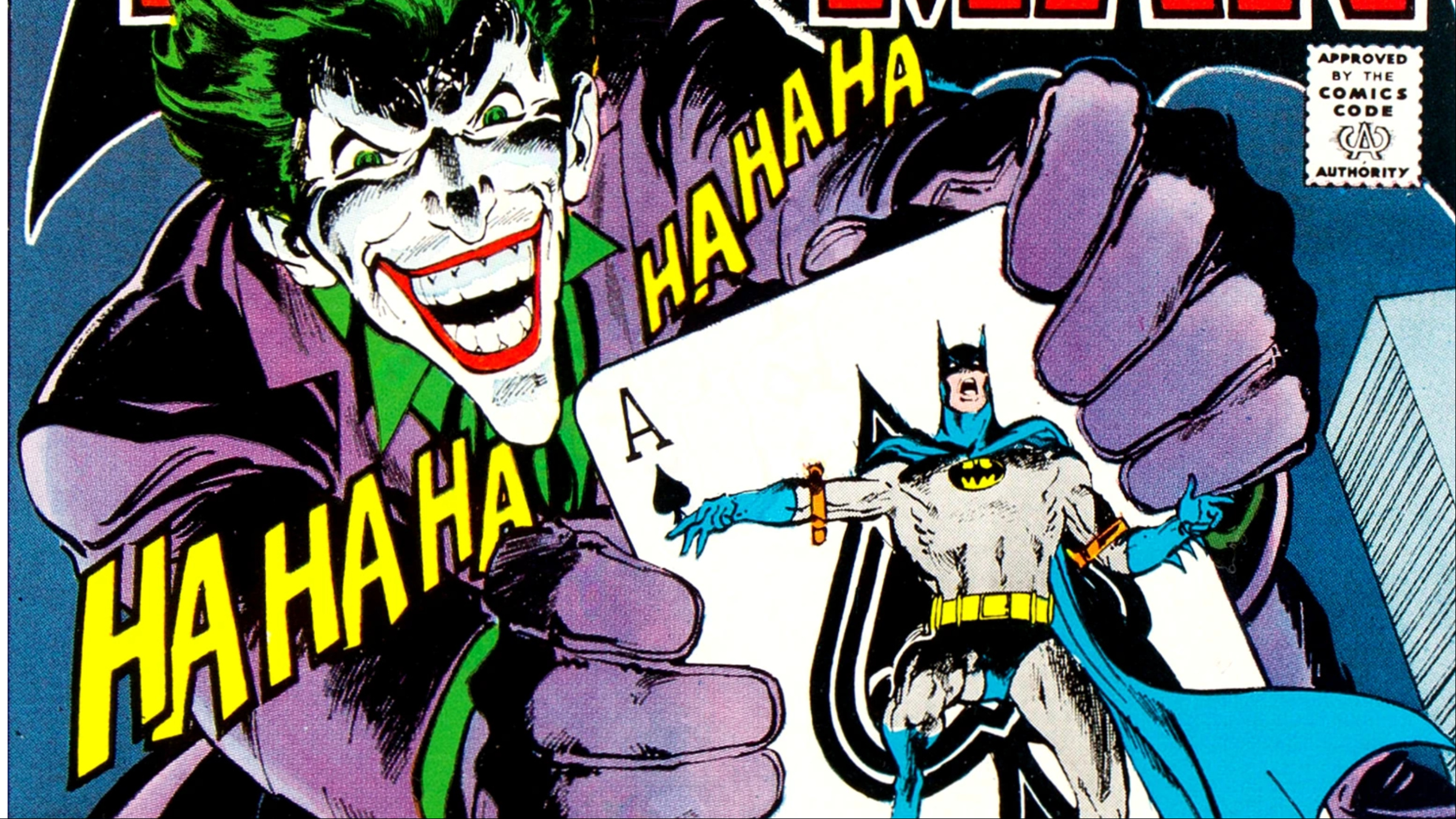
Batman’s early years were very different from what we know today. In the 1950s, the comics leaned into strange science fiction themes and focused heavily on romantic storylines for the character. The 1960s were defined by the campy and colorful Batman TV show, and the comics mirrored that style, eventually becoming tiresome for readers. A significant shift occurred in 1970 with the start of the Bronze Age of Comics. This era, lasting until 1985, fundamentally changed Batman. Writers Denny O’Neil and Neal Adams brought a darker, more serious tone back to the character, creating memorable stories. Steve Englehart and Marshall Rodgers continued this trend. The older version of Batman, from Earth-Two, also received attention, and he frequently teamed up with other heroes in The Brave and the Bold. This period also introduced key characters like Nightwing and Jason Todd through the Batman and the Outsiders series. Overall, this era was crucial in developing Batman into the complex hero he is today and remains a beloved time for fans.
https://comicbook.com/comics/list/10-dc-series-you-should-read-in-2026/embed/#
Read More
- Gold Rate Forecast
- Every Creepy Clown in American Horror Story Ranked
- Hazbin Hotel Secretly Suggests Vox Helped Create One of the Most Infamous Cults in History
- 22 actors who were almost James Bond – and why they missed out on playing 007
- Arknights: Endfield – Everything You Need to Know Before You Jump In
- Chill with You: Lo-Fi Story launches November 17
- Everything We Know About Gen V Season 3 (& Why It’ll Be a Very Different Show)
- Kingdom Come: Deliverance 2 – Legacy of the Forge DLC Review – Cozy Crafting
- As Dougal and friends turn 60, Radio Times explores the magic behind The Magic Roundabout
- Blue Protocol Star Resonance: Goblin Lair Dungeon Guide
2025-12-31 02:13