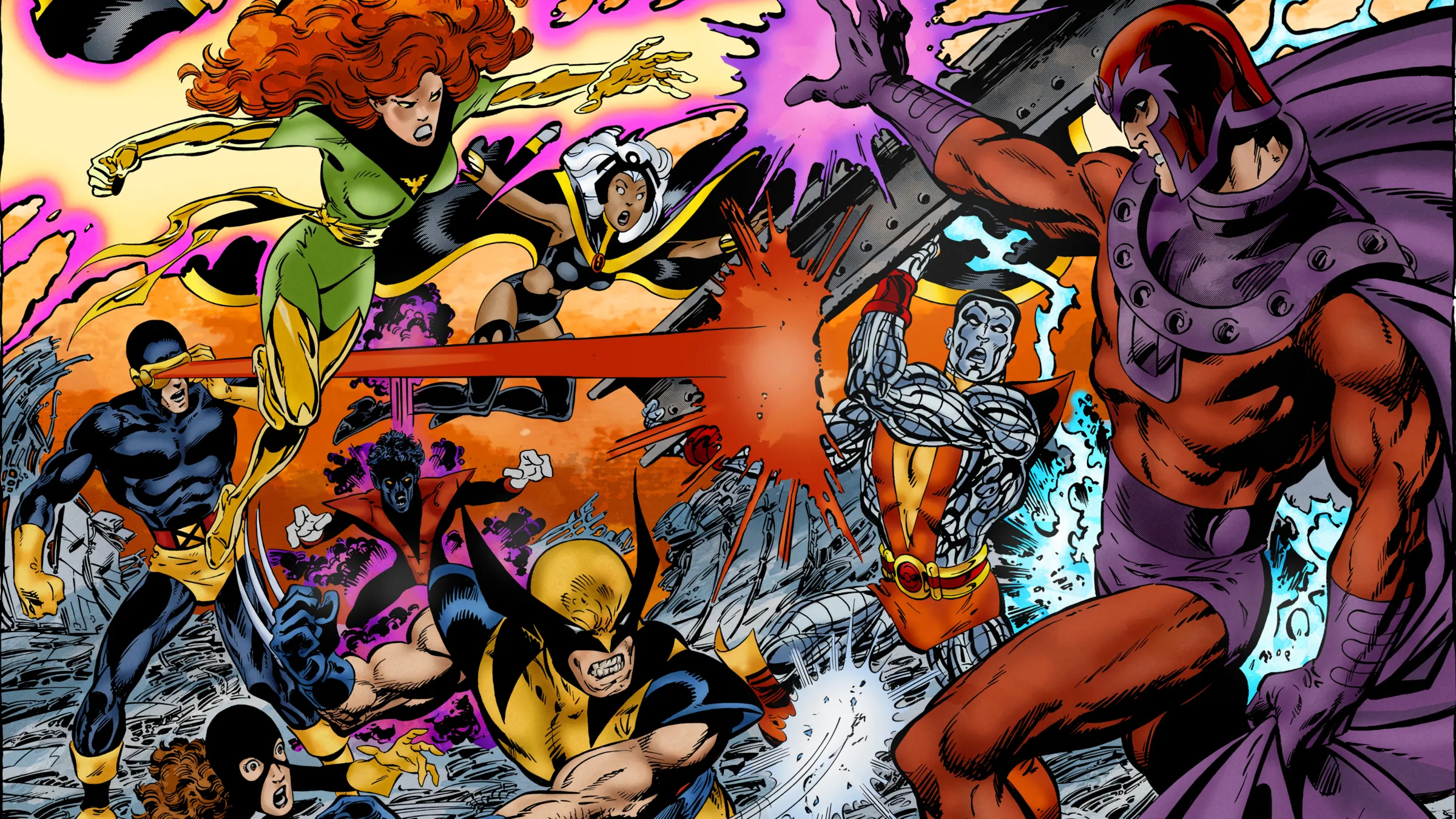
The X-Men didn’t always enjoy widespread popularity. In fact, for a long time, they were among the least successful superhero teams at both Marvel and DC Comics. While their books sold enough to stay in publication, sales weren’t strong enough to support new storylines. Everything changed with the release of Giant-Size X-Men #1 in 1974, which launched the team toward massive success. Since then, the X-Men have become the best-selling superhero team of all time – X-Men (Vol. 2) #1 alone sold eight million copies, and both Uncanny X-Men and X-Men consistently topped the sales charts throughout the 1980s, 90s, and early 2000s. Today, they are considered legends and have a huge, dedicated fanbase.
The X-Men have gone through many different phases over the years, each attempting to refresh the team and attract new fans. While not every era is a hit – like the current one under Tom Brevoort – some have produced truly exceptional stories. Here are five periods that stand out as the best, establishing the X-Men as major comic book icons.
5) The Krakoa Era
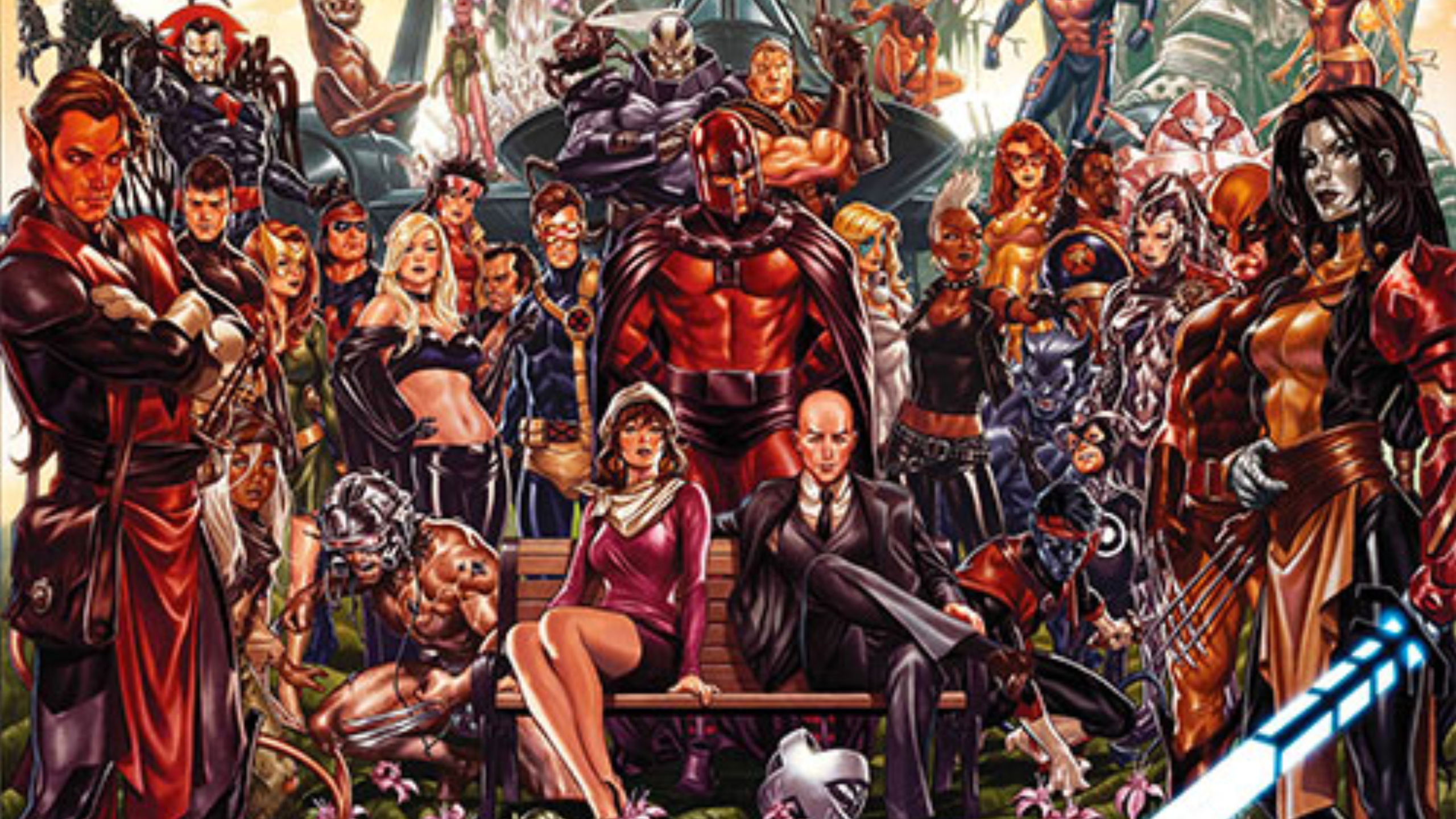
The X-Men experienced a fantastic period known as the Krakoa Era, especially when it first began. Marvel regained the rights to use the X-Men in films and brought in acclaimed writer Jonathan Hickman to revitalize the comic book series. Hickman, along with a talented team of creators, established a new mutant nation on the island of Krakoa and launched a wide variety of successful titles. While the quality declined after Hickman’s departure, some series like X-Men Red and Immortal X-Men remained excellent, with storylines such as “Sins of Sinister” and A.X.E. Judgment Day proving the line still had creative strength. Although the X-Men books didn’t maintain that initial high level throughout the entire era, the Krakoa Era remains a memorable and enjoyable time for fans.
4) Utopia Era
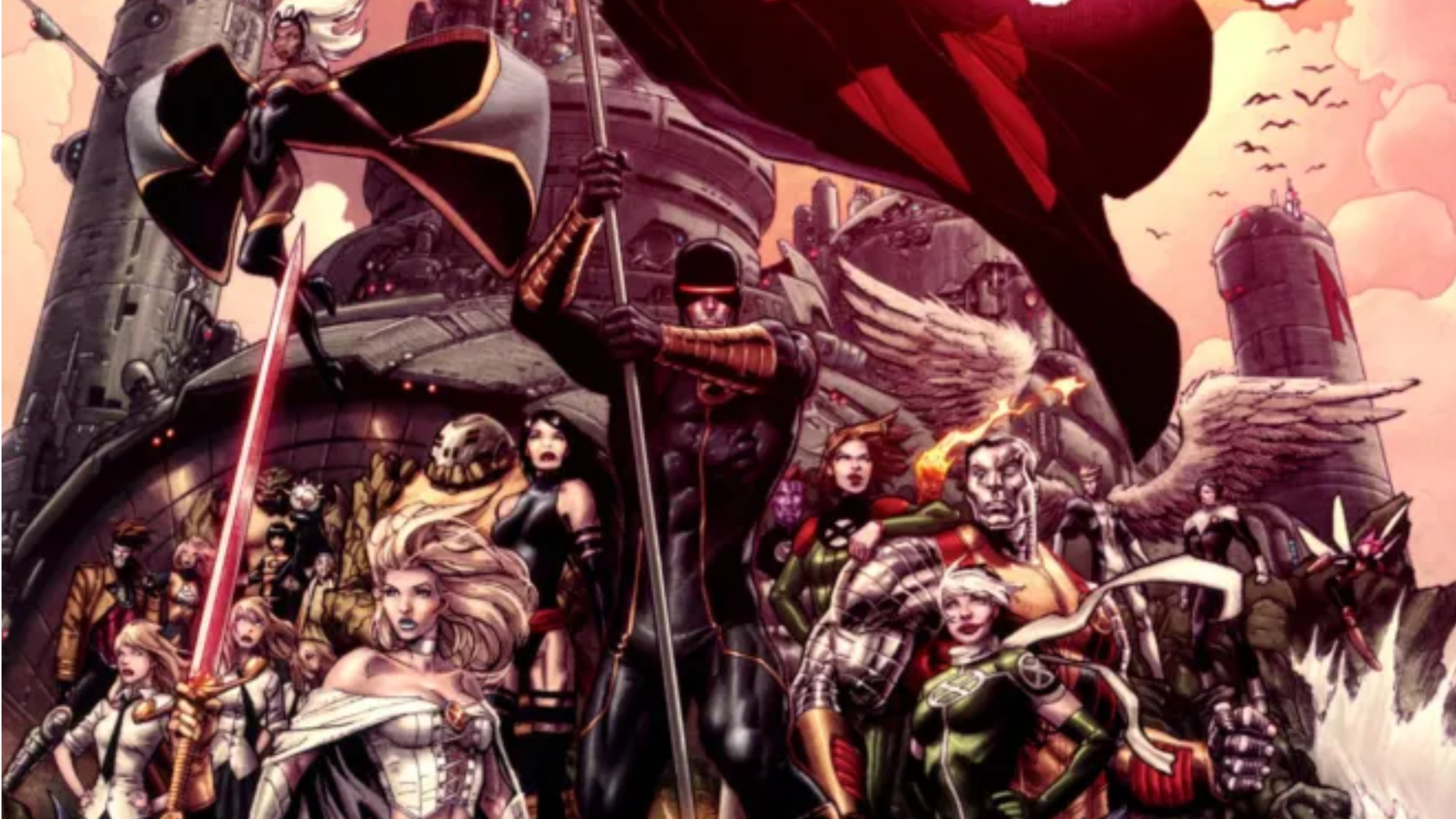
The ‘Utopia Era’ of the X-Men began either with the ‘Avengers/X-Men: Utopia’ storyline – a conflict with Norman Osborn’s Dark Avengers that led to the founding of the mutant city of Utopia – or with the conclusion of the ‘Messiah Complex’ arc in 2008, when the X-Men relocated to San Francisco. This period was a high point for the team, featuring fantastic runs on titles like ‘X-Force’ by Kyle and Yost, ‘Uncanny X-Men’ from Matt Fraction and Kieron Gillen, and the critically acclaimed ‘Uncanny X-Force’. It also saw Jason Aaron begin his celebrated work on solo Wolverine stories, the return of ‘New Mutants’, and the ‘X-Men: Schism’ event which led directly into ‘Wolverine and the X-Men’. Ultimately, this era explored new territory for the X-Men as they struggled to survive as a diminished population. While some stories are somber, the era is filled with so many excellent comics that it’s truly remarkable.
3) New X-Men Era
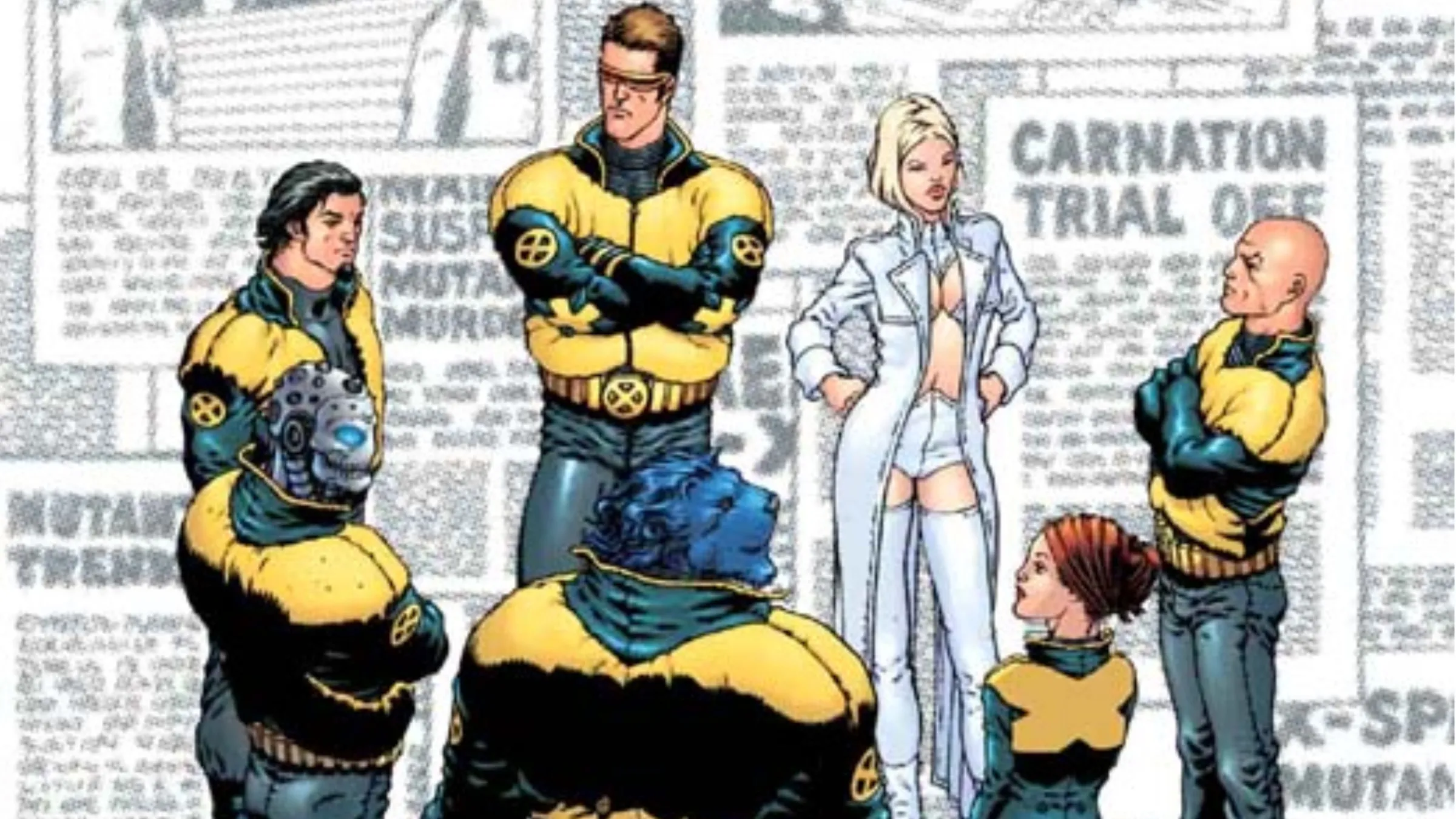
The “New X-Men” era had its ups and downs. While some issues, particularly those written by Chuck Austen, weren’t great, Grant Morrison’s run on New X-Men was exceptional. Morrison brilliantly reimagined classic X-Men elements – like the Shi’Ar, Phoenix Force, Hellfire Club, Weapon X, Magneto, and mutant history – creating a fresh and exciting take on the team. This period, from May 2001 to March 2004, also delivered strong titles like X-Force/X-Statix and Chris Claremont’s X-Treme X-Men, which appealed to longtime fans. However, Morrison’s New X-Men truly stood out, boasting stunning artwork from artists like Frank Quitely, John Paul Leon, Phil Jimenez, Chris Bachalo, and Marc Silvestri. It captured the essence of what makes the X-Men so compelling, and it remains a high point for the series that hasn’t been matched since.
2) Outback Era

The X-Men’s “Outback Era” marked a significant period for the team, bridging the late 1980s and early 1990s. Beginning around 1988 with Uncanny X-Men #229 and lasting until 1991’s #280, this era saw the X-Men seemingly sacrifice themselves after defeating the Adversary in Dallas. They then took control of the Reavers’ base in the Australian Outback. This period featured a particularly popular lineup – Storm, Wolverine, Havok, Polaris, Rogue, Colossus, Dazzler, Longshot, Psylocke, and Jubilee – and took them on adventures worldwide. Readers witnessed the beginnings of storylines like Genosha, “Inferno,” and “X-Tinction Agenda,” as well as conflicts involving the Shi’Ar, Warskrulls, Magneto, and Zaladane. It also included “The Muir Island Saga” and marked the end of Chris Claremont’s initial long run writing the X-Men. Simultaneously, titles like New Mutants, X-Factor, and Wolverine were thriving, and fans enjoyed standout miniseries like Wolverine/Havok: Meltdown. Overall, it was a fantastic era filled with memorable stories.
1) The Early ’80s Era
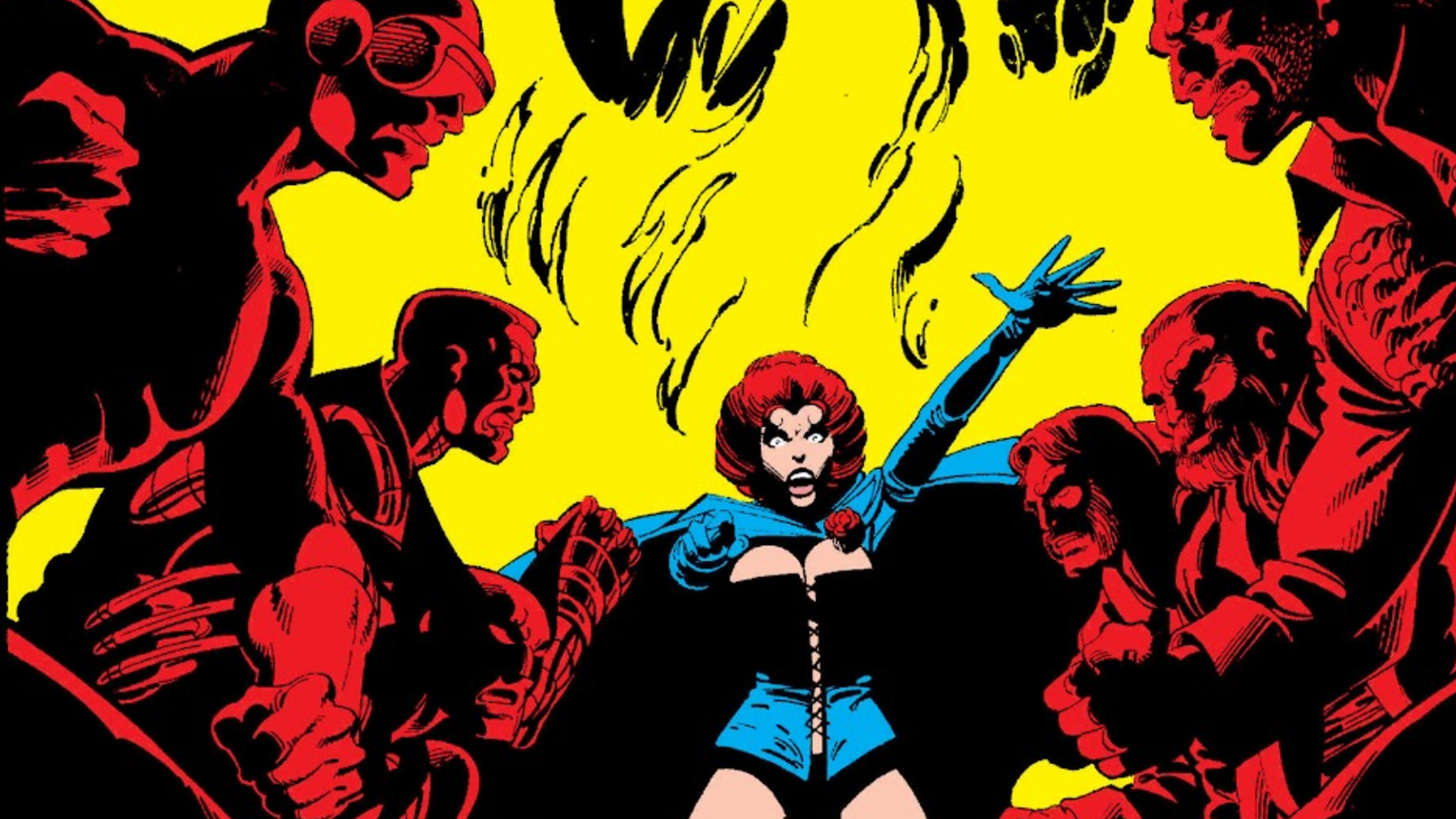
Chris Claremont is widely considered the best writer to ever work on the X-Men. While he established the foundation for the team in the late 1970s, the 1980s were when his run truly shined. This period, from the conclusion of “The Dark Phoenix Saga” to around Uncanny X-Men #200 – when Xavier departed and Magneto took his place – gave us some of the X-Men’s most iconic stories, including “Days of Future Past,” the Brood Saga, and “Lifedeath.” It also saw the introduction of the New Mutants and Wolverine’s first solo series in 1982, along with mini-series like Storm and Illyana: Magik and Kitty Pryde and Wolverine. This was a remarkable era that solidified the X-Men’s place as Marvel’s most popular team and allowed the characters to develop and flourish.
https://comicbook.com/comics/list/the-10-best-x-men-stories-in-marvel-history/embed/#
Read More
- What Song Is In The New Supergirl Trailer (& What It Means For The DC Movie)
- Dune 3 Gets the Huge Update Fans Have Been Waiting For
- TV legend Carol Kirkwood reveals the reasons why she decided to retire after 28 years with BBC
- Avengers: Doomsday Release Date Change Being Discussed – Report
- Crimson Desert is a “Cynical Amalgamation of Borrowed Mechanics,” Says Larian’s Publishing Director
- Grab These Resident Evil PSN Avatars for Free This Month
- Gold’s March Madness: Plumbing, Panic, and Polish Central Banks
- Whales, Channels, and the Inevitable Dance of Folly
- The War Film Harrison Ford Completely Disowned Finally Returns to Streaming – “A Terrible Experience”
- Steam Giving Away Two PC Games for Free for Next 72 Hours
2025-12-22 23:12