
As a huge movie and TV fan, I’ve noticed a pattern: networks and streaming services really like to stick to what works. If a show finds a successful groove – whether it’s the pressure cooker of a cooking competition or the everyday dramas of office life – the people making it are usually hesitant to shake things up too much. They don’t want to risk losing viewers who tune in expecting a certain kind of story. It’s all about building a consistent experience, so the show becomes something you can always rely on and stays relevant for years. That’s why most long-running series tend to evolve their existing ideas instead of completely reinventing themselves – they’re building on a winning formula, and that makes sense!
Science fiction often thrives on unexpected twists and turns, and these surprises are often key to exploring deeper themes. Because the genre frequently tackles complex ideas like artificial intelligence, time travel, and the nature of reality, it allows stories to dramatically change course and reinterpret everything that came before. Some of the most memorable science fiction episodes aren’t afraid to completely upend the established world, challenging both characters and viewers and proving that powerful storytelling can come from shattering expectations.
5) Agents of SHIELD — “Turn, Turn, Turn” (Season 1, Episode 17)

The episode “Turn, Turn, Turn” was a turning point for Agents of SHIELD, rescuing the show from early criticism. It abandoned the simple “case-of-the-week” format that defined its first season. Directly connected to the events of Captain America: The Winter Soldier, the episode revealed that the villainous organization Hydra had secretly controlled SHIELD for years. This was made clear through the shocking betrayal of Grant Ward, who had previously seemed like a classic hero. This revelation forced Phil Coulson and his team to go on the run as outlaws, removing their access to the resources and support of the wider Marvel Cinematic Universe. This shift transformed Agents of SHIELD into a darker, more complex spy thriller focused on a continuous storyline and morally grey characters. This change allowed the show to explore the emotional impact of a broken system, ultimately revitalizing the series and improving its creative direction.
4) Fringe — “There’s More Than One of Everything” (Season 1, Episode 20)

As a huge sci-fi fan, I still think the first season finale of Fringe, “There’s More Than One of Everything,” is one of the best reveals in TV history. For a while, the show felt like a spiritual successor to The X-Files, dealing with weird, unexplained science stuff. But that finale? It blew everything wide open. That final shot – Olivia meeting William Bell in a perfectly intact World Trade Center – instantly told you this wasn’t just about single cases anymore. Suddenly, all those “Pattern” investigations weren’t random; they were the first signs of a war between two different universes. It was brilliant! It forced the writers to create alternate versions of characters we already loved, like Walter Bishop, which led to some incredibly moving explorations of who we are and what we lose. Fringe took a big risk by diving into the complexities of parallel worlds, and it totally paid off, turning what started as a cool procedural into a truly epic science fiction story.
3) Battlestar Galactica — “Lay Down Your Burdens, Part 2” (Season 2, Episode 20)
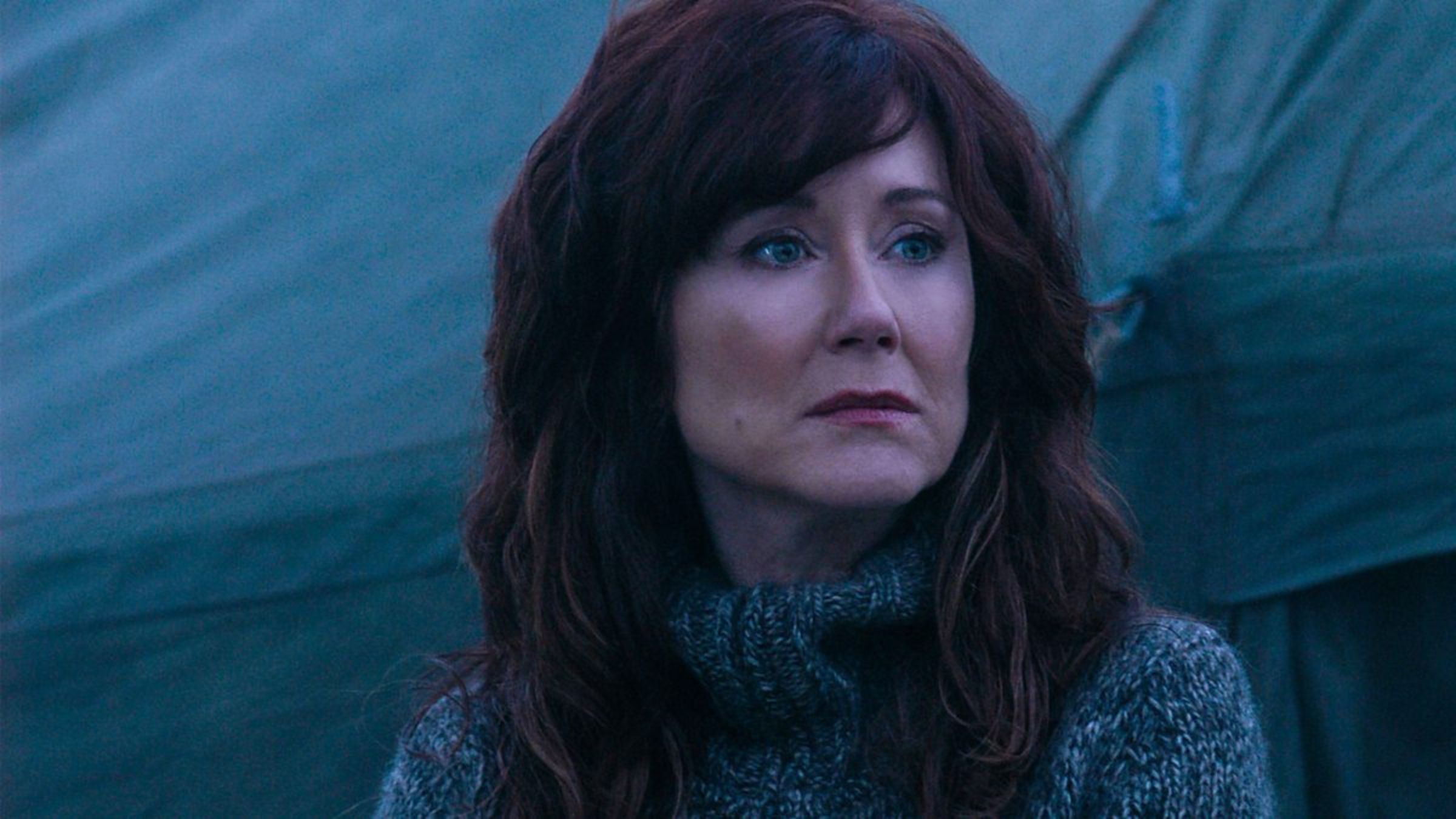
“Lay Down Your Burdens, Part 2” surprised viewers by completely changing direction from the ongoing story of the fleet escaping the Cylons in Battlestar Galactica. After two years of focusing on their desperate flight, the episode suddenly jumps forward in time to show the aftermath of settling on New Caprica, following Gaius Baltar’s election. Instead of detailing the difficulties of building a new colony, the show skips ahead a year to reveal the results of abandonment and failed leadership. The episode’s stark imagery – a worn-down William Adama on a mostly empty Galactica – sharply contrasted with the show’s usual military structure. This shift from a space chase to a story of occupation, reflecting real-world conflicts, breathed new life into the series. By placing the characters under Cylon control, Battlestar Galactica could then explore themes of resistance and the dangers of losing freedom, setting the stage for the rest of the show.
2) Lost — “Through the Looking Glass” (Season 3, Episode 22)

The season three finale of Lost, titled “Through the Looking Glass,” dramatically changed how viewers experienced the show’s timeline. For the first two seasons, Lost used flashbacks to reveal the histories of the plane crash survivors. But the finale flipped the script, showing scenes of Jack Shephard and Kate Austen looking disheveled and struggling with addiction were actually glimpses into the future. The now-famous line, “We have to go back,” upended the show’s main idea—the characters’ fight to escape the island—by revealing that some do eventually leave, only to find their lives falling apart. This change led the show to start using flash-forwards, shifting the focus from simply surviving on the island to understanding how and why they left, and ultimately, why they needed to return.
1) Dollhouse — “Epitaph One” (Season 1, Episode 13)
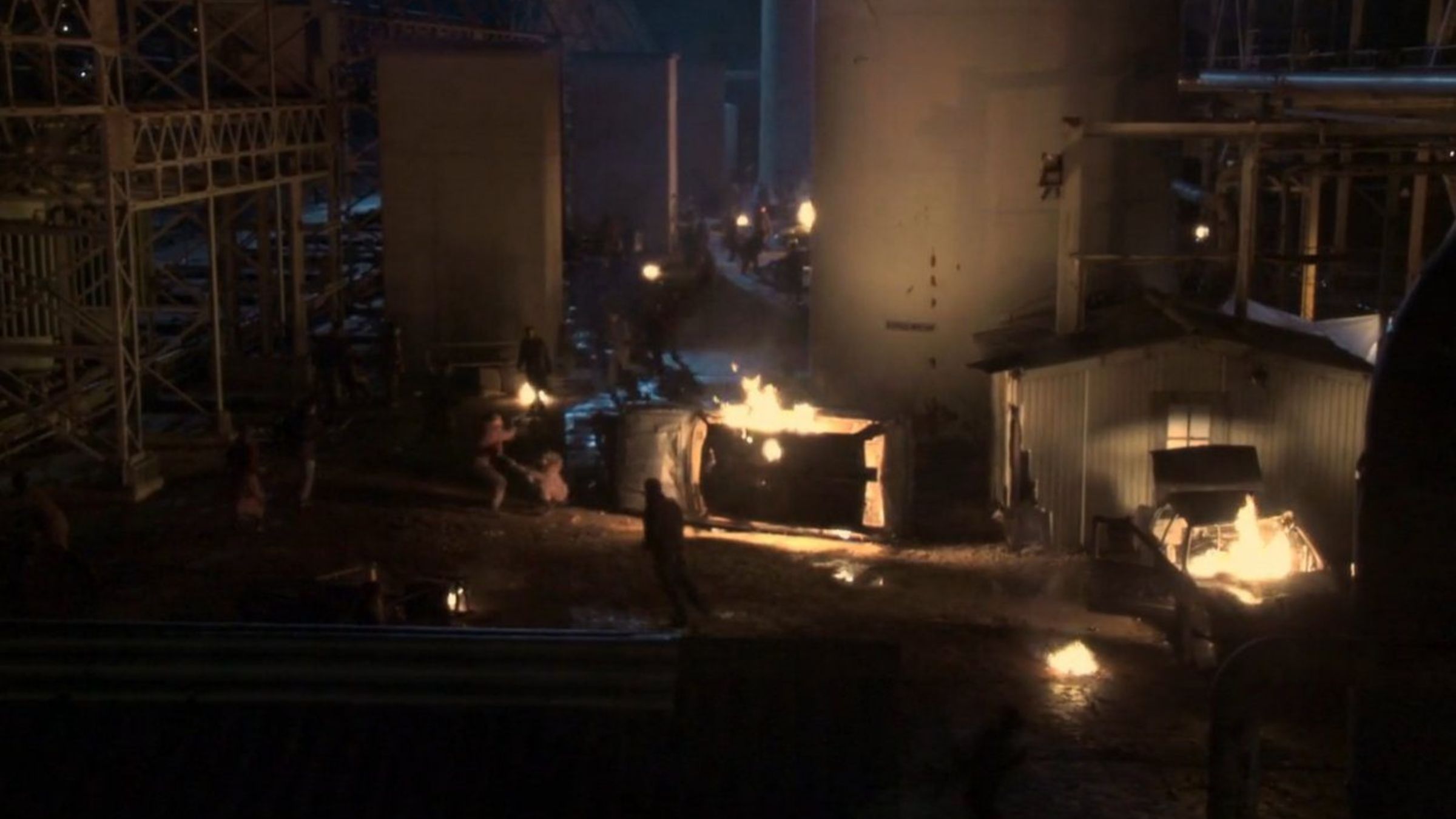
The first season of Dollhouse had a rocky start with its episode-of-the-week style, but the finale, “Epitaph One,” completely changed the show. Set a decade in the future, the episode revealed that the memory-wiping technology from the Rossum Corporation had caused a worldwide disaster, turning most people into unthinking, violent drones. This dramatic shift transformed the earlier episodes, showing them as a heartbreaking introduction to the end of the world. Suddenly, the show’s corporate mysteries felt much more urgent and were viewed through the understanding that a terrible future was unavoidable. “Epitaph One” is a perfect example of how a story can be powerfully redirected, turning a typical science fiction idea into a truly unsettling and brilliant work of art.
What science fiction episode do you think best broke away from its show’s usual format to become something new? Share your thoughts in the comments and join the discussion in the ComicBook Forum!
Read More
- Looks Like SEGA Is Reheating PS5, PS4 Fan Favourite Sonic Frontiers in Definitive Edition
- Pluribus Star Rhea Seehorn Weighs In On That First Kiss
- Kelly Osbourne Slams “Disgusting” Comments on Her Appearance
- Gold Rate Forecast
- Dune 3 Gets the Huge Update Fans Have Been Waiting For
- Arknights: Endfield – Everything You Need to Know Before You Jump In
- Tomodachi Life: Living the Dream ‘Welcome Version’ demo now available
- Ahsoka Season 2 Will Officially Include 3 Marvel Actors
- Paradise producer hints that series will end with third season as season 2 premieres
- Borderlands 4 – BEST Amon Leveling Build (1 – 50)
2026-01-27 23:42