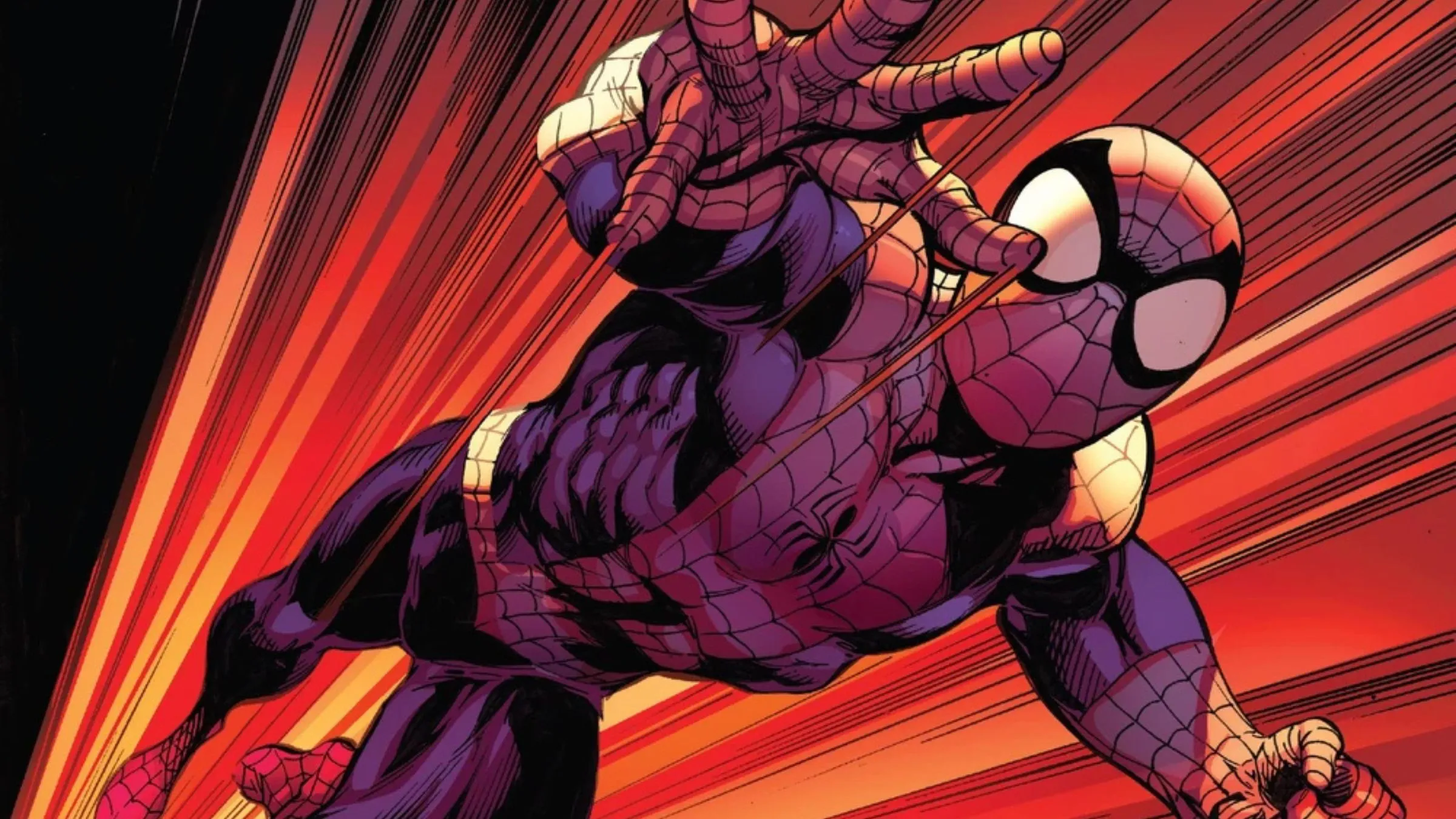
Spider-Man‘s abilities have grown beyond his original set of enhanced strength, agility, wall-crawling, and spider-sense, especially during a period of the comics written by J. Michael Straczynski. However, after Straczynski left, Marvel editors largely undid those changes, hoping readers wouldn’t notice. While Spider-Man gained some powers in earlier stories, his abilities dramatically expanded with storylines like ‘Spider-Totem’ and ‘The Other.’ Later attempts to streamline his powers, such as the ‘Brand New Day’ event, were inconsistent – some writers kept certain new abilities sporadically, while others simply ignored them.
As a long-time Spider-Man fan, I’ve learned there are actually five official powers he has, but it’s strange – you almost never see them used in the comics anymore. Sometimes a writer will bring one back for a specific story, but that’s rare.
5) Organic Stingers
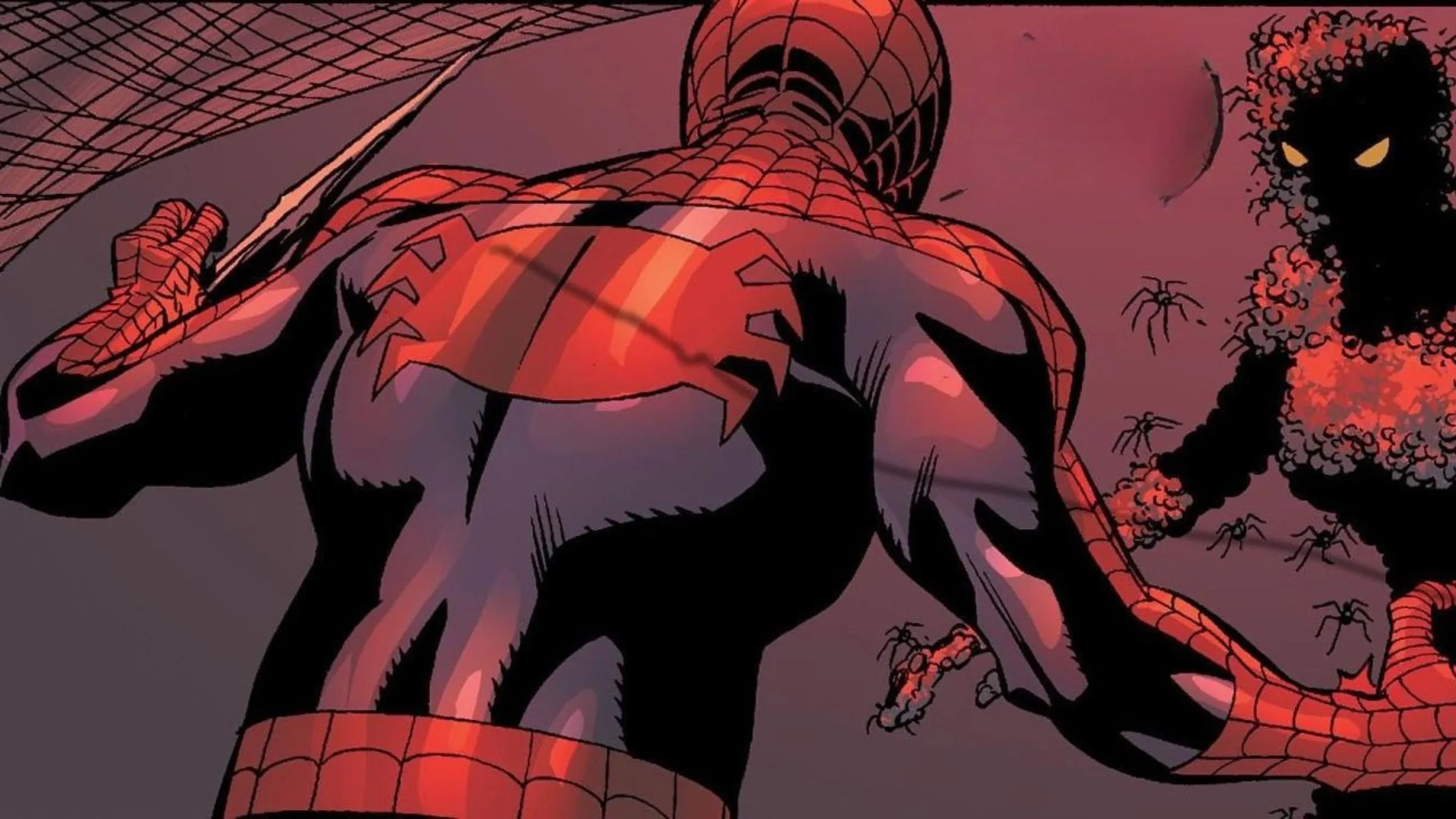
Spider-Man’s ability to grow organic stingers first appeared in the 2005 comic book event called “The Other: Evolve or Die.” This storyline unfolded across several issues: Amazing Spider-Man #525-528, Friendly Neighborhood Spider-Man #1-4, and Marvel Knights Spider-Man #19-22. Written by Peter David, Reginald Hudlin, and J. Michael Straczynski, the story featured a brutal fight with Morlun, who removed one of Spider-Man’s eyes, and ultimately led to the hero’s death in the hospital.
Peter Parker surprisingly returned from death, emerging from a cocoon-like structure. He gained a new ability: venomous, organic stingers, similar to a spider’s fangs. Marvel occasionally featured this power, like during the Secret Wars event when he fought Titanium Man, but it was later removed after the storyline “One More Day.”
4) Radiation Resistance
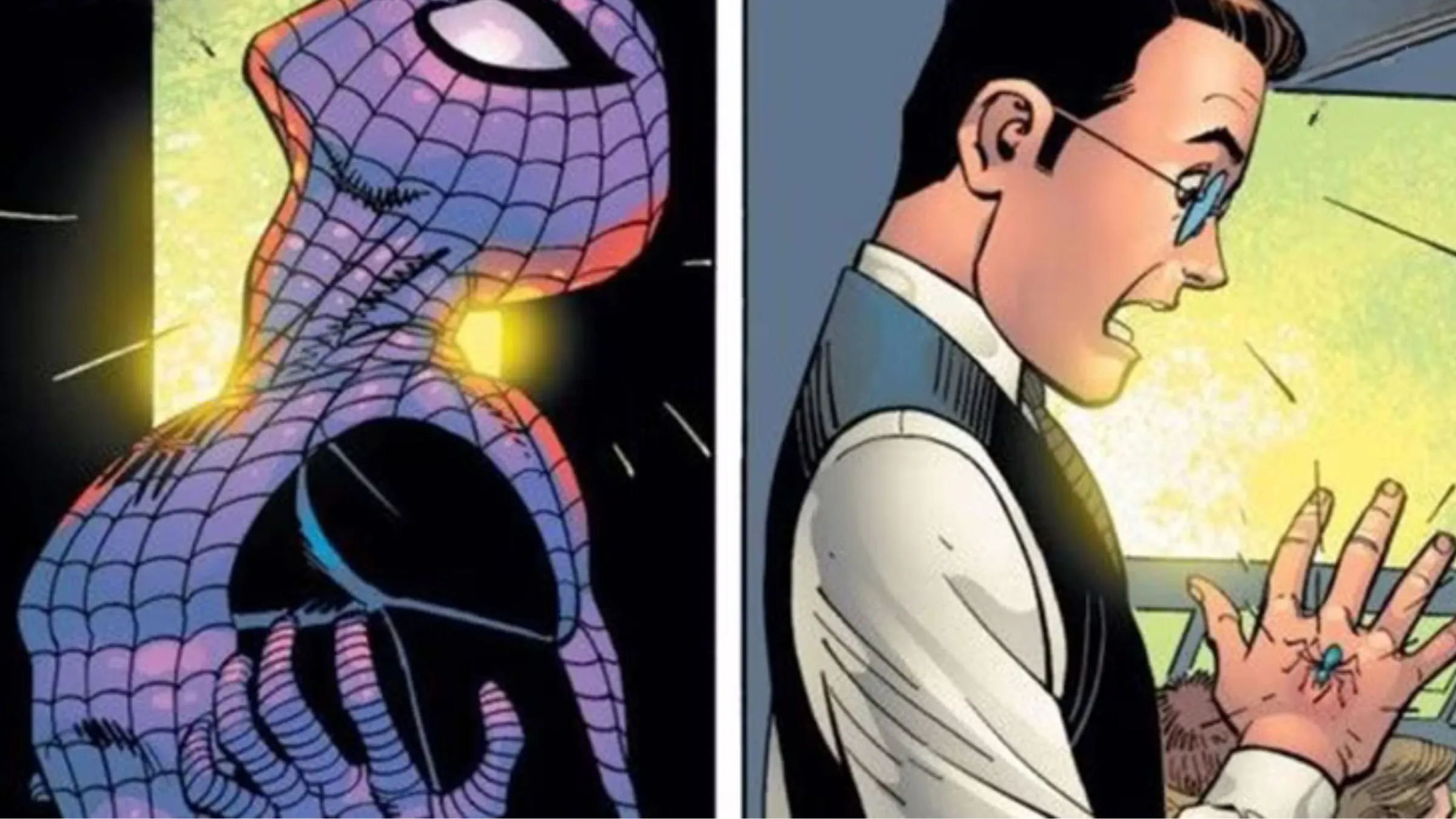
Marvel Comics first suggested Spider-Man could withstand radiation in Amazing Spider-Man #238, which featured the Hobgoblin’s debut in 1983. This ability was later confirmed in the original Official Handbook of the Marvel Universe, stating he had a “high resistance to radiation.” This resistance stems from the fact that Peter Parker was bitten by a radioactive spider, which unexpectedly gave him a much greater tolerance to radiation than most people.
The Spider-Island storyline hinted that Peter Parker’s natural resistance to radiation caused the virus to affect him differently than other New Yorkers. This idea became important during his battle with Morlun in The Amazing Spider-Man #30. Peter discovered Morlun needed to consume him for energy, so he intentionally exposed himself to a large dose of radiation. Because of Peter’s resistance, the radiation didn’t harm him, but it proved fatal to Morlun.
3) Daredevil-Level Powers of Seeing in the Dark
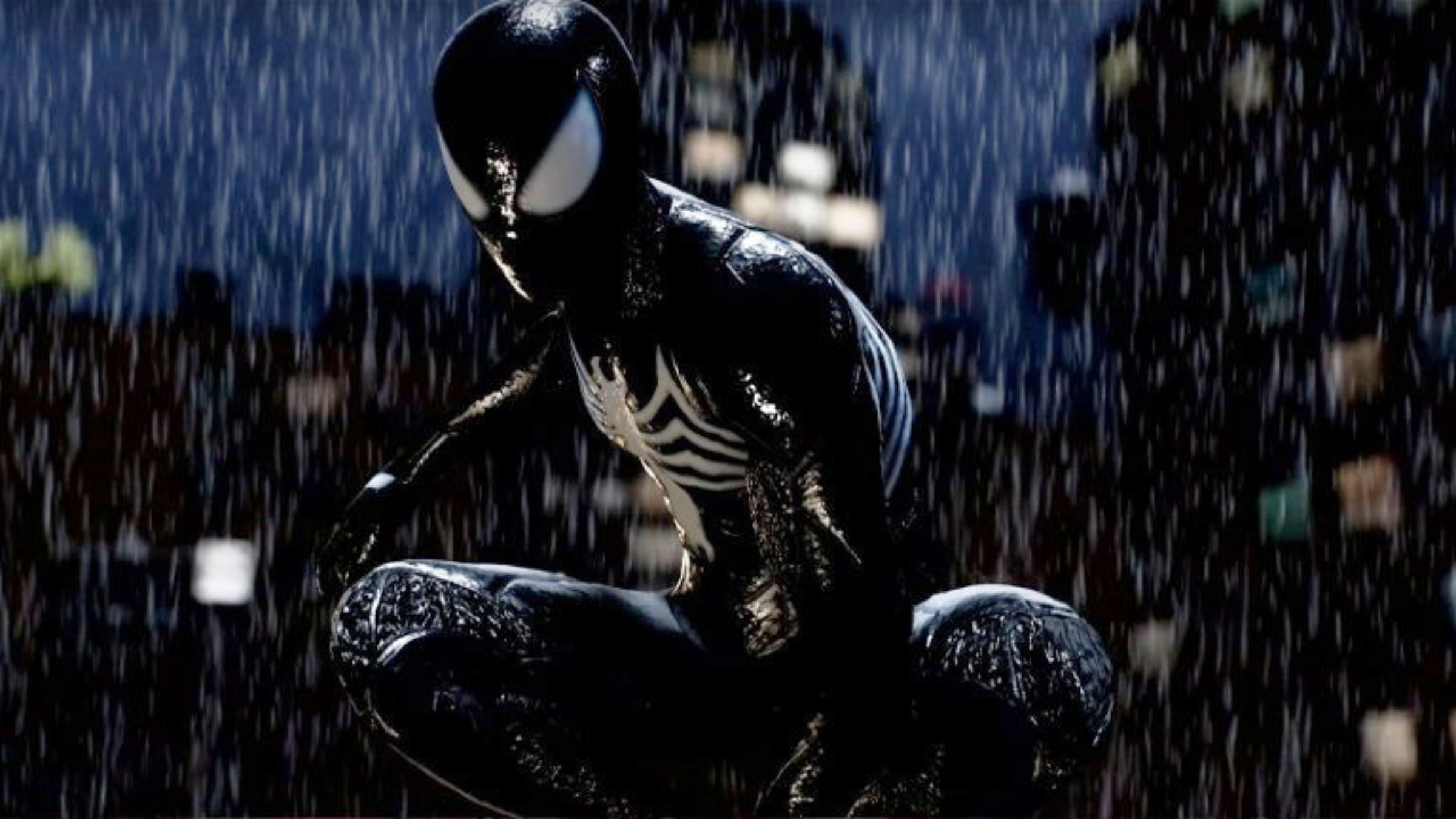
Spider-Man’s spider-sense does more than just warn him about immediate threats. It also gives him a general awareness of his surroundings. This expanded ability was first shown in Amazing Spider-Man Vol. 2 #30 (2001), written by J. Michael Straczynski with art by John Romita Jr. The comic introduces Ezekiel Sims, who visits Peter Parker, and draws a comparison between Spider-Man’s low-light vision and Daredevil’s radar sense.
This ability, originally considered part of Spider-Man’s spider-sense, was later defined by writer J. Michael Straczynski as stemming from his Spider-Totem ancestry. Spider-Man demonstrated it notably during his fight with Morlun, successfully tracking his opponent even in complete darkness. An updated handbook in 2007 clarified that this allowed him to see in almost total darkness and gave him wider peripheral vision. However, more recent writers, like Nick Spencer, have moved away from this power, instead having Spider-Man rely on web-tracers and technology.
2) Spider-Sense Suppression
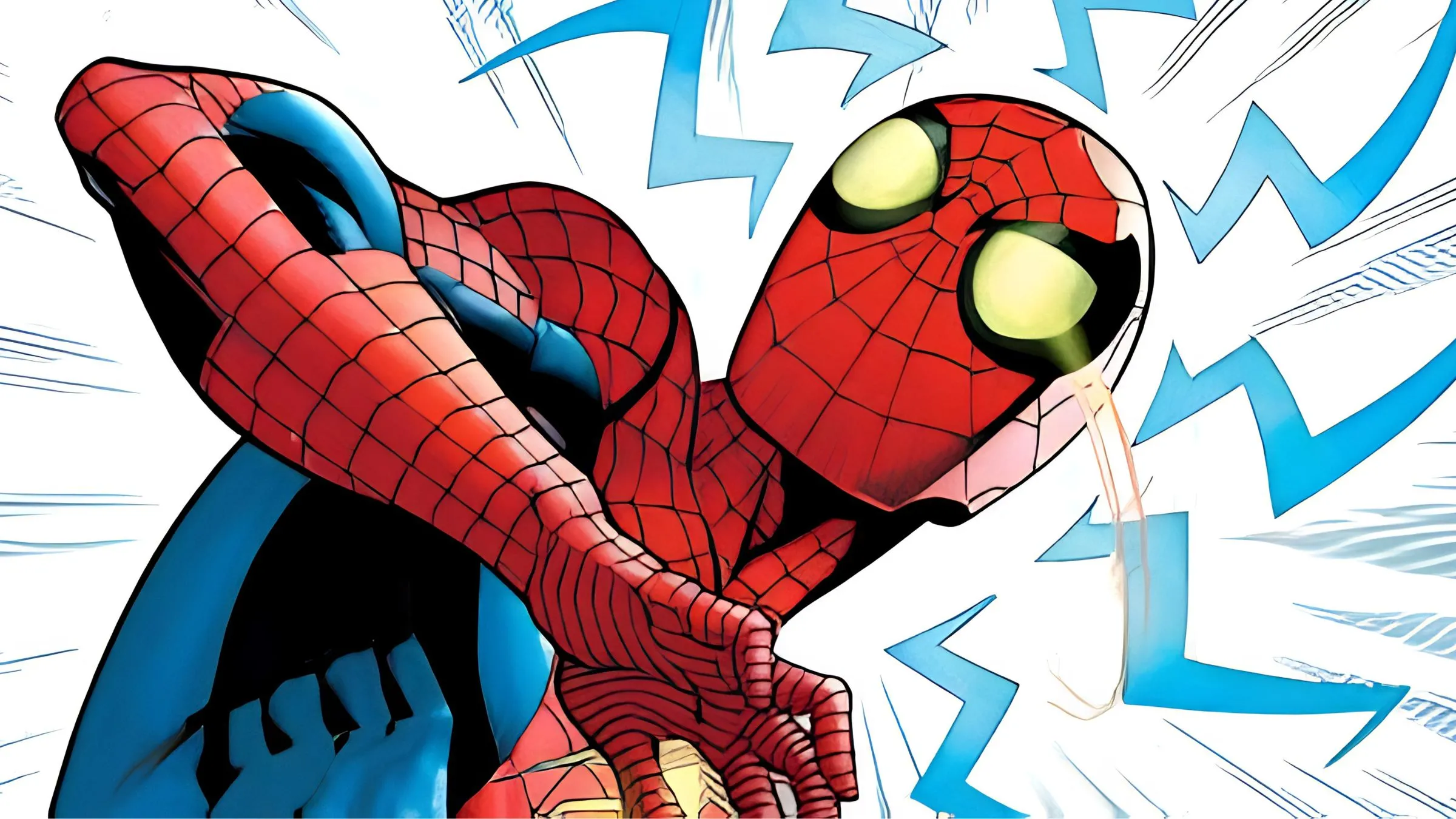
Spider-Man’s spider-sense, while usually an asset, has sometimes actually worked against him. There have been instances where it overwhelmed him during a fight, causing intense headaches and disorientation. This is surprising, though, because he’s able to intentionally lessen the intensity of his spider-sense when necessary.
I was revisiting some older Spider-Man comics, and it struck me how interesting his spider-sense used to be. It first showed up back in 1981, in Amazing Spider-Man #216, where he actually controlled it – he could dampen it down to move through crowds without being overwhelmed. He did something similar a few years later in Spectacular Spider-Man #107, after that Sin-Eater arc. But honestly, a lot of the newer comics just seem to have simplified things. Now it’s often portrayed as an instant, yes-or-no alarm, and that nuance from the older stories is totally lost. It’s a shame, really; the controlled version felt much more like a skill and added a lot to his character.
1) Accelerated Healing Factor
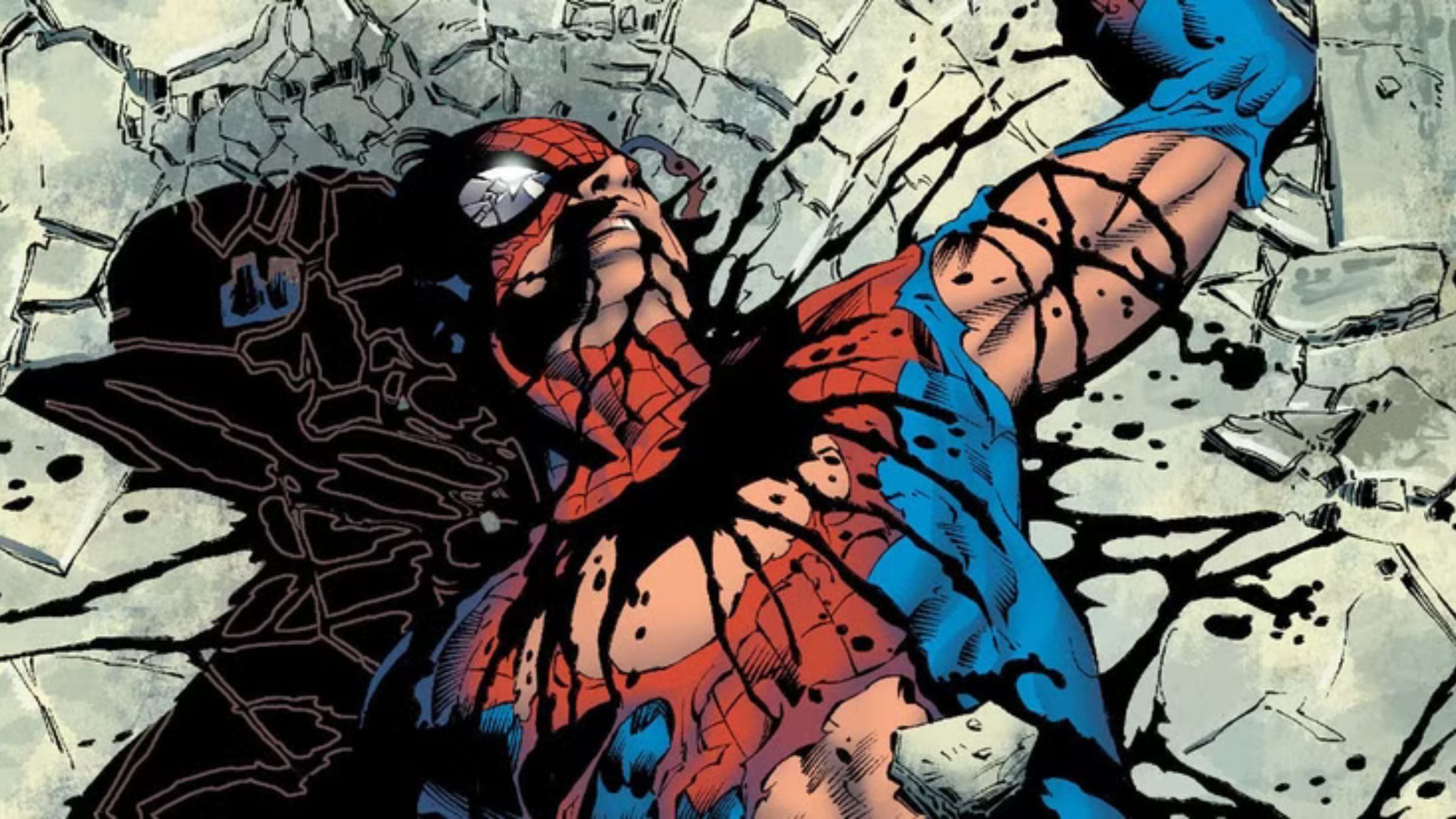
J. Michael Straczynski also gave Spider-Man an accelerated healing ability that’s often overlooked. This was first shown in Amazing Spider-Man Vol. 2 #30, where Ezekiel Sims pointed out Peter’s faster-than-normal recovery rate. It reached a much higher level in the “The Other” storyline – after Morlun ripped out Spider-Man’s eye, he nearly died but recovered quickly during his chrysalis rebirth, and his eye fully healed, demonstrating a healing factor almost comparable to Wolverine’s.
Early Spider-Man comics, starting with Amazing Spider-Man #100 in 1971, showed him with a remarkable healing ability. When he briefly grew extra arms that tore through his body, the wounds completely healed overnight. However, after the storyline “One More Day,” most writers stopped portraying this power, and Spider-Man began acting more like a typical hero, taking weeks to recover from injuries and not healing any faster.
What do you think? Leave a comment below and join the conversation now in the ComicBook Forum!
Read More
- Gold Rate Forecast
- 10 Most Powerful Versions of Superman, Ranked
- GBP CNY PREDICTION
- 007 First Light: Release Date, Story, Gameplay, Cast, Editions, and Platforms
- Forza Horizon 6 Car List So Far: Confirmed Highlights, Cover Cars, DLC, and Rewards
- DOGE PREDICTION. DOGE cryptocurrency
- Superman’s 7 Best Power-Ups, Ranked
- 10 Greatest Wii U Games of All Time, Ranked
- Kingdom Come Deliverance Update 1.002 Enables Trophies to Be Transferred
- EUR CNY PREDICTION
2026-04-20 20:13