Time travel is a consistently popular topic in science fiction, but because it’s been used so often, many stories fall flat. They’re often filled with clichés, confusing explanations, or just aren’t very engaging. The truly memorable time travel novels stand out by having clear, consistent rules, compelling characters, and a meaningful underlying message. Ultimately, a great time travel story can be told in any style, as long as it’s a good story first and foremost.
Just as Dune defines space opera and Neuromancer defines cyberpunk, certain novels stand out as the greatest achievements in time travel fiction. These books have shaped the genre for generations. Here are five sci-fi novels, ranging from recent updates to the earliest classics, that set the standard for all time travel stories.
5) The First Fifteen Lives of Harry August by Claire North

Claire North’s 2014 novel features Harry August, a man who is reborn at the start of his life after each death, retaining all his memories. Essentially, the world restarts for everyone else, but Harry remembers everything. He repeatedly lives through the 20th century, experiencing events from both World Wars, the Cold War, and the beginning of the 21st century.
Although the idea of time travel isn’t new, The First Fifteen Lives is unique because of its fascinating hidden history. A secret group called the Cronus Club enables people who are reborn to send messages to the future by sharing information with children who will recall it in their next life. When a warning arrives indicating the world is ending sooner with each reset, Harry finds himself in a long-running conflict with another person who is also reborn, Vincent Rankis. Using this clever system, the author delves into complex questions about existence and paradoxes, pushing them to their absolute limits.
4) Timeline by Michael Crichton
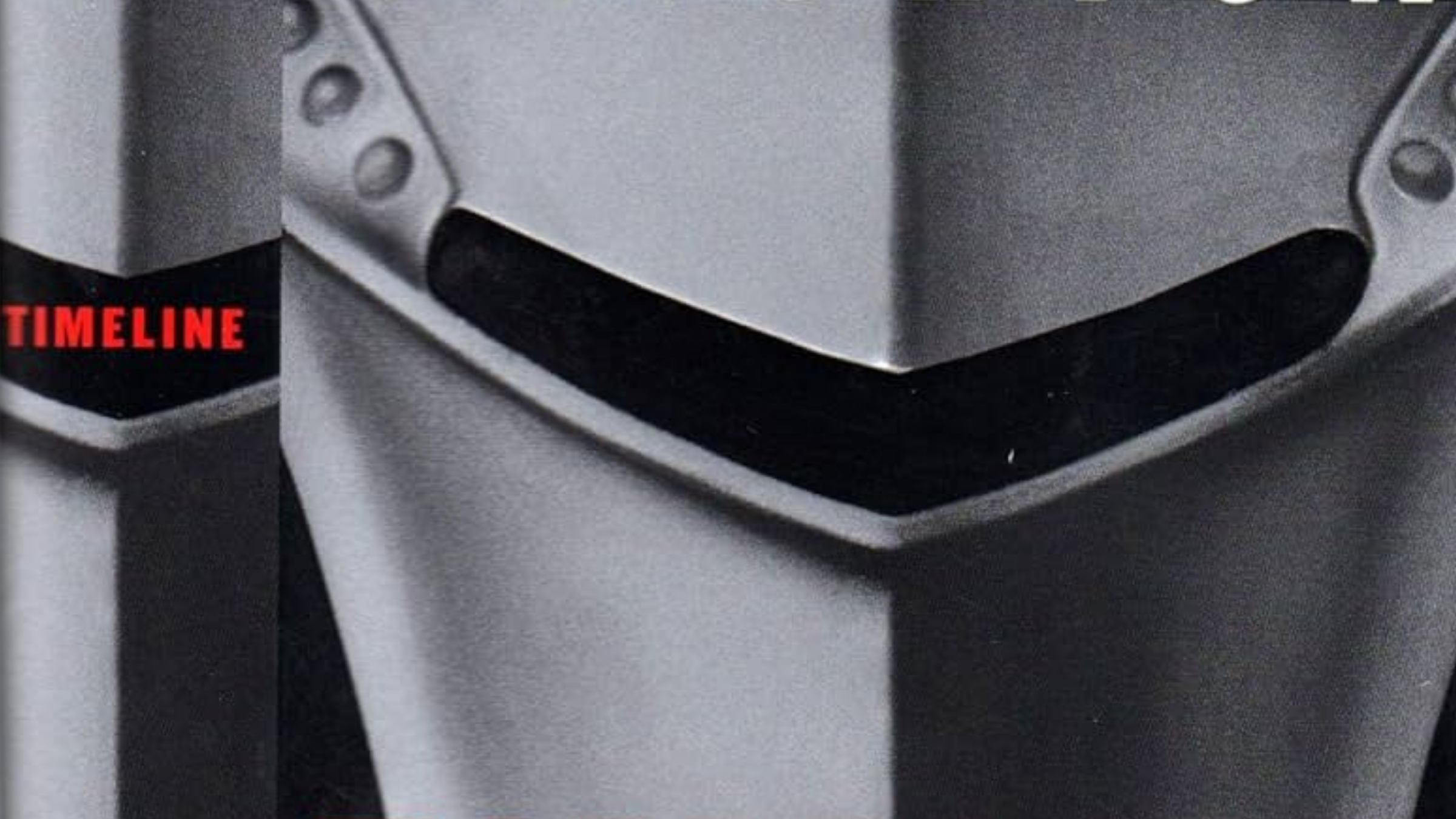
Michael Crichton’s 1999 novel, Timeline, introduces a company that develops time travel based on the idea of quantum foam. The twist is that travelers don’t go to their past, but to a different version of history – a branching universe. This book is a classic example of how to explore the multiverse in a scientifically grounded way, sidestepping the usual paradoxes of time travel and creating fresh challenges for its characters.
Michael Crichton grounded his futuristic ideas in actual scientific research. The story gets the historical details of the 14th century right and uses current theories about quantum multiverses to explain time travel. But overall, it’s a quick-moving action thriller. The contrast between advanced quantum physics and medieval warfare makes it stand out, offering a more exciting and visual experience than some of the more complex novels in this collection.
3) Slaughterhouse-Five by Kurt Vonnegut
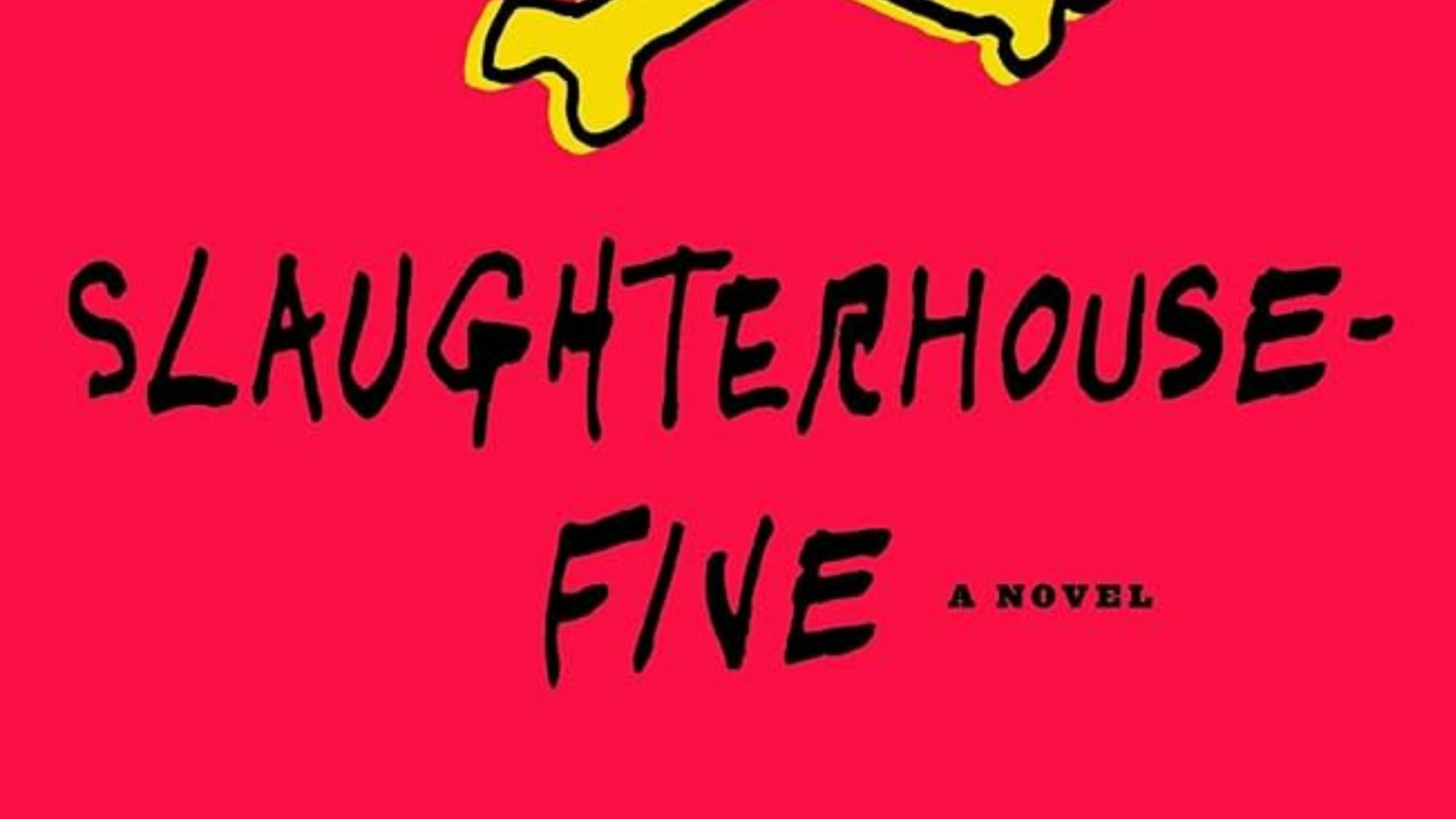
Kurt Vonnegut’s Slaughterhouse-Five is celebrated as a key work of postmodern literature, but it’s also a remarkably moving and unique story about time travel. The main character, Billy Pilgrim, experiences time in a disjointed way, jumping between different periods of his life – from his everyday job as an eye doctor to the devastating firebombing of Dresden, and even being held captive in an alien zoo on the planet Tralfamadore.
Instead of offering detailed explanations of its science fiction elements—like time travel and aliens—Slaughterhouse-Five leaves much open to interpretation, encouraging readers to connect with the story’s underlying themes and the repeated phrase “So it goes,” which embodies a sense of resignation. The novel’s jumping around in time actually serves as a way to explore the character’s trauma. Having experienced the Dresden bombing firsthand, Vonnegut uses this fragmented structure to represent how memory works. The aliens, the Tralfamadorians, perceive all time at once and believe the idea of free will is simply a human concept. More focused on big questions about life and existence than hard science, Vonnegut’s novel is a classic that all readers will appreciate, and especially those who enjoy time travel stories.
2) The End of Eternity by Isaac Asimov
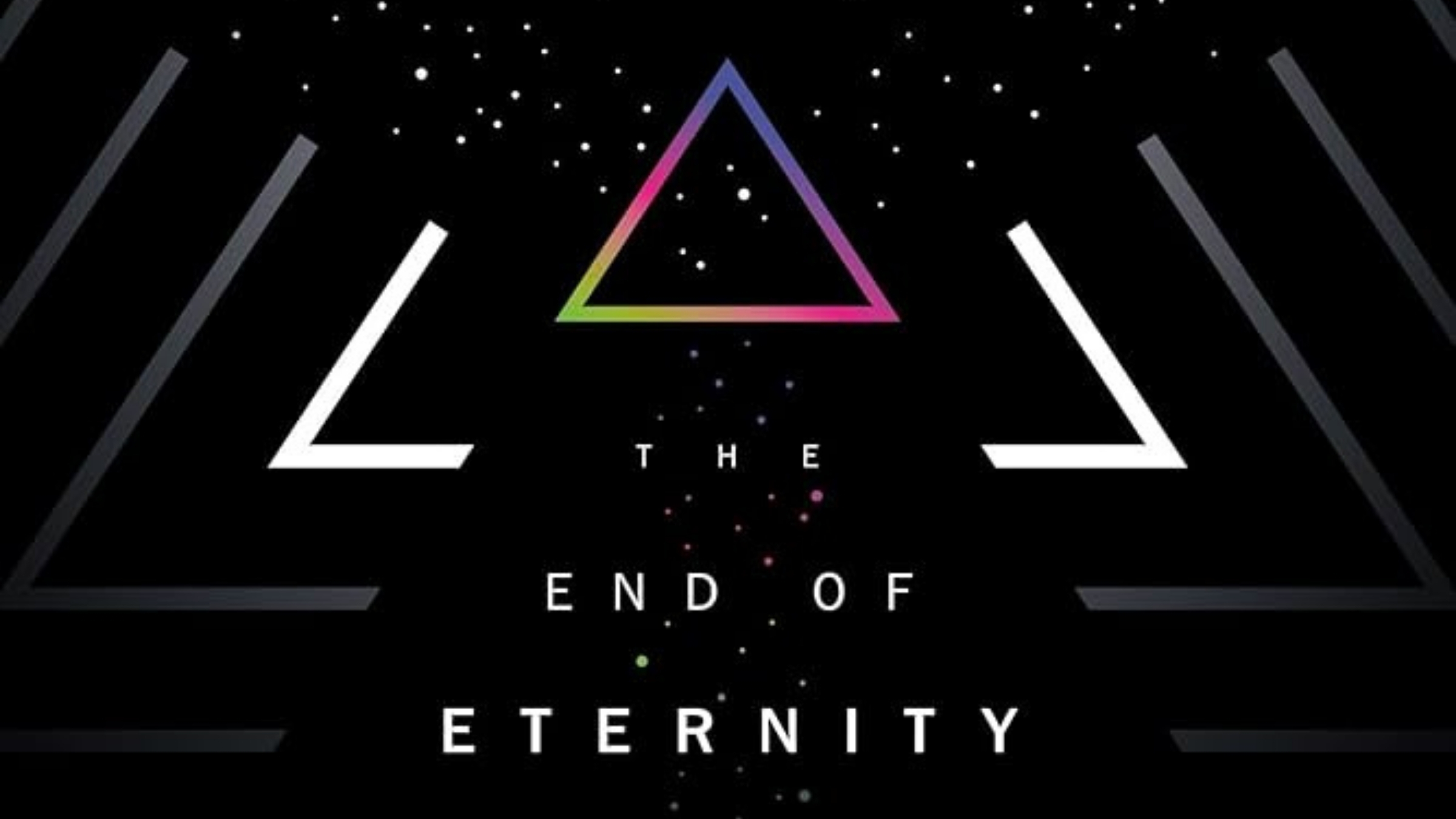
Isaac Asimov’s 1955 novel, The End of Eternity, is considered the foundational model for how time travel is depicted in hard science fiction. The story takes place within Eternity, a bureaucratic organization that exists outside of normal time, and centers on technicians who subtly alter the past – called ‘Reality Changes’ – to minimize human hardship over vast stretches of time, functioning almost like a public service.
Isaac Asimov, a giant of science fiction alongside authors like Arthur C. Clarke and Robert Heinlein, carefully builds the intricate world of The End of Eternity, delving into complex ideas about time travel and its paradoxes. This book had a huge impact on the sci-fi genre, with many of Asimov’s ideas becoming common themes. But even beyond its influence, the novel remains compelling today because of its central question: does preventing problems also prevent humanity from achieving its full potential? The book’s clever plot and precise, logical structure are simply added bonuses.
1) The Time Machine by H.G. Wells
H.G. Wells’s The Time Machine, published in 1895, is widely considered the starting point for time travel stories. It was the first to explore time travel using scientific ideas. Wells imagined time as a fourth dimension, like space, that could be traveled through. In the novel, an unnamed inventor builds a machine and journeys 800,000 years into the future. This shifted time travel stories from the realm of fantasy and magic into the world of science fiction.
H.G. Wells’ classic novel still resonates today, offering a remarkably insightful look at issues like social inequality, the dangers of unchecked competition, and the consequences of extremism. Set in the distant future with two distinct human species – the Eloi and the Morlocks – the book is a chilling warning about the risks of apathy and exploitation. It’s also notable as one of the earliest novels to present a bleak, pessimistic view of the universe, with a dying sun and a frozen Earth. This groundbreaking work essentially launched the modern dystopian genre and remains the benchmark for all time-travel stories that followed.
What time travel novel would you recommend? Share your thoughts in the comments and join the discussion in the ComicBook Forum!
Read More
- The Super Mario Galaxy Movie: 50 Easter Eggs, References & Major Cameos Explained
- 10 Best Free Games on Steam in 2026, Ranked
- Sydney Sweeney’s The Housemaid 2 Sets Streaming Release Date
- Skate 4 – Manny Go Round Goals Guide | All of the Above Sequence
- Welcome to Demon School! Iruma-kun season 4 release schedule: When are new episodes on Crunchyroll?
- Why is Tech Jacket gender-swapped in Invincible season 4 and who voices her?
- Overwatch 2 G.I. Joe Crossover Launches July 1: Join the Battle Between Heroes and Villains
- Best coins for today
- Forza Horizon 6 ‘Prologue’ gameplay
- 10 Best Supporting Actress Oscar Wins That Are Indisputable
2026-02-26 17:17