
Science fiction shows on television often struggle to stay consistently good over time. Long-running series frequently run out of fresh ideas, leading to a drop in quality. For example, the early seasons of Battlestar Galactica were known for their realistic and intense style, but the final season was controversial and focused heavily on abstract spiritual themes, alienating many fans. The X-Files was groundbreaking in its approach to mystery-of-the-week episodes, but the overarching alien conspiracy storyline never reached a satisfying conclusion, and later seasons felt disconnected from the original show. Even recent successes like Altered Carbon saw a significant decline in reviews with their second seasons, demonstrating that a strong start doesn’t guarantee lasting appeal.
It’s incredibly rare for a TV show to stay consistently good throughout its entire run, from the first episode to the last. Even more uncommon is a show that actually improves with each season, becoming more complex and emotionally resonant. Whether a series takes a little time to find its voice or starts strong and never lets up, these science fiction shows are the best examples of compelling, long-form storytelling.
5) Babylon 5

Babylon 5 changed science fiction TV by having a complete story planned out over five seasons. The first season was rough around the edges – the special effects weren’t great, the acting felt a bit stagey, and the original lead actor, Michael O’Hare, unexpectedly left. This forced the show’s creator, J. Michael Straczynski, to make a big change, bringing in Bruce Boxleitner as Captain John Sheridan to command the space station. This shift ultimately led to a much stronger and more compelling story.
After its first season, Babylon 5 evolved from a typical space diplomacy show into a large-scale galactic war story. The introduction of the Shadows and the Vorlons raised the show’s important themes, exploring ideas about power, control, and repeating patterns in history. The complex relationship between alien ambassadors Londo Mollari and G’Kar, played by Peter Jurasik and Andreas Katsulas, became a standout rivalry, setting a high standard for science fiction. Importantly, Babylon 5 was planned with a clear beginning, middle, and end, which allowed the story to build excitement over time and ultimately deliver a hugely rewarding experience for viewers who stuck with it through the initial, less polished episodes.
4) Fringe

When it first aired, Fringe seemed like a typical crime show with a paranormal twist, similar to others that had come before. The first season largely featured standalone cases, with FBI agent Olivia Dunham investigating strange scientific events alongside the gifted but troubled scientist Walter Bishop and his son, Peter. However, the show really hit its stride when the creators moved away from these individual mysteries and began telling a continuous story about a conflict between different universes.
The show Fringe cleverly introduced the idea of alternate universes, letting the actors play drastically different, sometimes even villainous, versions of their characters and really demonstrate their talent. Over time, the show’s complex backstory became even more detailed, leading to a final season set in a bleak future that focused on the strong emotional connection between the three main characters rather than just scientific puzzles. This shift from a typical mystery to a moving story about loss and love is what has made Fringe so memorable.
3) Star Trek: The Next Generation
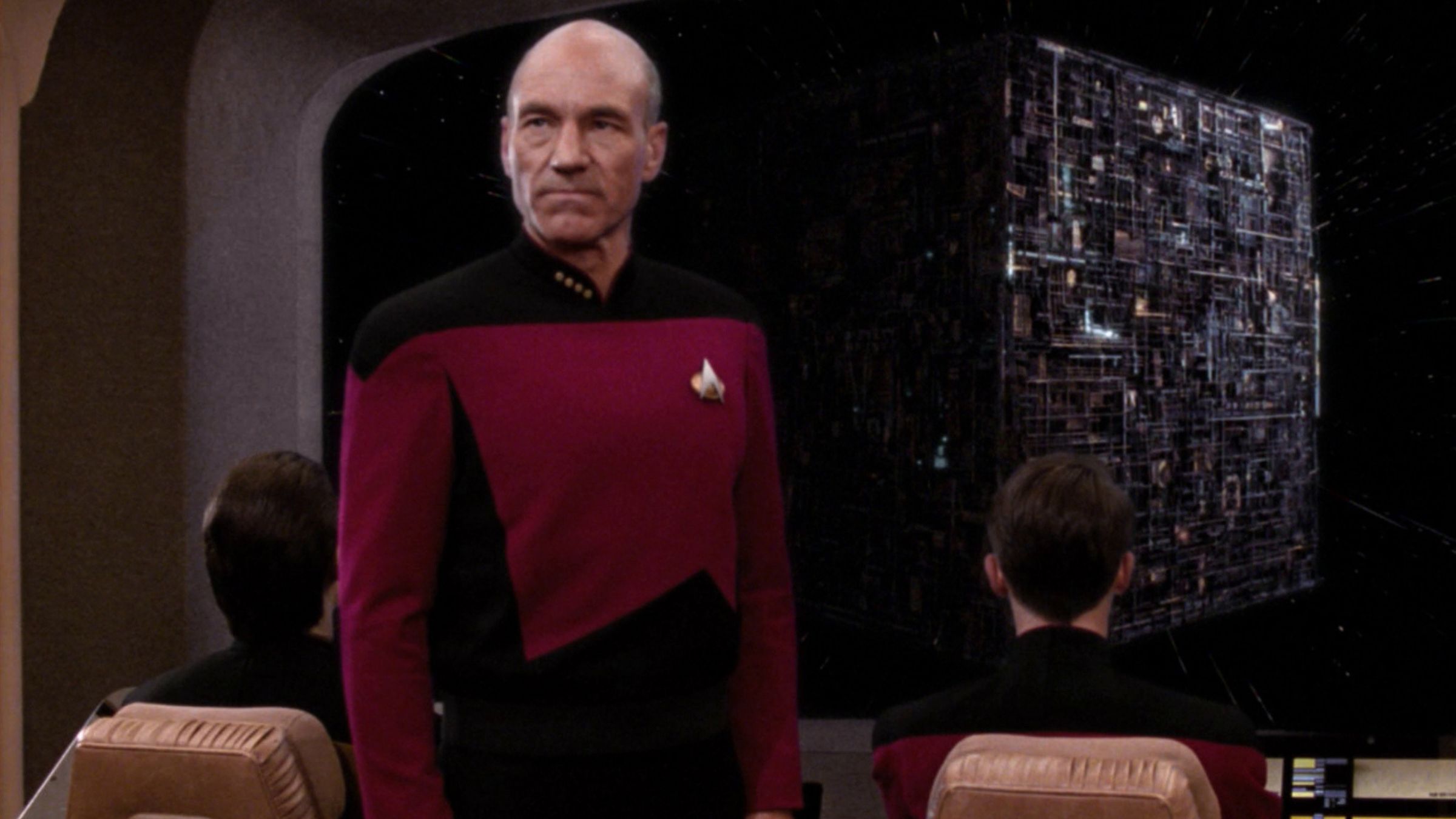
The first couple of seasons of Star Trek: The Next Generation were a bit rocky as the show tried to establish itself. Many early episodes reused ideas from the original Star Trek series, and the characters didn’t always feel natural. The show lacked a compelling emotional core. However, things really improved starting with the third season.
The show underwent a major creative shift, placing greater emphasis on challenging ethical questions and stories centered around the characters. Captain Jean-Luc Picard, played by Patrick Stewart, was developed from a stern leader into a complex diplomat who embodied the show’s thoughtful themes. The writers also started taking risks with the storytelling, using characters like the android Data (Brent Spiner) to examine what it means to be human and introducing the frightening Borg. This commitment to improving the show’s stories turned what initially struggled into a defining version of the series, and it became a model for successful syndicated television throughout the 1990s.
2) The Expanse

From the very beginning, The Expanse stood out for its commitment to realistic physics and a gritty, believable portrayal of politics. The first season unfolded as a slow-burn mystery set on the dwarf planet Ceres, alongside the story of James Holden (Steven Strait) and his crew as they struggled to survive. Although the show’s detailed world-building could be challenging for some viewers at first, this careful approach created a strong and lasting base for everything that followed.
Initially, The Expanse focused on the tense relationship between Earth, Mars, and the Belters – a simmering cold war in space. The discovery of an alien substance called the protomolecule dramatically changed the story, turning it from a realistic political drama into a thrilling cosmic horror. Throughout it all, the shrewd political strategies of UN official Chrisjen Avasarala (played by Shohreh Aghdashloo) kept the complex narrative focused on believable human motivations. The show also benefited from moving to Amazon Prime, allowing for bigger budgets and stunning visual effects, especially in the later seasons, culminating in a satisfying and well-executed conclusion to the interplanetary war.
1) Dark

When Dark first appeared on Netflix, it seemed like a typical, atmospheric mystery – a child disappeared in a German forest, much like Stranger Things. But it quickly became clear that the show was much more ambitious. The story soon jumped across generations, trapping the main character, Jonas Kahnwald, in a complicated time-travel puzzle. What really sets Dark apart is how brilliantly it’s constructed. The creators built an incredibly detailed family history stretching over 100 years, using a system where the future directly influences the past, creating unavoidable cycles.
Despite its complex premise, Dark didn’t fall apart. Its second and third seasons skillfully explored alternate realities while remaining consistent and logical. The show was also deeply moving, thanks to the actors who brilliantly portrayed the same characters at different ages, facing terrible fates. Ultimately, Dark ended with a satisfying finale that answered all questions, setting a new standard for storytelling in science fiction.
What science fiction TV series improved with each season? Share your thoughts in the comments and join the discussion on the ComicBook Forum!
https://comicbook.com/tv-shows/list/10-most-rewatchable-sci-fi-series-of-the-21st-century/embed/#
Read More
- Pluribus Star Rhea Seehorn Weighs In On That First Kiss
- Kelly Osbourne Slams “Disgusting” Comments on Her Appearance
- Gold Rate Forecast
- Arknights: Endfield – Everything You Need to Know Before You Jump In
- Looks Like SEGA Is Reheating PS5, PS4 Fan Favourite Sonic Frontiers in Definitive Edition
- ‘Marty Supreme’ Ending, Explained
- ’90s Cartoon Reboot & TMNT Connection!
- Hideo Kojima Says He Was Never Told About The Matrix Creators Wanting Him to Make a Game
- Guardians of the Globe Members We Want to See in Invincible Season 4
- Goat 2 Release Date Estimate, News & Updates
2026-03-09 19:15