
As a big TV watcher, I’ve noticed people get into sci-fi for all sorts of reasons. Some of us just want to escape to a different world and see what happens when technology goes wild or someone takes over. Honestly, a lot of people are there for the cool robots, aliens, and big action scenes! It’s funny, but some are even drawn to it because it reminds them of shows they loved growing up. But it’s not just about easy entertainment. While most viewers just want a good, understandable story, there’s a dedicated group of sci-fi fans who want to be challenged – they crave stories that are incredibly complex and really make you think.
Do you enjoy mapping out TV shows to keep track of the plot, or do you love series that require close attention and rewatching? If so, this list is for you. These shows are known for their intricate, winding storylines involving things like time travel, alternate realities, and mysteries that unfold in a non-linear way – meaning you’ll have to really think to follow them. If you’re looking for a challenge, here are five shows guaranteed to make you work for it.
5) Fringe
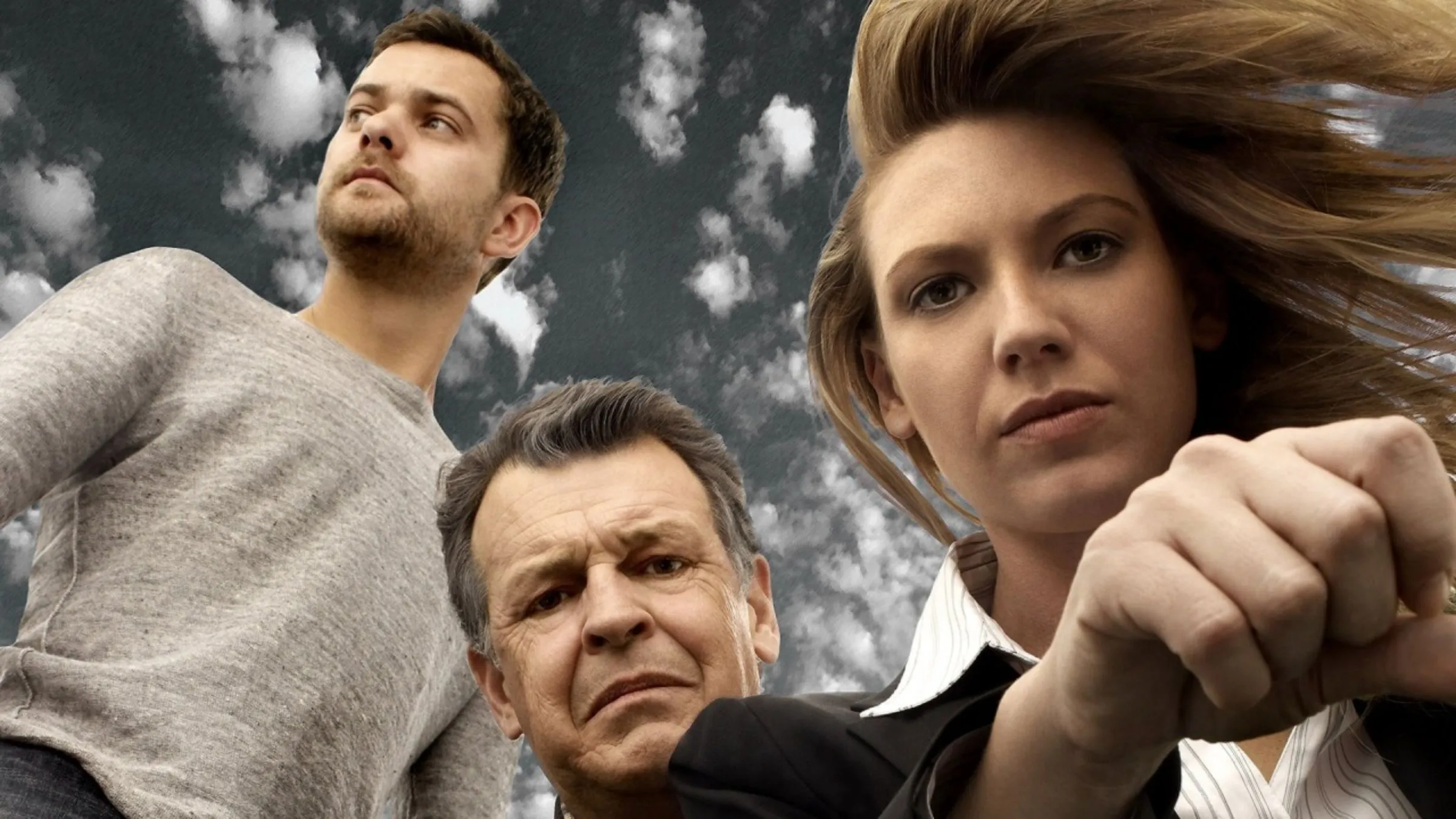
The show Fringe first aired on Fox in 2008. At first, it appeared to be a typical crime drama where each episode featured a new, strange scientific case. The series centers on FBI agent Olivia Dunham (Anna Torv), the brilliant but unconventional scientist Walter Bishop (John Noble), and his son, Peter Bishop (Joshua Jackson), as they investigate unusual events linked to a secretive company called Massive Dynamic.
By its second season, Fringe abandoned its initial disguise and introduced a complex story about a multiverse – essentially, two Earths that had developed differently over decades. The show then added time travel to the mix, mainly through the Observers, those mysterious, bald figures from a troubled future who were secretly changing events. By the end of the series, viewers were trying to keep track of multiple universes, altered timelines, and a group fighting for the future.
4) Lost
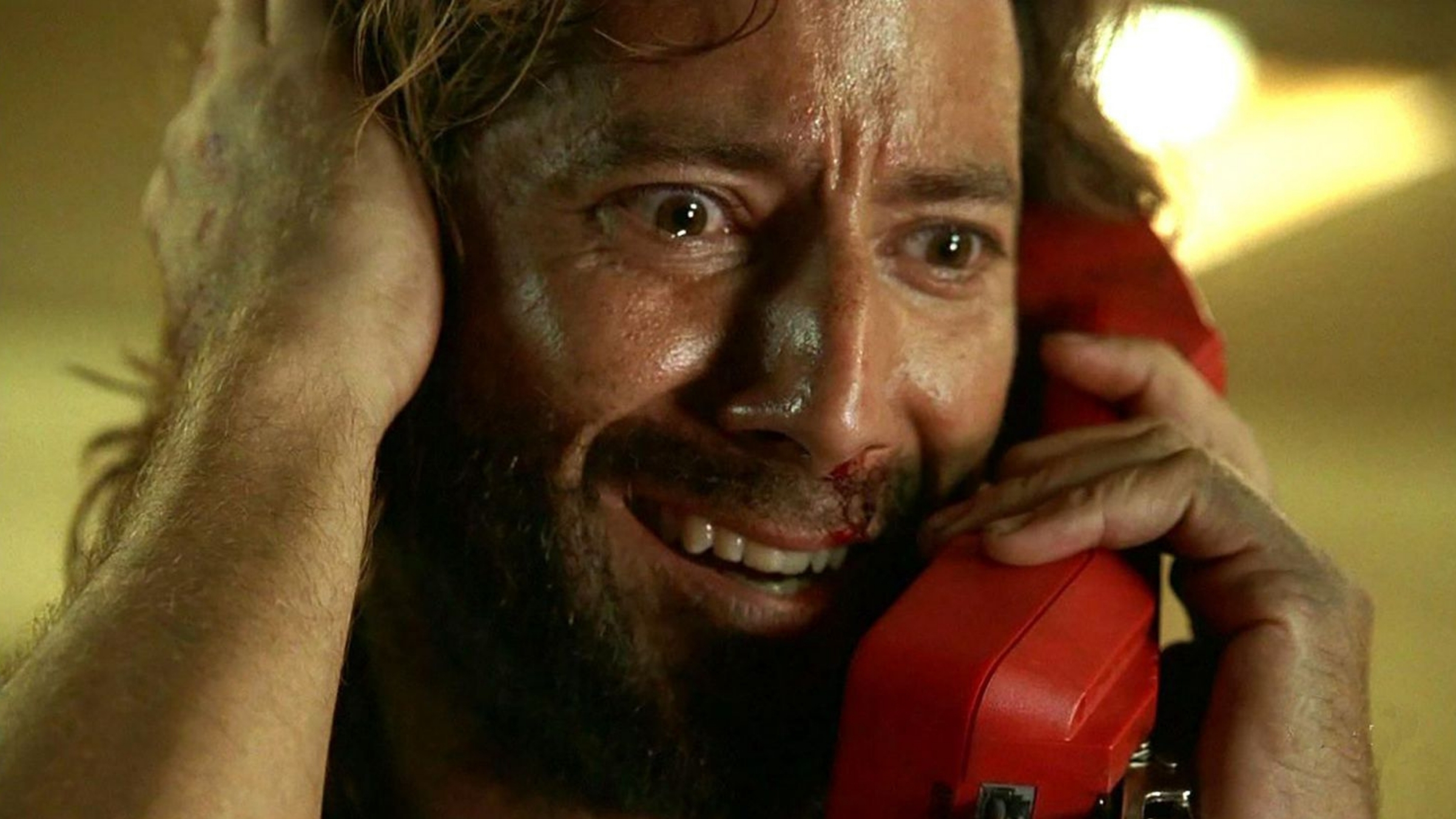
The popular show Lost also started small. Initially, it appeared to be a straightforward survival story about the passengers of Oceanic Flight 815 who crash on a strange island. The survivors, including Jack Shephard, Kate Austen, and John Locke, struggle to stay alive while discovering the island’s secrets and learning about their complicated histories through flashbacks.
The show starts strong, but quickly becomes incredibly complicated, earning its place as one of television’s most notorious mysteries. Hints of time travel appear in season 3, and by season 5, the characters are constantly jumping between different points in the island’s past, including the 1970s when the Dharma Initiative was active. While Daniel Faraday tries to explain how time travel works—suggesting that the past can’t be changed—the show’s increasingly complex storylines, with flashbacks and glimpses of alternate timelines, confused many viewers. Despite its reputation, the series isn’t completely nonsensical; it actually has a central mystery that can be figured out.
3) Westworld

HBO’s Westworld started with an idea from Michael Crichton’s 1973 science fiction movie. It’s about a high-tech amusement park filled with incredibly realistic androids, called “hosts,” who are there for guests to interact with. Characters like Dolores (Evan Rachel Wood) and Maeve (Thandiwe Newton) are programmed to repeat the same storylines. Meanwhile, wealthy visitors, including William (Jimmi Simpson) and the Man in Black (Ed Harris), see the park as a place where they can do whatever they want without facing any consequences, often acting cruelly.
As the first season of Westworld unfolds, it quickly becomes apparent that there’s much more to the story than meets the eye. The show introduces multiple timelines, shifts in perspective, and surprising twists that can be hard to follow the first time around. Episodes frequently jump back and forth in time without clear signals, and as the series moves beyond the park itself, it adds even more layers of complexity with concepts like simulations and alternate realities. Ultimately, Westworld becomes a puzzle not just about what is happening, but when it’s happening.
2) Twin Peaks: The Return
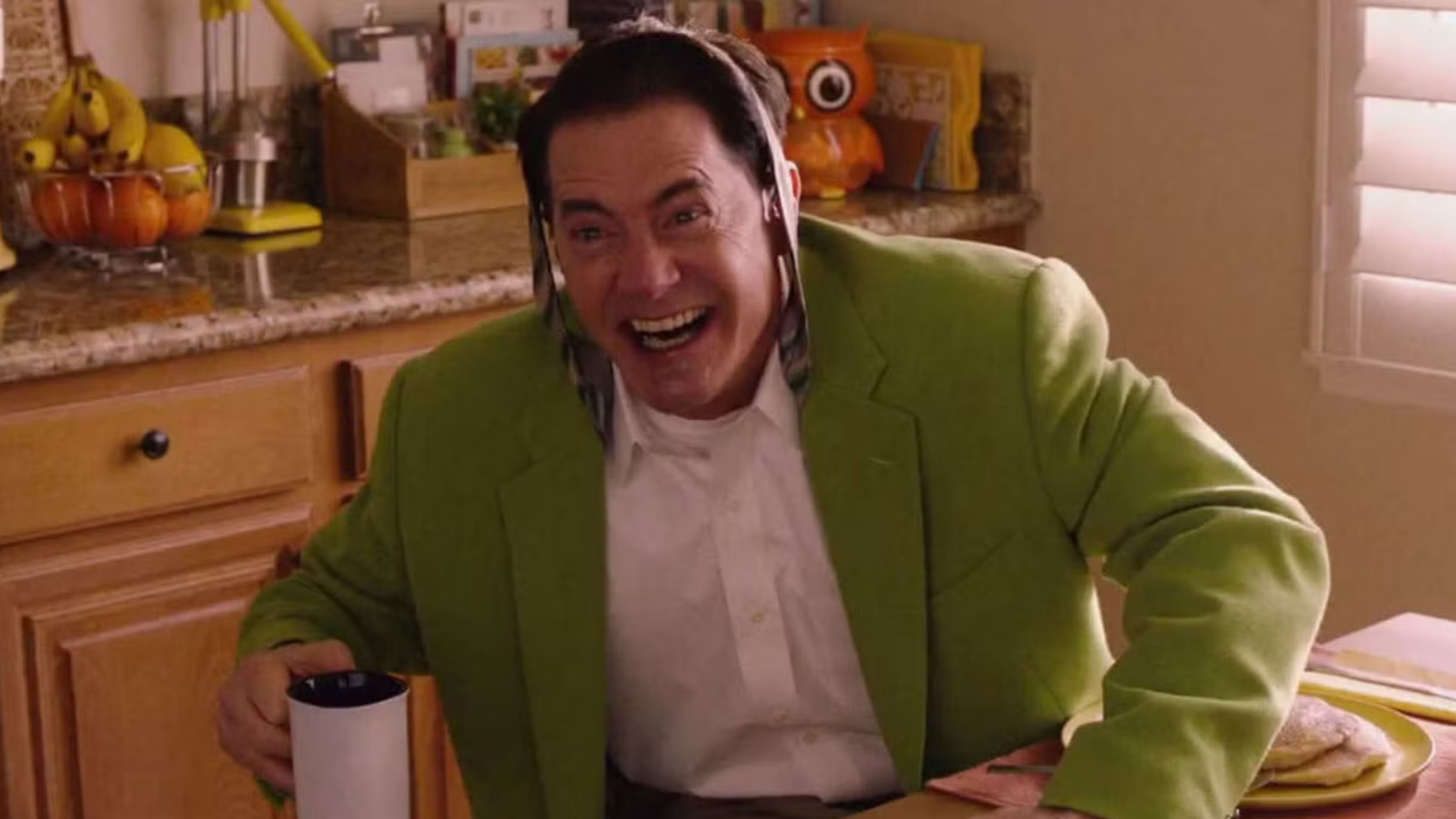
Twin Peaks, a show created by David Lynch and Mark Frost, first appeared on ABC in 1990. It started as a quirky murder mystery following the death of Laura Palmer (Sheryl Lee), which brought FBI Agent Dale Cooper (Kyle MacLachlan) to the unusual town of Twin Peaks. It quickly becomes clear that something far stranger is happening beneath the surface. As Cooper investigates, he discovers the Black Lodge – a bizarre, other-dimensional space. Inside, he encounters strange beings like the Man From Another Place (Michael J. Anderson) and the sinister spirit BOB (Frank Silva), and experiences the unpredictable nature of time within the Red Room.
But the truly mind-bending experience came 25 years later with Twin Peaks: The Return on Showtime, which largely disregards the original show’s storyline. Instead of a single Dale Cooper, we see multiple versions of him existing simultaneously: his evil counterpart, “Mr. C,” the seemingly vacant Dougie Jones, and eventually, the fully restored Agent Cooper. The Black Lodge and related locations, like the Mauve Zone and White Lodge, seem to exist outside of normal time, with scenes jumping between the past, future, or even different dimensions. It’s definitely unconventional television, and understanding it all is a real puzzle.
1) Dark
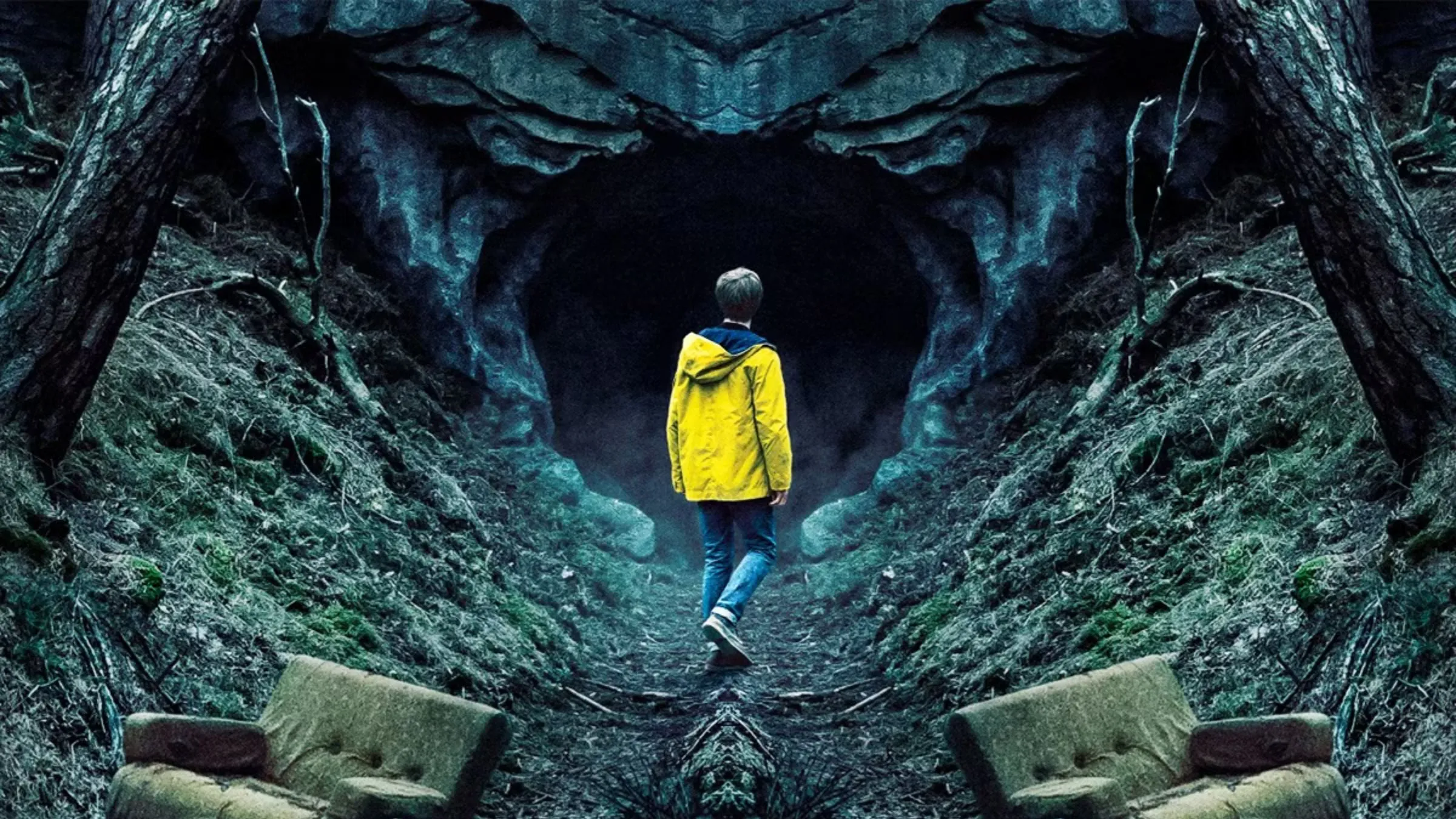
Netflix’s Dark is arguably the most complex and beautifully crafted time travel series ever created. This German science fiction thriller starts in the quiet town of Winden with the disappearance of a child, which sets off a series of discoveries about hidden passages, time travel, and the incredibly interconnected relationships between families. The story mainly follows Jonas Kahnwald and Martha Nielsen, two teenagers who realize the tragedies in their town are tied to a centuries-long time loop.
With each season, the show gets more intricate, constantly showing characters meeting their past or future selves in different time periods – 1888, 1921, 1953, 1986, and 2019. The final season adds another layer of complexity with a completely separate universe. Keeping track of everything can be challenging – you might even need to create a family tree and timeline! But Dark truly pays off if you put in the effort. The mystery, no matter how confusing, is carefully planned by the creators, Baran bo Odar and Jantje Friese. If you haven’t watched it yet, Dark is a brilliantly complex and rewarding show.
As a total sci-fi geek, I’m always curious – what was the first time a movie’s timeline just completely messed with your head? Seriously, which one made you rewind and re-think everything? I’d love to hear about it, so let’s chat about it over on the ComicBook Forum!
https://comicbook.com/movies/list/10-great-sci-fi-movies-you-can-stream-for-free-now/embed/#
Read More
- Gold Rate Forecast
- Dune 3 Gets the Huge Update Fans Have Been Waiting For
- Looks Like SEGA Is Reheating PS5, PS4 Fan Favourite Sonic Frontiers in Definitive Edition
- Pluribus Star Rhea Seehorn Weighs In On That First Kiss
- Kelly Osbourne Slams “Disgusting” Comments on Her Appearance
- Arknights: Endfield – Everything You Need to Know Before You Jump In
- Antiferromagnetic Oscillators: Unlocking Stable Spin Dynamics
- Tomodachi Life: Living the Dream ‘Welcome Version’ demo now available
- Million Depth launches November 12
- Action Comics #1096 is Fun Jumping-On Point for Superman Fans (Review)
2026-03-08 16:14