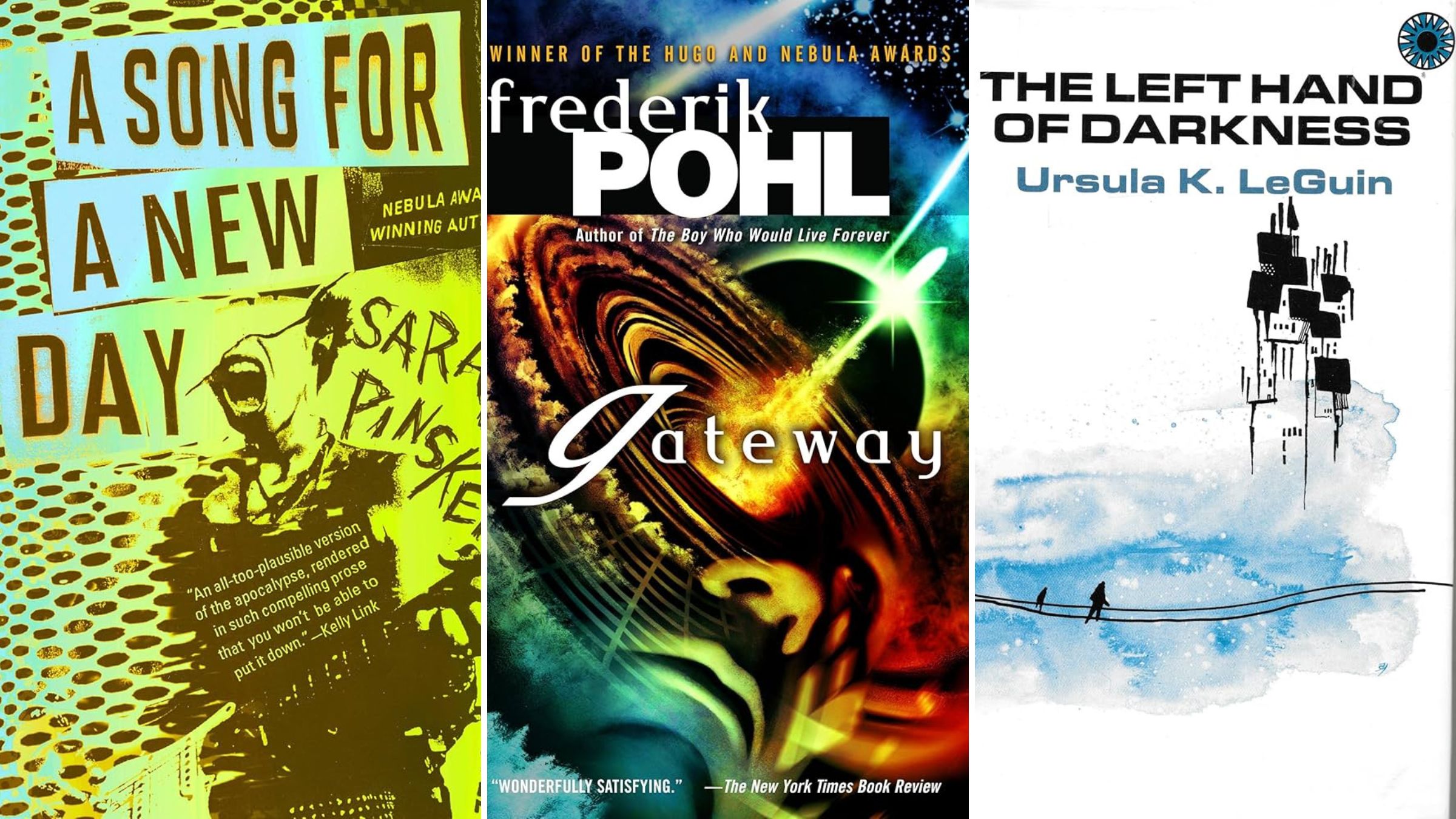
Over the last ten years, science fiction has become a hugely successful genre on high-quality television. Shows like The Expanse garnered critical acclaim for six seasons, adapting a nine-book series and leaving plenty of source material for potential spin-offs. Foundation became Apple TV+’s biggest hit, based on a seven-book series, while Silo quietly became one of their most-watched programs, drawing from a trilogy of novels. Netflix invested heavily in adapting Liu Cixin’s Three Body Problem trilogy into a popular show. This trend is continuing, with several other sci-fi novels – including Neuromancer, Consider Phlebas, and The Captive’s War – currently in development, each with enough material to support multiple seasons of television.
Streaming services love adapting long book series because they offer a lot of material for ongoing shows. But it’s a mistake to think a single, well-written science fiction novel can’t support a series on its own. Many standalone sci-fi books create incredibly detailed worlds, technologies, and ethical systems that could easily provide enough content for multiple seasons, even without any sequels.
5) A Song for a New Day
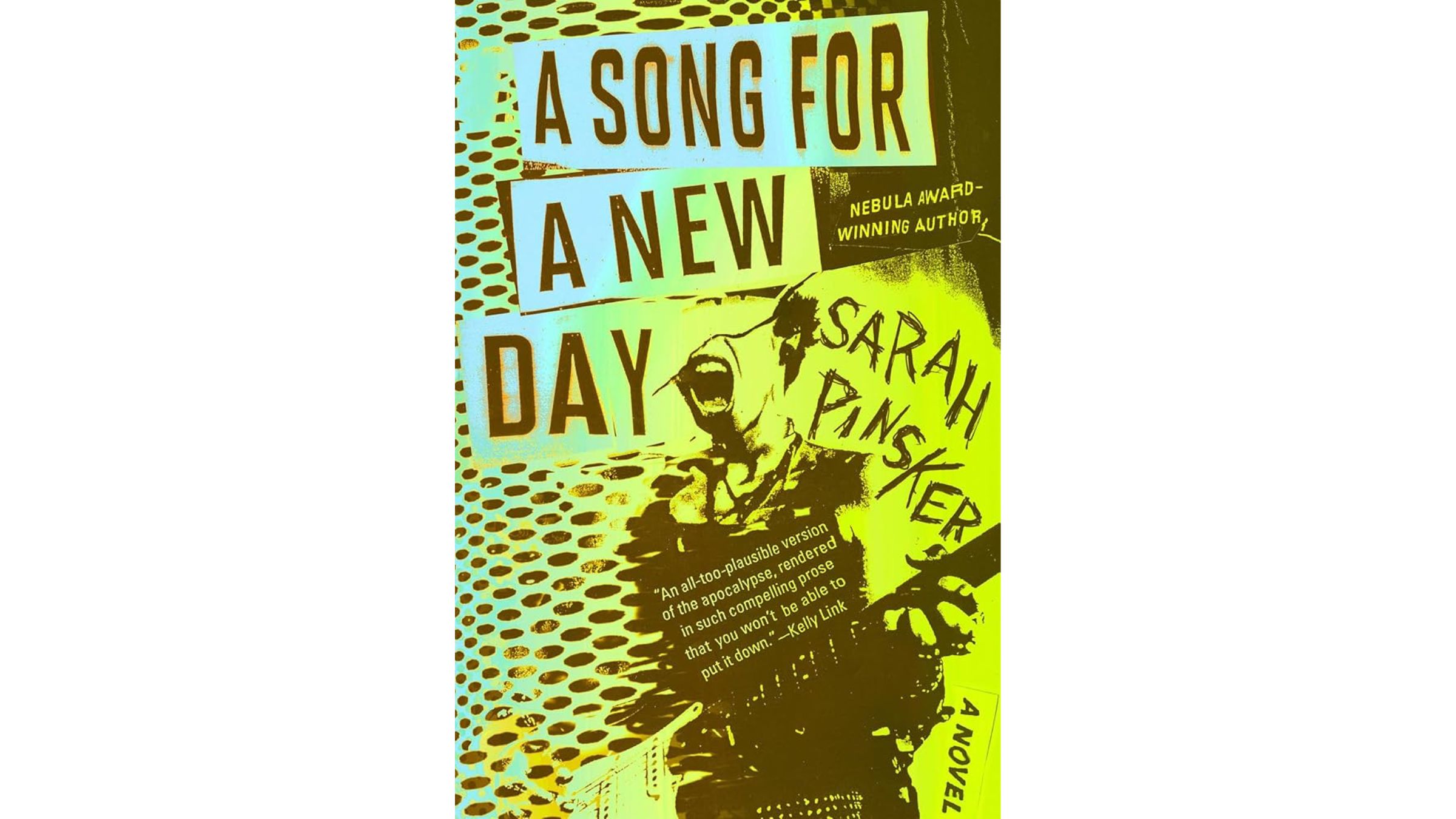
Sarah Pinsker’s 2019 novel, A Song for a New Day, eerily foreshadowed the widespread cancellation of public events that followed in 2020. The award-winning book imagines a near-future America where concerts and gatherings are banned due to terrorism and disease, pushing live music into hidden venues. A powerful virtual reality platform, StageHoloLive, quickly dominates the entertainment world. The story centers on Luce Cannon, a musician who still plays secret shows, and Rosemary, a StageHoloLive employee tasked with finding new talent – despite never having experienced a live performance herself.
What sets A Song for a New Day apart as compelling TV is its focus on two main characters and the powerful corporation it examines. StageHoloLive isn’t just a company; it’s a complete media world with all the usual parts – managers, talent agencies, scouts, and data-driven content planning. This complex, hierarchical structure is exactly the type of setup that fuels long-running, high-quality dramas. The two main characters have very different views on live performance, shaped by their generations, and the conflict between them creates enough drama for many episodes.
4) Blindsight
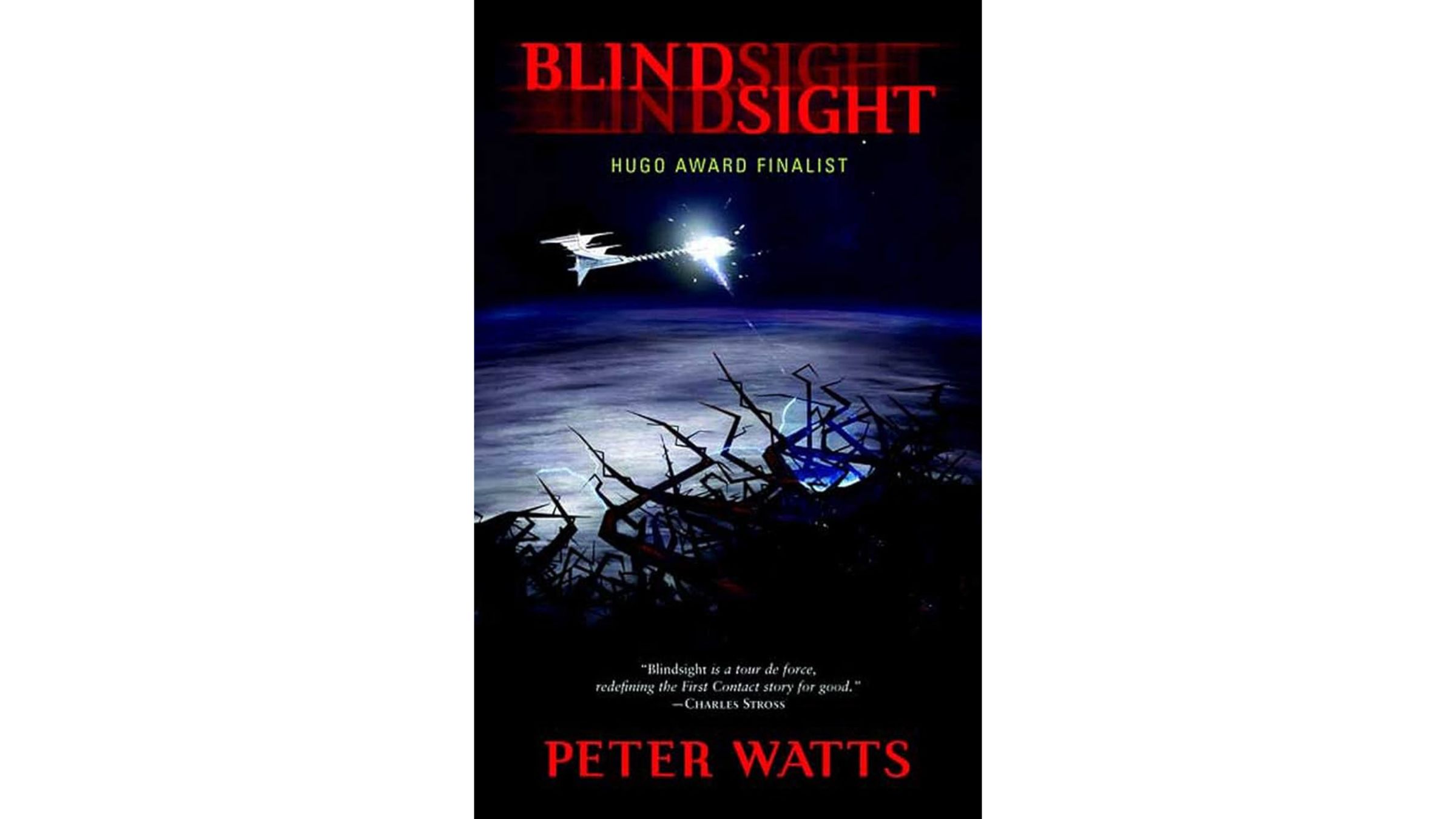
Peter Watts’ novel, Blindsight, was highly acclaimed, receiving nominations for both the Hugo and Campbell awards. It’s become known among fans of hard science fiction as a remarkably smart and thought-provoking first-contact story. The plot follows a crew of technologically-enhanced individuals sent on the ship Theseus to investigate an alien signal detected near the edge of the solar system. They encounter an alien intelligence so complex it forces them to question everything they thought they knew about consciousness.
Peter Watts’ novel Blindsight proposes a thought-provoking idea: intelligence doesn’t require consciousness, and being self-aware might actually hinder survival. This concept shifts the typical alien encounter from a thrilling adventure into a deeper, more unsettling exploration of what it means to be human. The story creates intense pressure through its confined setting, clashing motivations of the crew, and an incomprehensible threat – elements common in popular dramatic series. Given the success of shows like Pluribus which tackle similar big ideas, now is an ideal time to adapt Blindsight for a new audience.
3) A Fire Upon the Deep
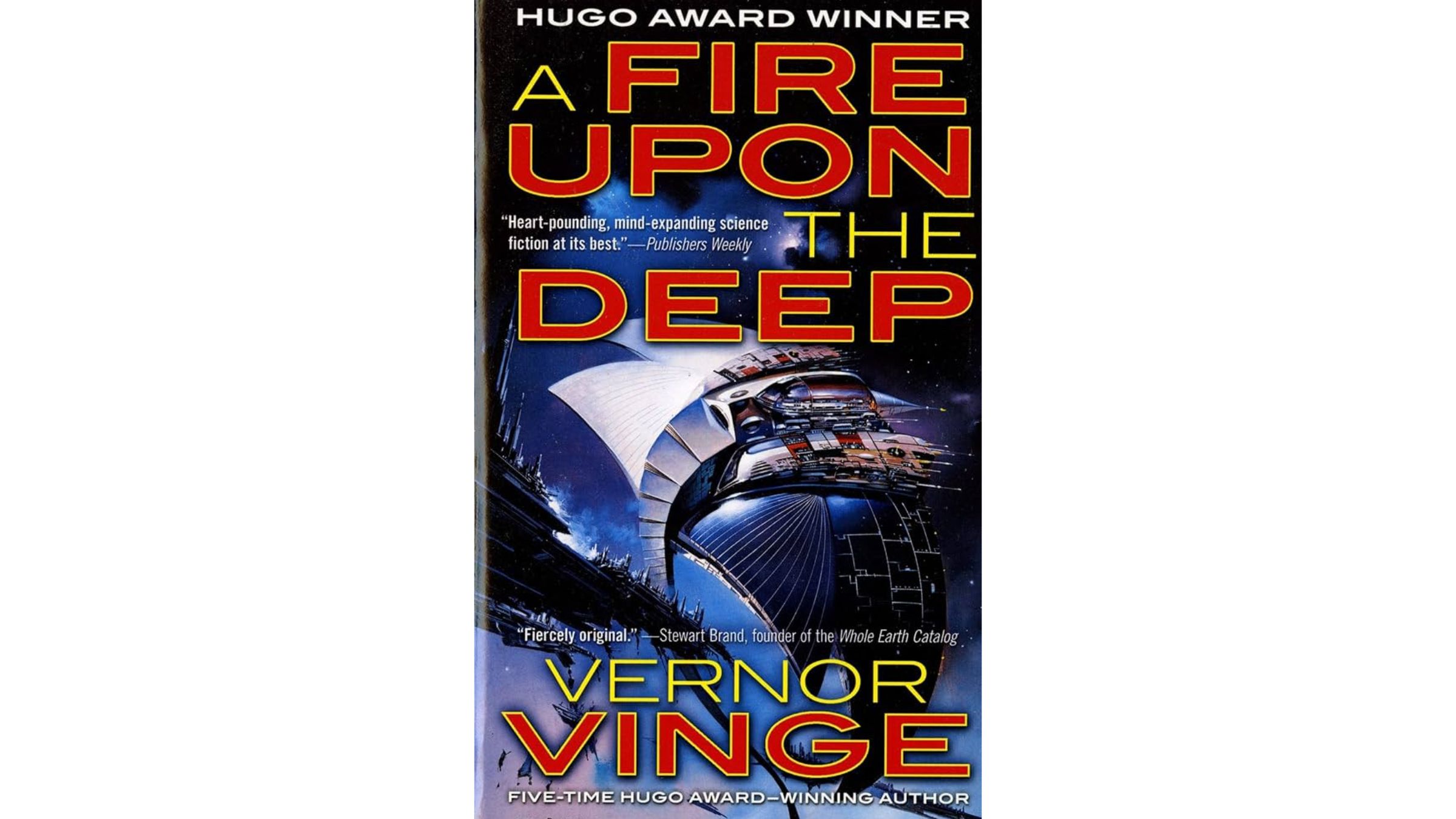
Vernor Vinge’s novel, A Fire Upon the Deep, won a Hugo Award in 1993, alongside Connie Willis’ Doomsday Book. That year highlighted the incredible range of science fiction stories being published. The novel imagines a galaxy divided into different areas based on how advanced thought can become. At the center are the Unthinking Depths, where consciousness doesn’t work. Further out is the Slow Zone, where Earth and most humans live. And finally, there’s the Beyond, a region of faster-than-light travel and incredibly intelligent beings. The story begins when a fleeing spaceship unknowingly unleashes an ancient, powerful evil called the Blight, starting a conflict that threatens the entire galaxy.
Vernor Vinge’s A Fire Upon the Deep centers on the crash survivors of a spaceship who land on a planet inhabited by the Tines – fascinating creatures who live in a hive mind, with each individual functioning like a neuron. Vinge meticulously crafted the Tines’ biology and society, creating an alien civilization rich enough to support its own separate stories. The novel’s scope – a large-scale political and military story combined with a deep look at an alien culture – makes it perfect material for a streaming series.
2) The Left Hand of Darkness
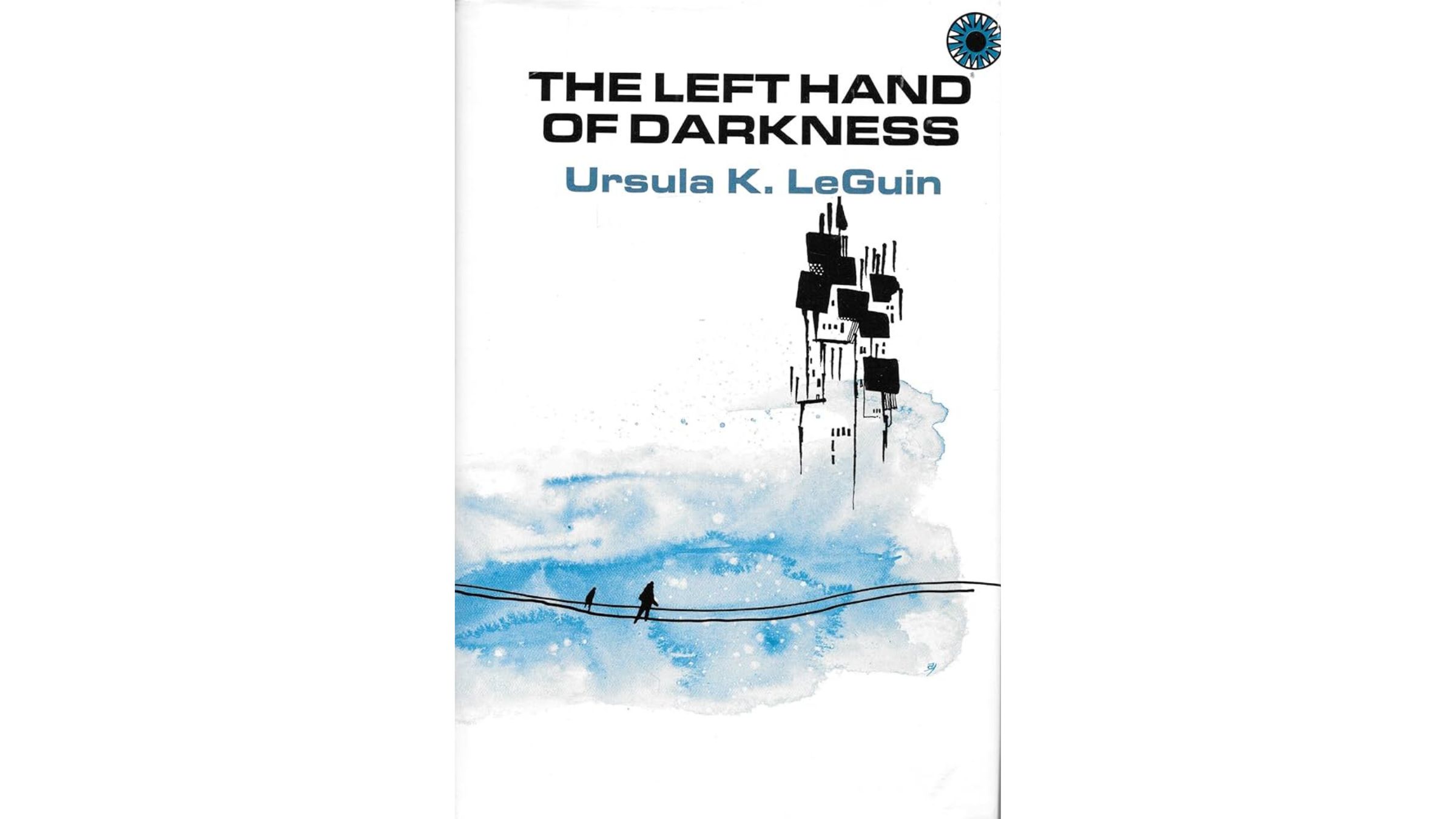
Ursula K. Le Guin’s novel The Left Hand of Darkness received both the Hugo and Nebula Awards in 1969, solidifying its place as a landmark achievement in science fiction. The story centers on Genly Ai, an emissary from Earth tasked with convincing the people of the planet Gethen to join a galactic alliance. What makes Gethen unique is that its inhabitants are biologically androgynous, prompting Genly to question his own preconceived notions about gender, politics, and what it means to be human. A particularly poignant aspect of the novel is the complex and heartbreaking relationship between Genly and Estraven, a Gethenian political figure who bravely assists him despite the risks.
The world of Gethen, with its unique climate, political landscape, myths, and government systems, offers a wealth of story ideas – enough for several seasons of television. Le Guin built these structures with so much detail that new stories could easily be created within her established world. Despite this potential, no one has yet successfully adapted The Left Hand of Darkness into a TV series.
1) Gateway
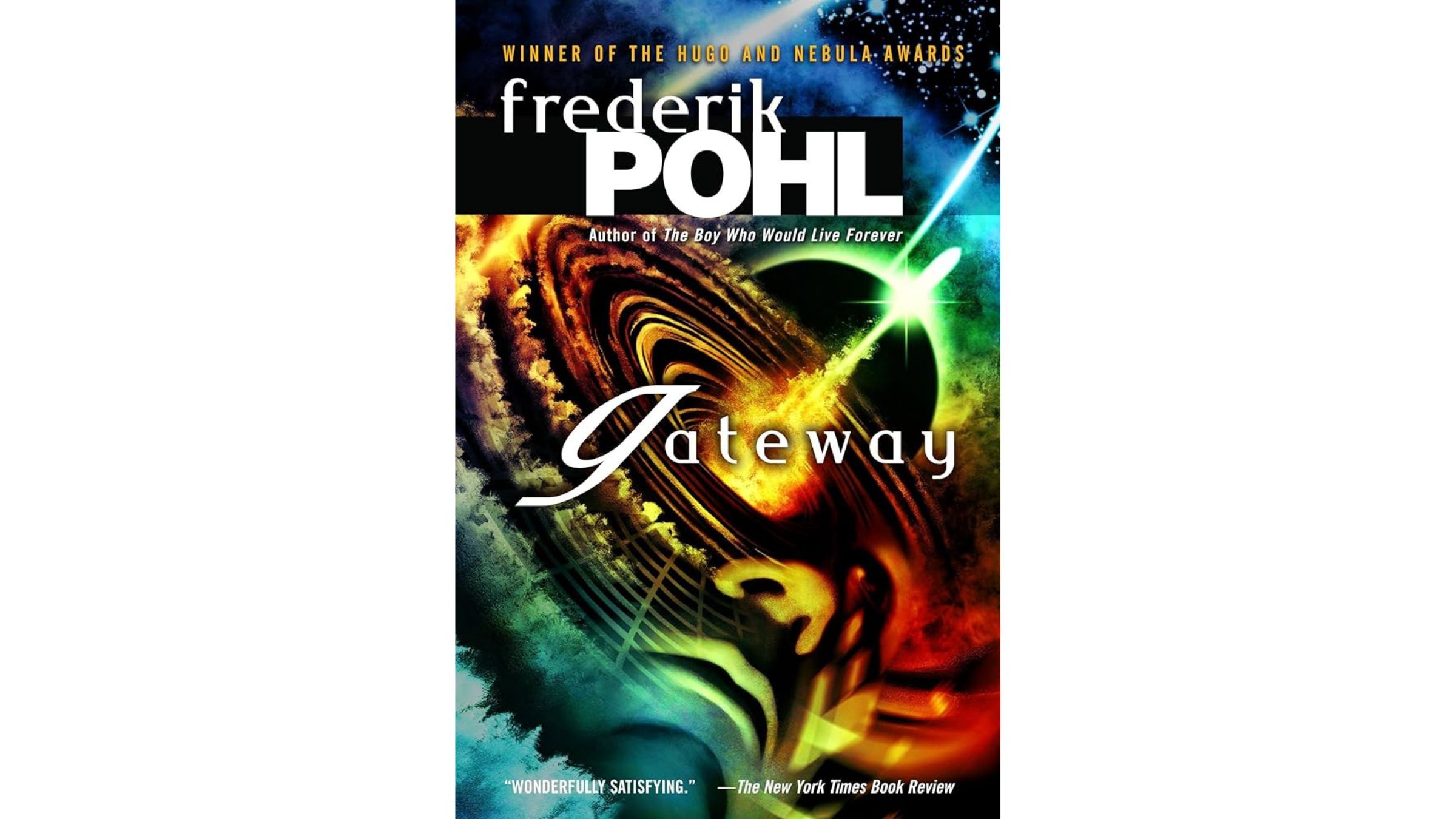
Frederik Pohl’s Gateway is a unique science fiction achievement, winning the Hugo, Nebula, Locus, and Campbell Memorial Awards all in the same year. The novel tells two intertwined stories: Robinette Broadhead’s therapy sessions with a robot psychiatrist, where he reveals how he gained immense wealth but also suffered lasting damage, and the actual events that led to both. These events unfold on the Gateway asteroid, where humans have found hundreds of spacecraft left by a long-gone alien race called the Heechee. These ships are programmed to travel to unknown destinations, and daring prospectors risk everything, gambling their lives on the chance of finding riches – or facing certain death, with no control over where they’ll end up.
The television series Gateway, based on the novel, has had a troubled development history. It’s been picked up by Syfy, then Skybound Entertainment, and later Entertainment One, but never actually produced. This suggests the story is challenging to adapt, but the source material is too compelling to abandon. The Gateway asteroid itself provides a fantastic foundation for a series, offering a contained setting, countless potential destinations, and a naturally suspenseful premise filled with existential themes. While the character of Broadhead and his complex fate drive the story’s emotional impact, the mysterious Heechee civilization offers endless possibilities for world-building, making it ideal for a streaming service ready to invest.
There are some fantastic science fiction novels that haven’t gotten the attention they deserve. Which one would you love to see adapted into a high-quality TV series? Share your thoughts in the comments and join the discussion on the ComicBook Forum!
Read More
- The Super Mario Galaxy Movie: 50 Easter Eggs, References & Major Cameos Explained
- Sydney Sweeney’s The Housemaid 2 Sets Streaming Release Date
- 10 Best Free Games on Steam in 2026, Ranked
- Welcome to Demon School! Iruma-kun season 4 release schedule: When are new episodes on Crunchyroll?
- Why is Tech Jacket gender-swapped in Invincible season 4 and who voices her?
- Shonen Jump Officially Cancels Yet Another Major Series in 2026 (& Fans Saw It Coming)
- Dune 3 Gets the Huge Update Fans Have Been Waiting For
- Highly Anticipated Strategy RPG Finally Sets Release Date (And It’s Soon)
- The Punisher: One Last Kill Trailer Review: MCU Special Could Be a Game Changer
- Forza Horizon 6 ‘Prologue’ gameplay
2026-04-09 23:13