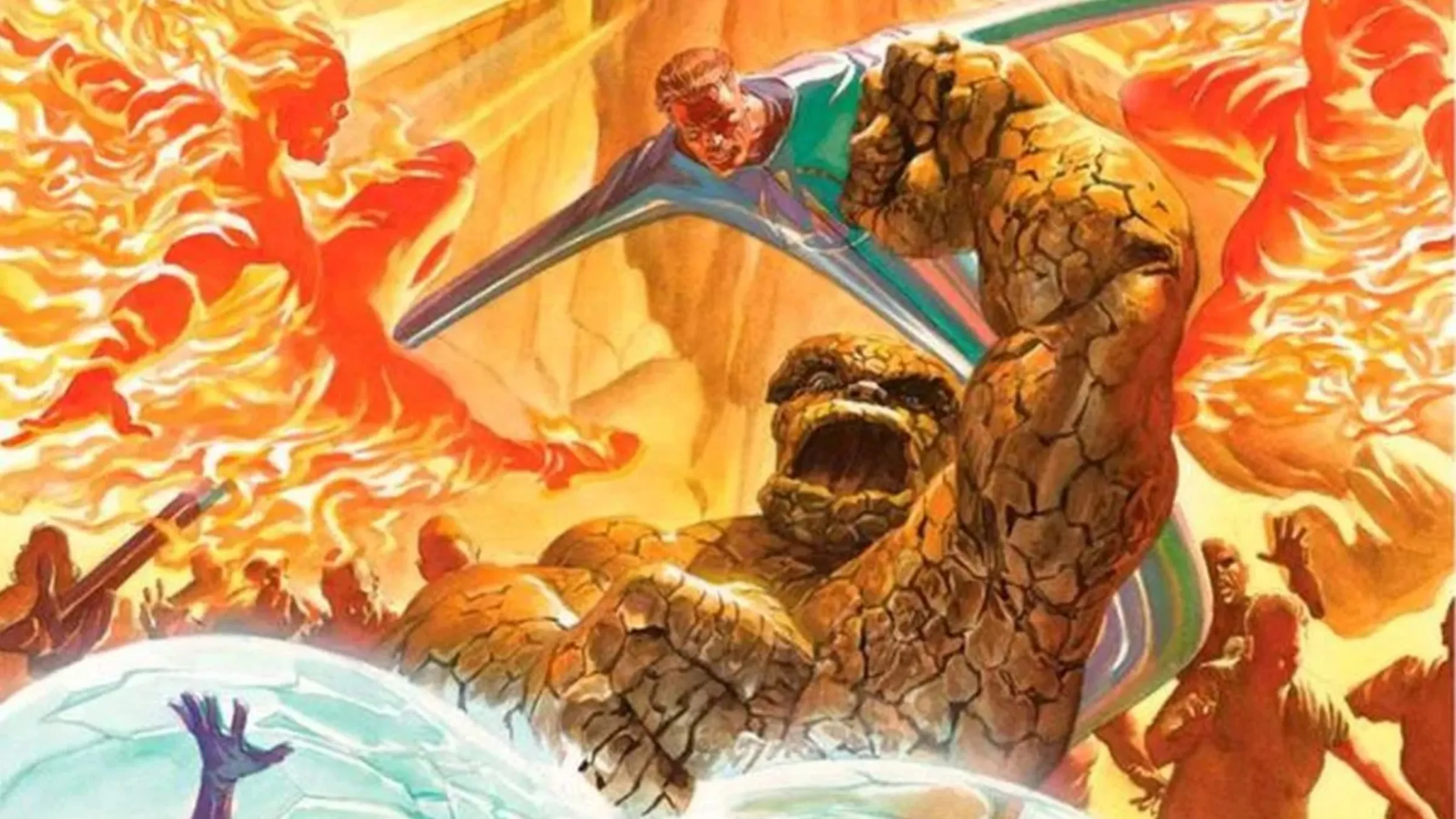
As a longtime comic fan, the history of the Fantastic Four always blows my mind. Back in the 1950s, Marvel was pretty much out of the superhero scene while DC was really establishing itself. Then, in 1961, Stan Lee and Jack Kirby launched Fantastic Four #1, and everything changed – it basically created the modern Marvel Universe! Seriously, if you enjoy any Marvel hero, you owe a lot to this team. Even though their peak was back in the ’60s when they truly lived up to their claim of being “The World’s Greatest Comic Magazine”, the Fantastic Four are still incredibly important to the Marvel family and hold a special place with fans like me.
The Fantastic Four have a long history, and over time, fans have developed certain expectations about the team and its enemies. But some of those assumptions aren’t quite right. Here are five common Fantastic Four ideas that Marvel fans might prefer not to dwell on.
5) Mister Fantastic Being Possibly Autistic Doesn’t Excuse His Wrongdoings
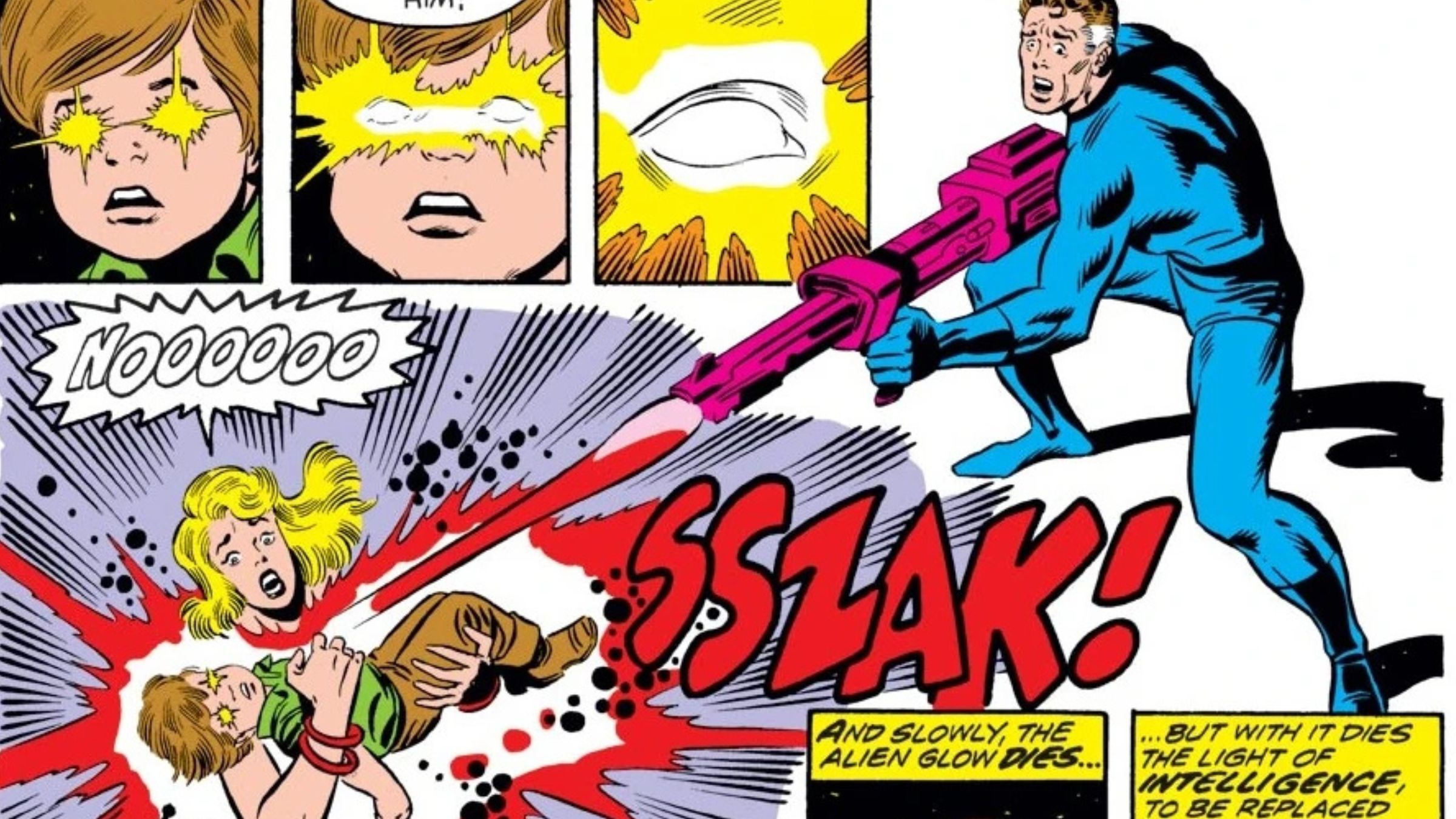
Reed Richards is a brilliant hero who has saved the world countless times, but he’s also known for being difficult to deal with. He often becomes so focused on his work that he unintentionally hurts those closest to him, and historically, he’s displayed problematic behavior towards women. Some fans believe his personality traits suggest he might be on the autism spectrum, which is a reasonable interpretation. However, it’s important not to use that as an excuse for his flaws. Whether Reed is neurotypical or autistic doesn’t change the fact that he can be problematic, and sometimes there’s no justification for his actions.
4) Jack Kirby Made Fantastic Four Great, Not Stan Lee
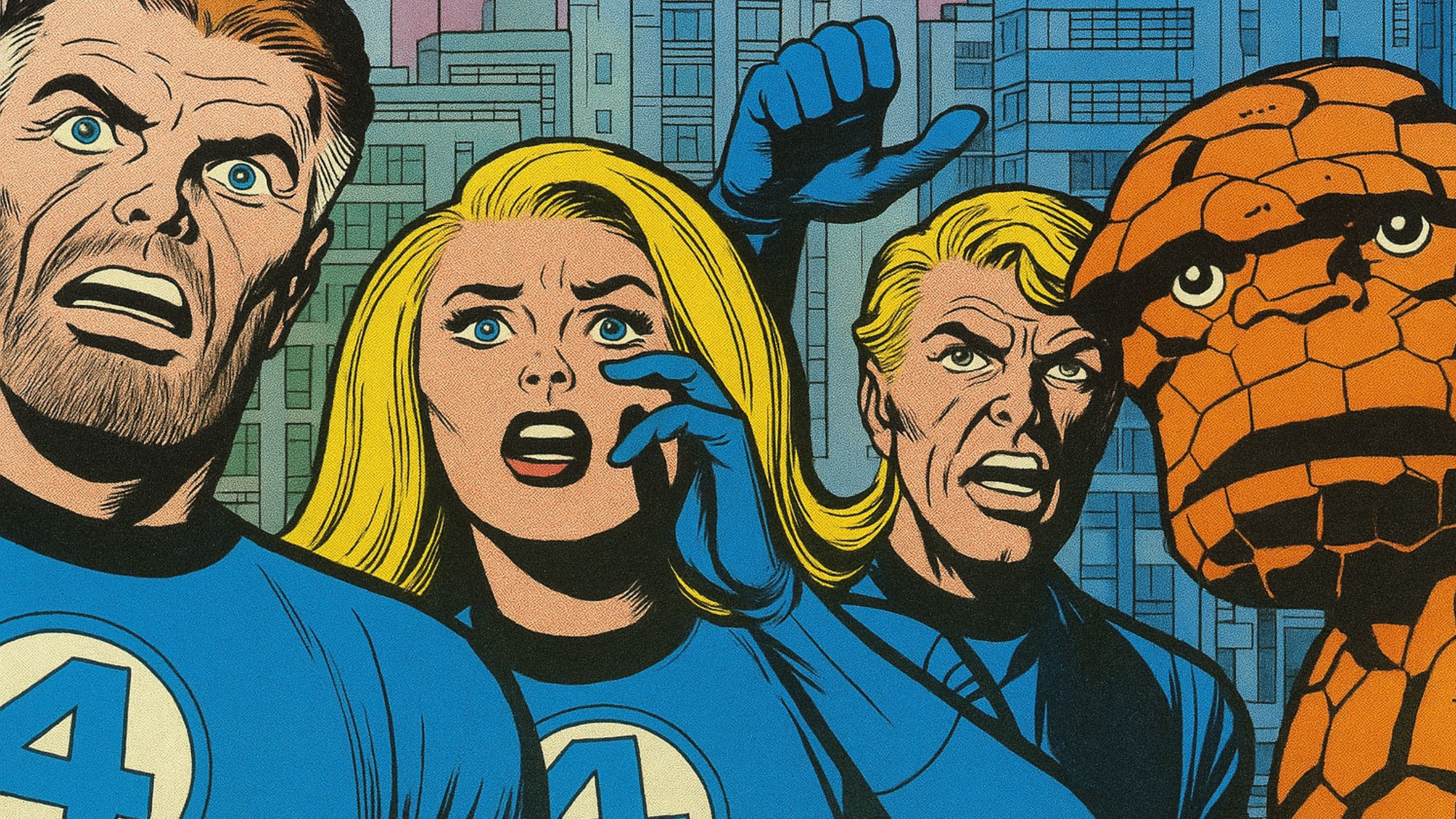
Stan Lee and Jack Kirby collaborated on the Fantastic Four using a unique process called the Marvel Method. This involved the artist creating the entire issue’s artwork based on a general story idea, and then the writer adding the dialogue. However, Kirby was a strong storyteller himself and often included dialogue suggestions in his artwork. When you look at their work together, it’s clear that Kirby heavily influenced the Fantastic Four. In fact, the comic feels more like Kirby’s science fiction stories than Lee’s more grounded superhero tales. The Fantastic Four essentially built upon the concept of Kirby and Joe Simon’s earlier comic, Challengers of the Unknown, adding superpowers to the mix. Kirby was the driving force behind the imaginative concepts and visuals, and his contributions were crucial to the comic’s success. While the characters were well-developed, it was Kirby’s innovative ideas, dynamic page layouts, and exciting artwork that truly made the Fantastic Four special.
The Thing and Human Torch Are Better than Reed and Sue
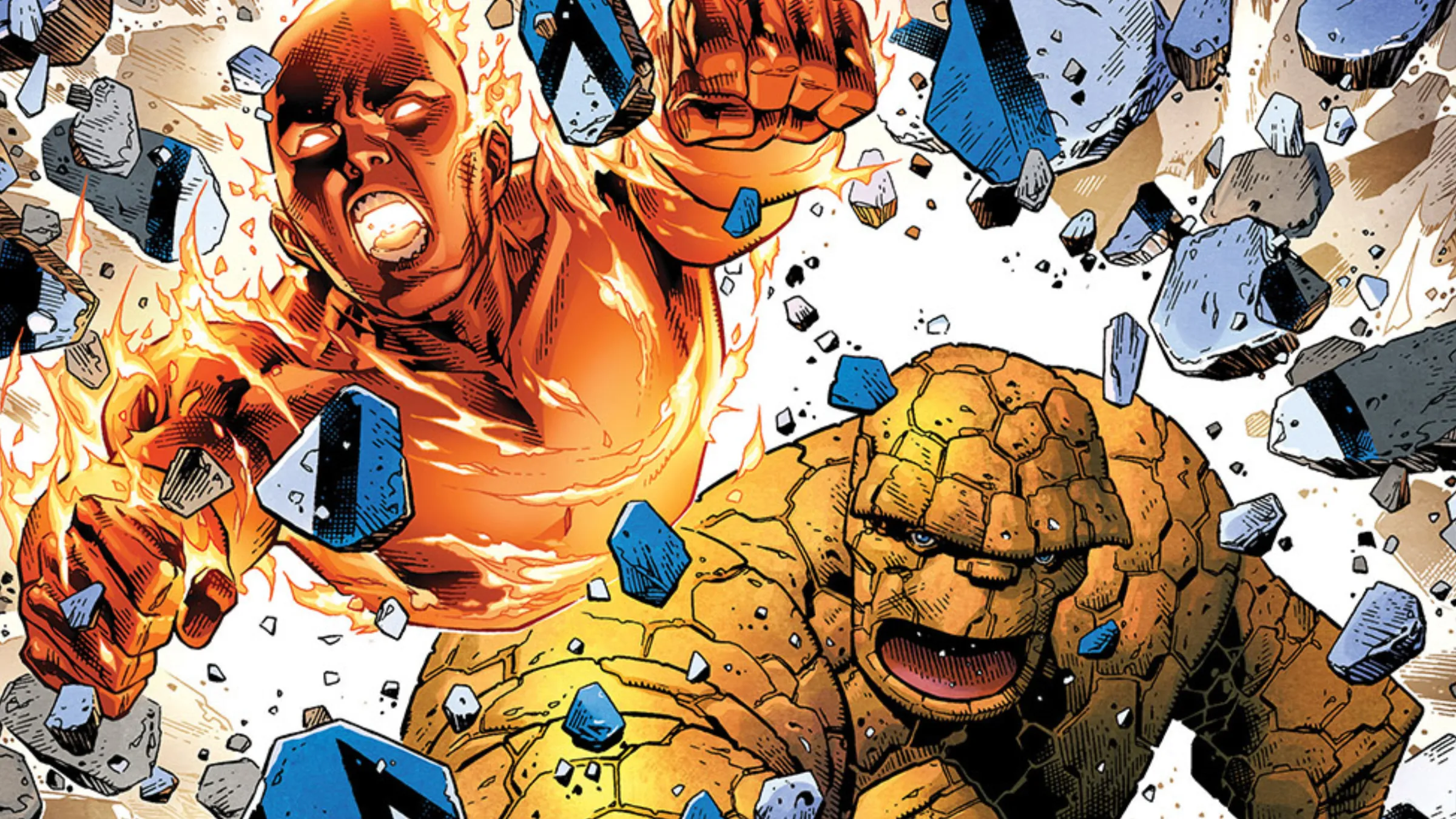
Reed and Sue Richards are the parental figures for the Fantastic Four, but many fans agree that the real strength of the team lies with the Human Torch and the Thing. Their dynamic is a classic older-brother, younger-brother relationship that’s always been a highlight. The Thing is a truly exceptional Marvel character with a rich backstory, and the Human Torch is a surprisingly powerful and often overlooked hero, capable of going toe-to-toe with incredibly powerful foes. Both shine when they’re together and when they’re acting independently. In fact, many consider them the two best members of the team, and the 2017 series Marvel 2-In-1 (by Chip Zdarsky and a team of artists) perfectly showcases why they’re so compelling – and arguably, more interesting than Reed and Sue.
2) Valeria and Franklin Would Be Better in Their Own Book
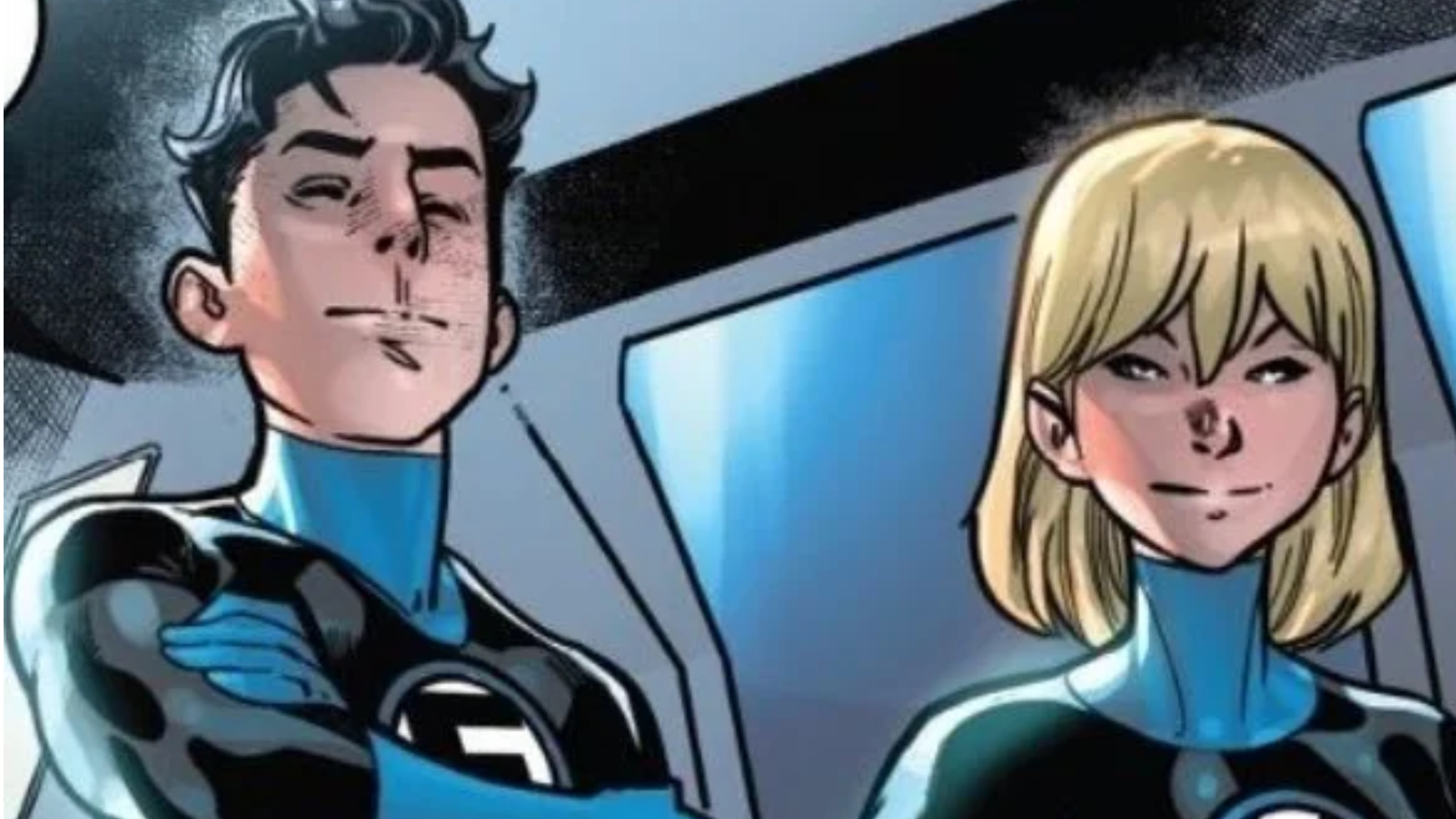
Franklin and Valeria Richards are arguably the most impressive kids in comic books. Franklin has been a standout character since the 1990s, and many fans, including myself, think Valeria is even more remarkable. Together, they’re an incredible duo: Franklin has almost limitless power, while Valeria is a brilliant inventor. While they’re enjoyable in Fantastic Four stories, they deserve their own series – perhaps a new Future Foundation book focused on their adventures. Giving them more opportunities to shine independently would allow for greater character development than simply appearing alongside their parents. Marvel successfully featured a team of young heroes in Power Pack back in the 1980s, and they could achieve similar success with Franklin and Valeria if they approached it strategically.
1) Doctor Doom Shouldn’t Be as Close to the Family as He Is

Doctor Doom’s long-standing connection to the Richards family, starting with delivering Valeria, has created some memorable scenes – like the famous line about children needing sleep in Latveria. While it’s been enjoyable to see this unexpected side of him, it’s also softened the image of a truly fearsome villain. Historically, Doctor Doom is a ruthless character, and his current family dynamic diminishes that. It’s easy to fall for ‘Uncle Doom,’ and many fans, including myself, enjoy it. However, the character is more compelling when Doom is a more formidable and intimidating ruler, rather than constantly focused on Valeria’s well-being.
Read More
- All 13 Smash Bros. Characters in the Super Mario Galaxy Movie
- Why is Tech Jacket gender-swapped in Invincible season 4 and who voices her?
- TV legend Carol Kirkwood reveals the reasons why she decided to retire after 28 years with BBC
- Welcome to Demon School! Iruma-kun season 4 release schedule: When are new episodes on Crunchyroll?
- Sydney Sweeney’s The Housemaid 2 Sets Streaming Release Date
- Highly Anticipated Strategy RPG Finally Sets Release Date (And It’s Soon)
- The Super Mario Galaxy Movie: 50 Easter Eggs, References & Major Cameos Explained
- Dune 3 Gets the Huge Update Fans Have Been Waiting For
- Digimon Is Getting a New RPG in 2026 (And You Probably Missed It)
- MOUSE: P.I. For Hire Loops in Caravan Palace for A Catchy New Track Ahead of April 16 Release
2025-12-14 18:17