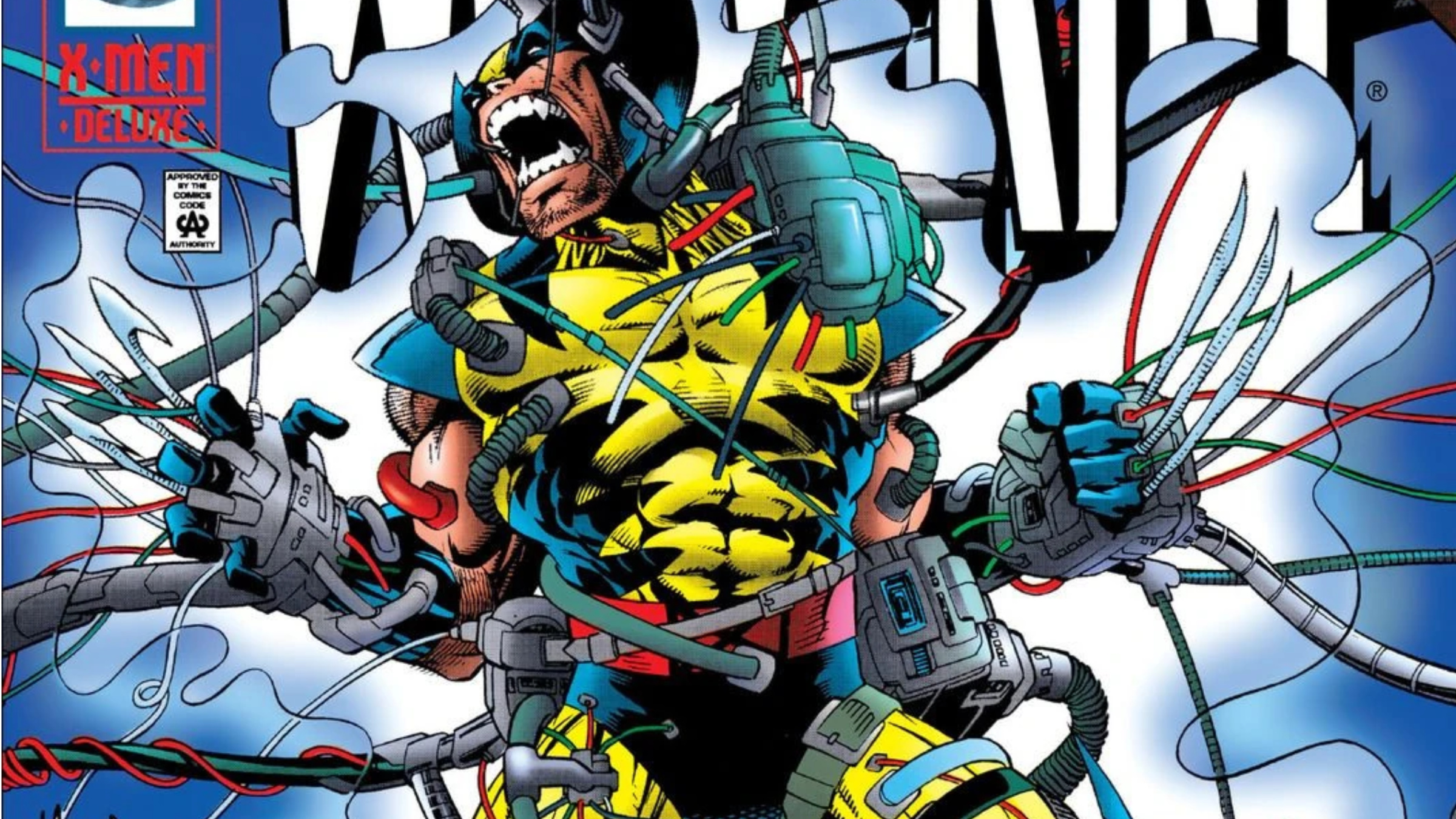
Wolverine has become incredibly popular since his first appearance in The Incredible Hulk #181. He quickly rose to prominence after appearing in Giant-Size X-Men #1 and became the star of X-Men in the late 1970s. The 1980s brought his first solo series and even greater popularity, and from the 1990s onward, he’s been a central figure in the Marvel Universe. Like Batman, Wolverine appears in many different comics every month – ongoing series, limited runs, and one-off issues. He’s often a leading character in at least one team book, and sometimes as many as six, appearing in multiple X-Men and Avengers titles simultaneously. He’s a consistently profitable character for Marvel.
After decades of stories, Marvel fans have developed strong feelings about this character. While many adore him, others aren’t so keen – and for various reasons. Examining his 51-year history reveals some common misconceptions fans have about him, and here are five of the most prominent.
5) Wolverine Is Better on the Avengers

Wolverine is a fantastic X-Man, and he naturally thrives in team settings. While he eventually joined the Avengers, this proved to be a great fit. In the X-Men comics, Wolverine often dominates the spotlight, taking attention away from other deserving characters. However, with the Avengers, he’s one star among many, earning his moments through contribution rather than just his popularity. Seeing him interact with Captain America – who once vowed he’d never be on the team – alongside Iron Man and Spider-Man is a real treat. This new dynamic revitalizes the character and works exceptionally well.
4) Wolverine Does Work as the Moral Center of the X-Men
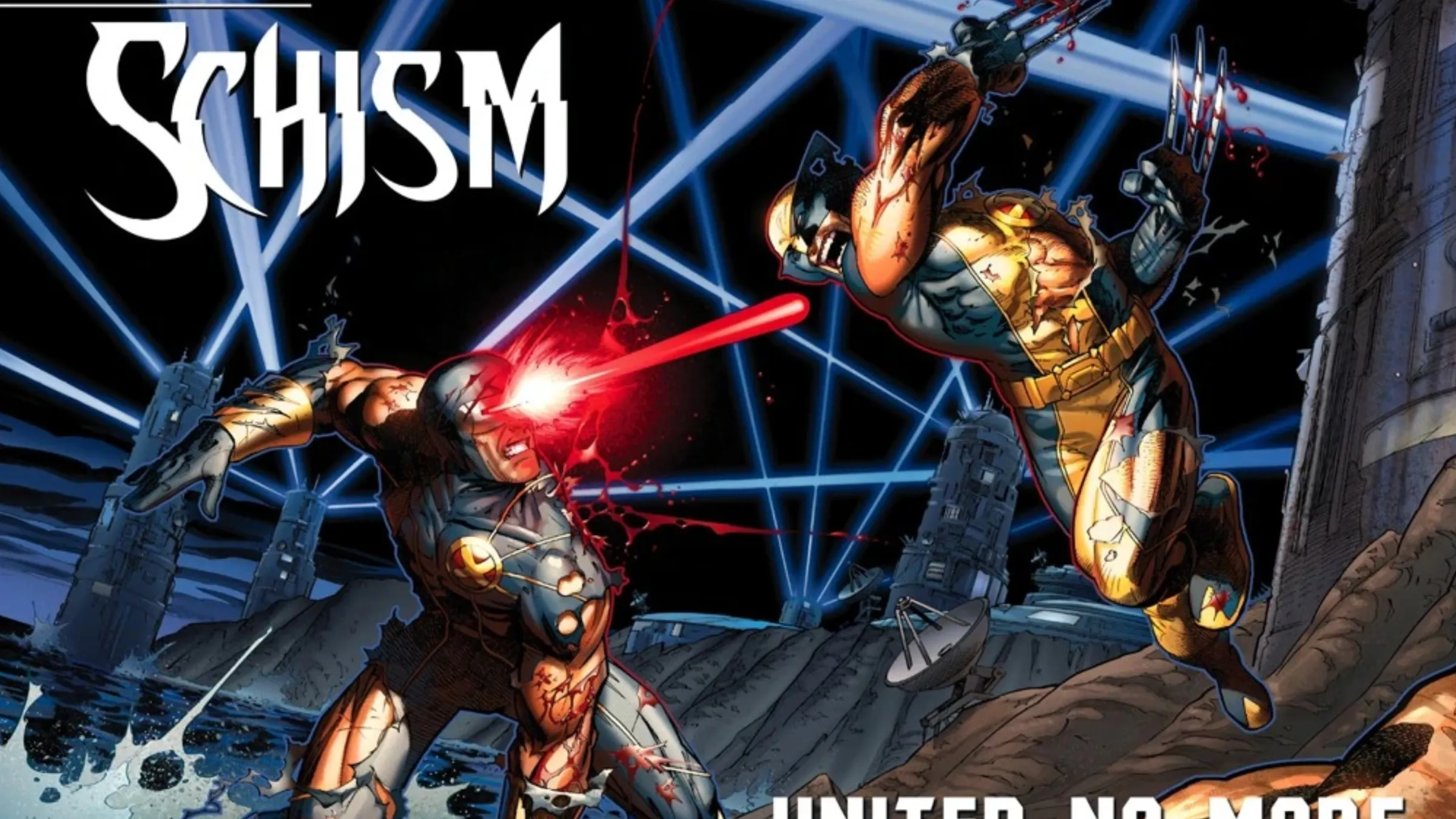
The storyline X-Men: Schism surprisingly positioned Wolverine as the X-Men’s moral compass. The central conflict arose from Cyclops authorizing Oya to kill several Hellfire Club members, despite Wolverine’s strong objections. While some fans saw this as hypocritical, it actually makes logical sense. Wolverine was the one equipped to handle the killing, and it was wrong to ask the children to do it. It’s perfectly reasonable for someone to want to shield others from the experience of taking a life. Although Wolverine might seem like an odd choice to preach morality, he’s also the one consistently tasked with making difficult decisions and doing what needs to be done. Therefore, he’s uniquely qualified to hold others accountable – especially since he often handles the unpleasant tasks no one else wants to.
3) Ultimate Wolverine Is Good, Actually
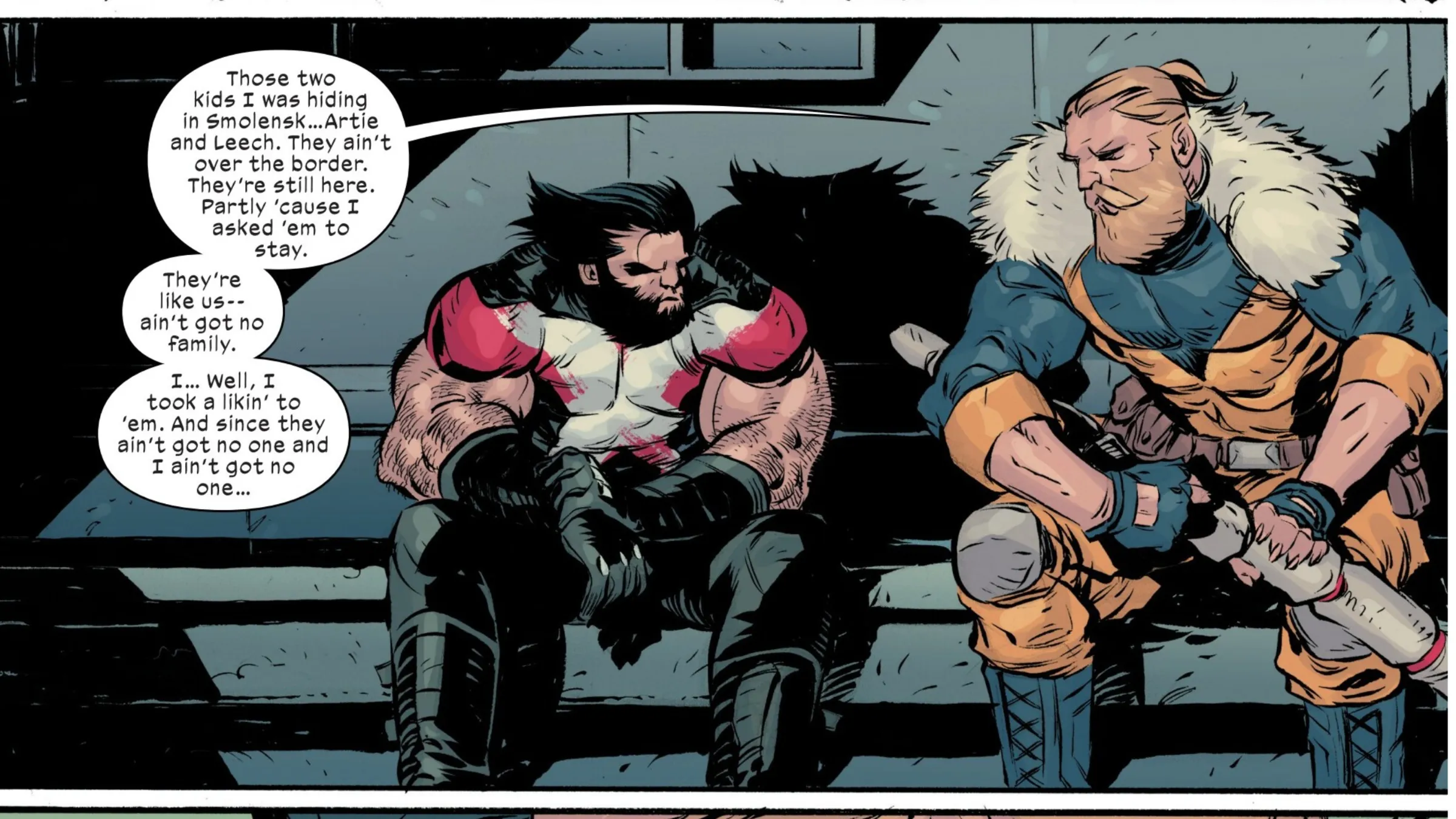
Despite some criticism, Ultimate Wolverine is currently the strongest Wolverine series available. The story reveals that Logan from Earth-6160 was once the Winter Soldier, a trained assassin for the Eurasian Republic, before rebelling and joining a resistance group. He then fights against powerful enemies like Colossus, Magik, and Omega Red, and their overwhelming military force. While some readers feel the series treads familiar ground, this overlooks its unique approach to the Weapon X concept. The book excels in its character development and delivers thrilling, action-packed sequences. It’s a compelling read that presents a fresh take on Wolverine, crafted by a talented creative team. As a longtime Wolverine fan, I consistently discover new aspects to appreciate in each issue. Ultimately, it’s an excellent series, and much of the negativity seems to come from those who simply aren’t fans of the character to begin with.
2) “Old Man Logan” Lives and Dies on the World Building and Not the Story

“Old Man Logan” is a highly regarded Wolverine story created by Mark Millar and Steve McNiven, originally published in Wolverine (Vol. 3) #66-72 and Wolverine: Giant-Size Old Man Logan #1. It served as a key influence on the Logan movie and is a great entry point for new readers, as it doesn’t require extensive knowledge of Wolverine’s history. Often described as a post-apocalyptic take on Unforgiven, the story’s appeal lies less in its revenge plot and more in its incredible world-building and artwork. While the writing has Millar’s signature style, the truly standout aspect is the creation of the Wastelands, a setting that has become popular for other stories in the years since. It’s a classic Wolverine tale, but the exceptional world-building and art elevate it to something special.
1) Bone Claw Wolverine Was a Great Idea
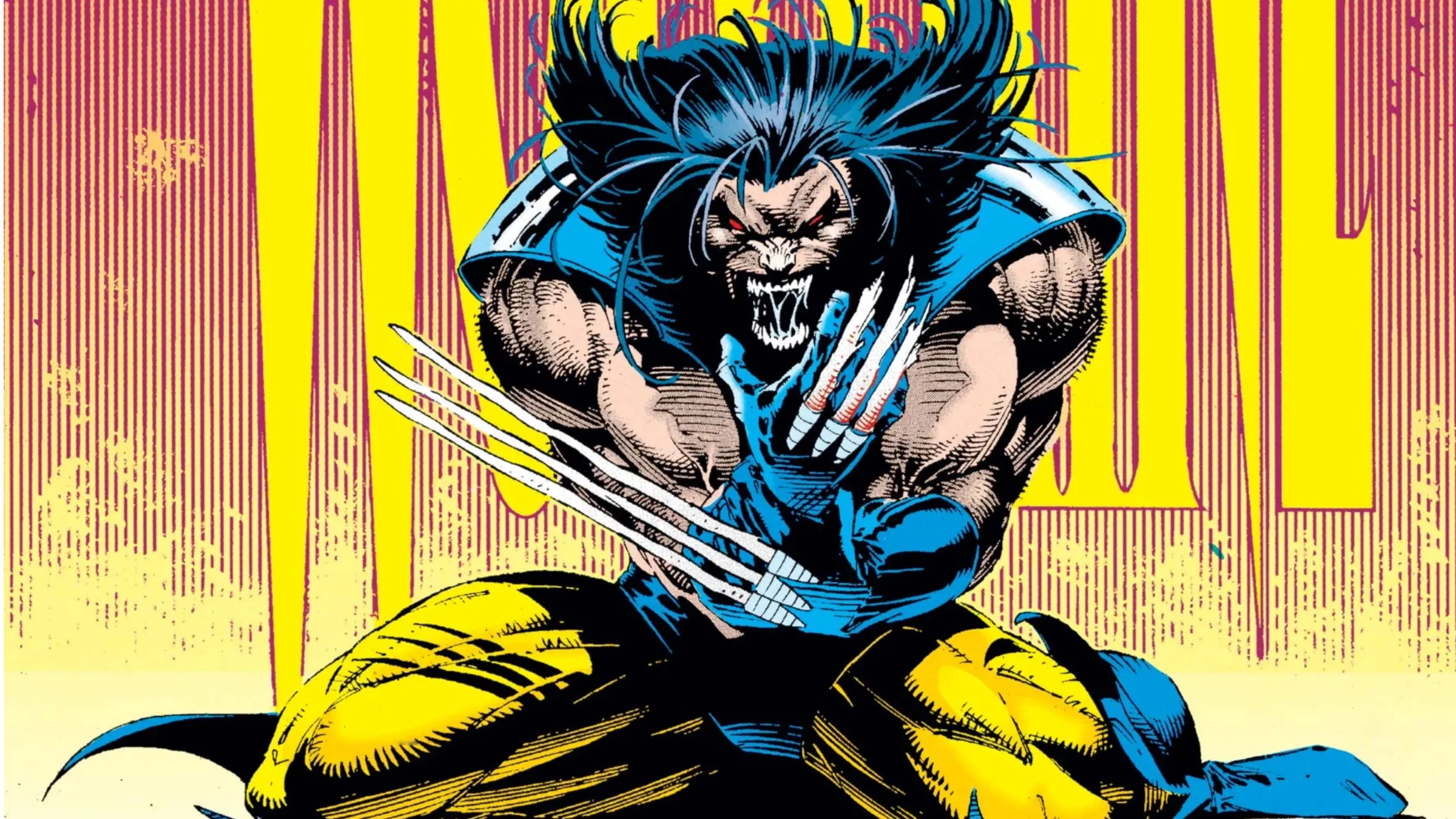
A significant turning point for Wolverine came with the storyline where Magneto removed the adamantium from his skeleton, revealing he naturally had bone claws. This launched a 70-issue arc where Wolverine struggled with being unusually vulnerable and had to rediscover his strength. While he ultimately overcame this challenge, he later faced a mutation that threatened to transform him into a feral beast without the adamantium to contain it. Some fans dislike this period, but it actually revitalized the character, allowing for deeper exploration of his inner life. Particularly well-written issues by Larry Hama (issues #1-118 of Wolverine Vol. 2 are highly recommended) powerfully showcased this transformation. For the first time in a long time, Wolverine was truly vulnerable, which opened up new and exciting possibilities for his adventures.
Read More
- The Super Mario Galaxy Movie: 50 Easter Eggs, References & Major Cameos Explained
- Surprise Isekai Anime Confirms Season 2 With New Crunchyroll Streaming Release
- 10 Best Free Games on Steam in 2026, Ranked
- ‘Project Hail Mary’: The Biggest Differences From the Book, Explained
- Preview: Sword Art Online Returns to PS5 as a Darker Open World Action RPG This Summer
- Starfield (PS5) Review – A Successful Cross-Console Voyage
- Skate 4 – Manny Go Round Goals Guide | All of the Above Sequence
- Silver Rate Forecast
- All 7 New Supes In The Boys Season 5 & Their Powers Explained
- Sydney Sweeney’s The Housemaid 2 Sets Streaming Release Date
2025-12-08 01:12