
Most people new to Dungeons & Dragons begin by playing a character within the game. Becoming the Dungeon Master (DM) – the person who runs the game – requires a strong understanding of the rules, as D&D has many details to manage. If you’re interested in trying the DM role, a short, self-contained adventure, often called a ‘one-shot,’ is a great place to start. These adventures are designed to be completed in just a few game sessions, meaning less complexity and fewer long-term storylines to remember. It’s a good way to see if you enjoy being the game master without feeling overwhelmed.
I’ve been a D&D (and Pathfinder!) player for ages, always the one super into the rules and lore. I’ve helped out a Dungeon Master here and there with bits of a campaign, but I’d never fully run a game myself. That all changed last year when I picked up Dragon Delves. I found a one-shot adventure in there that I absolutely loved, and I knew it was time for me to try DMing. I thought I had a pretty good idea of what it would be like, since I’d run a few sessions before, but running a one-shot is totally different. If you’re like me and thinking about becoming a D&D DM for the first time, I wanted to share a few things I learned from running my first one.
5) For In-Person Sessions, Go Analog If You Can

Because I’m a fast typist, I’ve always been the designated note-taker in my D&D group, which meant I usually played the game looking at my laptop screen. When I started DMing, I wanted to be more engaged with the players at the table. I knew I’d need reference books, but I hoped removing the distraction of a laptop would help me stay focused on the story. As the Dungeon Master, it’s important to be present and you definitely can’t afford to get distracted by things like email during a session!
If you primarily play online, using tools like D&D Beyond, this advice might not be for you. However, I found that using physical books and a notebook really helped me stay focused while running a game. I especially recommend this if you’re a new Dungeon Master. Since it’s just a one-shot adventure, you won’t need as many detailed notes as you would for a longer campaign. This is a perfect opportunity to get back to the core of what makes tabletop RPGs like Dungeons & Dragons so enjoyable – collaboratively telling a story with your friends.
4) Start With A Pre-Written One-Shot That Resonates With You
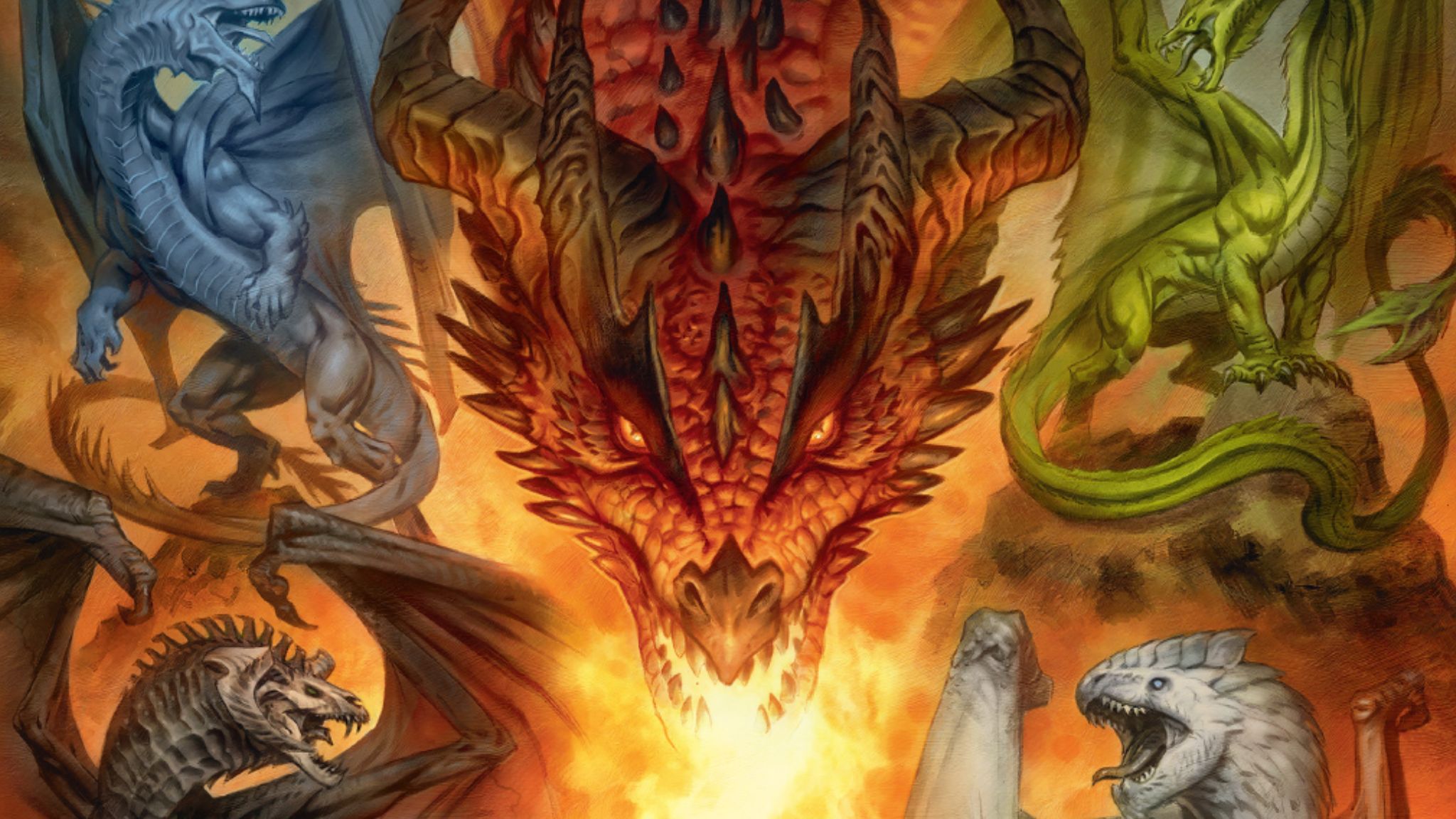
It’s fun to create your own stories for Dungeons & Dragons, but if you’re new to running games – especially shorter, one-time adventures – I recommend using a published adventure to start. It reduces stress and helps ensure the game stays balanced and finishes within the planned time. You can always add your own personal touches, but having a ready-made story with characters and challenges will make things much easier.
I also recommend choosing a story that genuinely interests you. I struggle with social anxiety, which is why the thought of being the center of attention in Dungeons & Dragons has always made me a bit nervous. However, the idea behind Baker’s Doesn’t was so appealing that my enthusiasm overcame my anxiety. I was still worried about being unprepared when asked to improvise, but much less so than I would have been if I hadn’t been invested in the story.
3) Prep the Basics, But Don’t Be Afraid to Improvise
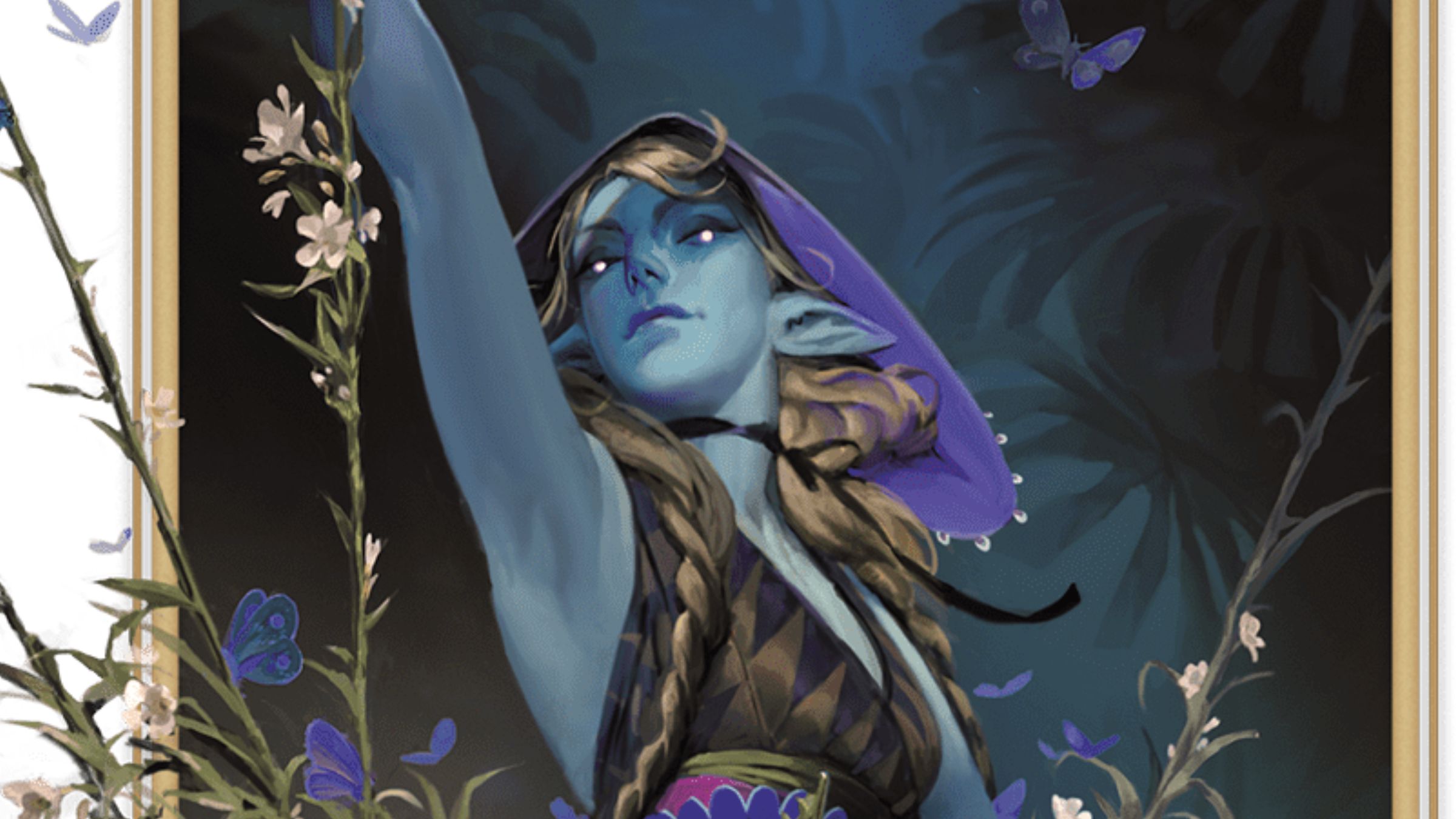
Preparing for a game as a Dungeon Master (DM) can be tough. You can guess what your players might do, but they’ll always find ways to surprise you! Starting with a short, self-contained adventure (a ‘one-shot’) helps limit the possibilities, but you still need to find a good balance between planning ahead and making things up on the spot. I believe in prioritizing fun, and I wanted to bring that same spirit to my DMing. The rules provide a framework, but it’s perfectly fine to bend them a little if it creates a more enjoyable moment for everyone. Even if your spontaneous decisions don’t perfectly align with the published adventure, that’s totally okay.
When I get ready for a one-shot, I always read the adventure a few times through. I jot down important details I want to have handy and bookmark all the monster stats just in case. But I don’t try to memorize everything – my players are unpredictable, and they might just skip whole sections! And that actually happened to me. You really need to be flexible and willing to change things up as you play to keep the story moving or just make sure everyone’s having fun. Running a D&D game is always a bit of improv, and that’s especially true when you’re the Dungeon Master.
2) Nudge Players Along When Needed
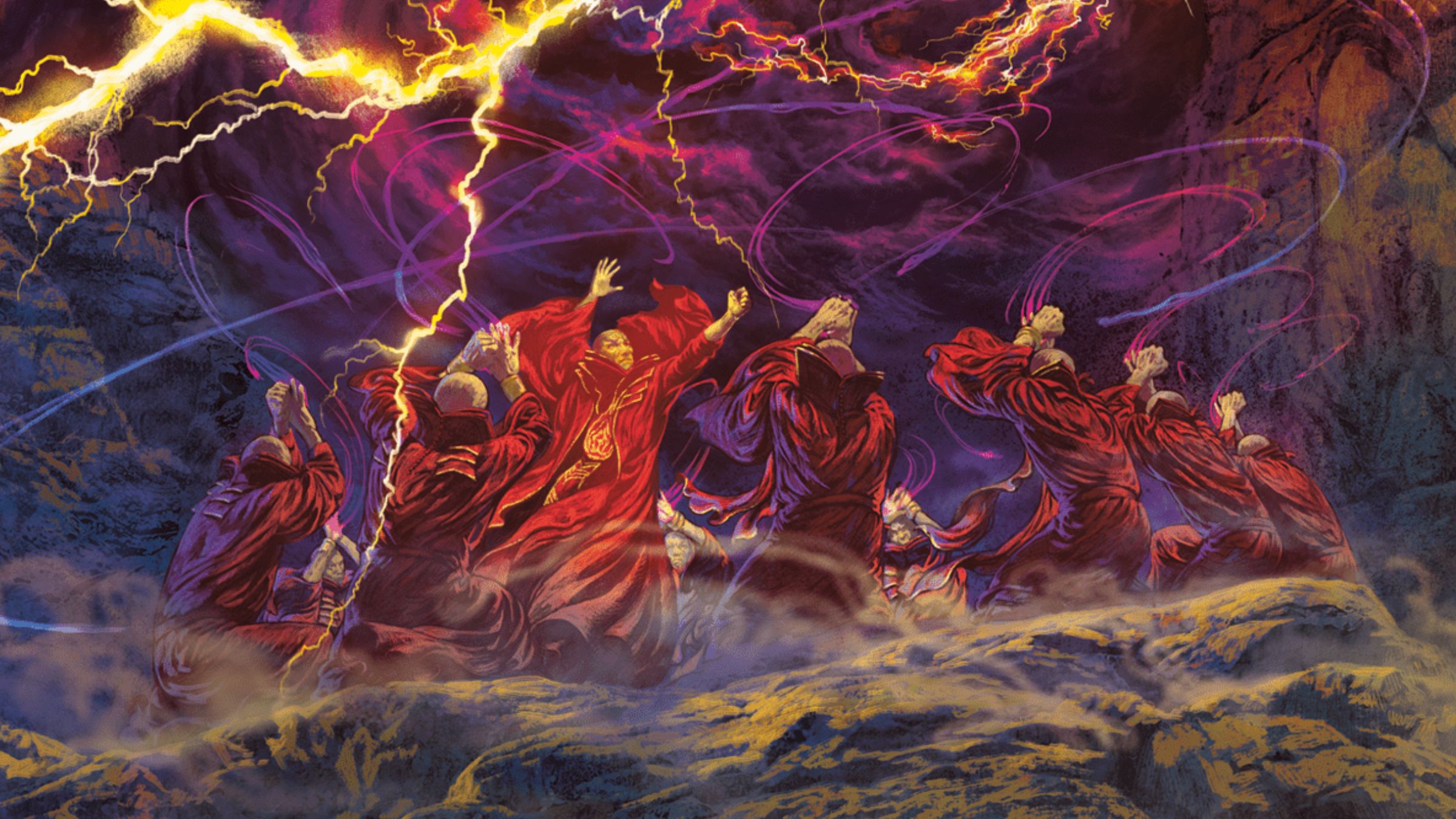
When I’m running a one-shot, I always keep it short and sweet. Whether we finish it in one sitting or spread it over a couple sessions, I try to keep things moving. Honestly, that’s good advice for any D&D game – nobody likes things dragging on! But it’s especially important for one-shots because they’re more focused. If my players are getting stuck, I don’t mind giving them a little nudge in the right direction. It’s all about keeping the fun going!
It’s common for players in longer games to get stuck, and as a DM, that can be challenging. While it’s important to let players make their own choices, it’s perfectly fine to offer a subtle hint from an NPC or re-explain something, highlighting a clue they might have overlooked. You can guide them without forcing a specific outcome, simply by ensuring they’re aware of all their options. This might mean they skip a location you were eager to feature, and that’s okay!
1) Get Right Into the Action
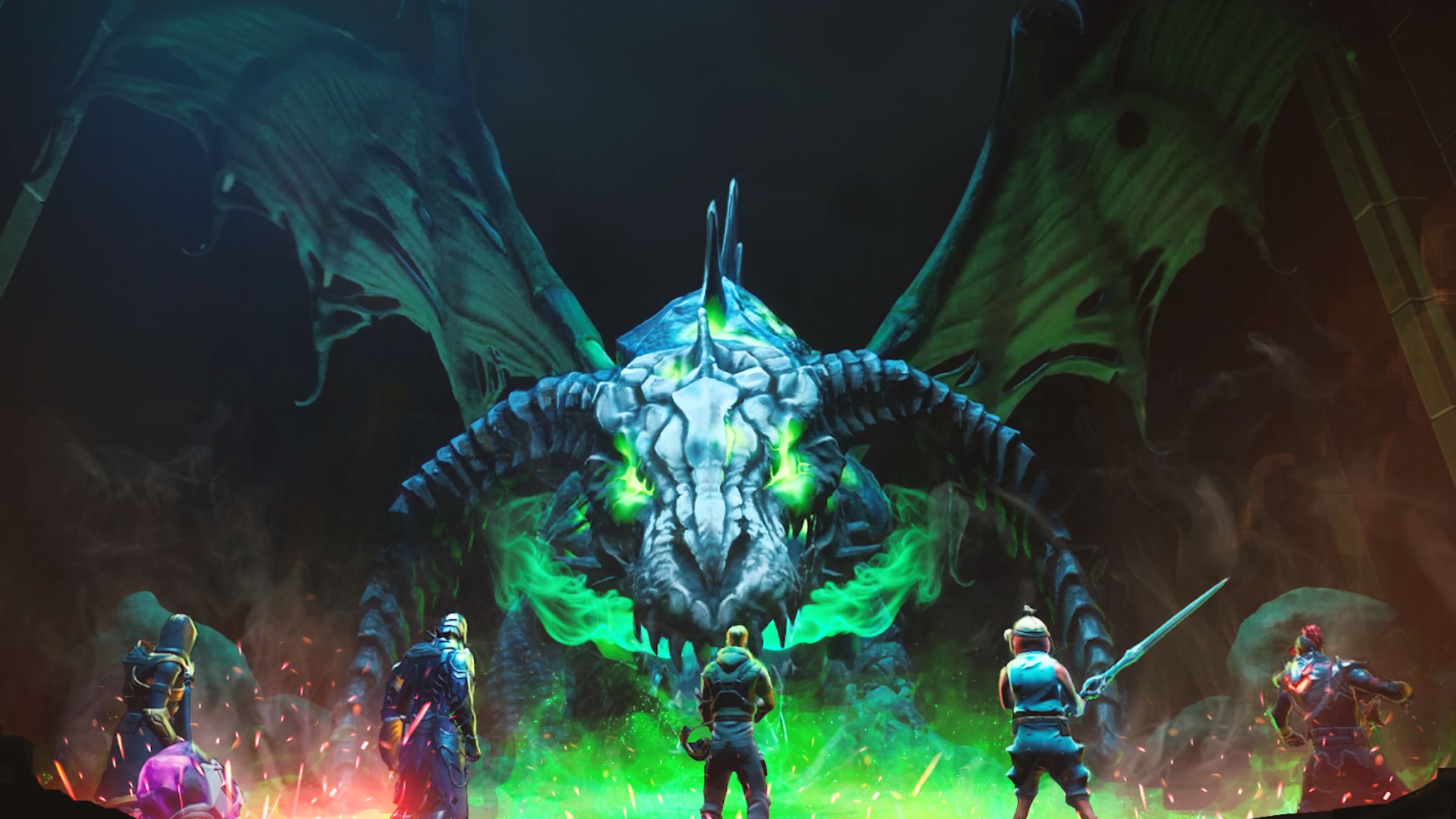
Starting a Dungeons & Dragons campaign can be challenging, especially when it comes to introducing your players and their adventure. While beginning in a tavern is common, consider starting with a one-shot adventure instead. These shorter games move quickly, so jump right into the story! Many one-shots already have a quick setup, and you don’t need a long introduction – feel free to begin with the action already happening.
As a GM, I’ve found it’s best to just start a one-shot adventure! You can have the characters meet during the first scene as they learn about the quest, or just say they’ve been traveling together already. Seriously, skip the long introductions – one-shots are meant to be fast and fun. My last one began with a building catching fire, and the players immediately had to react. It was a great way to kick things off and the story flowed from there. Since you’re not building a campaign that’s going to last for years, you don’t need to worry about tons of backstory. Just jump into the action and, most importantly, make sure everyone has a blast!
Hey everyone, I’m always on the lookout for awesome one-shot adventures to run. If you’ve got a favorite pre-written one you think I’d enjoy, let me know in the ComicBook Forum! I’m really hoping to find something new, so jump in and share!
https://comicbook.com/gaming/list/5-worst-dungeons-dragons-video-games-of-all-time-ranked/embed/#
Read More
- What Song Is In The New Supergirl Trailer (& What It Means For The DC Movie)
- Gold Rate Forecast
- Eurogamer Gives ARC Raiders 2/5 Over AI Voices, Dropping Metacritic Score from 94 to 84
- Crimson Desert – 15 Things I Wish I Knew Before Diving In
- How to Get the Bloodfeather Set in Enshrouded
- Han Solo’s Most Confusing Line in The Empire Strikes Back Isn’t “I Know”
- Steve Rogers’ Return Means the MCU Can Finally Solve Avengers: Endgame’s Last Mystery
- This One Stranger Things Theory Explains a 9-Year-Old Season 1 Mystery, Sets Up the Finale, & is the Key to Future Spinoffs
- 7 Classic TV Shows With Criminally Low Rotten Tomatoes Scores
- Homura Hime coming to Switch 2 in 2026
2026-02-21 21:41