
The Back to the Future movies are a truly legendary trilogy. But when you watch them again, there are a few slightly awkward things you might notice. While the first film is almost universally considered perfect, and the sequels are also highly praised, some issues become apparent on repeat viewings.
Even though many popular movies from the 2010s and 2020s have gotten sequels, reboots, or remakes, the Back to the Future films have remained untouched. Robert Zemeckis and Bob Gale have made it clear they won’t allow a fourth Back to the Future movie to happen, which is good news for fans of the original trilogy (according to The Hollywood Reporter). Unfortunately, this also means the series hasn’t explored potential new storylines or addressed any issues that could have been raised in a continuation.
5) Doc Brown’s Rejuvenation Clinic Is A Dumb Excuse To Make Makeup Easier
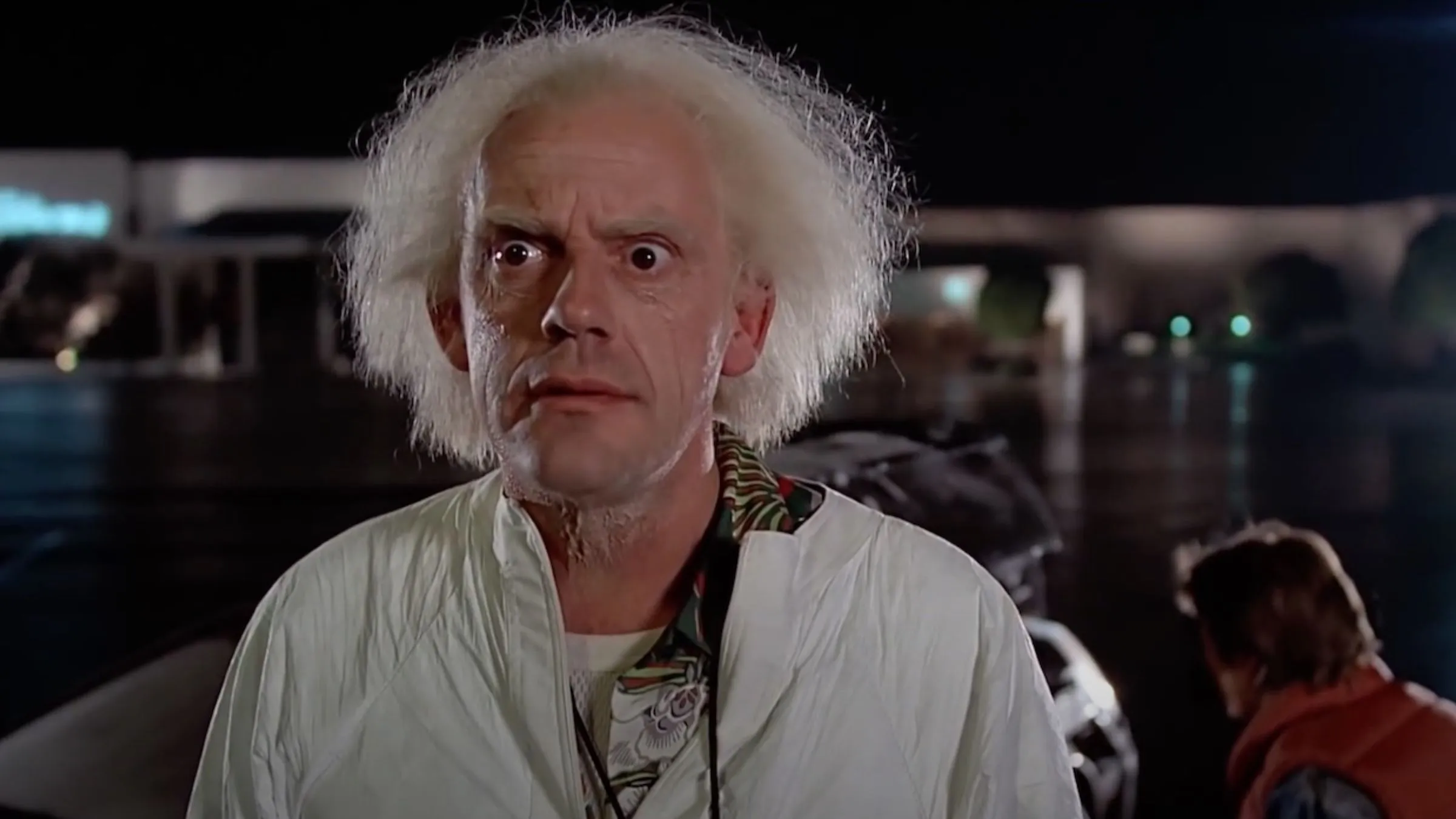
The makeup in the Back to the Future trilogy is particularly noteworthy. Several characters, like George, Lorraine, and Biff, appear as both their younger and older selves, and the transitions between these looks are remarkably smooth. However, the makeup applied to Christopher Lloyd as Doc Brown is arguably the most impressive. Despite being in his 40s, Lloyd convincingly portrays a man in his mid-60s, and the transformation is so realistic that it’s hard to tell the difference while watching the film.
In the beginning of Back to the Future Part II, Doc Brown explains to Marty that he went to a clinic to make himself look younger in 2015. He reveals he’s been using special makeup to appear older, claiming it makes him look about thirty years younger. He then removes the makeup, and appears as his normal self – Christopher Lloyd – for the remainder of the movie.
The ‘rejuvenation clinic’ was really just a way for the filmmakers to avoid having to apply extensive old-age makeup to Christopher Lloyd again – it took a long time, and they likely didn’t want to repeat the process for the sequels. They needed to explain why Doc looked older at the end of Back to the Future, so they came up with the somewhat flimsy excuse of an old man disguise. It’s pretty clear this was a convenient fix for a production problem, and they probably hoped audiences wouldn’t overthink it.
4) Back To The Future’s Cut Scenes Become Really Obvious
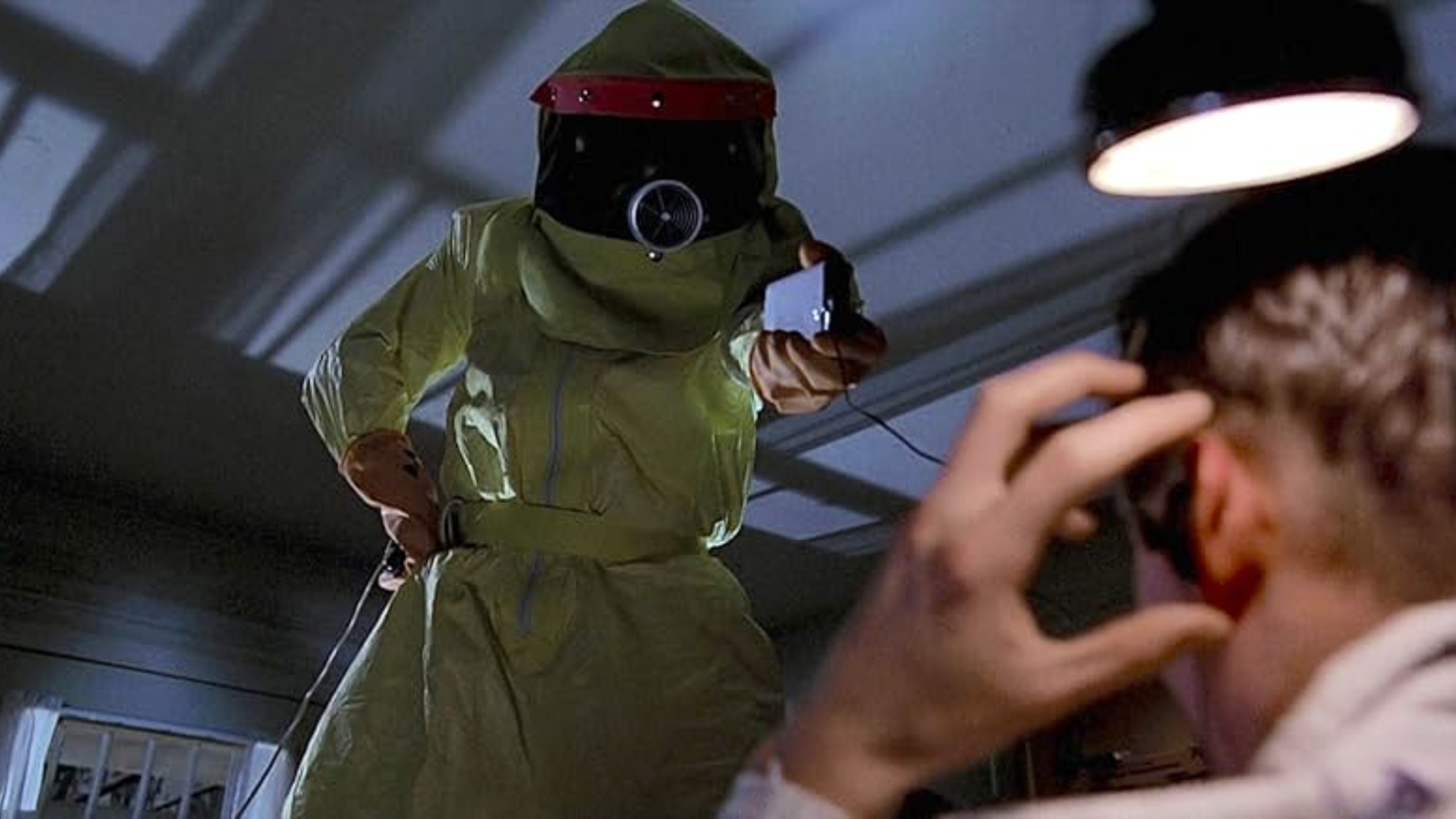
The first Back to the Future movie had several scenes removed, and you might not notice they’re missing on your first watch. However, they become clear when you rewatch it. For example, George McFly unexpectedly eats peanut brittle in the finished film because a deleted scene showed him being pressured to buy a lot of it. Another cut scene explained why Marty has a hairdryer when confronting George – it showed him bringing some of Doc Brown’s things from 1985 to 1955.
3) Crispin Glover’s Replacement Is Really Obvious

Crispin Glover, who played a key role in the original Back to the Future, wasn’t in Back to the Future Part II. This happened for two main reasons: they couldn’t agree on how much he would be paid, and he didn’t like the original movie’s ending, feeling the characters deserved a loving reward instead of money. Because of this, the filmmakers used actor Jeffrey Weissman and a lot of makeup to make him look like George McFly in the sequel.
The change is very noticeable, and the new actor simply doesn’t feel right on screen. They’ve also reduced the character’s role, often keeping him out of focus or hiding his face. But the biggest loss is the fantastic performance from the original actor, who was a highlight of the first film.
2) Back To The Future Part II Is A Little Too Concerned With Special Effects
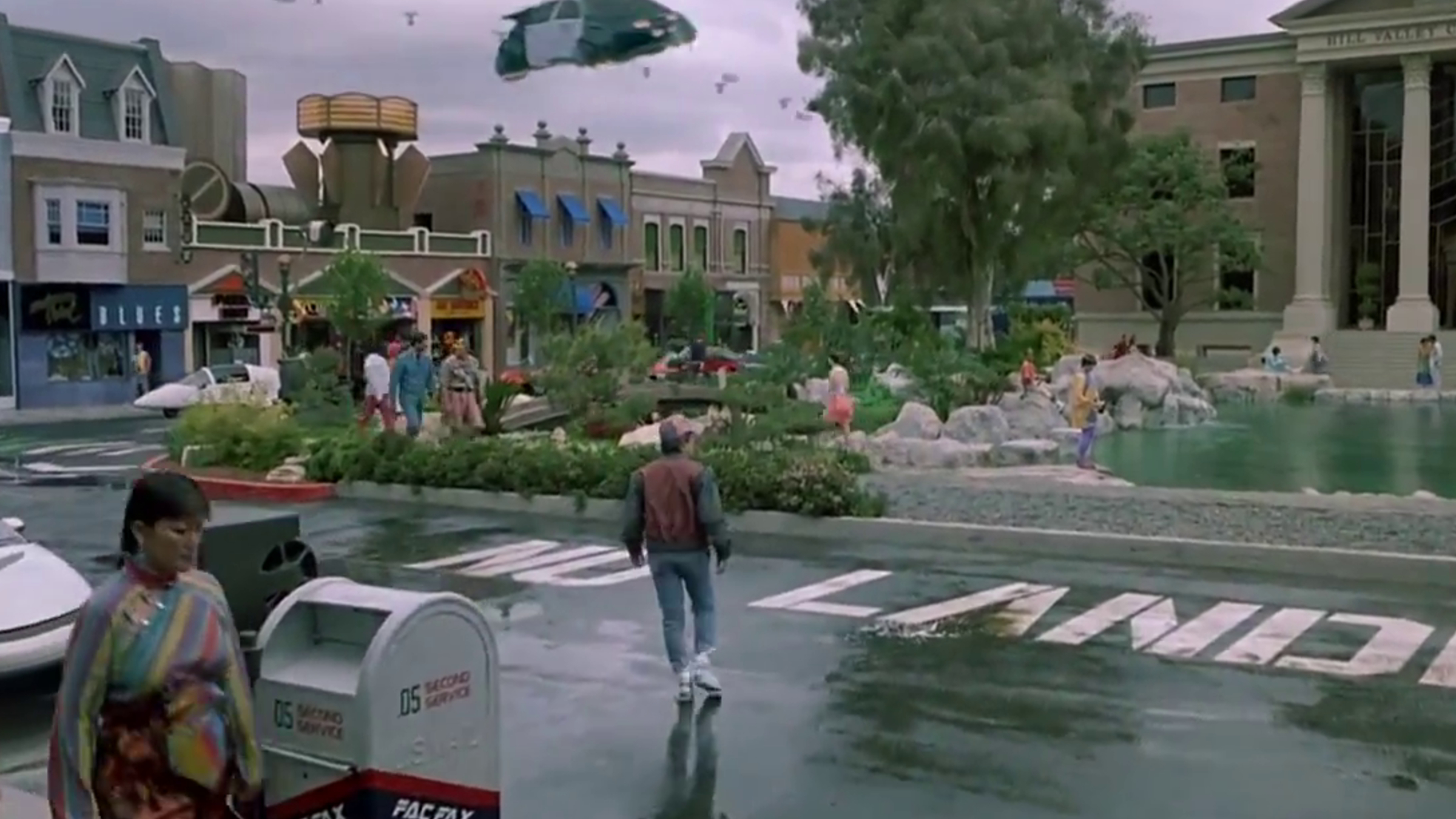
I’ve always been fascinated by Robert Zemeckis. He made some truly amazing films early on, like Back to the Future and Who Framed Roger Rabbit – they weren’t just hits, but really pushed what was possible with special effects. But lately, I feel like he’s gotten too focused on the visuals, and movies like The Polar Express, Welcome to Marwen, and Here just didn’t feel as good as his older work. But you know what’s interesting? Going back and rewatching Back to the Future Part II, I realized this tendency towards style over substance was actually starting to show even back then.
Compared to the first movie, Part II seems overly focused on showing off its special effects. The film frequently displays multiple versions of Marty on screen simultaneously, which, while technically impressive, feels excessive when contrasted with the more understated approach of the original. A prime example is Michael J. Fox playing various members of the 2015 McFly family – a clear demonstration of the film’s makeup capabilities rather than a natural storytelling choice.
1) Biff Tannen Is Far More Evil Than The Movie Treats Him

Throughout the Back to the Future series, Biff Tannen is presented as a funny, but intimidating bully. Despite being the villain, the movies don’t treat his actions with the seriousness they deserve. For example, he sexually assaults Lorraine in the first film and, in Part II, becomes a tyrannical ruler after killing George. While Biff is genuinely malicious, he’s consistently portrayed as a joke. The Back to the Future films are definitely comedies, but the way they handle Biff’s behavior often feels unsettling.
What do you think? Leave a comment below and join the conversation now in the ComicBook Forum!
Read More
- Trails in the Sky 2nd Chapter launches September 17
- Solo Leveling’s New Character Gets a New Story Amid Season 3 Delay
- HBO Max Just Added the Final Episodes of a Modern Adult Swim Classic
- Pragmata Shows Off Even More Gorgeous RTX Path Tracing Ahead of Launch
- Crimson Desert’s Momentum Continues With 10 Incredible New Changes
- All 7 New Supes In The Boys Season 5 & Their Powers Explained
- PRAGMATA ‘Eight’ trailer
- ‘Project Hail Mary’: The Biggest Differences From the Book, Explained
- Frieren: Beyond Journey’s End Gets a New Release After Season 2 Finale
- Dragon Quest Smash/Grow launches April 21
2026-02-09 20:17