Live service games often get a bad rap, and for good reason. When developers rush them out or focus too much on selling items, they can feel empty and repetitive. However, when done well – with substantial updates and reasonable pricing – these games can become thriving communities that evolve over time. The problem isn’t the idea of a live service game itself, but how it’s actually made and maintained.
It’s interesting to see games that weren’t originally intended as ongoing services, but seem built for that model. They often include features like character progression, things to do over and over, and collectible items – all elements commonly found in games designed to be constantly updated. These titles typically get a few expansions and then stop receiving major updates, but with the right approach, they could successfully become long-term, evolving games without sacrificing what makes them special.
5. Nioh 3
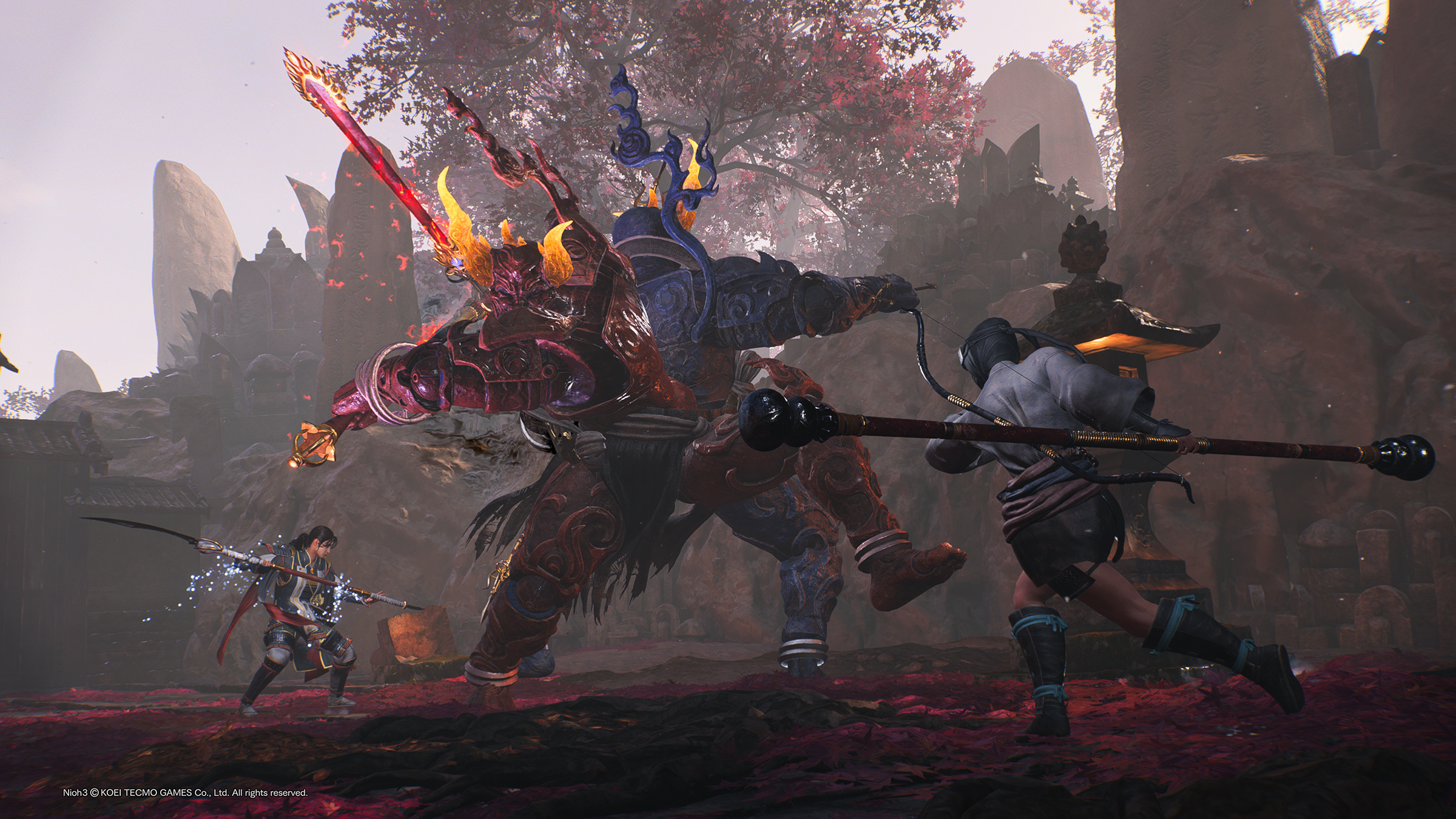
Nioh is starting to feel like a game designed to keep you playing indefinitely. Its complex combat and focus on collecting better gear create a strong urge to constantly improve your character, even after finishing the main story. Missions are designed to be replayed, each weapon type offers a lot to learn, and higher difficulty levels encourage you to revisit familiar content with new strategies. This structure is perfect for ongoing updates, new seasonal content, and additions that keep players engaged long-term.
If Nioh 3 followed the live-service model of games like Destiny 2 or The Division 2, it wouldn’t need a complete overhaul to be successful. Players are already eager for more content – new areas, enemies, and weapons – within the Nioh universe. As long as optional cosmetic purchases are reasonable and major updates add meaningful gameplay features instead of just superficial content, Nioh could become a game players enjoy for years, rather than a fantastic experience that players eventually stop playing.
4. Monster Hunter Wilds
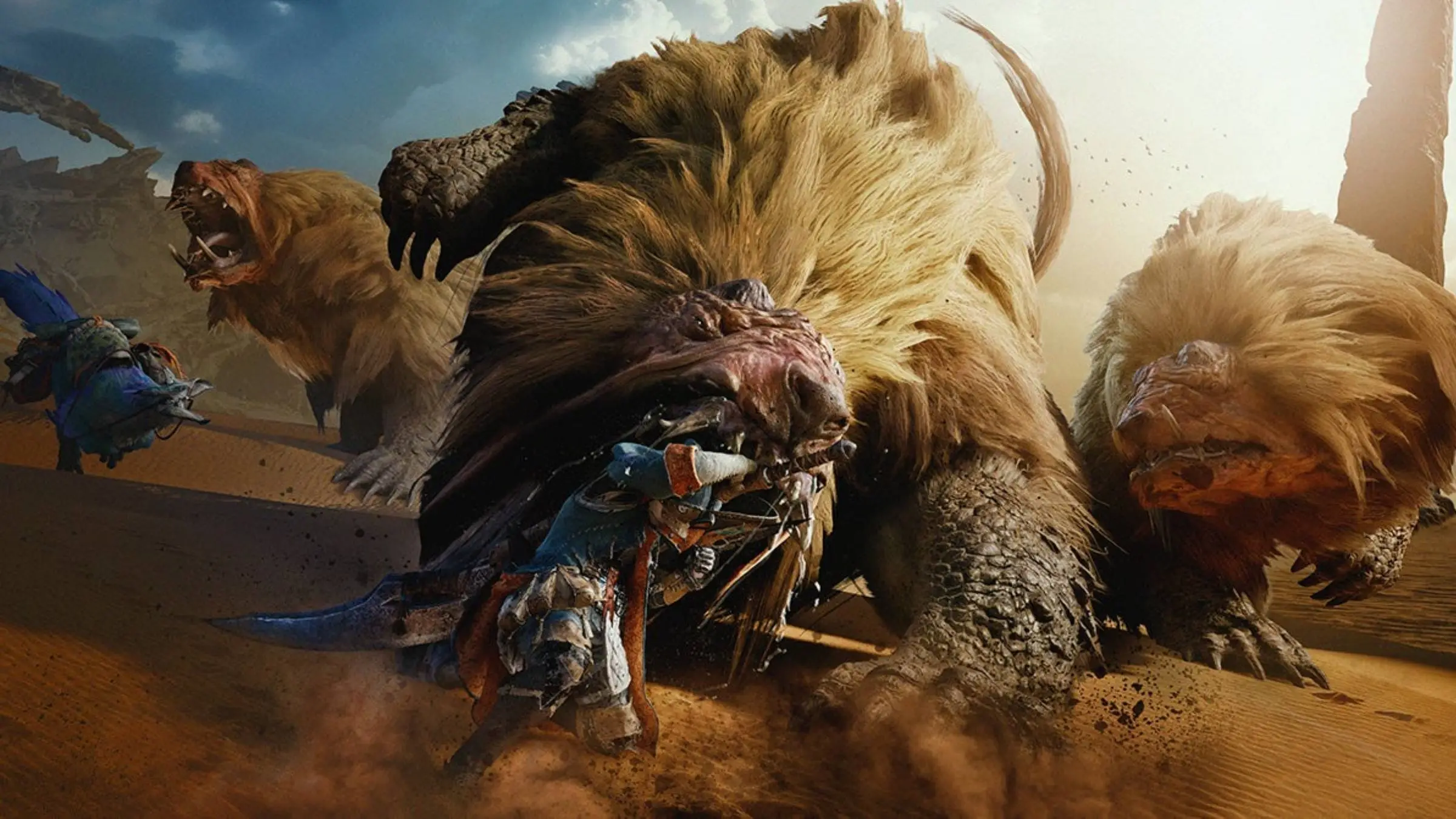
For years, the Monster Hunter series has hinted at the idea of ongoing, updated content, even trying full online games like Monster Hunter Frontier (which is no longer available). Monster Hunter Wilds is designed with this kind of long-term support in mind. The game focuses on a core loop of hunting monsters for resources, using those resources to create better equipment, and then continuing to hunt even more powerful creatures to improve your skills.
Turning Wilds into an ongoing live service game doesn’t mean it needs to become a massive multiplayer online game. Warframe shows that consistently adding new content can work well with its current mission-based gameplay. Regularly introducing new creatures, areas to hunt in, armor, and seasonal events would build on what players already enjoy. Funding these updates through cosmetic purchases, instead of disruptive systems, would be key to keeping the core hunting experience strong.
3. Granblue Fantasy Relink
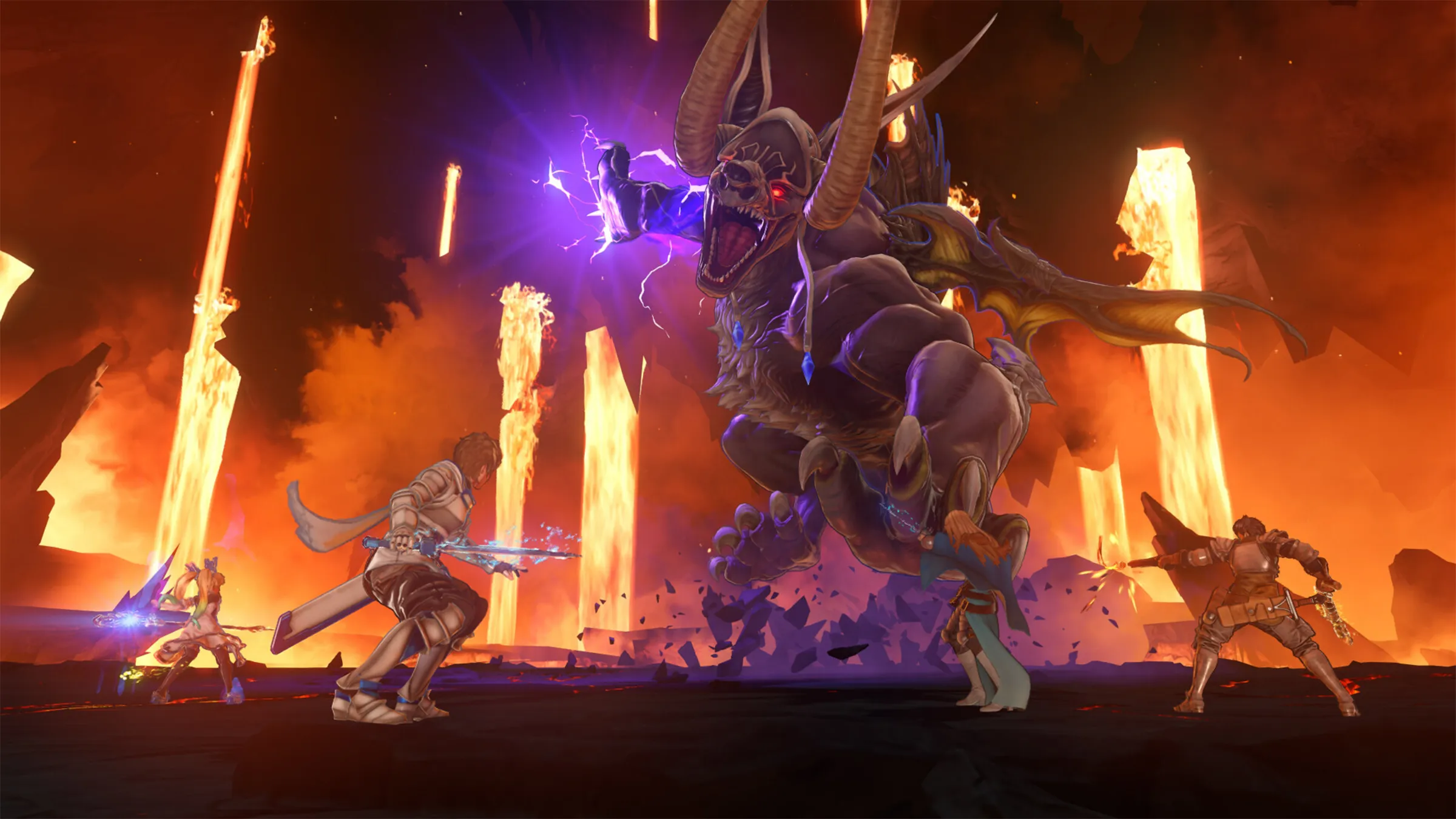
Honestly, a lot of us figured Granblue Fantasy Relink would be a live service game from the start. The way it’s built – with a central town where you prep and then jump into missions – reminded me a lot of games like Phantasy Star Online 2. That core loop of getting ready and heading out on quests is pretty much the foundation of most successful live service titles. So, the fact that it launched as a more traditional, one-time purchase game actually felt a little surprising, and maybe even a bit old-school, compared to what we expected.
The best part of Relink is its characters, and building on that with regular updates – like new heroes, missions, and social areas – would be a great fit for a live service model. Making the central hub a more interactive space where players can connect would strengthen the community, and consistent cosmetic items and larger expansions could provide the revenue needed to keep the game expanding. Considering the solid foundation already built and a major expansion already planned, shifting towards a fully supported live service doesn’t seem risky – it feels like a promising opportunity.
2. Borderlands 4

For a while, a trademark for something called “Borderworlds” led many fans to believe the Borderlands games were going to become a more ongoing, connected experience. This didn’t seem surprising, as Borderlands has always been about finding better weapons, and that constant search for loot fits well with the way many popular online shooters keep players engaged for a long time.
If Borderlands 4 focused on being a game that constantly changes with new challenges and regularly updated loot, it could become more than just a series of expansions. It could become a continuously evolving experience. The trick is to keep the series’ signature wacky humor and fun cooperative gameplay, but avoid using manipulative tactics to keep players hooked. Borderlands doesn’t need those tricks – its excellent shooting and rewarding loot system are enough to keep people playing.
1. Elden Ring / Dark Souls
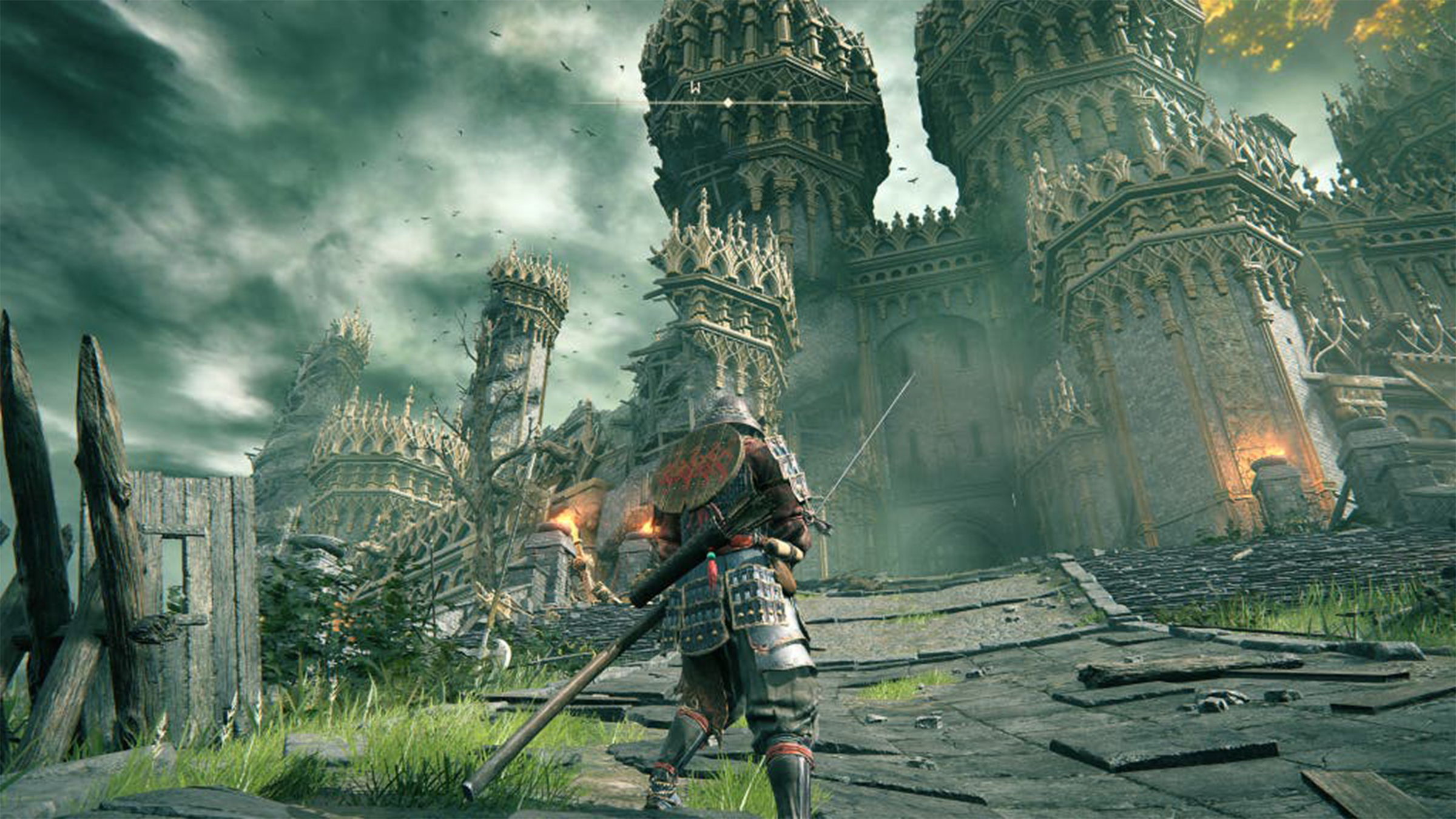
Let’s hear this out! This idea is bound to be divisive, but think about it: Elden Ring proved how captivating a sense of mystery and discovery can be in a vast, unexplored world. What if that feeling returned a few times a year with big, paid expansions – adding entirely new areas, creatures, and lore? It’s not as far-fetched as it seems, as long as these updates are significant and released infrequently, avoiding constant, smaller distractions. The key difference would be that, unlike many games today, major new content in this model would be paid for, rather than free.
It’s definitely possible to expand Elden Ring with ongoing content, as long as it doesn’t impact the game’s quality. The game is so beloved as one of the greatest adventure games ever made that players will likely keep playing for years to come. Plus, FromSoftware has a proven track record, so I have confidence in their ability to deliver. Picture regular, large-scale expansions—similar in size to the Calid region—released a few times each year. That would be amazing! The Roundtable Hold could serve as a central hub that evolves with the new content, while still maintaining the core gameplay features like solo play, co-op, and invasions.
The same idea could work for the Dark Souls games, but on a smaller level. They could fund ongoing development through paid expansions or optional cosmetic items, without sacrificing the quality of the game itself. It would take discipline and a strong commitment to quality, but if any developer could successfully use a ‘live service’ model without ruining the game, it would be one already known for creating immersive worlds that players love and keep returning to.
What do you think? Leave a comment below and join the conversation now in the ComicBook Forum!
Read More
- The Super Mario Galaxy Movie: 50 Easter Eggs, References & Major Cameos Explained
- Sydney Sweeney’s The Housemaid 2 Sets Streaming Release Date
- 10 Best Free Games on Steam in 2026, Ranked
- All 13 Smash Bros. Characters in the Super Mario Galaxy Movie
- Welcome to Demon School! Iruma-kun season 4 release schedule: When are new episodes on Crunchyroll?
- Why is Tech Jacket gender-swapped in Invincible season 4 and who voices her?
- Dune 3 Gets the Huge Update Fans Have Been Waiting For
- Highly Anticipated Strategy RPG Finally Sets Release Date (And It’s Soon)
- Forza Horizon 6 ‘Prologue’ gameplay
- WTH?! Twitter Drops Fake Daredevil: Born Again Season 2 Spoilers as Character Return Confirmed
2026-02-26 23:11