Role-playing games are known for letting players use their imaginations and explore fantastic possibilities. Players can become anyone they want and make choices in worlds that don’t exist in real life. While many games are set in traditional fantasy or sci-fi settings, some take a much more unusual approach. These games break the rules, push boundaries, and often leave players feeling disoriented or questioning their experience.
A truly memorable weird RPG isn’t just shocking – it’s fully committed to its own unique world, no matter how bizarre, thought-provoking, or disturbing. These games draw you in with unfamiliar systems and stories that, over time, become incredibly captivating. Here are five of the strangest RPGs that will confuse, unsettle, and ultimately earn your lasting devotion, even after you’ve finished playing.
5) Hylics
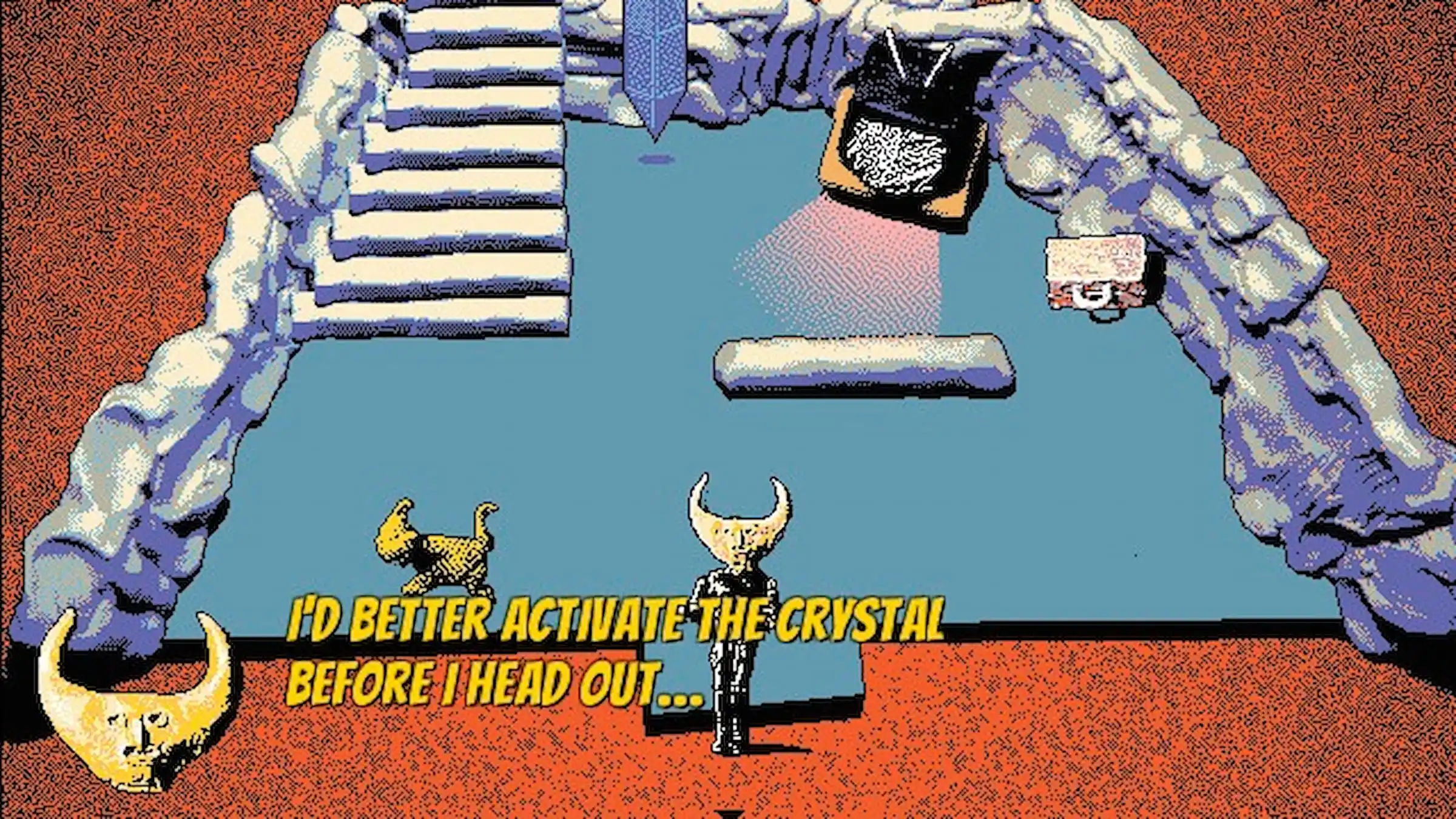
Hylics is intentionally strange. This 2015 indie RPG stands out visually from other games, with its claymation-inspired style. Everything feels handcrafted and a little unsteady, like the game world could fall apart at any moment. Characters move in unnatural ways, the environments feel alive with odd energy, and nothing feels quite real.
The game plays like a classic turn-based RPG, but with a very strange and unusual twist. Even familiar actions feel different – attacks aren’t typical spells, and the game’s menus aren’t always clear. Conversations are also odd, using abstract language that isn’t easy to understand. The game doesn’t explain much, and players are meant to embrace the confusion as part of the experience.
Fans love Hylics because it fully commits to its unique style. It doesn’t try to make sense or appeal to everyone, and instead encourages players to get lost in a strange, dreamlike world with its own rules. The music is incredibly important, making the game feel more like an interactive artwork than a typical video game.
If you’re open to something truly different, Hylics is captivating. It’s not about becoming skilled at the game, but about losing yourself in its world, which has earned it a place among the strangest RPGs ever created. Hylics 2 takes this even further, moving to 3D and bringing the game’s unique clay-like characters and animations to life – somehow making the experience even more bizarre.
4) Planescape: Torment

Planescape: Torment stands out not for its graphics, but for its unique approach to storytelling. The game, set in the fantastical Planescape universe of Dungeons & Dragons, begins with you awakening as an immortal, scarred man who has no memory of his past. Instead of a typical adventure, the game quickly becomes a thoughtful exploration of identity and meaning.
While there is some fighting in Planescape: Torment, the game is much more about talking and making choices. You’ll spend most of your time in conversations with allies, foes, and even strange, otherworldly beings, discussing big ideas like who you are, what you regret, and what life is all about. Many problems can be solved just by talking, and your decisions feel meaningful and personal, not just like simple game mechanics.
The world is wonderfully bizarre. Sigil, known as the City of Doors, is a place where what you believe can actually change reality, and different groups constantly debate what is truly real. You’ll encounter strange characters like floating skulls and living statues, beings who don’t follow typical rules of right and wrong. Forget everything you expect from fantasy role-playing games or Dungeons & Dragons; Sigil doesn’t fit neatly into any established mold.
Players adore Planescape: Torment because it uses role-playing to explore deep, personal questions. The game doesn’t shy away from complex themes and trusts you to think about them. Its unusual nature comes from its commitment to nuanced ideas, making it a remarkably thought-provoking RPG. Very few games have attempted such a deeply introspective and meaningful experience.
3) Moon
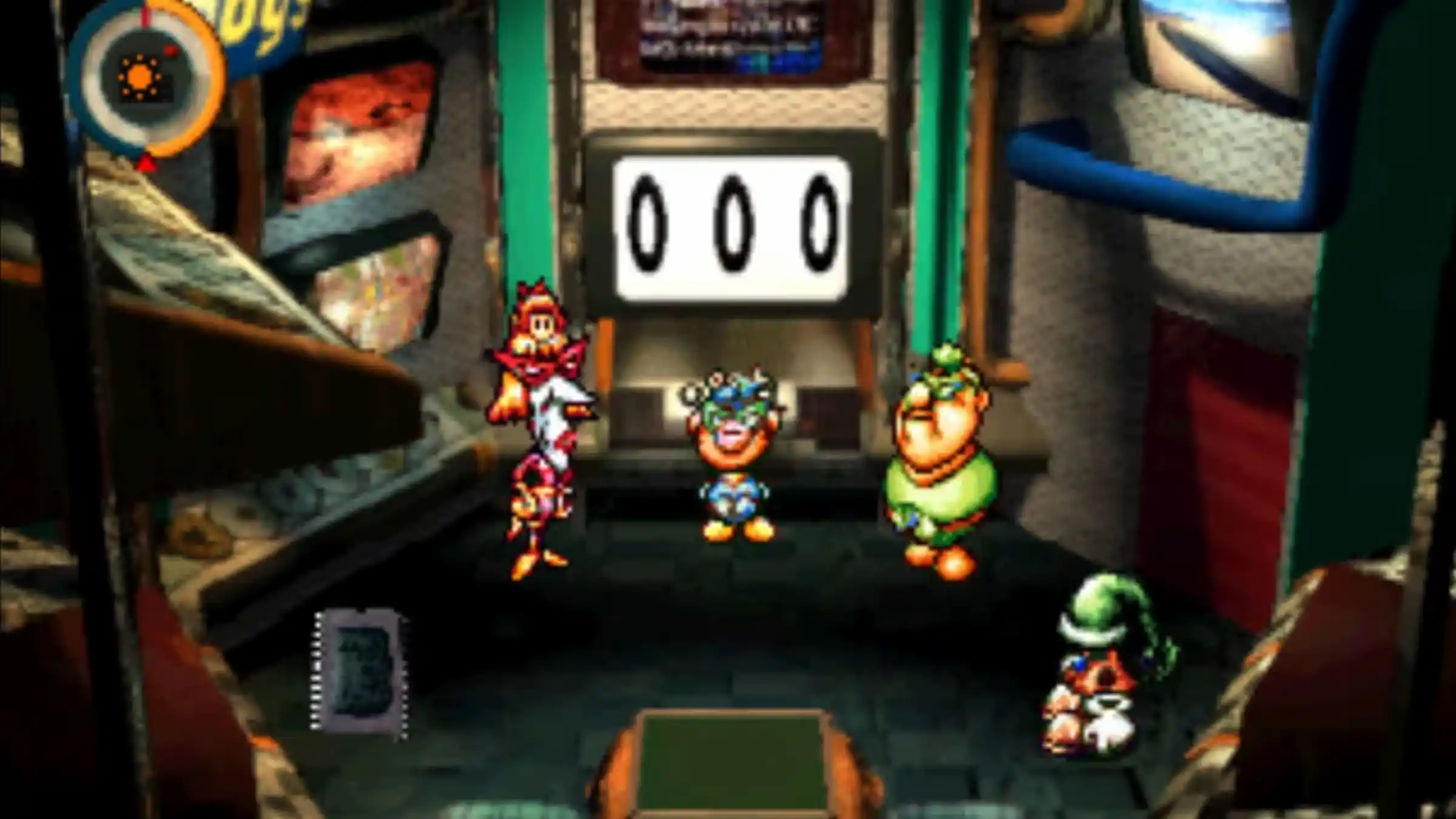
Originally launched in 1997, the game Moon stands out because it does the opposite of what most role-playing games do. Instead of battling monsters to get stronger, you actually heal the creatures harmed by a hero who’s gone wild. The focus isn’t on gaining power, but on understanding and helping others. This innovative idea has influenced popular games like Undertale and Stray Children, offering a fresh and thought-provoking gaming experience that makes players rethink their expectations.
The game focuses on figuring out the daily lives and feelings of the characters you interact with. Time moves forward according to a set schedule, so you’ll need to learn when characters are at their weakest or need help. Unlike many games, there are no levels to gain, no traditional battles, and the game doesn’t tell you exactly what to do. Instead of tracking stats, you’ll measure your success by how much the characters’ emotions change and develop.
The game Moon creates a unique atmosphere that’s both dreamy and a little sad. The music and characters are unpredictable, and the game’s mood swings between funny and touching. It often feels like Moon is playfully challenging players to unlearn everything they know about RPGs. To truly enjoy it, you need to let go of your expectations and experience something completely different.
I absolutely adore Moon. It’s one of those games that really makes you think about RPGs. It doesn’t just follow the usual formula – it takes it apart and asks why so many games rely on violence. But it doesn’t just criticize; it offers something different, something based on kindness and understanding. You can definitely see its impact on other indie games that came after, but honestly, Moon still feels completely one-of-a-kind. It’s just…special.
2) The Elder Scrolls III: Morrowind
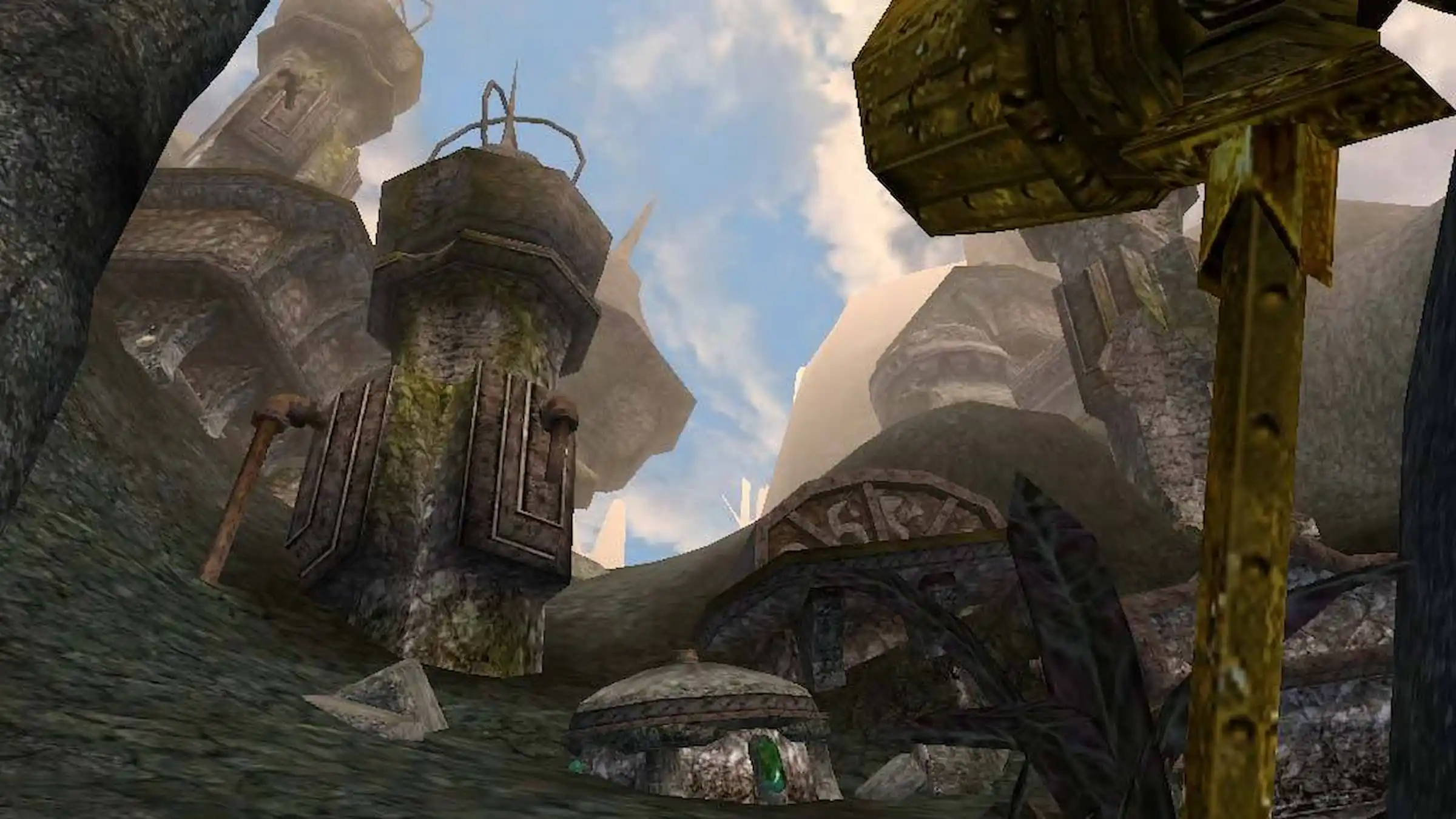
Morrowind is unique because it doesn’t hold your hand or explain its world. Released in 2002, the game throws you into a bizarre land with enormous mushrooms, buildings inspired by insects, and cultures unlike anything you’d expect in a fantasy setting. It’s intentionally unsettling, and feels very different from the other Elder Scrolls games in both its look and story.
The game deliberately makes you feel lost at first. Combat is awkward when you start, it’s easy to get turned around, and quests don’t always give clear directions. You’ll need to pay close attention, explore, and try things out to figure things out. The game doesn’t hold your hand – it asks you to be patient and inquisitive. To thrive, you really need to lose yourself in the world. The Boots of Blinding Speed, which let you run incredibly fast but make you unable to see, perfectly illustrate the game’s willingness to embrace the strange and unusual.
The storytelling in Morrowind is unique and doesn’t follow typical fantasy tropes. The main quest involves prophecies, political intrigue, and characters who may not be telling the whole truth. The game emphasizes that truth is open to interpretation and encourages players to think critically about everything they experience. The world’s history is incredibly detailed, but also full of conflicting accounts, which adds to the game’s complexity and makes it feel remarkably deep. This can make it difficult to fully understand what’s happening, and players are often left to piece things together and draw their own conclusions.
Players love Morrowind because its unique and unusual qualities draw you into the game world. The alien setting makes finding new things feel truly rewarding, and it takes time and effort to become skilled, which makes that achievement all the more satisfying. Many still consider it the best Elder Scrolls game because it wasn’t afraid to be different. Over time, the series has become more predictable, but fans who appreciate the bizarre still cherish the world of Morrowind.
1) Earthbound

Many consider Earthbound to be the best example of a truly unique RPG because it cleverly hides its bizarre nature within a familiar framework. It initially appears to be a bright and cheerful adventure featuring kids, but it quickly reveals a surreal, disturbing, and surprisingly moving story. This unforgettable experience continues to resonate with players and heavily influenced games such as Undertale and Lisa: The Painful.
Battles happen in a classic turn-based style, but you’ll fight strange enemies like haunted road signs, bizarre nightmares, and terrifying cosmic beings. The game’s settings look familiar, but are warped and blend everyday suburban scenes with the illogical nature of dreams. It’s consistently funny, though the humor sometimes shifts into unsettling moments. It’s easy to overlook, but the game is deeply inspired by the quirky, darker themes of Earthbound.
The game starts out lighthearted and funny, but slowly transforms into a deeply unsettling and frightening experience, leading to a truly memorable and disturbing final battle. It delicately examines ideas of growing up, being afraid, and dealing with loss, leaving a lasting impression. Giygas is a boss unlike any other in gaming, and that’s a direct result of the game’s unique and strange backstory.
People adore Earthbound because it creates a uniquely personal experience. Its quirky nature isn’t just for show; it captures the way a child perceives the world – where everyday things can seem scary and even small events feel incredibly important. Very few role-playing games have blended comedy and fear as well, making Earthbound a truly beloved and unusual classic, despite Nintendo’s lack of recognition.
What do you think? Leave a comment below and join the conversation now in the ComicBook Forum!
Read More
- All 13 Smash Bros. Characters in the Super Mario Galaxy Movie
- Why is Tech Jacket gender-swapped in Invincible season 4 and who voices her?
- TV legend Carol Kirkwood reveals the reasons why she decided to retire after 28 years with BBC
- Welcome to Demon School! Iruma-kun season 4 release schedule: When are new episodes on Crunchyroll?
- Sydney Sweeney’s The Housemaid 2 Sets Streaming Release Date
- Highly Anticipated Strategy RPG Finally Sets Release Date (And It’s Soon)
- The Super Mario Galaxy Movie: 50 Easter Eggs, References & Major Cameos Explained
- Dune 3 Gets the Huge Update Fans Have Been Waiting For
- Digimon Is Getting a New RPG in 2026 (And You Probably Missed It)
- MOUSE: P.I. For Hire Loops in Caravan Palace for A Catchy New Track Ahead of April 16 Release
2025-12-25 23:19