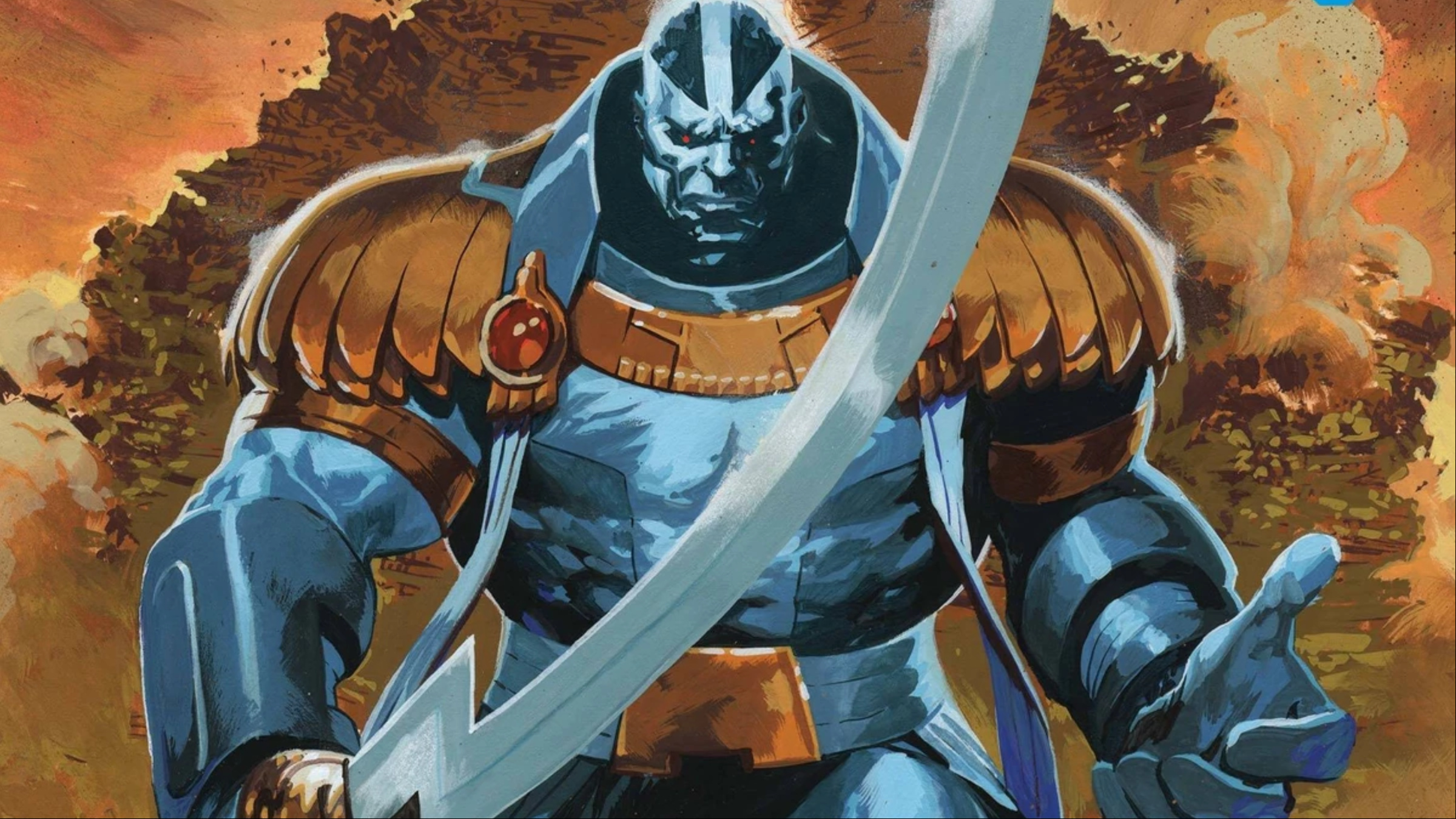
The X-Men have remained incredibly popular for many years, and a key part of their success lies in their compelling villains – especially Apocalypse. Over time, Apocalypse has become deeply connected to the core stories of the X-Men, and this is particularly true in the current ‘Krakoa Era.’ Writer Jonathan Hickman promised a major reimagining of Apocalypse (also known as En Sabah Nur), and he delivered. Hickman not only made the villain central to the new status quo, but also gave him a richer, more developed backstory, even revealing a completely new part of his origin in X-Men (Vol. 5) #13-15.
This new storyline connects to the beginning of the Krakoa era, specifically the “X of Swords” event, and builds on clues and predictions from the House of X/Powers of X series. It significantly developed the character of Apocalypse, more so than any story had in decades, going back to the Rise of Apocalypse miniseries in the mid-90s. Despite being expertly written by Hickman and beautifully illustrated by Leinil Yu and Mahmud Asrar, this story ultimately does a great disservice to the Egyptian mutant. While the Krakoa era has often been innovative and successful, this particular arc unfortunately damages the character.
“X of Swords” Tried to Give Apocalypse Layers but It Ruined Every One of the Character’s Previous Stories
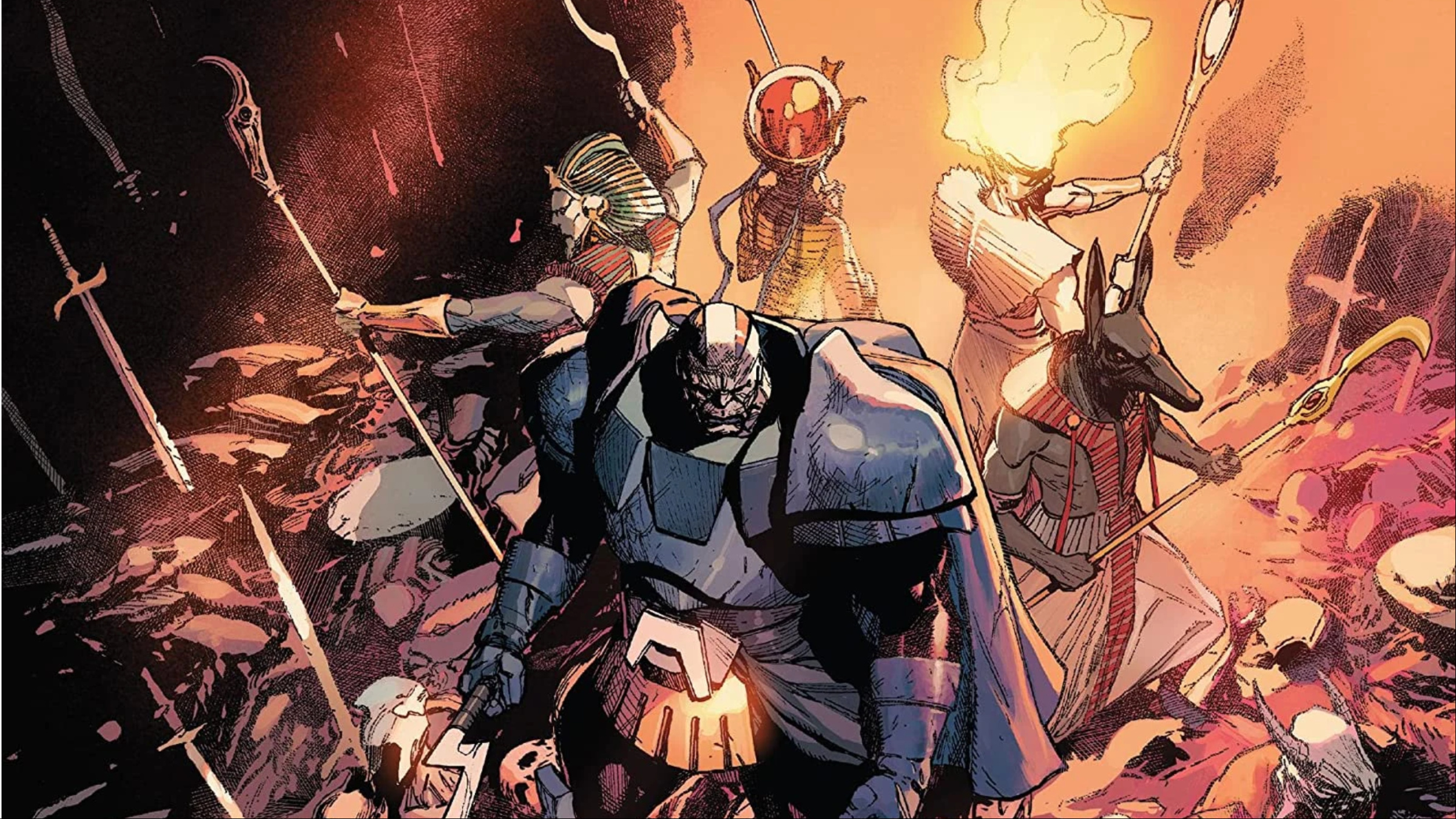
Jonathan Hickman’s run on X-Men (Vol. 5) had its flaws – some storylines weren’t fully developed. However, his portrayal of Apocalypse was a major strength. Apocalypse was a key figure on the mutant island of Krakoa, and every issue he appeared in was excellent. Hickman’s introduction of Arakko began building the story for the “X of Swords” event, with Apocalypse playing a central role. This laid the groundwork for the conflict between Krakoa and Arakko, and X-Men (Vol. 5) fleshed out the history of Okkara, the original mutant nation, and Apocalypse’s place in that ancient civilization.
The story behind issues #13-15 goes back to the origins of En Sabah Nur, also known as Apocalypse, and his discovery of the mutant land of Okkara. There, he met Genesis, who embraced the idea of ‘survival of the fittest’ even more strongly than he did. While Apocalypse focused on the philosophy of Darwinism and acted as a teacher, Genesis was a fierce warrior. They fell in love, had children, and jointly led Okkara. However, Okkara was later attacked by demons from Amenth. The Okkarans fought bravely, but ultimately, they had to split their land into Krakoa and Arakko using the Twilight Sword and send most of their people to Otherworld to continue the fight. Genesis made Apocalypse promise to build a powerful army to defeat the demons someday. The Okkarans, now known as the Arakkii, eventually lost the war and were absorbed into the demonic horde of Amenth.
Initially, this story appears to be a compelling addition to Apocalypse’s backstory, neatly tying into what was happening with the X-Men at the time. However, it has some issues. It significantly elevates Genesis’s role, essentially making her Apocalypse’s teacher. It feels odd that Apocalypse, who had already proven himself by defeating Rama-Tut and gaining his powerful abilities, would be taking guidance from someone he’d just met. The story seems focused on boosting Genesis’s importance, but the biggest problems were yet to surface.
The story fundamentally changed Apocalypse’s core belief – “survival of the fittest” – making it about helping others. Genesis intended for him to spend centuries gathering the strongest beings on Earth, not to conquer, but to protect the world. All his previous actions, from the fall of Okkara to the events of “X of Swords,” were secretly aimed at saving humanity. He could have warned everyone about the coming demonic threat, but instead focused on strength and survival, essentially hiding his true purpose. This was a strange shift in his backstory, as it undermined many of his earlier stories. Making Apocalypse altruistic felt poorly thought out, as it didn’t consider the implications for his established history.
Adding Altruism to Apocalypse’s Origin Made No Sense
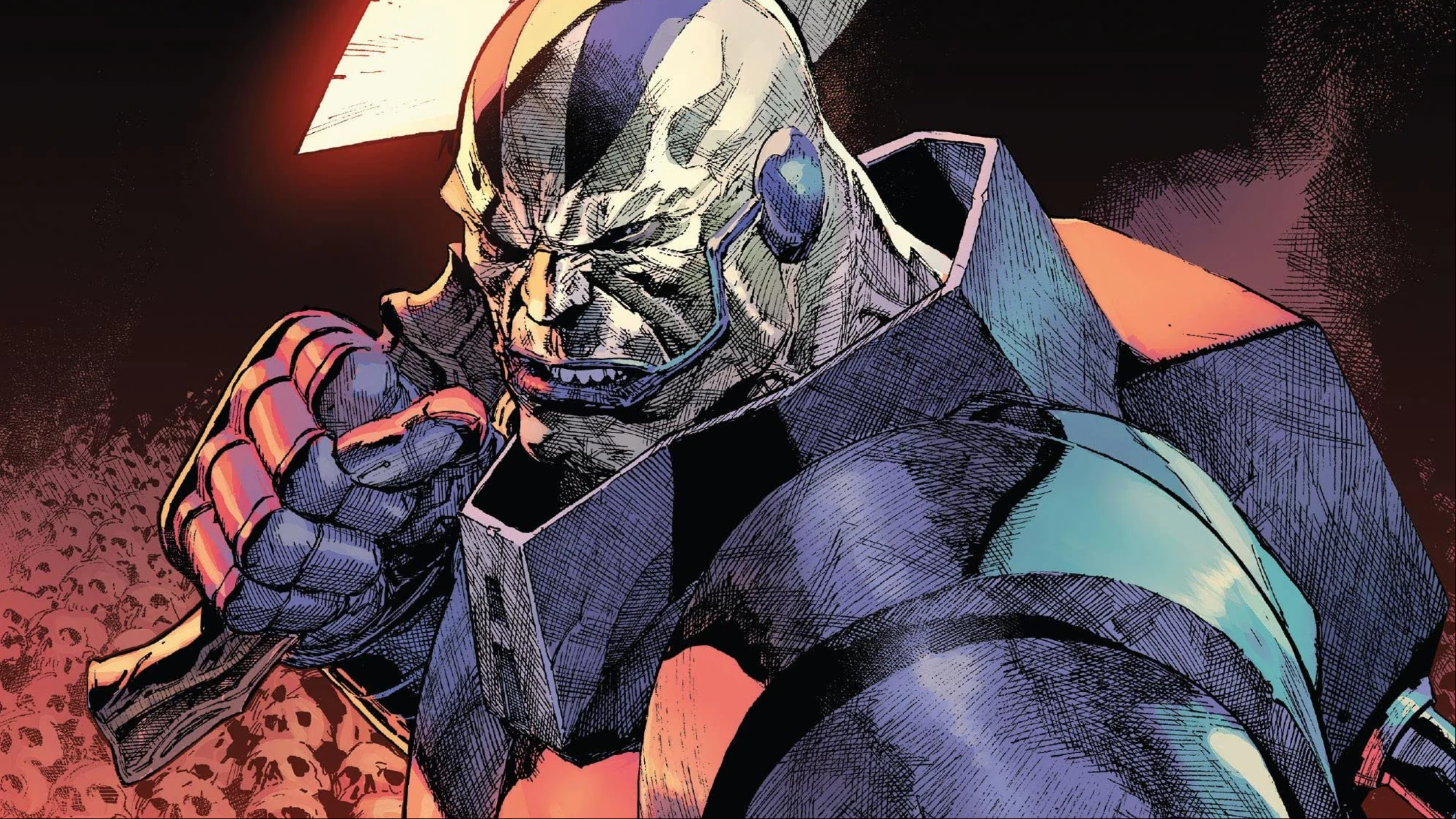
Issues 13-15 of X-Men (Vol. 5) feature wonderfully written flashback stories that reveal key details and deliver thrilling action. Yu’s artwork beautifully depicts the conflict between Okkara and Amenth, and Asrar perfectly captures the final showdown between Apocalypse and Genesis, building on everything we’ve learned to create a powerful, emotional climax. These issues are among the highlights of the “X of Swords” storyline. However, the story significantly altered the character of Apocalypse.
The recent storyline turned Apocalypse into a character primarily defined by his relationship with his wife, which doesn’t fit his established role as the dominant villain of the mutant world. Instead of revealing him as a key originator of Arakkii culture, the story presented him as merely a follower. These changes fundamentally altered his character, contradicting his previous portrayal. While the stories themselves are excellent, they unexpectedly undermine the core identity of a once-powerful villain.
https://comicbook.com/comics/list/the-10-best-x-men-stories-in-marvel-history/embed/#
Read More
- The Super Mario Galaxy Movie: 50 Easter Eggs, References & Major Cameos Explained
- Surprise Isekai Anime Confirms Season 2 With New Crunchyroll Streaming Release
- 10 Best Free Games on Steam in 2026, Ranked
- Sydney Sweeney’s The Housemaid 2 Sets Streaming Release Date
- Why is Tech Jacket gender-swapped in Invincible season 4 and who voices her?
- Preview: Sword Art Online Returns to PS5 as a Darker Open World Action RPG This Summer
- Welcome to Demon School! Iruma-kun season 4 release schedule: When are new episodes on Crunchyroll?
- Skate 4 – Manny Go Round Goals Guide | All of the Above Sequence
- The Punisher: One Last Kill Trailer Review: MCU Special Could Be a Game Changer
- 10 Best Supporting Actress Oscar Wins That Are Indisputable
2025-12-27 00:19