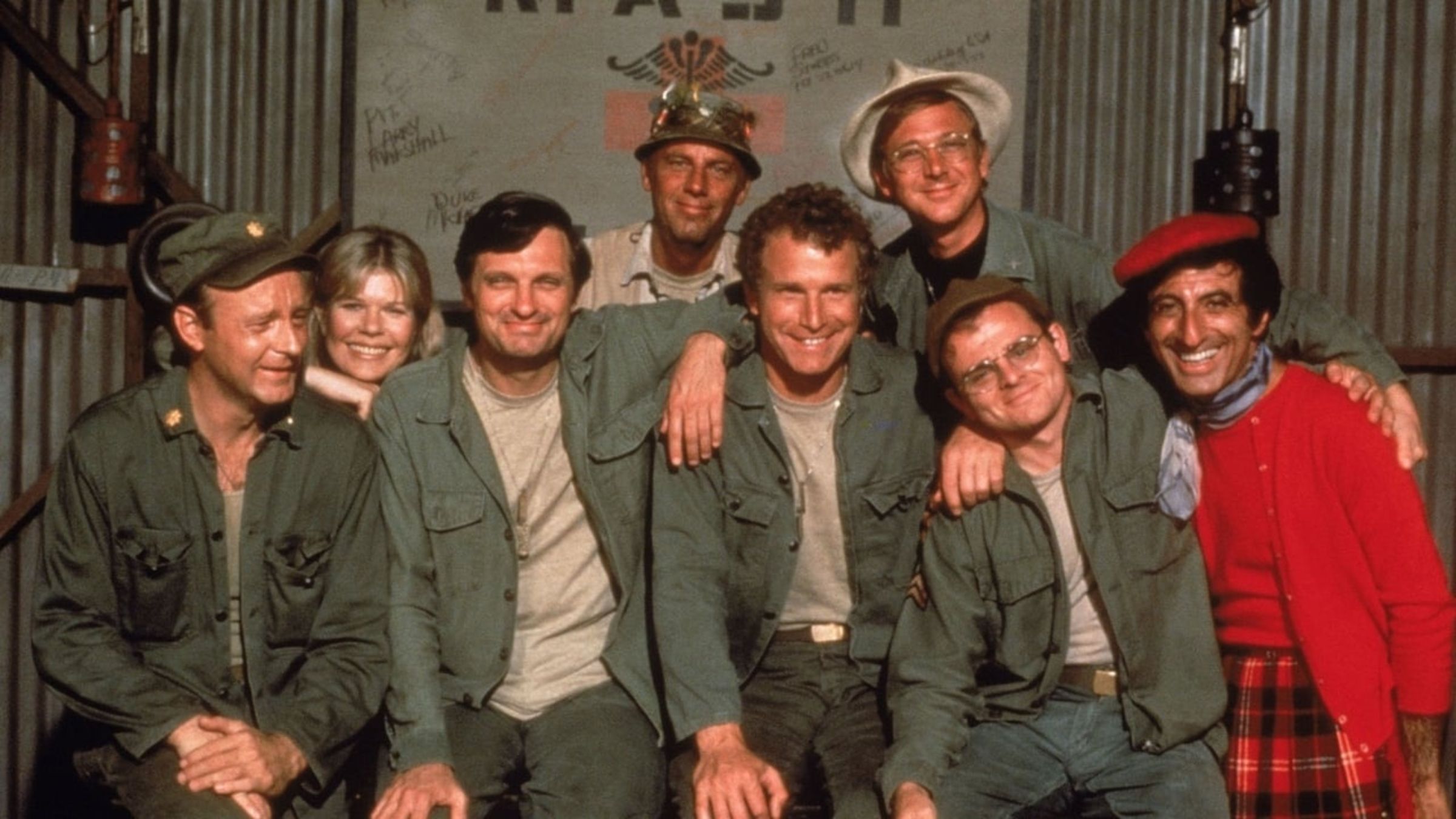
For eleven seasons, MASH was a hugely popular comedy series on TV. The show’s finale, “Goodbye, Farewell and Amen,” was the most-watched TV episode in the U.S. for 27 years, until a Super Bowl drew a larger audience. MASH was so well-loved because it was genuinely funny, but it also wasn’t afraid to get serious when the story called for it – something it did more often and effectively than many other comedies that only occasionally touched on heavier topics.
A prime example of this was the episode “Abyssinia, Henry,” which aired on March 18, 1975. In it, MASH unexpectedly turned a potentially joyful scene into a heartbreaking one, powerfully reinforcing its central theme: war is a terrible experience.
Things Changed Forever on MASH 51 Years Ago Today
The MASH episode “Abyssinia, Henry,” which aired on March 18, 1975, took a surprising turn and left many viewers deeply moved and in tears. MASH is a comedy-drama set during the Korean War, following the staff of a Mobile Army Surgical Hospital. The CBS series, inspired by Robert Altman’s film, centered around the lives of skilled surgeons and roommates Hawkeye Pierce (played by Alan Alda) and Trapper John McIntyre (Wayne Rogers).
McLean Stevenson, who played the beloved company commander Henry Blake, was just one part of the show’s fantastic cast. In the third season, the episode “Abyssinia, Henry” served as Stevenson’s farewell to the series and his character. While Hawkeye and Trapper John continued their usual antics throughout most of the episode, the main storyline revolved around Henry Blake receiving his discharge papers and preparing to return home after earning enough service points. The episode featured several touching scenes as the characters said their goodbyes.
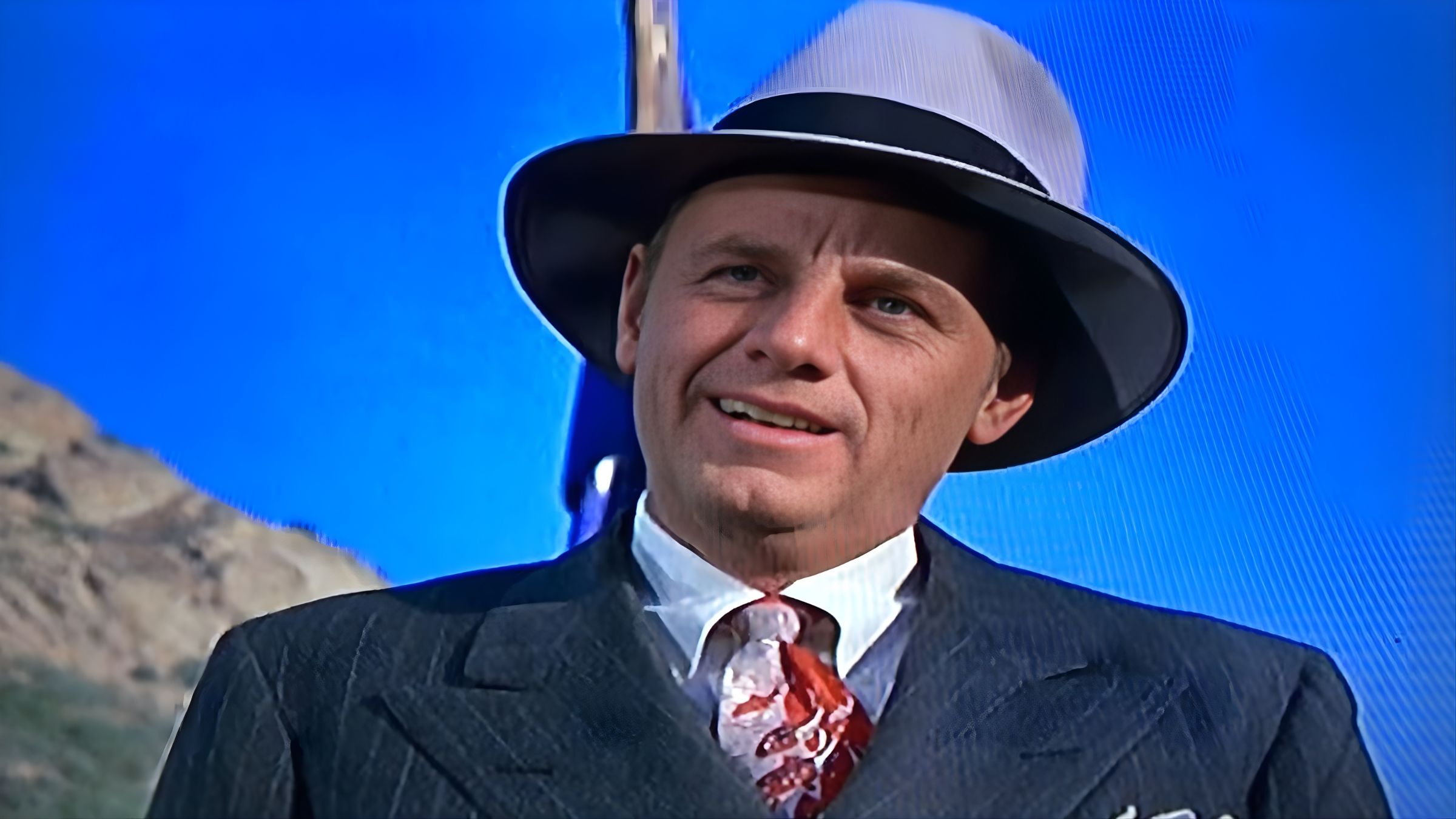
The episode concluded with a shocking and unexpected turn of events. While the doctors at the 4077th were busy performing surgery on injured soldiers, Radar O’Reilly (Gary Burghoff) entered with devastating news. He delivered, word-for-word, a message he’d just received: the plane carrying Henry Blake home had been shot down over the Sea of Japan, with no one surviving. The scene then fell silent, the camera panning across the operating room as the doctors continued their work, visibly heartbroken.
This episode was groundbreaking when it aired and was once named one of the best TV episodes ever by TV Guide. While the unexpected death of Henry Blake was a major part of it, the episode’s real significance was how it changed the show. For three seasons, MASH had been primarily a comedy, but after this episode, the series began to focus more on the grim realities of war. It evolved into a darker, more tragic comedy with increasingly dramatic storylines.
This Was Also Trapper’s Last Episode of MASH
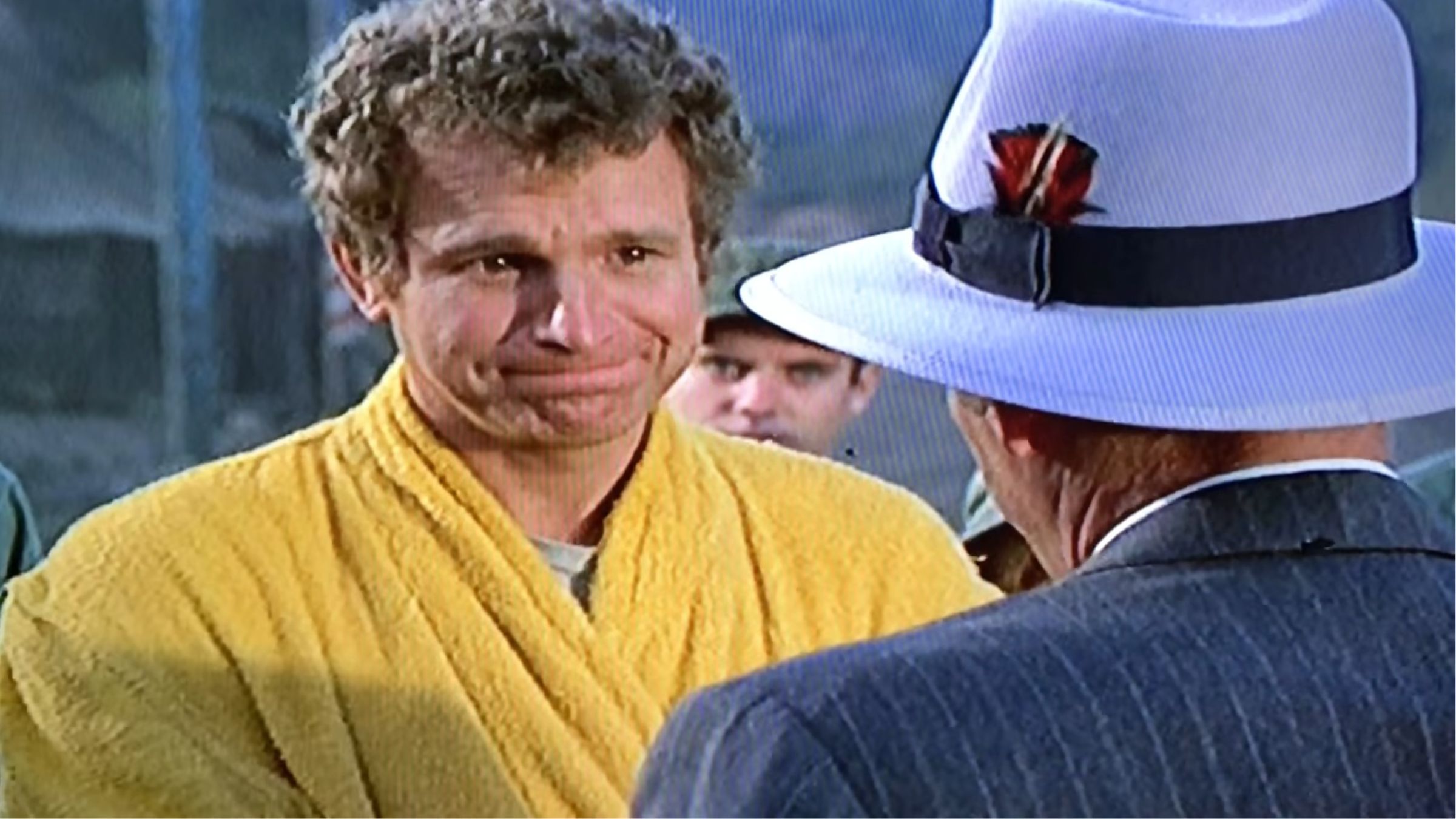
Everyone knew McLean Stevenson was leaving “MAS*H” before his final episode aired, and fans were happy for him as he was moving back to be with his family – though sadly, he passed away shortly after. What surprised viewers was Wayne Rogers’ departure, which wasn’t announced until after the season finished. He had actually quit over the summer, and when Fox tried to take legal action, they failed because he didn’t have a contract. Unlike Blake, Rogers’ character, Trapper John, didn’t die; he simply returned home.
The show handled the character’s exit by not showing it on screen. Instead, Season 4’s first episode, “Welcome to Korea,” revealed he had been replaced by Mike Farrell, who then became Hawkeye’s close friend, B.J. Hunnicutt. Harry Morgan also joined the cast as Colonel Sherman Potter, taking over the role previously held by Henry Blake. As a result of these changes, Jamie Farr, who had been a recurring guest star, was promoted to a main cast member as Klinger.
After the departures of Henry and Trapper John, MASH became a much more serious show. While it had always depicted the grim realities of war – even using the ironically titled song “Suicide is Painless” as its theme – the show shifted its focus. Episodes moved away from the lighthearted pranks of Hawkeye and Trapper John and began to explore the deep psychological impact of war on everyone involved, including the doctors at the 4077th. The series finale, which was a ratings record-breaker, showed Hawkeye emotionally collapsing under the weight of everything he’d witnessed. MASH was a sitcom that could be funny, but it was always powerfully intense, and that final episode, aired 51 years ago, is a major reason why it remains so highly regarded.
What do you think? Leave a comment below and join the conversation now in the ComicBook Forum!
Read More
- The Super Mario Galaxy Movie: 50 Easter Eggs, References & Major Cameos Explained
- All 13 Smash Bros. Characters in the Super Mario Galaxy Movie
- Sydney Sweeney’s The Housemaid 2 Sets Streaming Release Date
- Why is Tech Jacket gender-swapped in Invincible season 4 and who voices her?
- TV legend Carol Kirkwood reveals the reasons why she decided to retire after 28 years with BBC
- Highly Anticipated Strategy RPG Finally Sets Release Date (And It’s Soon)
- Welcome to Demon School! Iruma-kun season 4 release schedule: When are new episodes on Crunchyroll?
- Dune 3 Gets the Huge Update Fans Have Been Waiting For
- Sesame Street Slams “Disgusting” Posts on Elmo’s Account After Hack
- Gold’s March Madness: Plumbing, Panic, and Polish Central Banks
2026-03-19 00:41