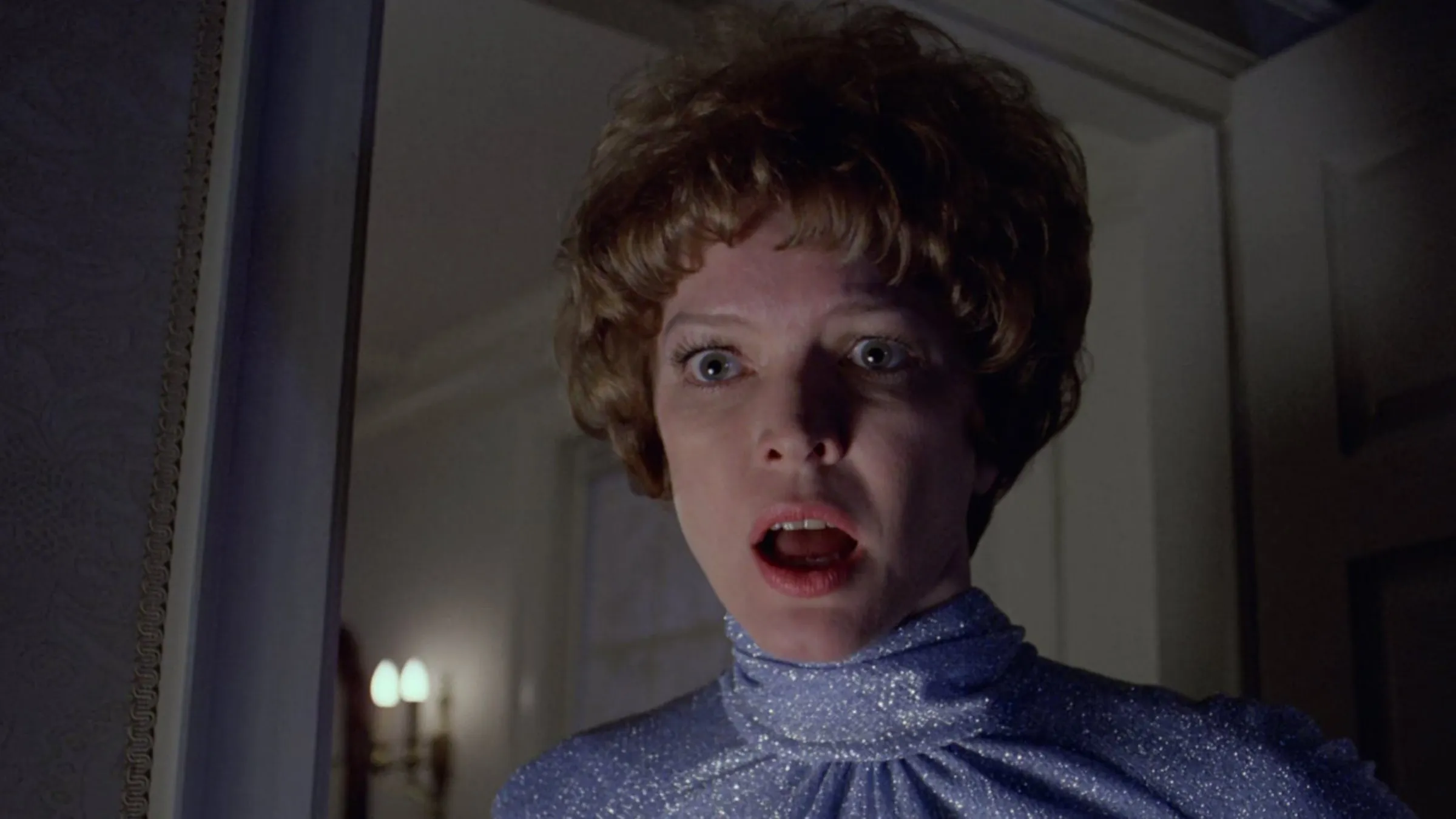
Horror movies have always been popular, but their dominance in Hollywood comes and goes in waves. The 1980s were defined by slasher films, like Halloween from 1978, which were incredibly successful with audiences, even if critics like Roger Ebert didn’t enjoy them. This popularity eventually waned, and horror films became less common in the 1990s until Scream came out. Since then, horror has remained consistently popular, with studios eager to profit from the genre while still giving fans what they want. You could say it all started with a single movie released over fifty years ago.
Today marks the 52nd anniversary of the release of The Exorcist by Warner Bros. Pictures. Unlike today, big, nationwide premieres weren’t common back then – Jaws would later popularize that practice. Instead, The Exorcist initially played in only 20 cities. Despite its frightening themes, audiences flocked to see it, prompting Warner Bros. to quickly expand its release and turn it into a cultural sensation. At the time, the movie was unlike anything the world had ever seen – films like The Texas Chain Saw Massacre were still a year away, and movies such as Hellraiser and The Fly wouldn’t arrive for over a decade. This makes its incredible success even more remarkable.
The Exorcist Created an Entire Subgenre (And Still Hasn’t Been Beaten)
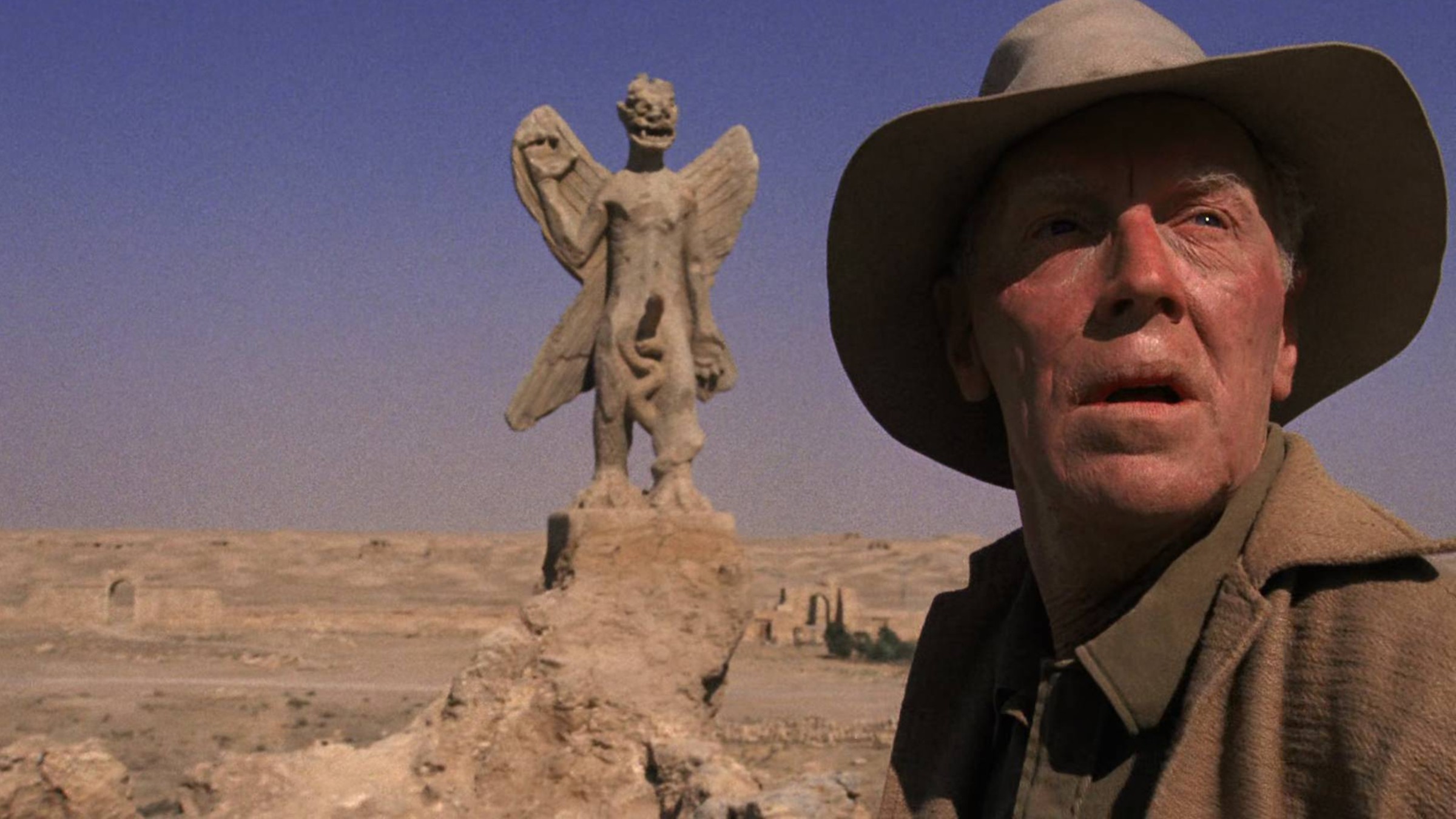
Before The Exorcist came out, very few movies dealt with demonic possession – it wasn’t a recognizable genre like classic monster movies or ghost stories were in the mid-20th century. However, a couple of films explored similar themes beforehand, though they didn’t achieve the same level of success. One was Jack Clayton’s 1961 film The Innocents, which follows a governess who believes the children in her care are becoming possessed by ghosts haunting the house. The other was Il Demonio, a 1963 supernatural film by Brunello Rondi that included a storyline about demonic possession.
The movie The Exorcist, adapted from William Peter Blatty’s novel, didn’t just explore the idea of demonic possession—it presented it in a strikingly realistic way. More importantly, it established a formula that many horror films have followed ever since. This formula typically starts with strange events, then shows an innocent character acting strangely, which escalates to the discovery of a demonic possession. The solution usually involves the church or a determined parent. Before The Exorcist, this pattern didn’t exist in horror, but now it’s incredibly common. Without it, we wouldn’t have many popular movies like the billion-dollar Conjuring series, the Amityville films, or even movies like The Exorcism of Emily Rose and classics such as Evil Dead.
The Exorcist Helped Make Horror Mainstream

Before The Exorcist, horror movies were generally low-budget successes that didn’t typically become blockbuster hits. While some earlier horror films did perform well – like Rosemary’s Baby (1968), which ranked as the 7th highest-grossing film of its year, and Alfred Hitchcock’s Psycho (1960), which came in at #2 – The Exorcist demonstrated that horror could truly captivate a wide audience and achieve massive box office success.
For a long time, successful horror movies were seen as rare exceptions, not a reliable path to profit. Then came The Exorcist. Warner Bros. intentionally stirred up controversy around the film, publicizing the difficulties during production – including the deaths of cast members and a set fire that mysteriously spared the room meant to depict the possession. They combined this with stories of viewers fainting or becoming sick while watching, and strategically released the movie near Christmas, creating a uniquely sensational situation.
When it first came out, The Exorcist was a huge box office success, earning over $193 million worldwide and becoming the top-grossing film of 1973. Remarkably, even though it only played for a week in that year, it continued to earn more than any other movie in both 1974 and 1975 – with the exception of Jaws. While critics were initially divided, The Exorcist quickly gained praise and received ten Academy Award nominations, including Best Picture and Best Director. It ultimately won two awards: Best Sound and Best Adapted Screenplay.
The Exorcist’s Success Convinced Studios to Bank on Horror
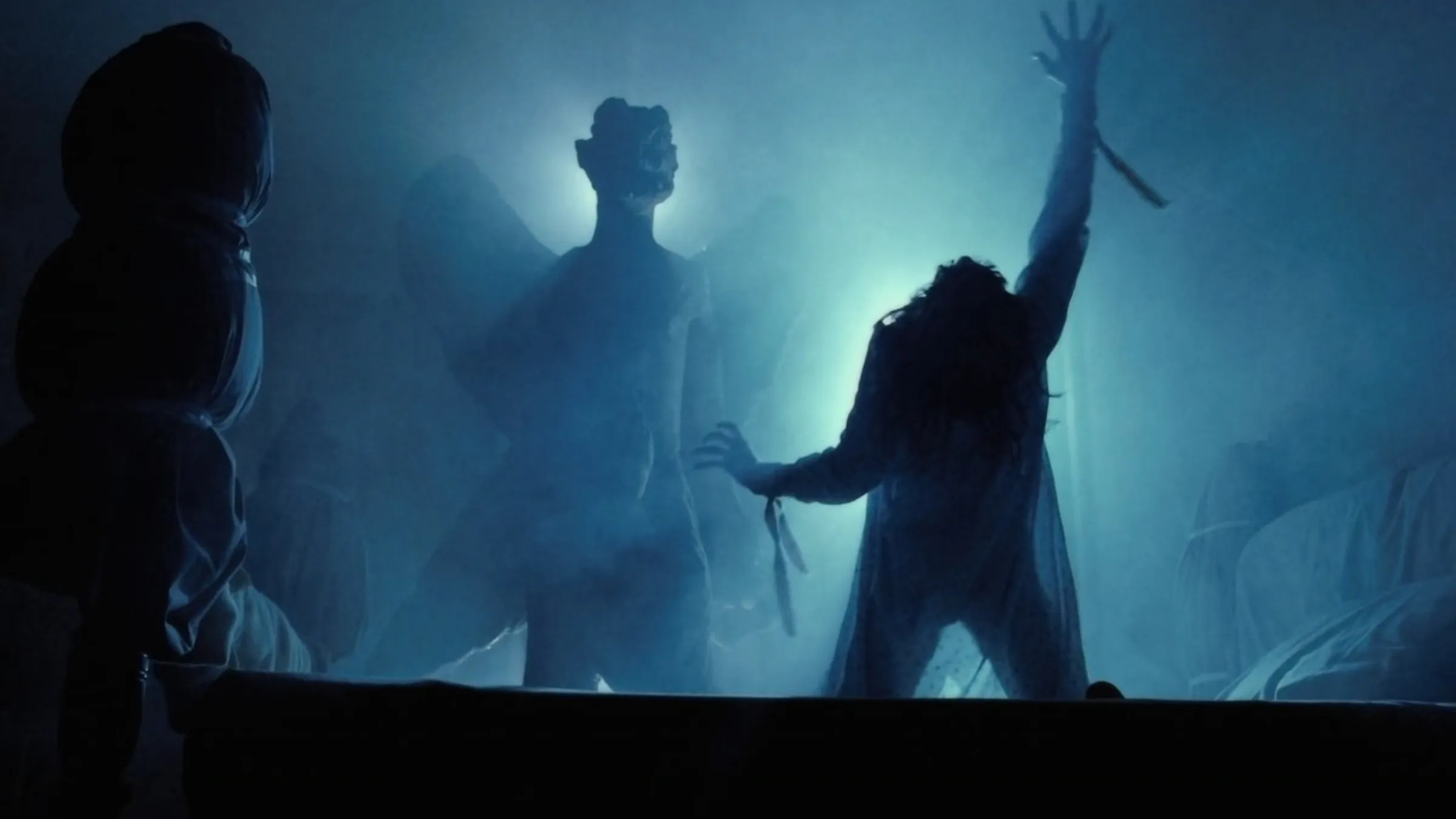
While not the very first horror film made by a major studio, The Exorcist represented a significant shift for the industry, which hadn’t typically focused on horror. There were exceptions – films like Rosemary’s Baby and Psycho, and Universal’s classic monster movies – but most horror films were shown at drive-ins or as the second feature in a double bill. The genre was largely driven by independent filmmakers such as William Castle, Roger Corman, and George A. Romero, who had just released Night of the Living Dead. However, The Exorcist dramatically changed that landscape.
Following the huge success and awards recognition of a certain horror film, it became clear that the genre wasn’t just profitable, but could also attract a wider, more discerning audience. While independent filmmakers continued to lead the way in horror, the major studios started paying much closer attention to the potential of the genre. 20th Century Fox quickly capitalized on the buzz surrounding The Exorcist with two of their biggest horror hits of the 1970s, Race with the Devil and The Omen, and United Artists launched Stephen King’s career with the release of Carrie.
Looking back over fifty years really gives you perspective on how things evolve, and for me, as a horror fan, The Exorcist feels like a total turning point for the genre. Honestly, even if you’re a little Christmassy-ed out, I think it’s worth revisiting Friedkin’s film – it still packs the same punch it did when it first came out!
Read More
- The Super Mario Galaxy Movie: 50 Easter Eggs, References & Major Cameos Explained
- 10 Best Free Games on Steam in 2026, Ranked
- All 13 Smash Bros. Characters in the Super Mario Galaxy Movie
- Dune 3 Gets the Huge Update Fans Have Been Waiting For
- Control Resonant’s Hiss and Mold Are “Way More Complex” Than Before (and More Aggressive)
- Welcome to Demon School! Iruma-kun season 4 release schedule: When are new episodes on Crunchyroll?
- Highly Anticipated Strategy RPG Finally Sets Release Date (And It’s Soon)
- TV legend Carol Kirkwood reveals the reasons why she decided to retire after 28 years with BBC
- Sydney Sweeney’s The Housemaid 2 Sets Streaming Release Date
- Why is Tech Jacket gender-swapped in Invincible season 4 and who voices her?
2025-12-26 18:14