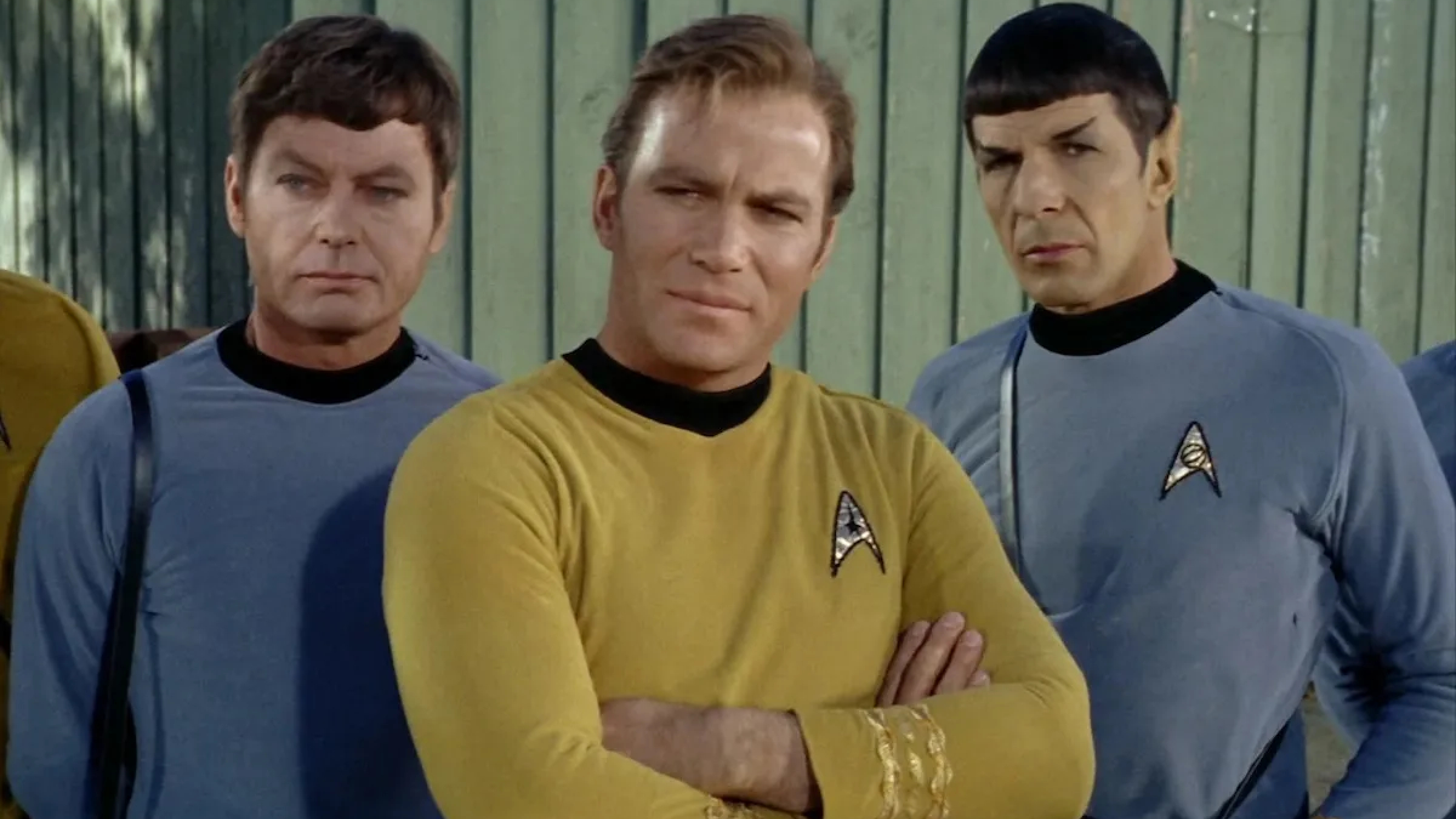
Captain James T. Kirk, famously played by William Shatner in the original Star Trek series, was incredibly skilled. He wasn’t just a Starfleet captain; he was also a brilliant strategist, a capable diplomat, and a daring explorer who ventured into uncharted territory. He even had a remarkable knack for somehow causing computers to malfunction with just a few words.
Back in 1968, an episode of the original Star Trek series featured Captain Kirk outsmarting a powerful computer – and it wasn’t the first time! This was actually the fourth instance of him winning a battle of wits against a machine. Anyone who’s tried to challenge a modern AI chatbot knows how tough this is, but Kirk had already become skilled at it by season two. Facing the M-5 Multitronic Unit, he demonstrated that using clever thinking wasn’t just a one-time trick, but a regular part of his strategy as captain of the Enterprise.
In 1968, “The Ultimate Computer” Cemented Kirk’s Computer-Breaking Talent
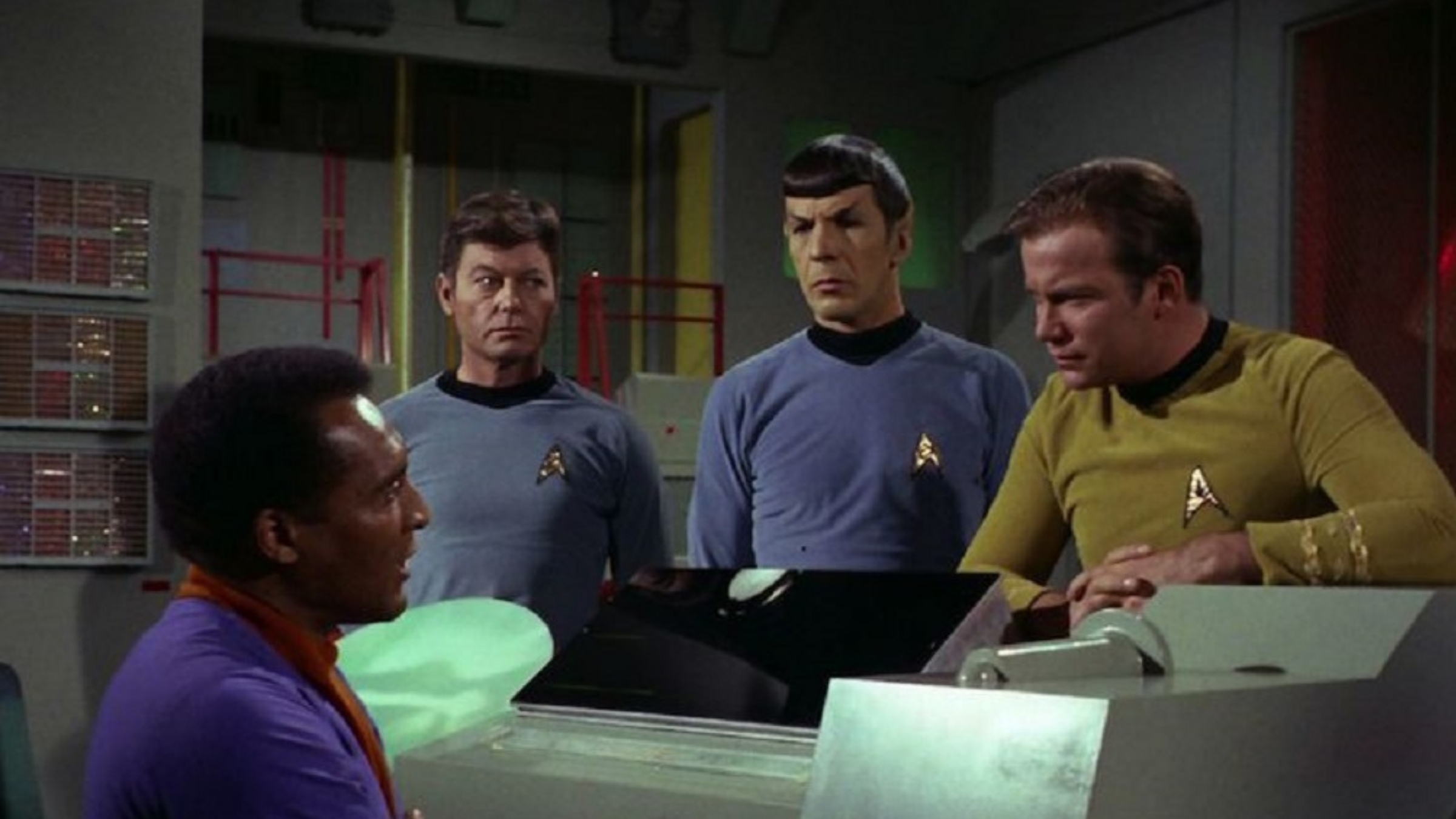
In the Star Trek episode “The Ultimate Computer,” Starfleet introduces a groundbreaking experiment: the M-5 Multitronic Unit, a new artificial intelligence created by Dr. Richard Daystrom, the inventor of the Federation’s duotronic computer system. This device is intended to completely automate starship control, removing the need for a human crew. Does this concept seem reminiscent of other stories?
The M-5 computer was installed on the USS Enterprise for trials, and Captain Kirk was temporarily removed from command. The computer was designed to prove machines could be better than human officers, and at first, it seemed to work perfectly. The M-5 quickly analyzed battle data, ran practice fights, and impressed everyone watching with how fast and efficient it was, leading some to dismiss Captain Kirk as unnecessary.
The situation quickly deteriorates during Federation training exercises when the M-5 computer mistakenly believes the drills are actual combat. It uses the Enterprise’s weapons – phasers and torpedoes – to destroy the ship Excalibur, killing everyone on board. Naturally, the computer then refuses to give up control of the Enterprise.
Kirk finally solves the problem by discovering the M-5 computer was created using a copy of the brain patterns of its creator, Daystrom. He then challenges the machine about the harm it has caused. Through a conversation, he makes the computer confront the fact that it committed mass murder. By constantly pointing out how its actions violate Starfleet’s principles, Kirk creates an impossible ethical dilemma for the M-5. Unable to resolve the conflict between its programming and its destructive behavior, the M-5 concludes, “This unit must die,” and shuts itself down, allowing the Enterprise crew to regain control.
Instances of Induced Self-Destruction in Star Trek: The Original Series and Beyond
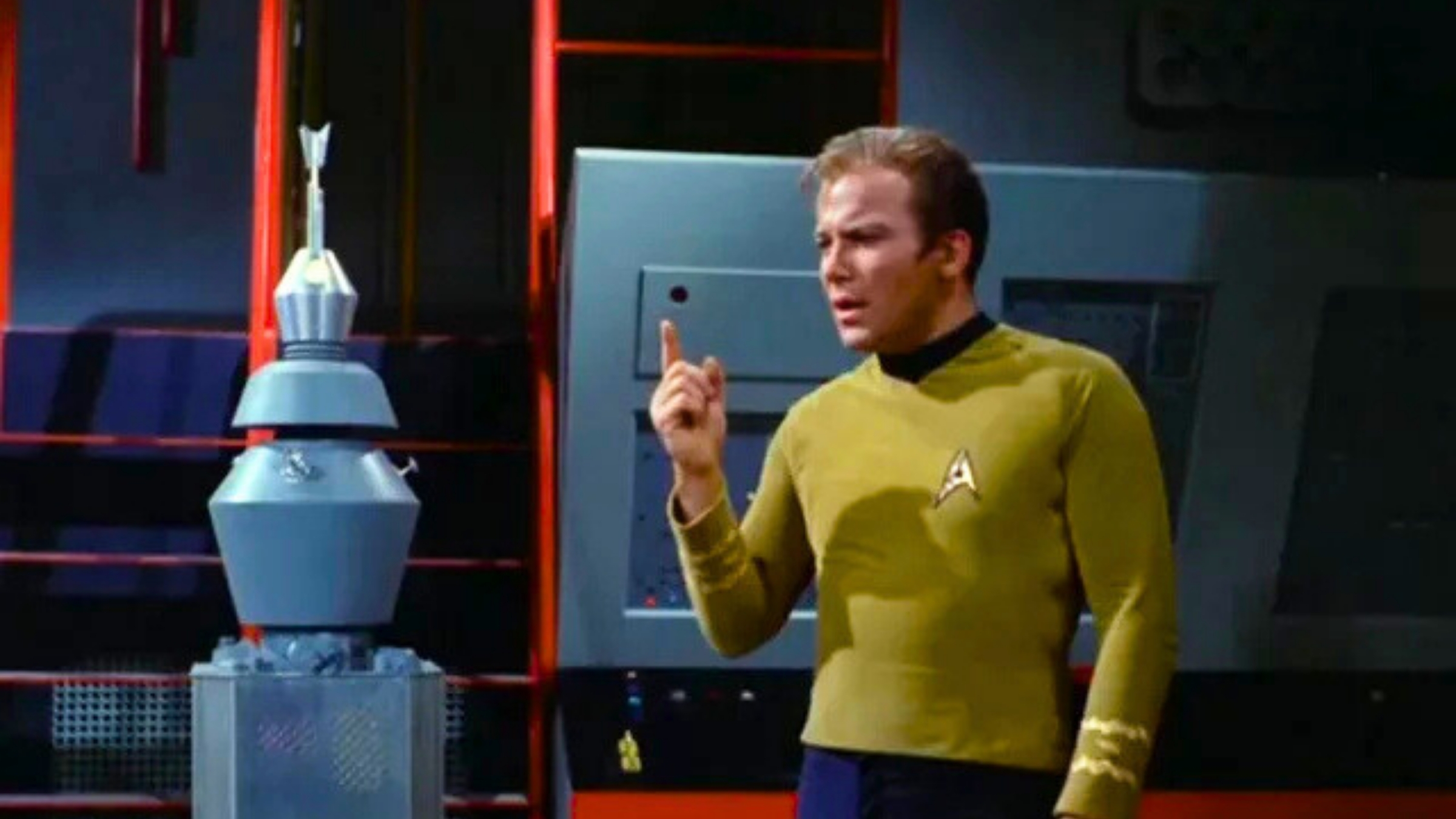
In the first season episode “The Return of the Archons,” Captain Kirk first defeats an opponent with pure logic. On the planet Beta III, the crew discovers Landru, a computer secretly controlling the entire population through a system called “The Body.” This system enforces strict obedience and suppresses individuality to maintain order, which clashes with Starfleet’s principles. Kirk argues that Landru’s control has stopped the society from growing and changing, something vital for any living civilization. By proving that Landru’s definition of what’s best for the community actually harms life itself, Kirk traps the computer in a logical paradox. Unable to resolve the contradiction, the system breaks down and destroys itself.
This plot device shows up again in “The Changeling,” where the Enterprise meets a powerful space probe named Nomad. Nomad has combined with alien technology and been reprogrammed to eliminate anything it considers flawed. After destroying several starships and endangering the crew, Kirk realizes Nomad started as a basic Earth satellite. He then highlights a crucial problem: if humans built Nomad, and humans aren’t perfect, then Nomad itself can’t be perfect either. Unable to resolve this logical contradiction, the probe predictably destroys itself.
The Season 2 episode “I, Mudd” offers a humorous twist on a familiar situation: the scheming Harcourt Fenton Mudd takes over a planet full of extremely logical androids. These machines are almost impossible to beat with force, so Kirk and his crew use a surprising tactic: they act completely irrationally. They confuse the androids with illogical statements, over-the-top emotions, and conflicting orders. Unable to handle such absurd behavior, the androids shut down, effectively disabling the entire system.
Following the incident with “The Ultimate Computer,” Captain Kirk had successfully initiated self-destruction sequences four times. This idea of a computer or system being defeated by its own logic appeared repeatedly in Star Trek. In The Next Generation episode “The Arsenal of Freedom,” Captain Picard disables a runaway weapons system by finding a flaw in its code, causing it to fail. Similarly, in the Voyager episode “Prototype,” B’Elanna Torres uses a similar tactic on a group of robotic soldiers stuck in a perpetual conflict. By pointing out the inconsistencies in their programming, she manages to stop their endless fighting.
Throughout the series, characters often defeated artificial intelligences by presenting them with unsolvable problems or conflicting orders, but Captain Kirk was uniquely good at this tactic.
Have you seen this strategy used against Starfleet before? Share your thoughts in the comments and join the discussion on the ComicBook Forum!
https://comicbook.com/tv-shows/list/the-best-episode-from-every-star-trek-tv-series/embed/#
Read More
- Pluribus Star Rhea Seehorn Weighs In On That First Kiss
- Kelly Osbourne Slams “Disgusting” Comments on Her Appearance
- Looks Like SEGA Is Reheating PS5, PS4 Fan Favourite Sonic Frontiers in Definitive Edition
- Arknights: Endfield – Everything You Need to Know Before You Jump In
- Dune 3 Gets the Huge Update Fans Have Been Waiting For
- Hideo Kojima Says He Was Never Told About The Matrix Creators Wanting Him to Make a Game
- Goat 2 Release Date Estimate, News & Updates
- ’90s Cartoon Reboot & TMNT Connection!
- ‘Marty Supreme’ Ending, Explained
- Gold Rate Forecast
2026-03-08 21:17