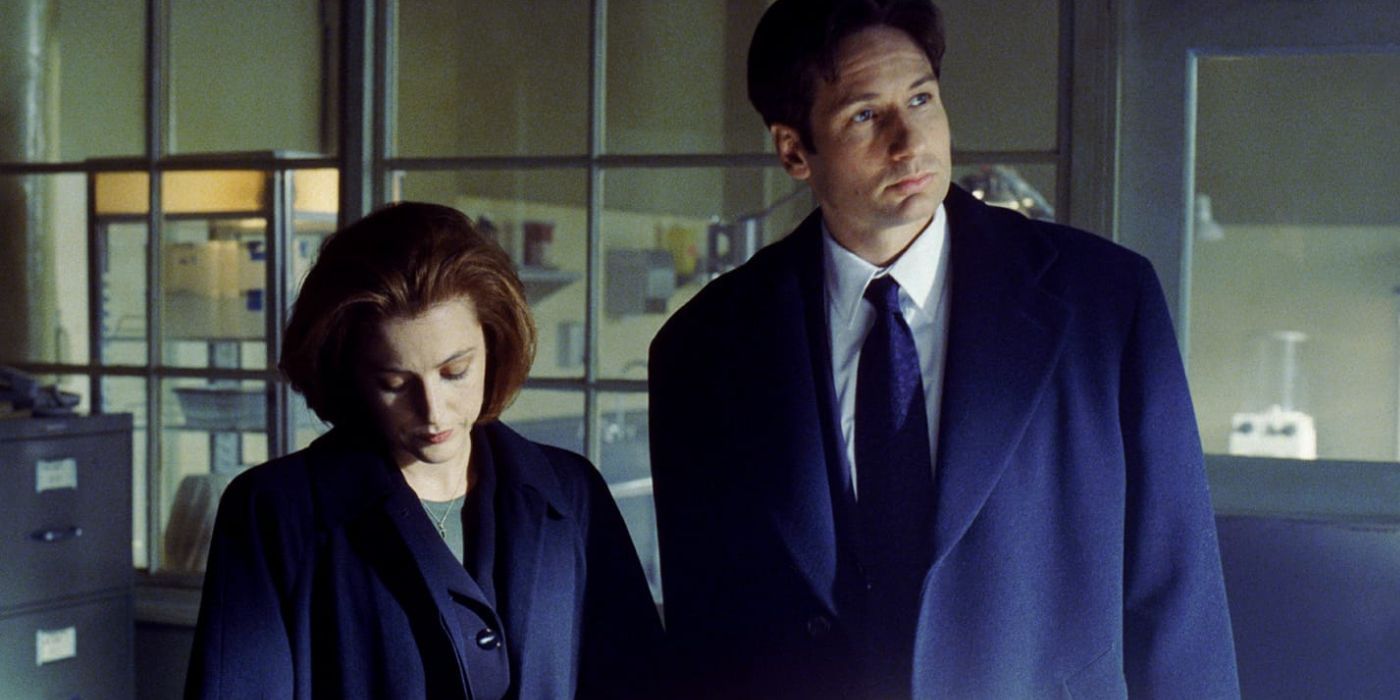
Throughout the 1990s, The X-Files captivated audiences with its unique blend of spooky monster stories, intricate government conspiracies, and a gradually unfolding, complex mythology. The show distinguished itself by tackling paranormal mysteries using old-fashioned investigative techniques. While its incredible popularity couldn’t last forever, the show’s cancellation in 2002 still marked the end of a truly remarkable period in television history.
In the 2000s, viewers began to prefer realistic, character-focused dramas – a big change from shows like the sci-fi classic The X-Files. As television changed, the finale of The X-Files signaled the start of a new era in entertainment. It wasn’t the only show to experience this shift. Several series, which represented the last of their kind in terms of style and genre, ended around this time, and their conclusions highlighted a turning point for television.
The Office Can Never Be Replicated Again
The popularity of mockumentary-style comedy started with The Office in the UK, but it really took off when the American version was created. Suddenly, the everyday humor and relatable situations of the employees at the Dunder Mifflin Scranton branch became some of the funniest things on television, even though the first season wasn’t perfect. The Office developed memorable characters like Michael Scott, whose awkward and funny behavior was so effective it made even the ordinary office setting hilarious.
This comedy was incredibly bold and didn’t worry about shocking or upsetting audiences – a style that would be very difficult to replicate now, given how aware and sensitive people are about social and cultural issues.
Before streaming became popular, The Office was the must-see sitcom from 2005 to 2013, as people tuned in every week to watch it on TV. While streaming eventually changed how we watch shows, the experience of everyone gathering to enjoy the comedy together remains special and unique.
Dexter Closed Out the Sympathetic Serial Killer Arc
The show Dexter redefined the anti-hero by presenting a serial killer audiences could actually sympathize with. Unlike many complex TV protagonists, Dexter was upfront about being a sociopath and driven by uncontrollable urges to kill. Michael C. Hall’s compelling performance and the show’s darkly humorous internal monologues allowed viewers to explore the mind of a killer and, surprisingly, find a reason to understand him.
Dexter was a groundbreaking TV show that combined psychological depth with shocking violence, and it helped popularize the complex anti-hero. While the series lost its way after season five, many dedicated fans stuck with it until the very end, despite a widely criticized finale.
The original series finale, where a serial killer became a lumberjack, was a truly disappointing end to the show and effectively ended the popular trend of sympathetic serial killer characters on television for several years. While the story was later revisited with Dexter: Resurrection, the initial ending remains a significant moment in TV history.
The Vampire Diaries Ended the Hot, Desirable Vampire Craze
The popularity of The Twilight Saga sparked a global fascination with vampires – particularly those who were attractive, romantic, and still a little bit dangerous. This trend continued with The Vampire Diaries, which premiered on the CW in 2009. The show, featuring vampire brothers Damon and Stefan, quickly became a hit, captivating audiences with their thrilling adventures and battles against supernatural forces.
The Vampire Diaries ran for eight seasons, with most seasons containing over 20 episodes, resulting in a total of 171 episodes – a remarkably high number for modern television. Although the show spawned spin-offs like The Originals and Legacies, none of them quite replicated the captivating blend of mystery, emotional drama, and complicated love stories that originally drew in The Vampire Diaries’ devoted fanbase.
When The Vampire Diaries finished airing, interest in teen dramas about the supernatural had faded, and The CW network began focusing more on superhero shows. While many shows have attempted to replicate its success, no other series has managed to capture the same magic or make vampires popular in the same way.
Glee Ended Musical TV That Audiences Actually Wanted
Ryan Murphy’s Glee was a groundbreaking musical show unlike anything before or since. It followed the enthusiastic Spanish teacher Will Schuester as he worked to rebuild his high school’s struggling glee club. The show quickly became popular thanks to its energetic style and memorable characters, including the ambitious Rachel Berry, the privileged Quinn Fabray, and the delightfully mischievous PE teacher, Sue Sylvester.
The TV show Glee featured both current and classic songs, and uniquely addressed difficult teen issues like pregnancy and sex through its musical performances. This led to its covers becoming incredibly popular – almost as much as the original songs themselves – and helped launch a trend of highly shareable, meme-generating teen dramas just as social media was becoming widespread. Many believe Glee paved the way for the type of online-focused teen storytelling we see today.
Okay, so looking back at Glee, it was genuinely funny and feel-good – a rare combination. Its finale was definitely controversial, but it really did feel like the end of an era for those big, sincere musical numbers on TV. We haven’t seen anything quite like it since. It’s funny to think that the creators behind Glee went on to do much darker fare, like the Monster and American Horror Story anthologies – a total 180!
Riverdale’s Genre-Mashing Teen Drama Has Not Been Seen Again
Adaptations of Archie Comics are common, but the 2017 series Riverdale really stood out by adding elements of horror, mystery, and the supernatural. The CW transformed the traditionally cheerful Archie Comics into a darker, more unsettling world, particularly through the troubled relationship with his own father.
The characters on Riverdale became surprisingly complex: Archie had secret relationships with teachers, Betty harbored a violent side, Veronica was willing to break the law, and Jughead rose to power as a gang leader. The show boldly mixed typical teen drama with elements of film noir, superhero stories, over-the-top camp, musical numbers, surreal imagery, and even science fiction, making it truly unique.
After seven seasons with many episodes each, Riverdale marked the end of an era for long-running teen dramas. As it moved from traditional TV to streaming, the show became known for increasingly dramatic and unbelievable storylines, all in an effort to keep viewers engaged. The series finale signaled the end of The CW’s popular run of teen shows, and Riverdale was uniquely self-aware and celebrated for the countless internet memes it inspired.
Sex and the City Was the Last Of HBO’s Playful, Experimental Shows
Premiering on HBO in 1998, Sex and the City quickly became popular for its relatable yet glamorous portrayal of single life in New York City. The show followed Carrie Bradshaw and her friends – Samantha, Charlotte, and Miranda – as they navigated dating, relationships, and life’s challenges, all while showcasing incredible fashion. In fact, fashion played such a key role, particularly Carrie’s love for designer shoes like Manolo Blahniks, that it almost felt like another character in the series.
At its core, Sex and the City presented a hopeful and glamorous vision of life in Manhattan, where the characters enjoyed a luxurious lifestyle without seeming to work very hard for it. While the show celebrated female friendship and independence, its focus on fashion and romance, and its depiction of sex and relationships, has faced criticism over time for being superficial.
After the show ended in 2004, the glamorous lifestyle it portrayed disappeared with it. HBO then focused on more dramatic and realistic shows, but they lacked the fun, lightheartedness, and willingness to experiment that made Sex and the City so unique.
Read More
- The Super Mario Galaxy Movie: 50 Easter Eggs, References & Major Cameos Explained
- 10 Best Free Games on Steam in 2026, Ranked
- Surprise Isekai Anime Confirms Season 2 With New Crunchyroll Streaming Release
- Sydney Sweeney’s The Housemaid 2 Sets Streaming Release Date
- Why is Tech Jacket gender-swapped in Invincible season 4 and who voices her?
- Welcome to Demon School! Iruma-kun season 4 release schedule: When are new episodes on Crunchyroll?
- Preview: Sword Art Online Returns to PS5 as a Darker Open World Action RPG This Summer
- Skate 4 – Manny Go Round Goals Guide | All of the Above Sequence
- PS5’s Ace Combat 8 Will Be the Most Ambitious Game in the Series Yet, and We Can’t Wait
- The Super Mario Galaxy Movie Is An Amusing Sequel (And an Improvement) [Review]
2025-12-14 22:13