It’s unusual these days for a TV show to become a major cultural phenomenon that everyone talks about. With so many streaming options, it’s hard to get people watching the same thing at the same time. While shows like Stranger Things come close to this level of popularity, the way Netflix releases entire seasons at once makes it different from the shared experience of watching a show week by week.
While traditional broadcast TV still exists, streaming and cable shows now dominate cultural discussions. Thirty years ago, network television was king, following a familiar September-to-May schedule. Millions of Americans would tune in each week to watch the latest episodes of their favorite shows live. 1996 is a particularly interesting year to look at, as it featured many of the most beloved shows from the ’90s. Interestingly, some less expected shows also did very well, while even popular shows like The X-Files didn’t rank as high in the ratings as you might think. Despite this, television was a shared experience for almost everyone in 1996.
Friends Was Building Toward Its Future As a Cultural Phenomenon
Any list of popular TV shows from 1996 would have to include Friends. The show was in its second and third seasons that year, and it remains incredibly popular today – even 22 years after it stopped airing, it’s a streaming hit and a frequent topic online.
During the 1995-96 television season, Friends was a huge hit, averaging 30 million viewers and ranking as the third most-watched show in the U.S. Even though viewership dipped slightly to 24.9 million the following season, it still landed in fourth place. Sitcoms were incredibly popular on network television throughout the ’90s, but Friends wasn’t always the highest-rated comedy on TV, despite its success.
While the show didn’t reach peak popularity until the 1998-99 season, its lasting cultural influence has established it as one of the most memorable sitcoms of a decade filled with great television. For example, 1996 saw the debut of iconic Friends episodes like the emotional “The One With the Prom Video” and the cleverly contained “The One Where No One’s Ready,” both of which consistently rank among fans’ favorite episodes.
Seinfeld Had A Stranglehold on Sitcom Audiences in the Mid-To-Late ’90s
It’s difficult to overstate how popular Seinfeld became in the 1990s. The show, known for its humor based on everyday life, started in 1989 and gradually gained viewers over its first four seasons. It really took off during the 1993-1994 television season, jumping from 25th to 3rd place in the ratings. For the rest of its run, Seinfeld consistently ranked as either the number one or number two show in the country. In 1996, the show’s seventh and eighth seasons averaged over 32 million viewers, making it the second most-watched program on television.
Even now, Seinfeld stands out as unique for traditional television. Its creators, like with Curb Your Enthusiasm, deliberately chose not to have the characters change or learn from their experiences. They avoided typical sitcom tropes like romantic relationships for Jerry and Elaine – something common in shows like Cheers and Friends – and kept the show remarkably free of crude humor, reflecting Jerry Seinfeld’s own style of clean comedy.
The show deliberately avoided complex storylines, instead focusing on minor, everyday issues with little real consequence. In fact, Seinfeld actively went against typical TV formulas, and that bold approach ultimately made it the most popular show on television – it’s amazing!
ER Was a Ratings Behemoth In The Back Half of the ’90s
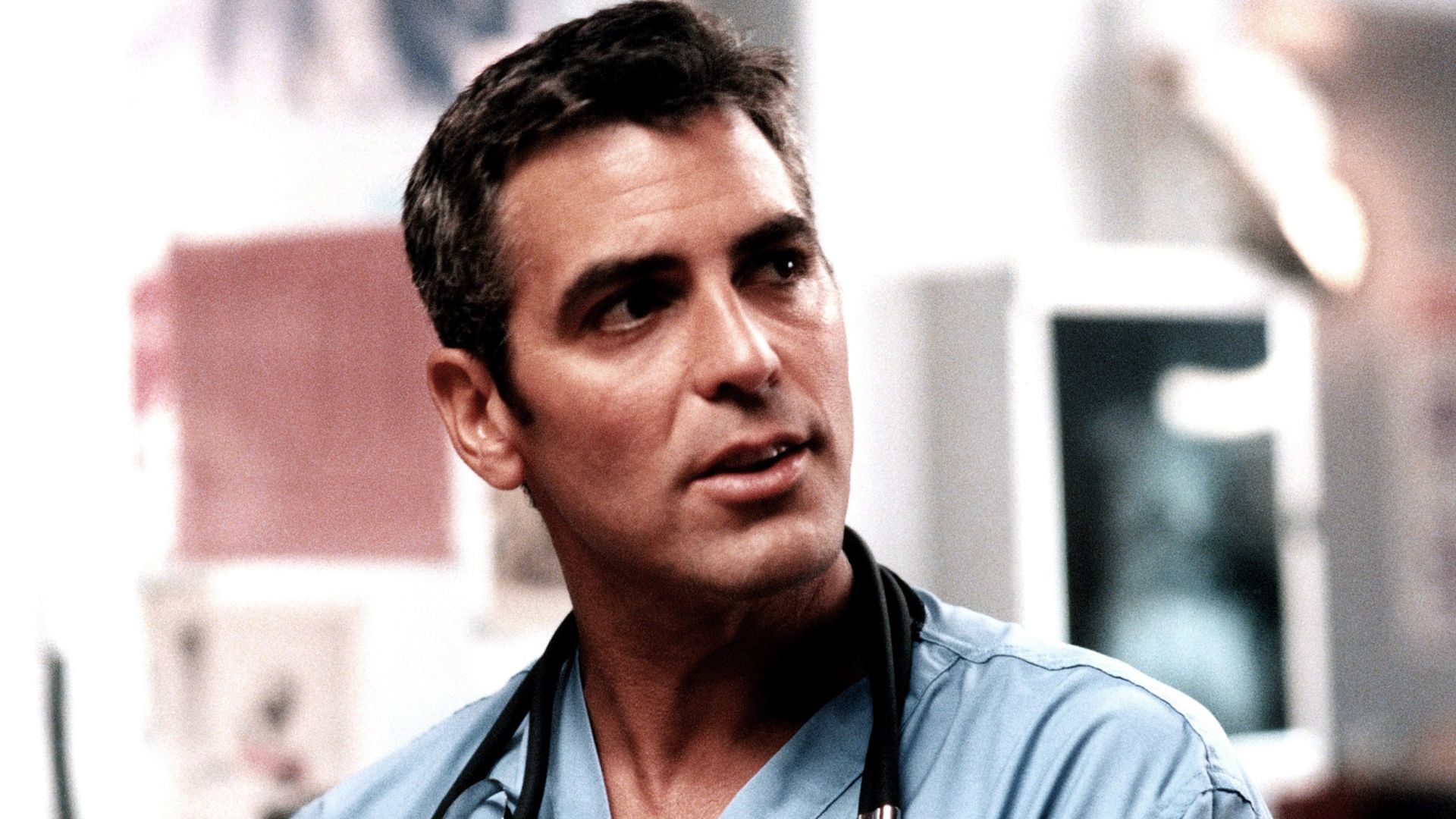
During the mid to late 1990s, NBC was in an incredibly strong position. Even if all their other shows had failed, the network would have remained successful thanks to three huge hits. Seinfeld and Friends dominated the comedy landscape, and ER, the groundbreaking medical drama that premiered in 1994, was the most-watched show on television. In 1996, ER, which helped launch George Clooney’s career, averaged over 35 million viewers in its third and fourth seasons, briefly surpassing Seinfeld as the top-rated program.
In 1997, Seinfeld regained the top spot, pushing ER to number two. This back-and-forth continued until 1999, when Seinfeld ended its run. After that, ER dropped to fourth place. Many fans consider the show’s first five seasons to be its best, a time when all the main characters were at their most popular. This period also coincided with George Clooney beginning his successful career as a leading actor.
Viewers were captivated by the love story between Dr. Doug Ross and nurse Carol Hathaway, felt protective of the new, less experienced Dr. Carter, admired Dr. Mark Greene’s calm and sensible approach to medicine, and found themselves both frustrated with and sympathetic towards the proud, yet struggling, Dr. Peter Benton. ER truly represented the best of what network television had to offer.
Touched By An Angel Was Huge in ’96 Despite Having No Footprint Today
Many of these shows still resonate with audiences today, and some are even finding new fans through streaming. However, a few have faded into obscurity, feeling distinctly like products of the ’90s and early 2000s. For example, while Touched By An Angel might not be well-known to many TV viewers in 2026, it was a massive hit on CBS and one of the most popular shows on television 30 years ago.
During the 1996-1997 TV season, Touched By An Angel averaged 13.19 million viewers per episode, making it more popular than hit comedies like Frasier and Spin City and landing it in the Top 10 Nielsen ratings. The show was a sincere and uplifting drama that followed the angel Monica and her supervisor, Tess, as they helped people facing difficult times. They offered guidance and support, sometimes delivering messages directly from God when needed.
As a big TV fan, I was amazed to learn this show – created by John Masius, who also worked on St. Elsewhere – actually lasted nine seasons and 211 episodes! What’s even more impressive is it stayed CBS’s top-rated show for six whole seasons. And it didn’t stop there – 1996 also saw the launch of a spin-off called Promised Land, which managed a solid 69 episodes over three seasons. That’s a lot of good television!
Suddenly Susan Burned Brightly For One Season, Then Fell Off a Cliff
As a total TV buff, I remember the ’96-’97 season so well! It’s funny looking back at the ratings now, because Friends wasn’t actually the top sitcom. Two shows beat it out, and surprisingly, Suddenly Susan landed at number three in its very first season! Brooke Shields’ arrival on network TV gave it a real boost – it even ended up with a Nielsen rating 0.2 points higher than Friends on NBC. It was a bit of a shake-up at the time!
Brooke Shields starred in Suddenly Susan as a San Francisco writer who suddenly had to become independent after leaving her fiancé at the wedding. It’s a similar story to Rachel Green from Friends, but with a writing career instead of waiting tables! The show was a hit, averaging 16.5 million viewers in its first season, thanks to NBC’s smart scheduling. Suddenly Susan aired between the popular shows ER and Seinfeld on Thursday nights – a time slot known as “Must-See TV.” This strategy helped the show reach a peak audience of nearly 25 million viewers.
The show never received very positive reviews, and when it moved to a new night in its second season, ratings dropped dramatically. By the fourth and final season, it had gone from being one of the top three shows nationwide to barely making the top 100, ultimately leading NBC to cancel it.
NYPD Blue Was Always One of the ’90s Most Reliable Police Procedurals
NYPD Blue was a hugely popular and long-running television show on ABC. Over its 12 seasons, it reached as high as number seven in the yearly Nielsen ratings (in 1994-1995), and remained in the top twelve for several years. The show captivated audiences with the dynamic between detectives Andy Sipowicz, played by Dennis Franz—a rough-around-the-edges alcoholic with good intentions—and Bobby Simone (Jimmy Smits), a thoughtful and experienced detective who often tempered Sipowicz’s more difficult tendencies.
The strong partnership between the show’s creators and cast really made NYPD Blue shine in 1996, and those episodes remain some of the best examples of police procedural television ever produced. The show, created by television veterans Steven Bochco (Hill Street Blues) and David Milch (Deadwood), had a lasting impact on TV, influencing shows that followed. NYPD Blue was known for being groundbreaking, consistently challenging the boundaries of what was acceptable on network television with its realistic tone, violence, and mature themes.
The show feels more like the realistic crime dramas that helped define great television in the late 90s and early 2000s – shows like The Sopranos, The Wire, and The Shield – rather than procedural shows like CSI. When it was cancelled, it seemed like that kind of raw, realistic storytelling could only be found on cable channels. Variety magazine even claimed in 2013 that without NYPD Blue, traditional network television lost its boldness and originality.
Found an error? Send it so it can be corrected.
Read More
- What Song Is In The New Supergirl Trailer (& What It Means For The DC Movie)
- Gold Rate Forecast
- One of Hulu’s Best New Shows Lands on Disney+ Ahead of Season 2
- Eurogamer Gives ARC Raiders 2/5 Over AI Voices, Dropping Metacritic Score from 94 to 84
- Reanimal – Everything You Need to Know Before You Pick it Up
- Czech Bank’s Crypto Comedy: $1M for a Digital Farce! 🎭💰
- Steve Rogers’ Return Means the MCU Can Finally Solve Avengers: Endgame’s Last Mystery
- Homura Hime coming to Switch 2 in 2026
- The Champions 7 Deadliest Villains, Ranked
- 5 Best Superman-Centric Crossover Events
2026-02-21 23:09