DC Comics adaptations often deliver satisfying series finales. For example, the show Arrow ended with a heartfelt tribute to Oliver Queen, bringing all his friends together for one last adventure, and ultimately reuniting him with Felicity Smoak in a peaceful afterlife. Similarly, Smallville concluded with a powerful scene of Clark Kent fully embracing his destiny as Superman, soaring off to protect the world. Both endings provided a sense of closure and happiness for beloved characters.
Shows like Arrow and Smallville succeed because their creators aren’t afraid to forge their own path. While they draw inspiration from the comics, they don’t feel bound by them. However, another DC series started with a different challenge – it had to continue a story from a very popular and well-known source. Surprisingly, it not only succeeded but also gave us one of the most satisfying conclusions we’ve seen recently, capped off with an exciting cliffhanger.
It’s Been Six Years Since the Conclusion of the Best DC TV Show

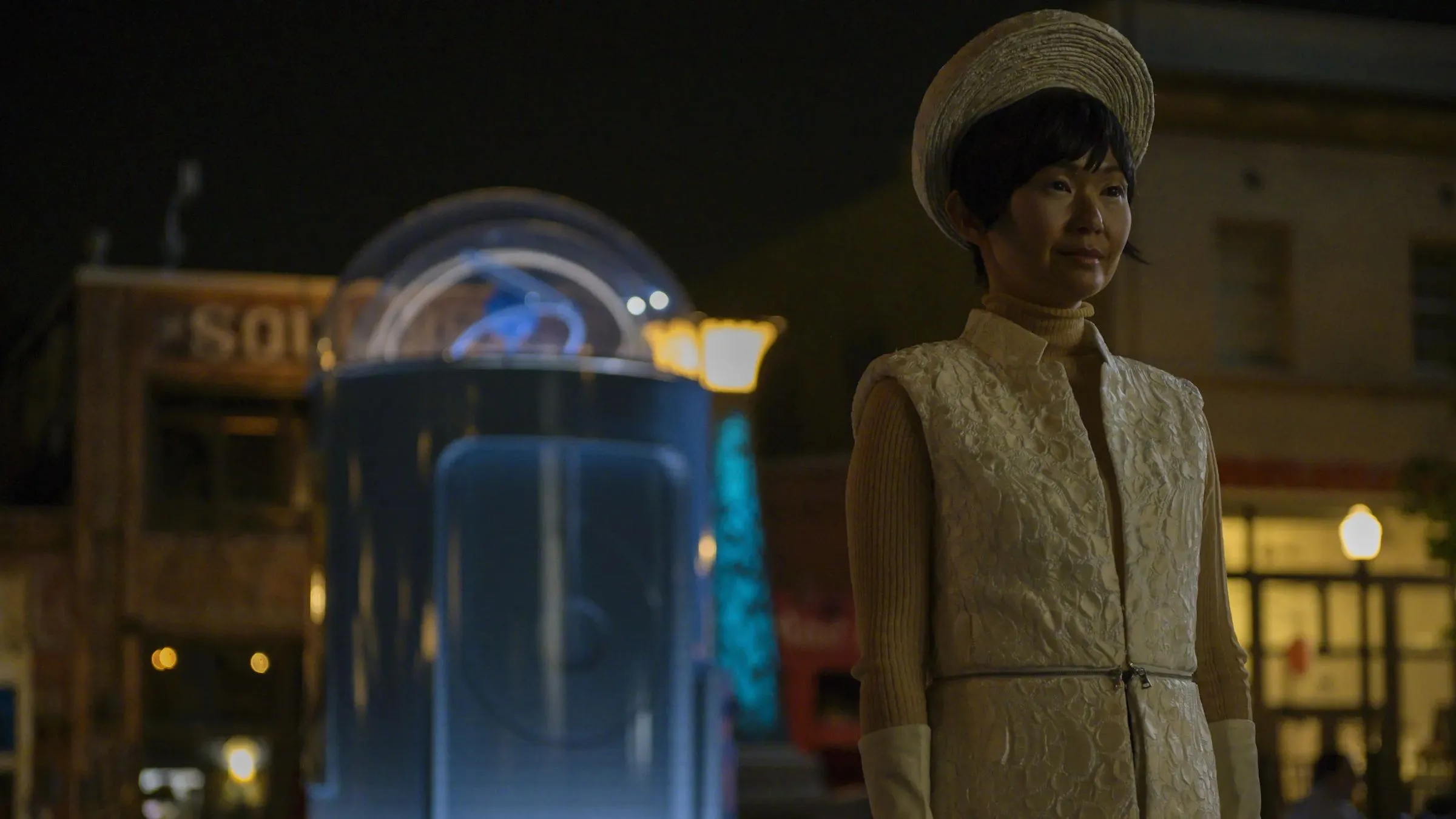
HBO’s Watchmen isn’t set in typical superhero cities like Metropolis or Gotham. Instead, the story unfolds in Tulsa, Oklahoma, three decades after a devastating attack by a giant squid unexpectedly brought the world’s nations together and prevented war. The series follows Angela Abar, a police officer investigating a dangerous white supremacist group called the Seventh Cavalry. This group previously attacked her department and is now targeting something even more powerful: Doctor Manhattan’s abilities. Angela has a close relationship with Doctor Manhattan, and she helps him manage threats. However, she doesn’t yet understand the full scope of the dangers they face and how many different forces are at play.
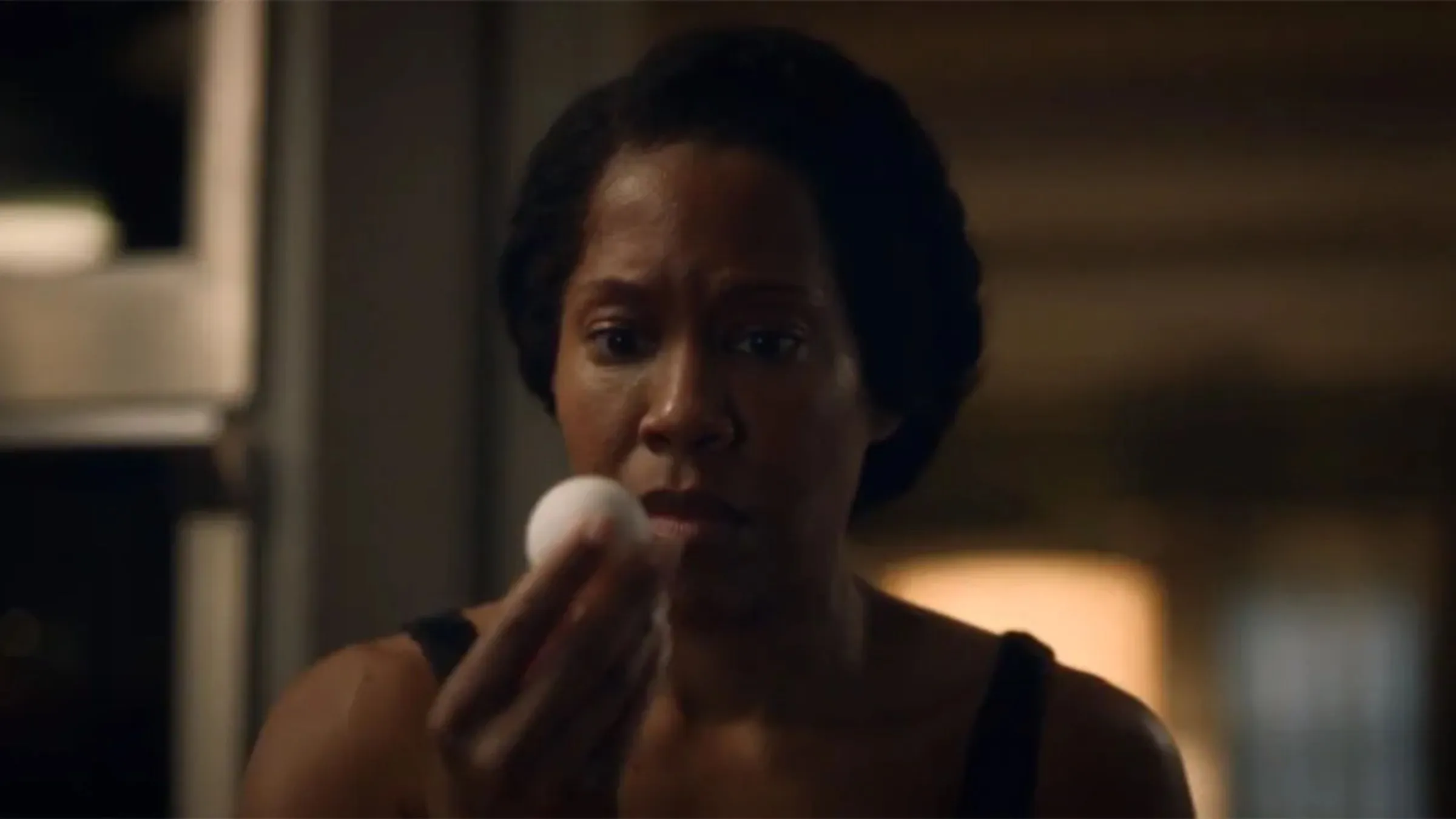
In the final episode of Watchmen, the Seventh Cavalry intends to weaponize Doctor Manhattan’s immense power, but Lady Trieu, the daughter of Ozymandias, insists she wants to use it for good. She constructs a device to absorb Doctor Manhattan’s energy and transfer it into herself. However, Angela and her team thwart her plan by destroying the machine with frozen squid, which also results in Trieu’s death. Doctor Manhattan also dies, finally removing the temptation of his power from the world. Or so it seems, as Angela recalls Doctor Manhattan telling her he could transfer his abilities into something simple, like an egg. She discovers an egg in her refrigerator, consumes it, and attempts to walk on water as the series concludes. It’s a surprising and unexpected ending that somehow manages to work.
Watchmen Had Everything Going Against It
The biggest criticism of the Watchmen comic is its bleak and hopeless outlook. Even the heroes succumb to negativity. This is intentional, as Alan Moore aimed to challenge the traditional superhero archetype and portray them in a world where they no longer fit. While this message comes across well in the comic book format, adapting it to film is much more difficult. Zack Snyder’s 2009 Watchmen movie stayed true to the source material in many ways, but some changes were necessary. One example is the massive squid attack orchestrated by Ozymandias, which was replaced with Doctor Manhattan taking action instead.
Damon Lindelof’s Watchmen series sidesteps potential issues by largely respecting Alan Moore’s original work. While familiar characters appear, the story primarily focuses on Angela, and the ending suggests she’s the most suitable person to inherit Doctor Manhattan’s power – not perfect, but a better choice than those who previously sought it. The show’s restraint also allows viewers to form their own interpretations of a remarkably intricate world.
What do you think? Leave a comment below and join the conversation now in the ComicBook Forum!
Read More
- The Super Mario Galaxy Movie: 50 Easter Eggs, References & Major Cameos Explained
- All 13 Smash Bros. Characters in the Super Mario Galaxy Movie
- Highly Anticipated Strategy RPG Finally Sets Release Date (And It’s Soon)
- Welcome to Demon School! Iruma-kun season 4 release schedule: When are new episodes on Crunchyroll?
- Sydney Sweeney’s The Housemaid 2 Sets Streaming Release Date
- TV legend Carol Kirkwood reveals the reasons why she decided to retire after 28 years with BBC
- Why is Tech Jacket gender-swapped in Invincible season 4 and who voices her?
- Dune 3 Gets the Huge Update Fans Have Been Waiting For
- Supergirl Director Breaks Down Kara Zor-El & Superman’s ‘Older-Sibling Dynamic’
- How Blake Lively & Ryan Reynolds’ Kids Pranked Her on April Fool’s Day
2025-12-16 20:43