Some movies simply aim to entertain, while others are self-aware and deliberately comment on filmmaking itself. These films aren’t afraid to break the rules, playfully subvert common tropes, or even joke about Hollywood. Instead of trying to create a seamless illusion, they expose the mechanics of storytelling, question traditional formulas, and challenge our expectations. The outcome? Often, truly exceptional films that not only tell a story, but also make you consider how and why stories are told. These are known as meta movies.
These films aren’t easily categorized by genre, freely moving between styles like horror and drama. What unites them is a self-awareness – they know they’re movies and playfully use that to engage the audience. That’s why we’ve compiled a list of the 7 best ‘meta’ movies – films that expertly play with this idea, offering a clever, complex, and truly original viewing experience.
7) Tropic Thunder
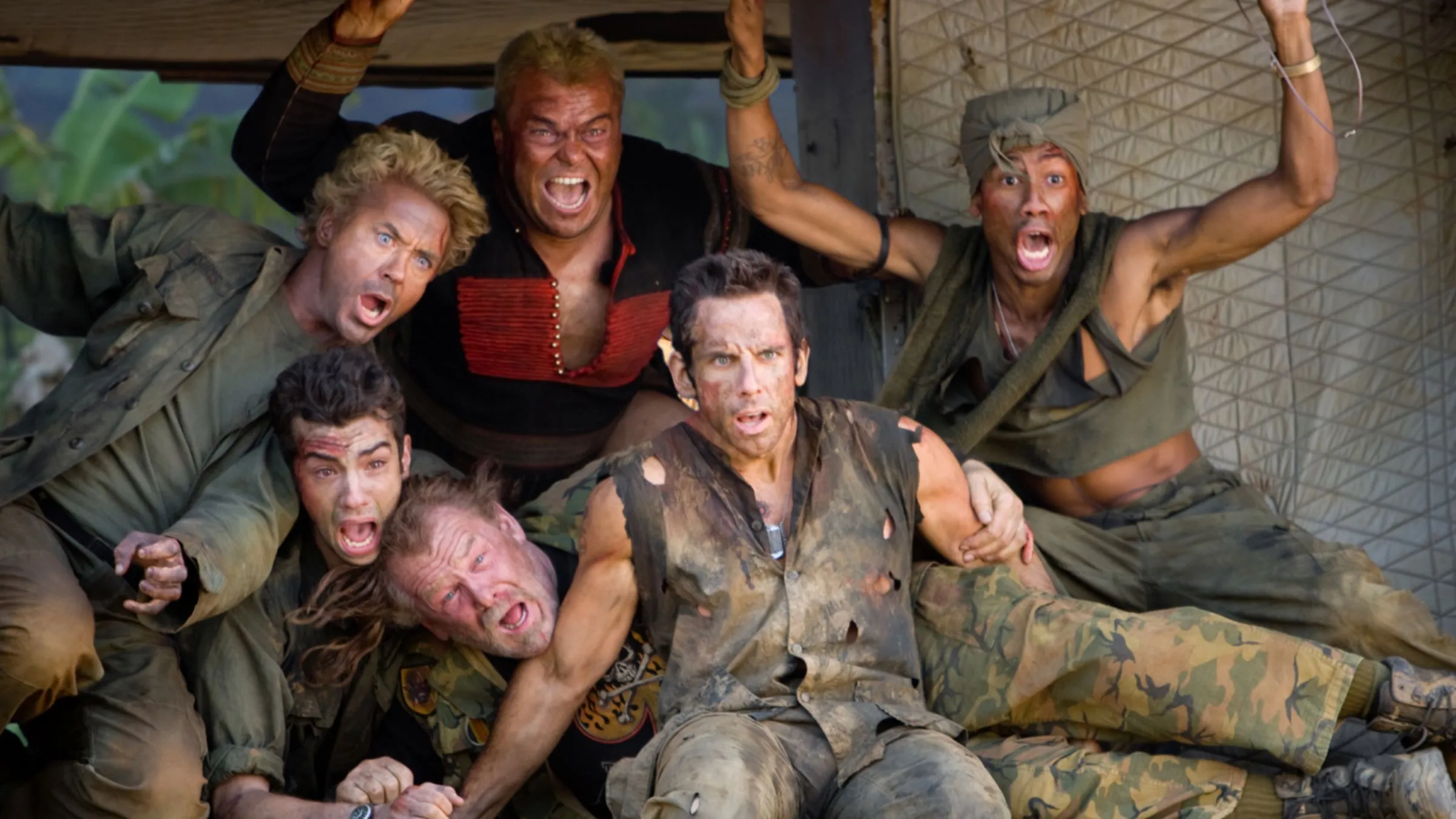
Just because a movie is a satire doesn’t mean it’s automatically well-made. However, Tropic Thunder is a great example of satire done right. It’s clear from the beginning what the movie is trying to say, and it delivers that message effectively. The story centers around a group of spoiled, self-centered actors filming a big-budget war movie, and things quickly go wrong when they get lost in a real jungle – believing it’s all still part of the film. This clever setup, playing with the idea of a movie within a movie, really enhances the experience for viewers.
Tropic Thunder is a sharp and funny satire of the movie business. It hilariously critiques actors who are overly focused on winning awards, the calculated efforts to create ‘Oscar-worthy’ performances, pushy agents, and studios that hype up films before they’re even finished. The film’s true target isn’t any individual, but the entire process of making movies. It expertly pokes fun at actors who take their roles too seriously, misleading marketing tactics, and outsized egos. Ultimately, the movie suggests that Hollywood is fundamentally ridiculous, and it brilliantly demonstrates this by using the industry’s own tactics against itself – it’s a really clever film.
6) The Cabin in the Woods

Many consider The Cabin in the Woods to be one of the most intelligent horror films ever created, and it could easily become a classic. Even if it doesn’t quite reach that status, it’s a standout when it comes to self-aware storytelling. The movie starts like countless others – a group of friends goes to a remote cabin for a weekend getaway, finds something unsettling, and makes predictable mistakes. However, there’s a surprising twist: everything happening to them is carefully orchestrated by a team of technicians working behind the scenes, treating the situation like a television show production.
This movie is a clever take on horror films, specifically how they often rely on the same familiar characters – like the jock, the funny friend, and the ‘final girl’. But it doesn’t just subvert those tropes; it explores why they exist in the first place, pointing out that someone decided horror movies should follow a certain pattern. Essentially, The Cabin in the Woods asks why we’ve become so accustomed to this formula and what happens when it’s broken. It deconstructs the genre’s established ‘rules’ while still providing a thrilling and exciting climax.
5) Scream
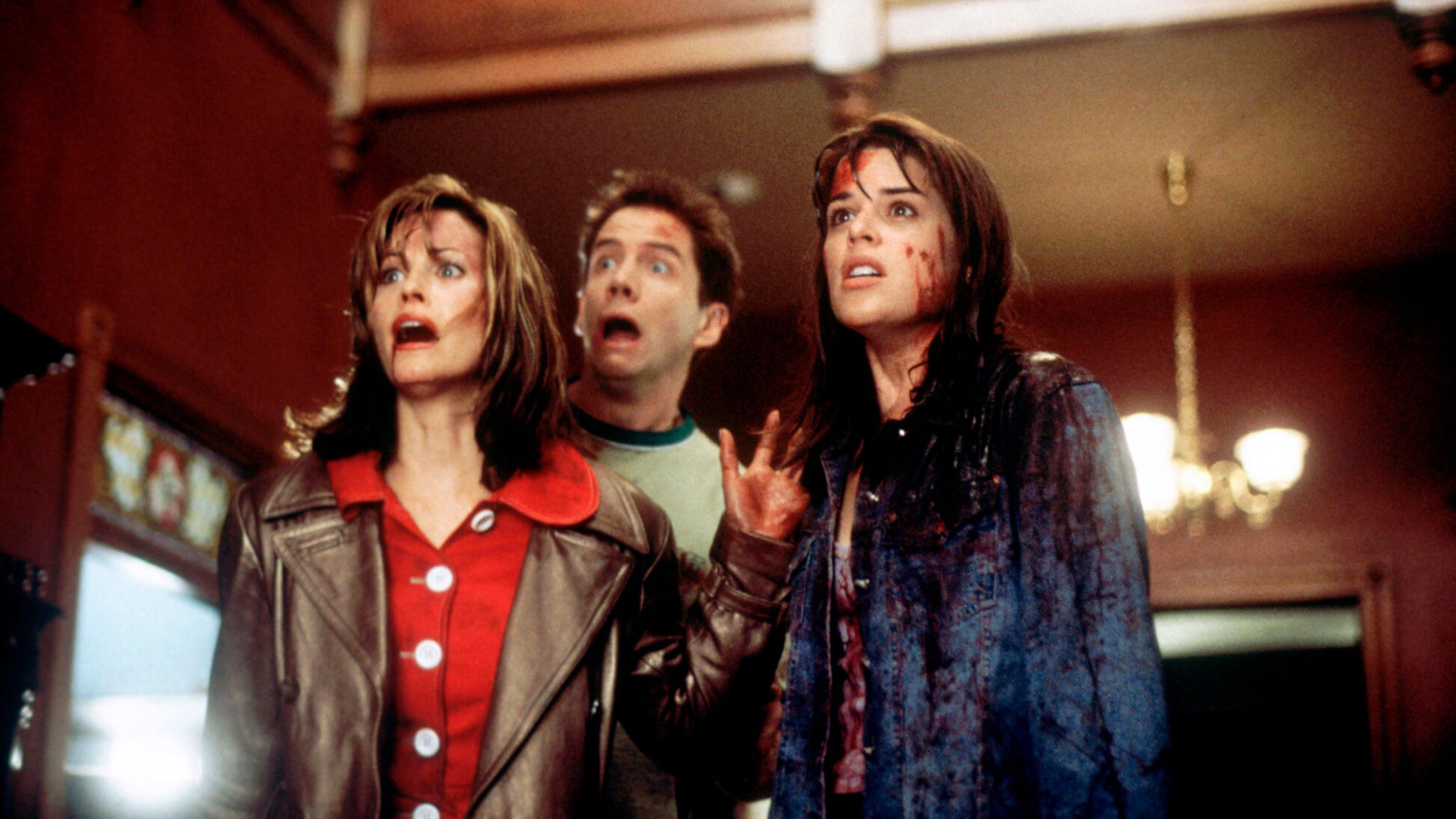
The Scream movies are consistently ranked among the greatest horror series, and that’s why they remain popular. However, the first Scream is often considered the best. When it came out, the slasher film genre was starting to feel stale. The movie revitalized it with a clever twist: the characters are aware they’re in a horror movie. Throughout the story, Sidney Prescott (Neve Campbell) is stalked by a masked killer, and her friends actually talk about how to survive such a situation. This isn’t just for laughs – these discussions genuinely influence the plot and how events play out.
What makes the film stand out is that it remains genuinely frightening and suspenseful, avoiding simple imitation. Its cleverness actually increases the tension because the audience is familiar with horror movie conventions and anticipates when they’ll be subverted. Ultimately, Scream revitalizes the horror genre for a generation that has grown up watching these films. It’s self-aware, recognizing that viewers are too savvy to be fooled by tired clichés, and it cleverly uses this understanding to create a more thrilling experience.
4) The Truman Show

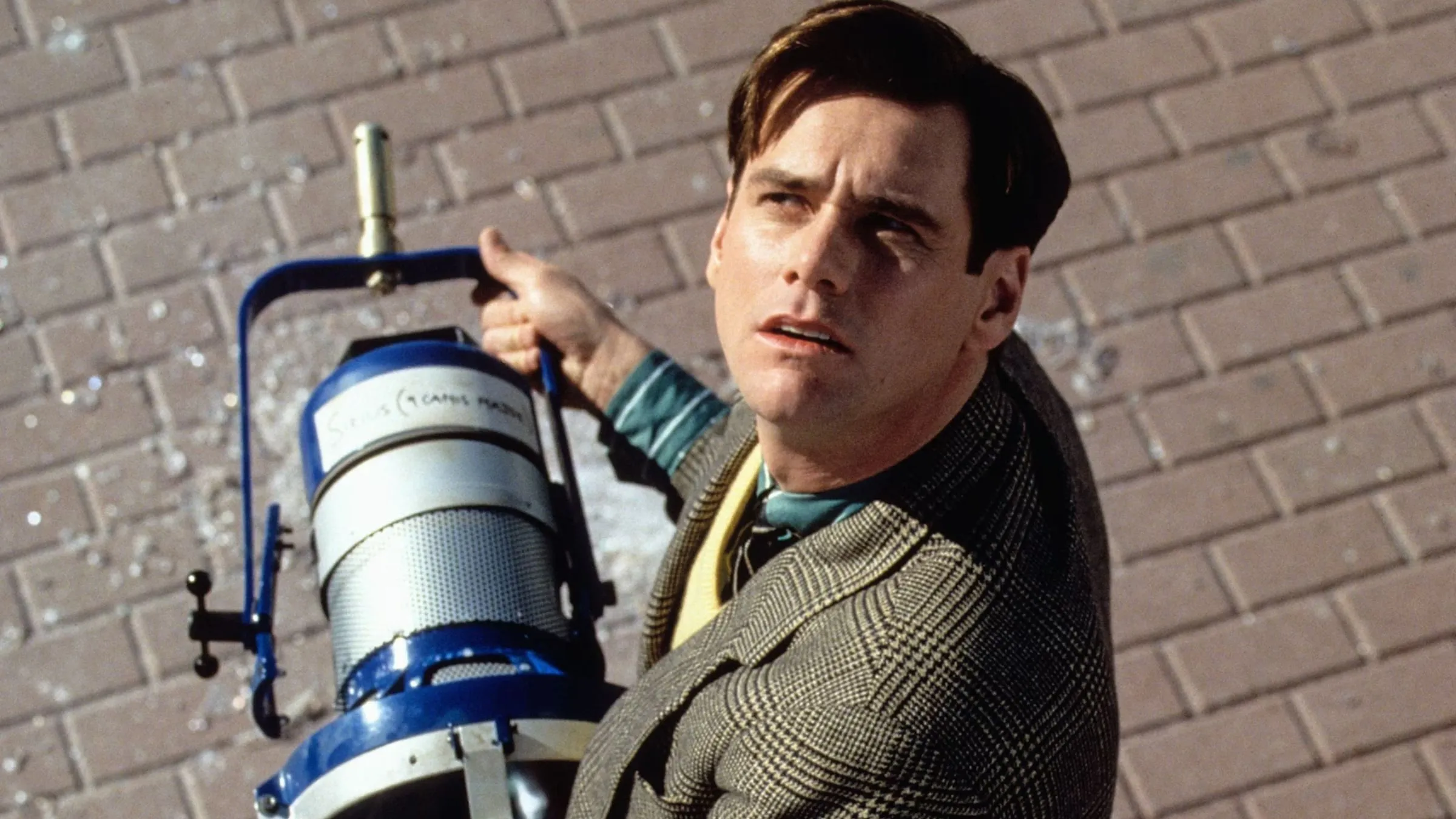
Considered by many to be one of the best films ever made, The Truman Show is a timeless classic, largely because of its surprisingly simple yet deeply unsettling premise: what if you unknowingly lived your entire life as the star of a reality TV show? After watching it, you’ll likely find yourself viewing the world with a new perspective. The film follows Truman Burbank (Jim Carrey), who lives in a picture-perfect town with his loved ones. However, he begins to suspect that everything around him is artificial and carefully orchestrated, as if he’s being filmed. The eventual reveal of the truth isn’t just a personal struggle for Truman—it’s the core message of the entire movie.
The Truman Show is a smart critique of how we interact with media, our fascination with watching others, and the way we turn people’s lives into entertainment – themes that still resonate today. What makes the film particularly clever is how it reflects back on the audience itself: we watch Truman, just like the millions of viewers within the movie are watching him. It intentionally puts us in the same position it’s criticizing. Remarkably, made in the late 1990s, the film foreshadowed the rise of reality TV and our current obsession with social media, predicting these phenomena long before they became dominant.
3) Sunset Boulevard
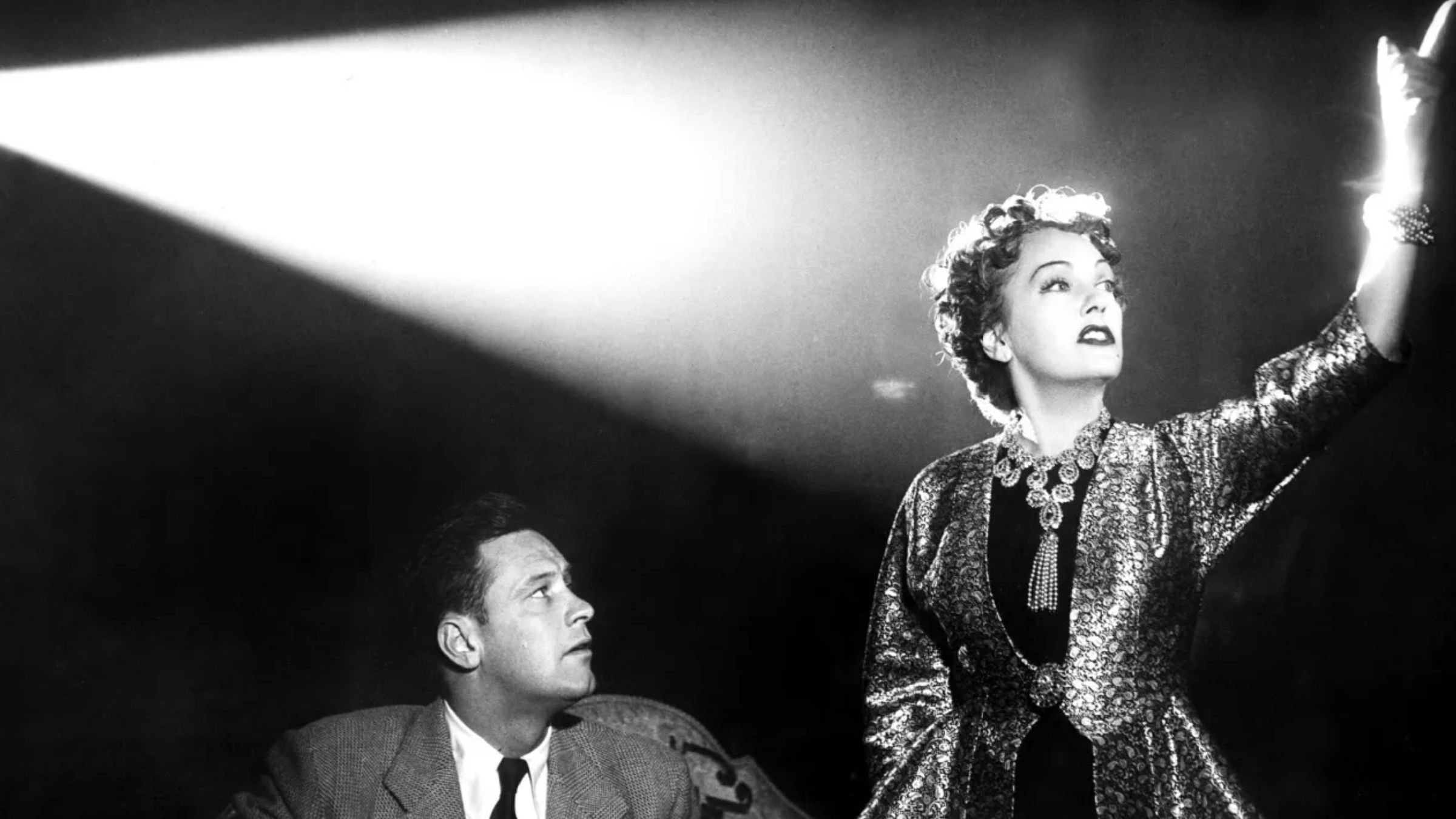
Though it’s an older film from the 1950s, Sunset Boulevard remains a powerful story, and its age actually adds to its impact. What sets it apart is its honest look at Hollywood – it doesn’t glamorize the industry, but instead reveals its harsh realities. The film centers on Joe Gillis, a screenwriter down on his luck, and his complicated relationship with Norma Desmond, a faded silent film star desperately hoping for a comeback. Through their story, the movie brilliantly exposes how Hollywood creates celebrities, turns them into icons, and then quickly discards them when they’re no longer profitable.
Similar to the movie Tropic Thunder, Sunset Boulevard offers a critical look at the Hollywood machine that created it. It sharply examines Hollywood’s focus on youth, inflated egos, and the constant need to stay relevant. Even though it was made decades ago, the film’s message remains powerful and relevant today – because the film industry hasn’t fundamentally changed. The movie isn’t interested in showcasing the glamour of Hollywood; instead, it reveals the hidden costs of living within the stories Hollywood creates.
2) Being John Malkovich
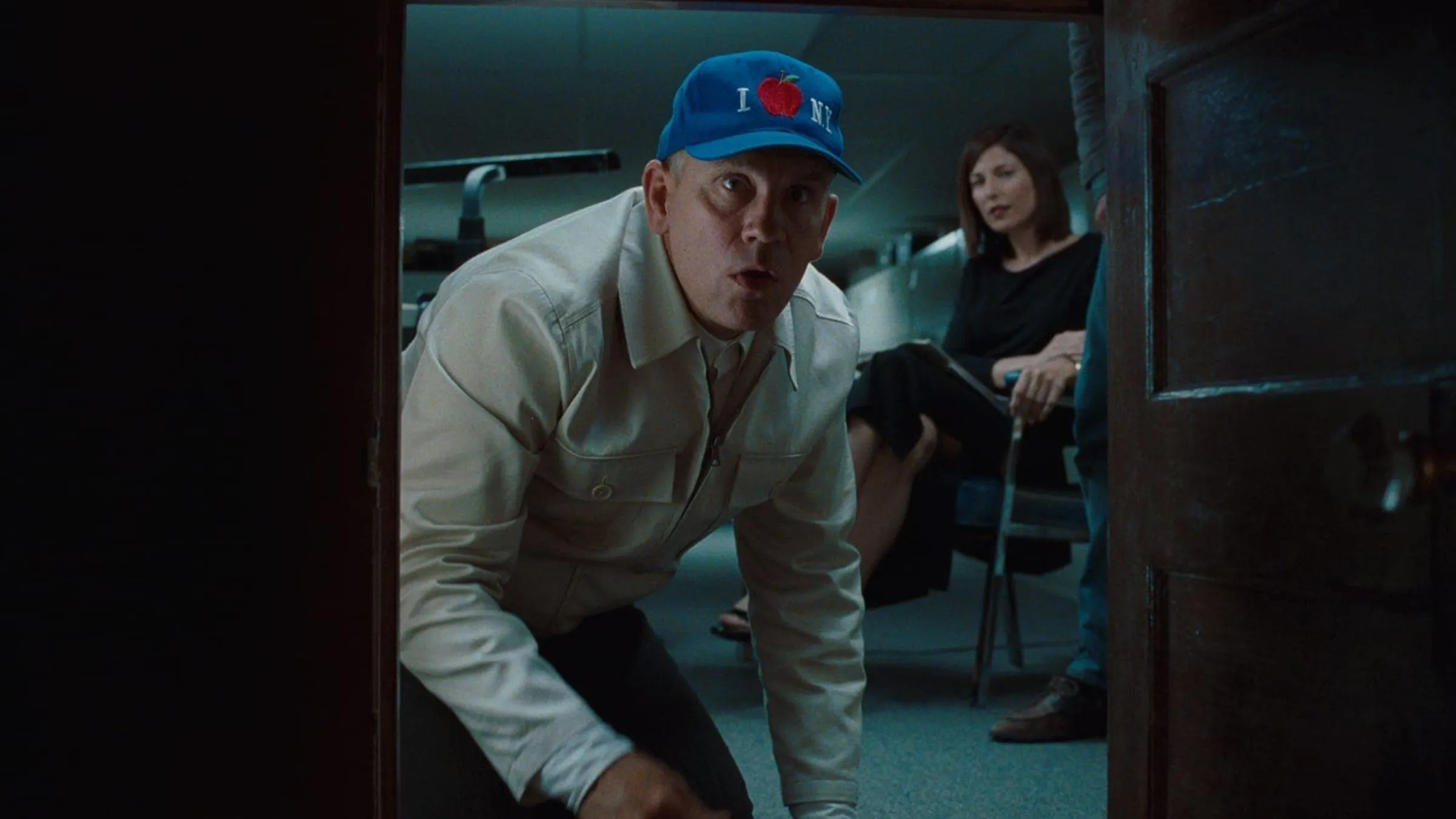
Have you ever seen a movie with a ridiculous idea that somehow works because it’s presented with such conviction? It’s rare, but Being John Malkovich is a perfect example. It’s a film that won a BAFTA for its original screenplay and was even nominated for an Oscar. The story centers around a struggling puppet maker who finds a portal into the mind of actor John Malkovich, letting people experience life as him for 15 minutes. It’s a very self-aware concept from the beginning, but the film offers much more than just a clever premise.
The film features a version of John Malkovich himself, cleverly mixing what’s real and what’s made up. However, the movie is truly about what makes us us – our sense of self, our pride, and our fascination with celebrities. It’s also a thought-provoking look at the experience of watching a movie, as the audience gets to temporarily see the world through another person’s eyes. Being John Malkovich is brilliant because it understands what it’s trying to say and why it resonates with us: the universal longing to break free from our own lives and experience things from someone else’s point of view, even if just briefly. It’s a feeling almost everyone can relate to.
1) Adaptation
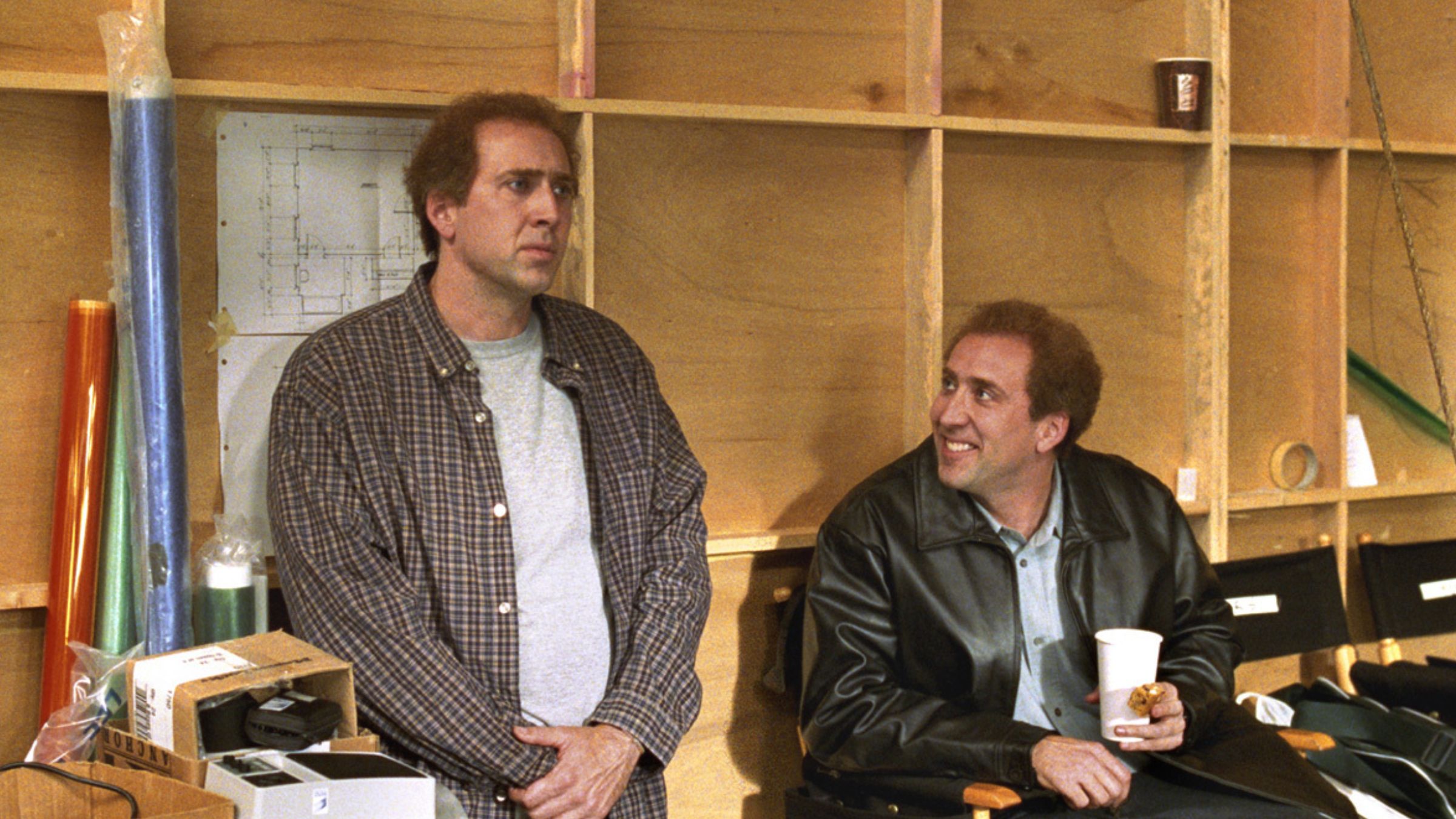
When it comes to movies about making movies, Adaptation is a standout example. The film’s origin is fascinating: screenwriter Charlie Kaufman was tasked with turning the book The Orchid Thief into a screenplay, but he faced writer’s block and self-doubt. Instead of avoiding these struggles, the film embraces them, making the process itself the story. We see a fictionalized Charlie Kaufman (played by Nicolas Cage) attempting to write the script, alongside a fabricated twin brother who embodies a more mainstream, commercial style. This creates a unique dynamic where the film actively discusses and demonstrates its own creative challenges as they unfold.
“Adaptation” isn’t simply a story about adapting a book into a film—it’s a film about the challenges of adaptation itself. It offers a raw, behind-the-scenes look at the creative process, showing the doubts, trade-offs, and choices filmmakers face. The movie is surprisingly daring, both breaking and following Hollywood conventions. For instance, the ending uses familiar movie tropes, which might seem contradictory given the main character’s dislike of them—but this is intentional. Ultimately, the film highlights the struggle between artistic vision and commercial pressures, revealing just how complex that balance can be for creators.
Enjoy meta movies? Tell us which one is your favorite in the comments below and join the discussion on the ComicBook Forum!
https://comicbook.com/movies/news/the-7-best-steampunk-movies-of-all-time/embed/#
Read More
- Gold Rate Forecast
- Looks Like SEGA Is Reheating PS5, PS4 Fan Favourite Sonic Frontiers in Definitive Edition
- Pluribus Star Rhea Seehorn Weighs In On That First Kiss
- Arknights: Endfield – Everything You Need to Know Before You Jump In
- Dune 3 Gets the Huge Update Fans Have Been Waiting For
- 5 Weakest Akatsuki Members in Naruto, Ranked
- Kelly Osbourne Slams “Disgusting” Comments on Her Appearance
- 10 Steamiest Erotic Thriller Movies of the 21st Century
- Action Comics #1096 is Fun Jumping-On Point for Superman Fans (Review)
- 22 actors who were almost James Bond – and why they missed out on playing 007
2026-02-13 23:14