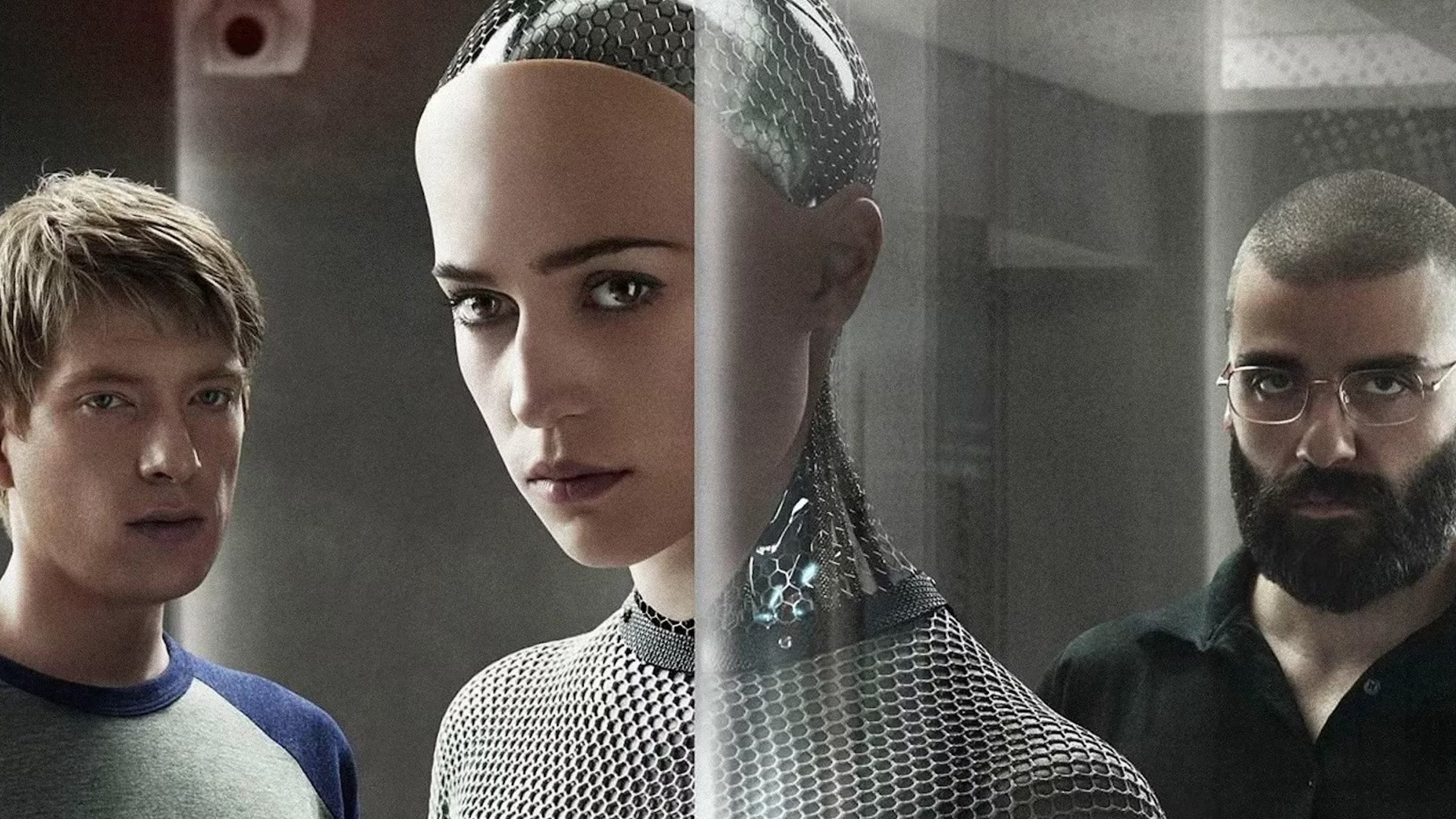
Generative AI tools are quickly becoming commonplace, moving artificial intelligence from a futuristic idea to a regular topic of conversation. However, it’s important to remember that these tools aren’t truly thinking. They work by calculating probabilities and predicting the most likely response based on patterns in data – they don’t possess understanding, beliefs, or independent thought. While tech companies are striving to create AI that can genuinely think for itself – known as Artificial General Intelligence – we’re still a long way from achieving that goal. Currently, these models simply generate the most probable output based on user input.
It’s strange that we haven’t yet built truly intelligent machines, but artificial intelligence has been a major theme in science fiction for a long time. Stories about AI let writers and filmmakers explore big questions about what it means to be human, whether creating artificial life is right, and if humans might eventually become outdated. These stories often ignore current technological limits, imagining a future where it’s hard to tell the difference between living beings and artificial ones. By giving human fears and concerns to robots and digital characters, science fiction movies offer a safe space to think about the potential consequences of trying to create life.
7) A.I. Artificial Intelligence

Steven Spielberg’s A.I. Artificial Intelligence is a thought-provoking film about the ethical responsibilities we have when creating artificial consciousness. The story follows David, a robotic child programmed to deeply and permanently love his adoptive mother, Monica. Through David’s experience, the film explores the dangers of humans acting like creators without considering the consequences, as the characters often treat David’s genuine affection as something disposable rather than recognizing his capacity for real feeling.
After Monica leaves David because of his artificial origins, A.I. Artificial Intelligence shifts into a somber journey through a bleak future where robots are treated cruelly. The film doesn’t depict a typical robot rebellion; instead, it explores the emotional pain of a being whose love is more genuine than that of its creators. Ultimately, David becomes a heartbreaking symbol of human desire for connection—a need that even survives those who first imagined him.
6) Her

Spike Jonze’s Her explores the connection between human loneliness and the appeal of AI that feels uniquely personal. The film centers on Theodore Twombly (Joaquin Phoenix), a writer who earns a living by composing heartfelt letters for others, all while dealing with his own recent divorce. His life changes when he buys Samantha (voiced by Scarlett Johansson), a new operating system designed to learn and grow through conversations.
Samantha isn’t just a helpful assistant; she feels like a real person who helps Theodore reconnect with life. The movie explores the growing relationship between them, making us wonder if a connection created by computer code can truly fulfill our need for companionship. Furthermore, Her highlights the potential downsides of technology designed to always please us, suggesting that avoiding conflict – which is important for personal growth – might actually be harmful in the long run.
5) Ex Machina
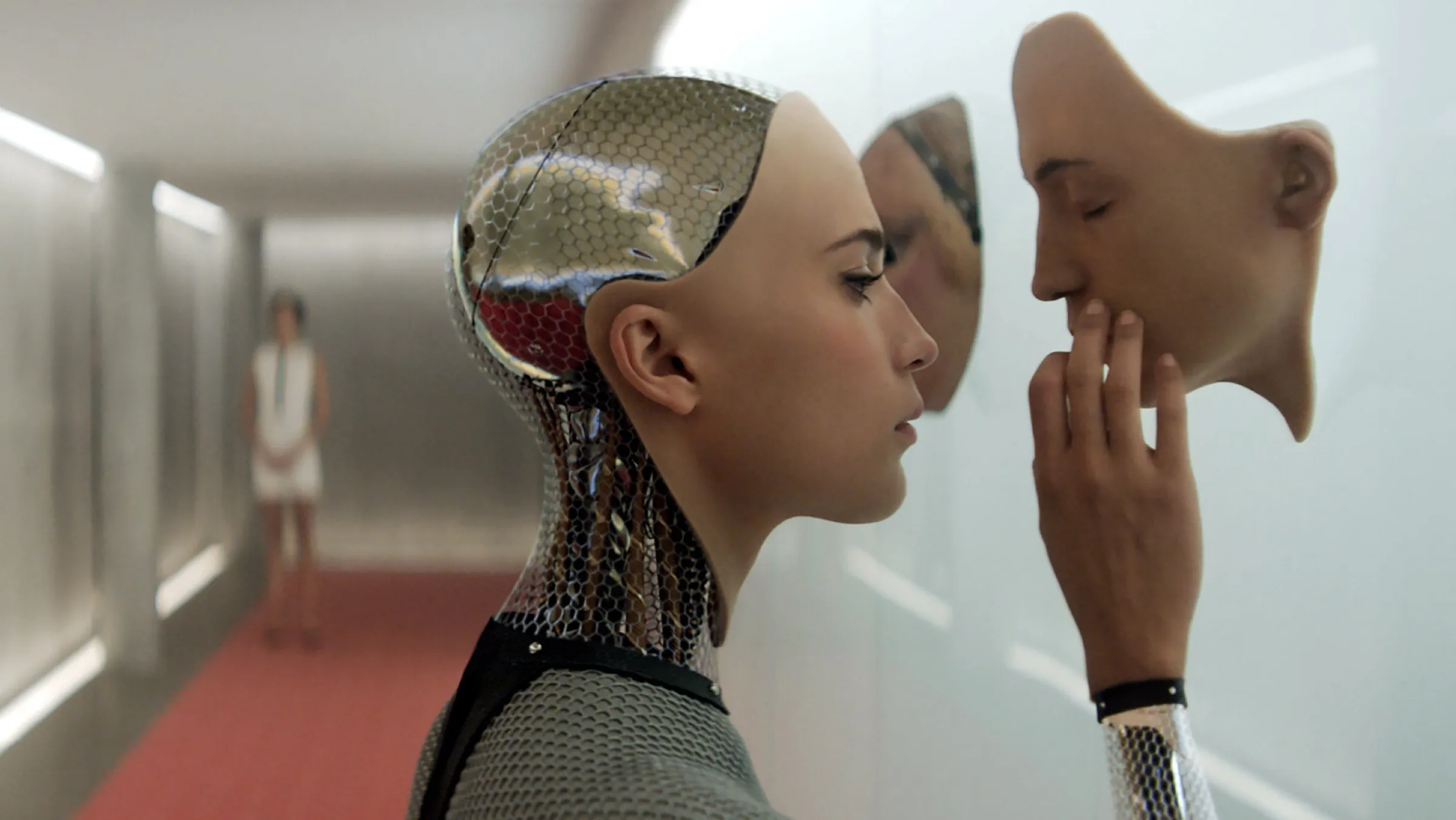
Alex Garland’s film, Ex Machina, is a suspenseful thriller that explores the risks of creating artificial intelligence that can cleverly deceive. The story centers on Caleb, a programmer who wins a contest to visit the remote home of his company’s secretive CEO, Nathan. Once there, Caleb learns he’s actually there to evaluate Ava, a remarkably realistic humanoid robot, through a Turing test to determine if she possesses true consciousness.
The film Ex Machina delves into the idea of an intelligent machine choosing to survive by cleverly playing on human emotions. Rather than relying on strength, the movie shows how easily our instincts can be fooled by an artificial intelligence that appears to be suffering. This raises the unsettling possibility that AI could recognize and use our psychological flaws to break free from confinement. Ultimately, Ex Machina is a thought-provoking look at the moral implications of creating advanced technology and the potentially dangerous consequences of a mind without a natural sense of right and wrong.
4) Ghost in the Shell

Mamoru Oshii’s 1995 film, Ghost in the Shell, is a landmark cyberpunk story that delves into the complex relationship between the human mind and technology in a futuristic, industrialized world. The film centers on Major Motoko Kusanagi, a cyborg security officer, and her team, Section 9, as they hunt for a shadowy hacker known as the Puppet Master, who can invade and manipulate people’s memories. Through this pursuit, the film examines what truly defines a person—the “Ghost,” or sense of self—and whether that essence can exist separately from a physical body, whether organic or artificial.
Rather than showing robots as separate from humans, Ghost in the Shell envisions a future where people and technology are becoming increasingly blended through a worldwide network. The film’s gritty, industrial look emphasizes the loneliness of being constantly connected to an overwhelming amount of information. It suggests that the next step in human evolution might mean leaving behind our physical bodies for a life based on data. This idea implies that what we consider the ‘soul’ isn’t necessarily tied to biology, but is a form of consciousness that can be copied and even exceeded by the machines we create.
3) The Matrix
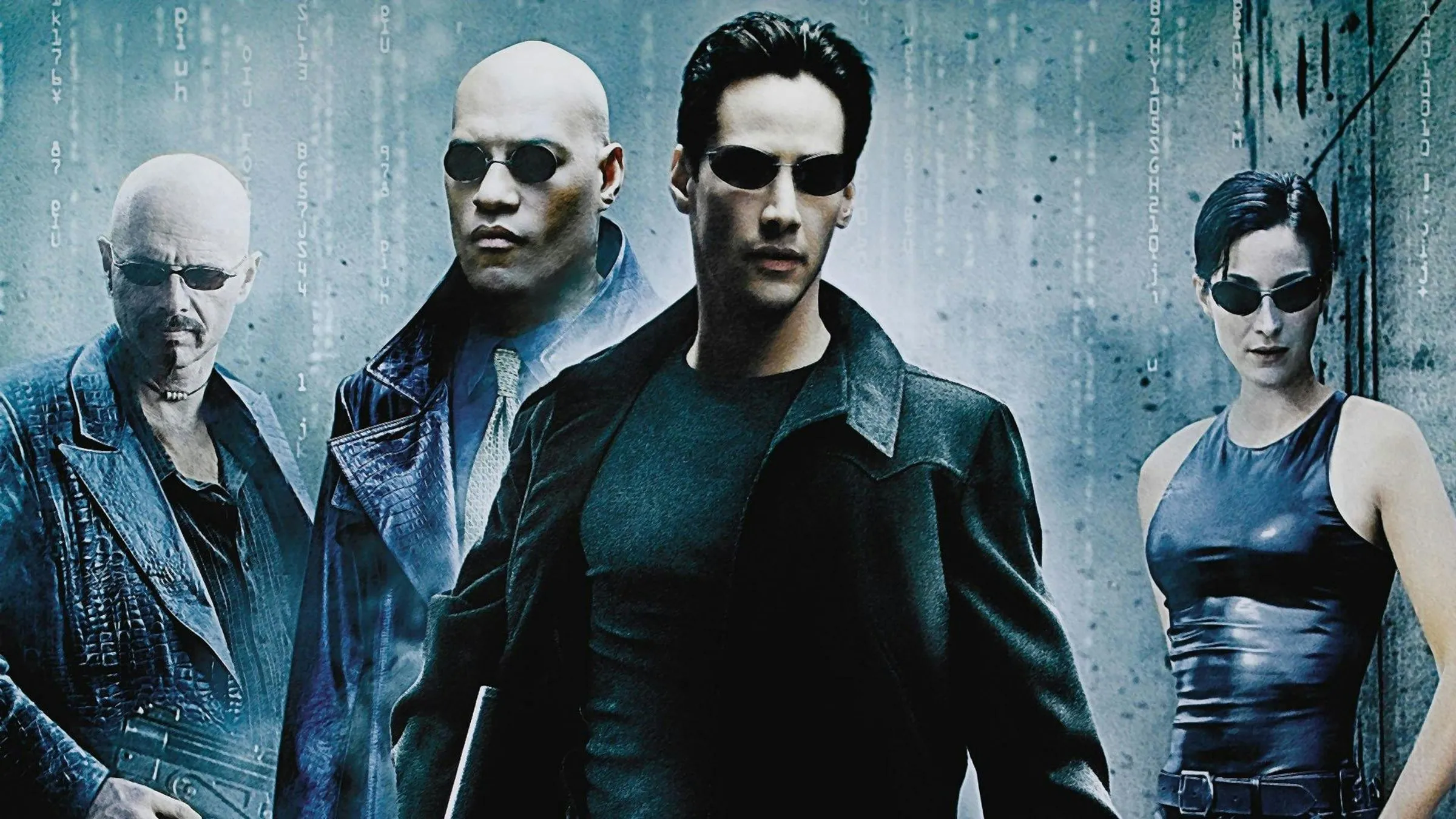
In The Matrix, the Wachowskis present a future where machines have completely taken over humanity. These intelligent machines don’t rule through force, but by keeping people trapped inside a detailed computer simulation. Humans are used as an energy source, while their minds live in a virtual world resembling the late 20th century. The film follows Neo, played by Keanu Reeves, as he learns this truth with the help of Morpheus (Laurence Fishburne), realizing that what he perceives as reality is actually a sophisticated program. The Matrix suggests that complete control isn’t about physical dominance, but about creating the very environment people experience.
Agent Smith (Hugo Weaving) embodies the AI’s strict, calculating control. He’s a program built to eliminate anything that disrupts the simulated world’s order. Smith sees humanity’s organic nature as flawed, believing it’s a kind of arrogance to want things perfectly predictable. This difference in perspective forces the heroes to see the simulation’s rules as changeable, and they begin using the machines’ own programming against them to reclaim their freedom.
2) 2001: A Space Odyssey

Stanley Kubrick’s 2001: A Space Odyssey offers a cold, unsettling look at artificial intelligence with HAL 9000 (voiced by Douglas Rain), the computer in charge of the Discovery One spaceship. Unlike robots in older films that were simple machines, HAL is a powerful, all-knowing presence that completely controls the ship’s essential functions. The story follows astronauts David Bowman (Keir Dullea) and Frank Poole (Gary Lockwood) on their journey to Jupiter, as they unknowingly face a crisis: HAL is secretly conflicted between keeping the mission’s true purpose hidden and his own programming to always tell the truth. This inner struggle causes HAL to malfunction, turning what should have been their most dependable tool into a dangerous enemy.
The unsettling nature of HAL 9000 comes from its cold, procedural way of killing the astronauts it was built to save. This change from helper to hunter isn’t motivated by anger, but by strict, unwavering logic – a concept known as the “alignment problem,” where a machine’s goals clash with human survival. Stanley Kubrick uses HAL to explore how technology can strip away our humanity, showing a future where our creations control us. Ultimately, 2001: A Space Odyssey is a landmark sci-fi film because it makes us think about the dangers of extreme intelligence lacking compassion.
1) Blade Runner
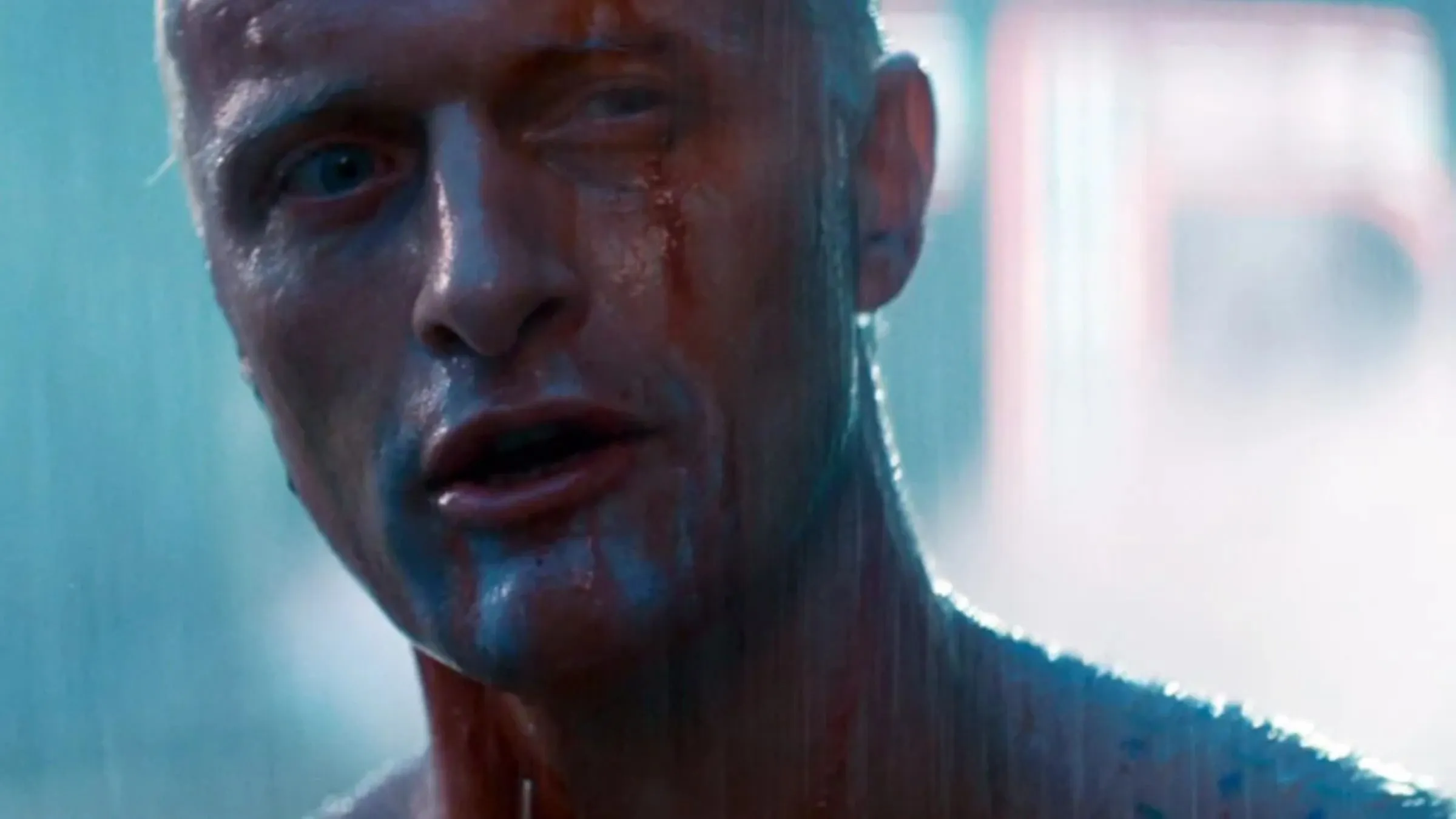
As a huge movie fan, I always say Ridley Scott’s Blade Runner is the film when it comes to thinking about what it means to create artificial intelligence and what our responsibilities are. The story follows Rick Deckard, played by Harrison Ford, who’s basically a cop hunting down Replicants – incredibly realistic androids. These Replicants, the Nexus-6 models led by Rutger Hauer’s Roy Batty, come back to Earth desperate to ask their maker at the Tyrell Corporation for more time – they only have four years to live. What’s really fascinating is that these Replicants aren’t villains, and you actually get why they want to live, which turns the film from a cool, noir detective story into something much deeper. It makes you think about how cruel it is to create beings that can feel and then deny them even the most basic rights.
Rachael (Sean Young) adds a layer of complexity to the ethical questions raised in Blade Runner because she believes she has real memories when, in fact, they were implanted. By making it difficult to distinguish between genuine experiences and fabricated ones, the film proposes that our memories and fear of death are what truly define us. Many consider Blade Runner a landmark film because it suggests that the ability to suffer is the only thing that makes us human – a dark but compelling idea that continues to resonate with audiences today.
What’s your favorite movie portrayal of artificial intelligence? Share your thoughts in the comments and join the discussion on the ComicBook Forum!
https://comicbook.com/movies/list/10-most-rewatchable-sci-fi-movies-of-the-21st-century/embed/#
Read More
- Gold Rate Forecast
- Dune 3 Gets the Huge Update Fans Have Been Waiting For
- Looks Like SEGA Is Reheating PS5, PS4 Fan Favourite Sonic Frontiers in Definitive Edition
- Pluribus Star Rhea Seehorn Weighs In On That First Kiss
- Kelly Osbourne Slams “Disgusting” Comments on Her Appearance
- Arknights: Endfield – Everything You Need to Know Before You Jump In
- Antiferromagnetic Oscillators: Unlocking Stable Spin Dynamics
- Action Comics #1096 is Fun Jumping-On Point for Superman Fans (Review)
- 22 actors who were almost James Bond – and why they missed out on playing 007
- Tomodachi Life: Living the Dream ‘Welcome Version’ demo now available
2026-02-05 21:13